






 Portuguese
  Spanish
  3 min of reading
  1 comment


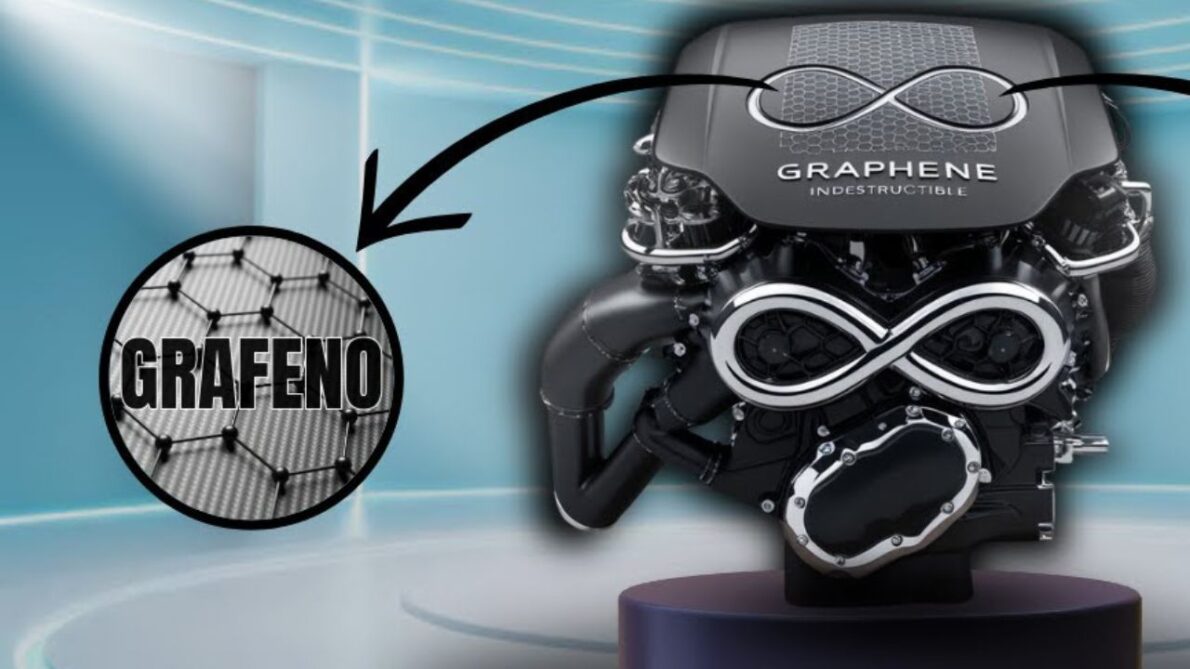


Graphene Addition to Oils Promises Not Only to Increase Engine Power, But Also to Improve Thermal Efficiency and Reduce Wear.
Have you heard of graphene? This revolutionary material, made from pure carbon, is changing the game in engine lubrication. And no, we are not talking about any ordinary improvement. We are talking about increasing engine power by up to 3%, improving thermal efficiency, and, on top of that, reducing part wear. Sounds too good to be true, right? But tests don’t lie. Let’s understand how this magic happens.
In recent years, graphene has stood out as a material that defies expectations in various fields, and now it is arriving in engine lubricants. But what makes this material so special? To start, it is incredibly strong—stronger than steel—and at the same time, lighter than aluminum. Additionally, graphene is an exceptional conductor of heat and electricity, making it perfect for enhancing the properties of engine oils.
Graphene Is Added to Lubricants


When graphene is added to lubricants, it forms a kind of “magic film” that not only lubricates but also helps keep the engine cooler by dissipating heat better. This is vital because, as we know, a cool engine is a happy and efficient engine. Tests conducted with these new oil mixtures revealed that adding graphene increases oil viscosity by up to 35%, depending on the temperature and type of oil used. And that, my friend, means less wear and a longer life for the engine.
-
Uber Faces Shareholder Scrutiny as Board Accused of Ignoring Safety, Compliance, and Harassment Warnings Amid Over 3,500 U.S. Lawsuits

-
Ferrari’s First Electric Car Divides Fans, Priced at $630,000, Amid Concerns Over Limited Editions; Brand Clarifies It’s Not Just for Future Perks
-
BYD Dolphin Mini: The Electric Car That Defies Depreciation, Losing Only 3.58% in a Year and Becoming the Best-Selling Retail Model Under $22,000

-
Electric Car JAC E-JS4 Loses $19,000 in Value in One Year, Leading Record Depreciation of Used Cars in Brazil Due to Expensive Battery and New Models


Real 3% Increase in Engine Power
And there’s more: laboratory tests conducted with a Volkswagen 1.6 TDI engine showed a real 3% increase in engine power. It may seem small, but in terms of automotive engineering, it makes a significant difference. Additionally, the maximum power was achieved with fewer revolutions per minute, indicating that the engine was operating more efficiently, with less friction and better heat dissipation.
However, like everything that seems too good to be true, there are still challenges ahead. Initial studies are promising, but we still need to better understand how graphene interacts with the components of the engine in the long term. There are variations in the type of graphene and the concentrations used that could lead to even more benefits. In other words, there is still room for improvements and optimizations.
Graphene Is Here to Stay
Despite these challenges, one thing is certain: graphene is here to stay. It is showing that it can revolutionize the way we think about engine lubrication. If upcoming research continues to show positive results, it is possible that in a few years we will all be using graphene-enriched oils in our cars, increasing efficiency, power, and perhaps even saving a few bucks on maintenance.
So, is the future of engines in graphene? If the initial results are any indication, the answer is a resounding “yes!” Let’s keep an eye on upcoming developments, because this story still has a lot to unfold. And who knows, soon we might be talking not just about 3%, but about even more significant gains in engine power.





De volta ao futuro. O grafeno vai fazer os motores ter vida útil maior com melhor desempenho mecânico de torque . Além de entrar para o time de materiais carbonados que são úteis no ciclo do carbono.