





 Portuguese
  English
  Spanish
  3 min of reading
  0 comments


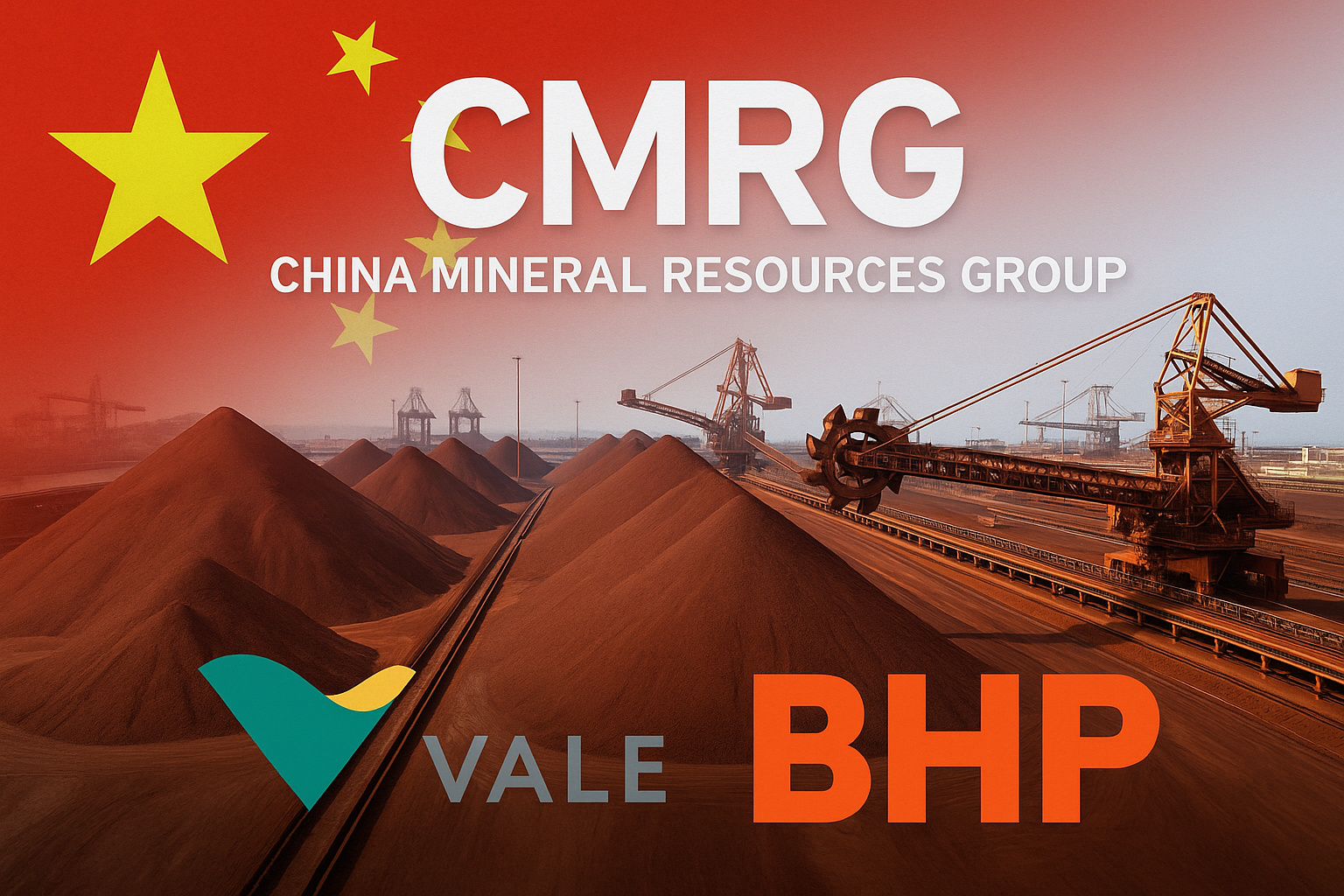
CMRG Changes Port Storage Rules and Pressures Vale and BHP to Reduce Pricing Power in Iron Ore.
China has decided to intensify control over iron ore, proposing new rules that may redefine how, when, and why foreign mining companies can maintain stocks in the country’s ports.
The initiative came from CMRG, the Chinese state buyer, which requested port authorities, this year, to increase port storage costs.
The measure targets companies like Vale and BHP, which operate at various import terminals in China.
-
Brazil extracts 26.3 million tons of ore from what was previously treated as waste, transforming residues into wealth, producing over 3 million tons of sand, and demonstrating how national mining is relearning to generate value.

-
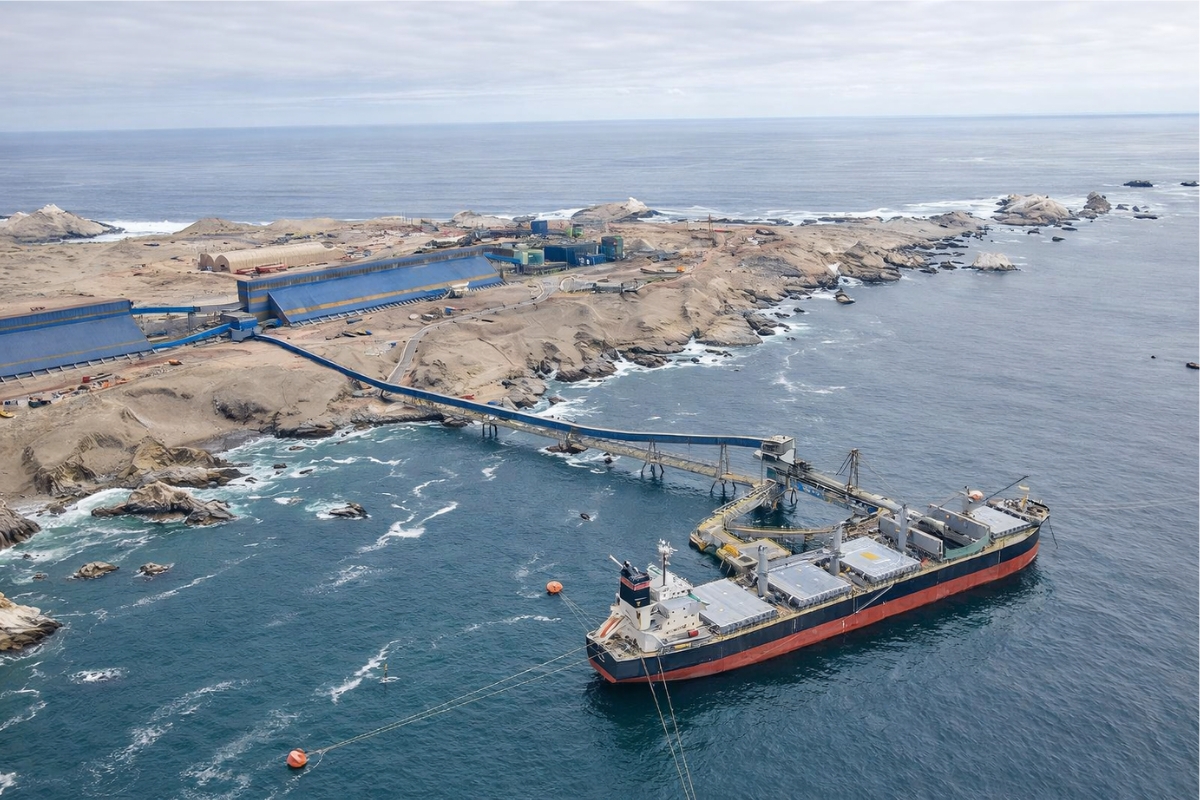
A $3.5 billion megaproject in Latin America pumps desalinated seawater at 1,050 liters per second over 194 km to keep a copper supermine in the Andes operational for another 20 years.
-
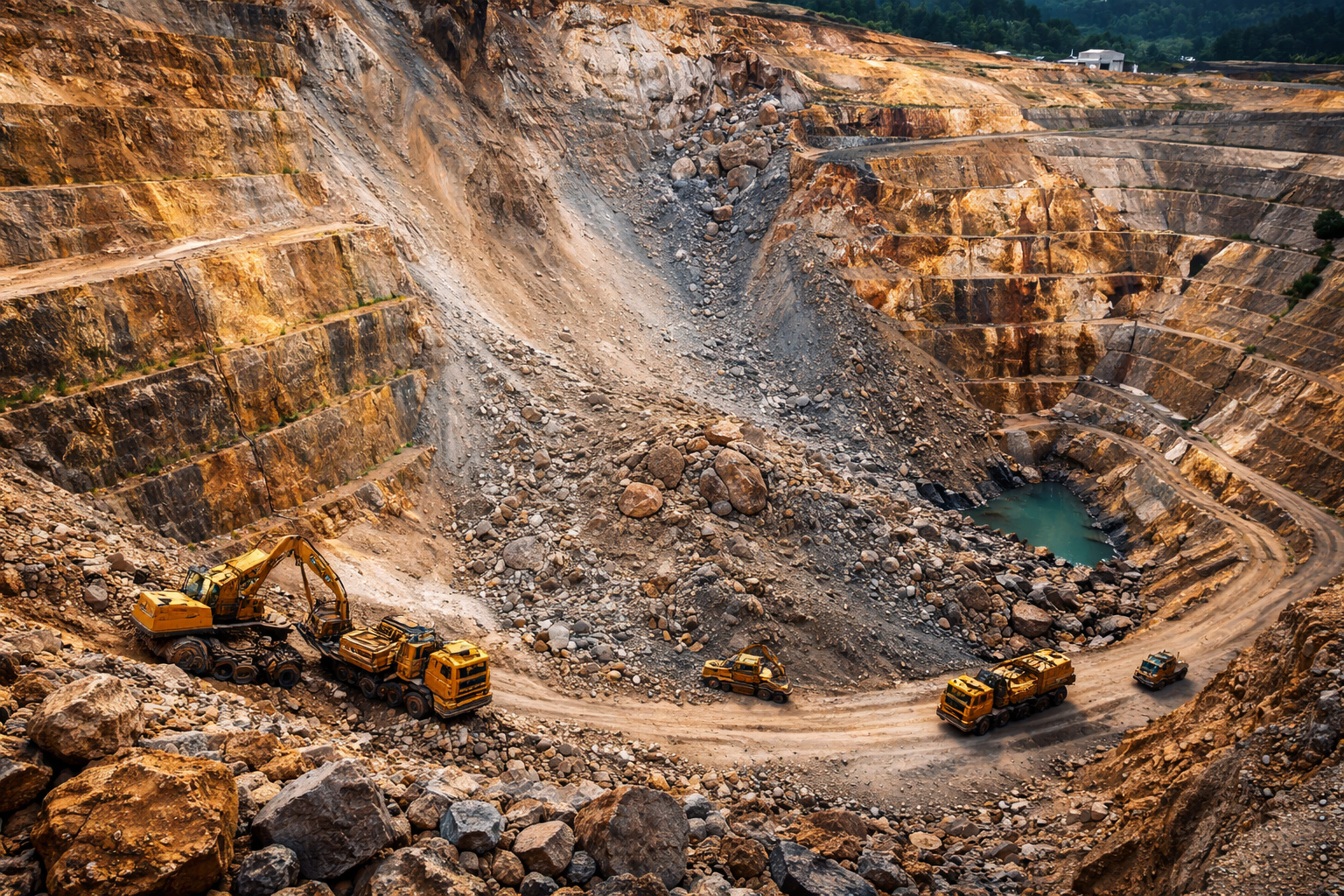
A hidden mine in the Andes valued at nearly R$ 1 trillion is starting to attract global attention, containing copper, gold, and silver, and raises an intriguing question: why do Argentina and Chile need to act together to exploit this gigantic wealth?
-
A silent discovery in the interior of Bahia could change the future of energy in Brazil: a uranium reserve in Lagoa Real has an estimated capacity to produce 400 tons per year and is already attracting the attention of energy sector specialists.

The declared objective is clear: to reduce these companies’ ability to influence supply and the pricing power of the steel input.
According to sources cited by Bloomberg News, the changes were presented as part of a broader movement by the Chinese government to rebalance the dominance of large mining companies in the global iron ore trade.
Thus, the country aims to strengthen its position in negotiations and combat what it considers market distortions.
CMRG Targets 15 Companies and Aims to Reduce Iron Ore Storage Time at Ports
The CMRG proposal affects about 15 companies, mostly foreign. Among these companies are Vale and BHP, mentioned by sources who requested anonymity due to the sensitive nature of the information.
The plan is simple and strategic: to make it difficult to maintain large volumes of iron ore stored for long periods, allowing price influence through controlled supply.
On the other hand, the offensive highlights the increasing strength of CMRG within the Chinese administrative structure.
Founded in 2022, the state-owned enterprise adopted a firmer stance this year when it banned two types of ore produced by BHP after failures in long-term contract negotiations.
How the New Port Storage Rules Would Work
CMRG proposed significant changes to the existing port storage rules. Miners and traders would be entitled to only 30 days of free storage.
After that, the charges would start at 0.1 yuan per ton per day, gradually increasing to 1 yuan after 180 days.
Currently, ports offer about 60 days of exemption and apply softer rates. Therefore, the changes are likely to raise costs and discourage the prolonged maintenance of cargoes.
Additionally, some steel mills and Chinese traders linked to the state-owned enterprise would be exempt from the new rules.
Nonetheless, they would also be pressured to reduce their stocks in line with the policy to reduce port inventories.
Chinese State Advances to Curb Speculation and Recover Pricing Power
For CMRG, the iron ore market has been marked by pricing practices considered opaque or distorted.
The state-owned enterprise argues that this scenario increases costs for Chinese steel mills and weakens the country’s negotiating power.
This week, its research unit issued a warning about “false euphoria” in iron ore prices, attributed to speculation.
The criticism reinforces the argument that controlling port storage would help reduce volatility and strengthen market predictability.
Negotiations Continue Without Official Announcement, and Vale and BHP Avoid Comments
So far, some ports have informally passed on guidance to certain traders. However, Beijing has not issued any official announcement.
CMRG and the Ministry of Transport of China also did not respond to requests for comments.
The mining companies Vale and BHP have also chosen not to comment.
Meanwhile, the Chinese state-owned enterprise continues to discuss the issue with port regulators and transport authorities, preparing the ground for supply negotiations for next year.
Future Impacts: Contracts, Prices, and Market Stability
It is still unclear whether the new guidelines will influence future contracts traded on the Dalian Commodity Exchange.
These contracts admit physical settlement, so changes in storage rules could impact their dynamics.
Despite the tensions, the price of iron ore has remained relatively stable throughout the year, trading above US$ 100 per ton since July.
Thus, the Chinese move seeks to prevent future fluctuations and reposition the country in a position of greater influence in global pricing power.










Seja o primeiro a reagir!