





 Portuguese
  English
  Spanish
  4 min of reading
  19 comments


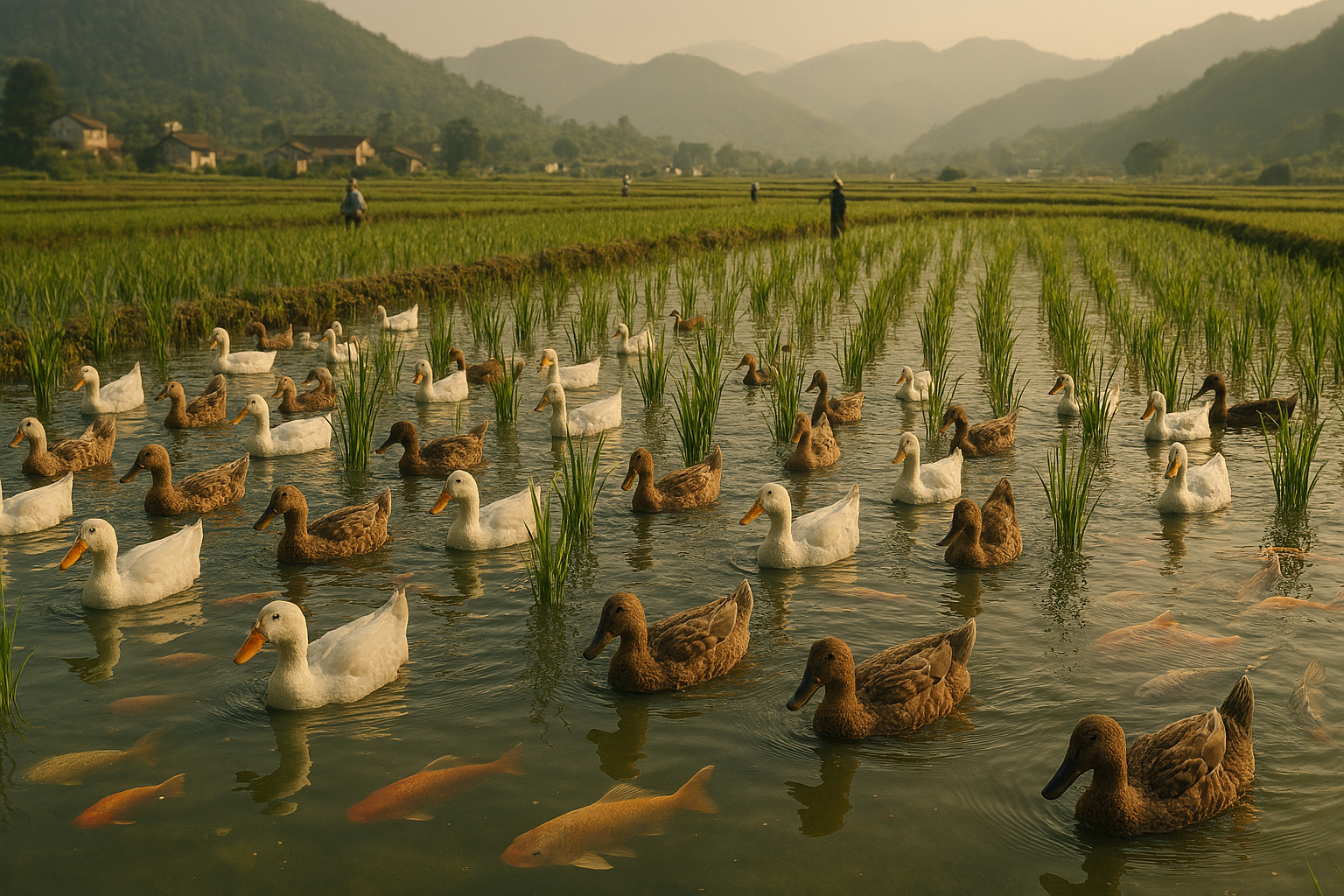


Traditional Chinese Agricultural System Uses Ducks and Live Fish in Rice Fields to Reduce Pests, Eliminate Pesticides, and Increase Productivity Sustainably.
Chinese agriculture found, centuries ago, a solution that today captures the attention of scientists, agronomists, and environmentalists worldwide. Instead of relying exclusively on pesticides, synthetic fertilizers, and heavy machinery, millions of hectares of rice fields in China utilize an integrated system based on live animals — primarily ducks, carp, tilapia, and other freshwater fish — to maintain high productivity, control pests, and regenerate the soil. The method, which seems simple at first glance, involves a complex and highly efficient ecological logic capable of replacing a significant part of modern chemical agriculture.
How the Duck and Fish System Works in Rice Fields
The central principle is to transform the rice field into a living ecosystem. Shortly after the rice is planted, small fish and young ducks are released into the flooded fields. From there, each element begins to fulfill a specific function within the system.
Ducks feed on insects, larvae, snails, and weeds that would normally attack the rice plants. By swimming and walking through the field, they also gently stir the soil, improving water oxygenation and preventing excessive growth of harmful algae.
-
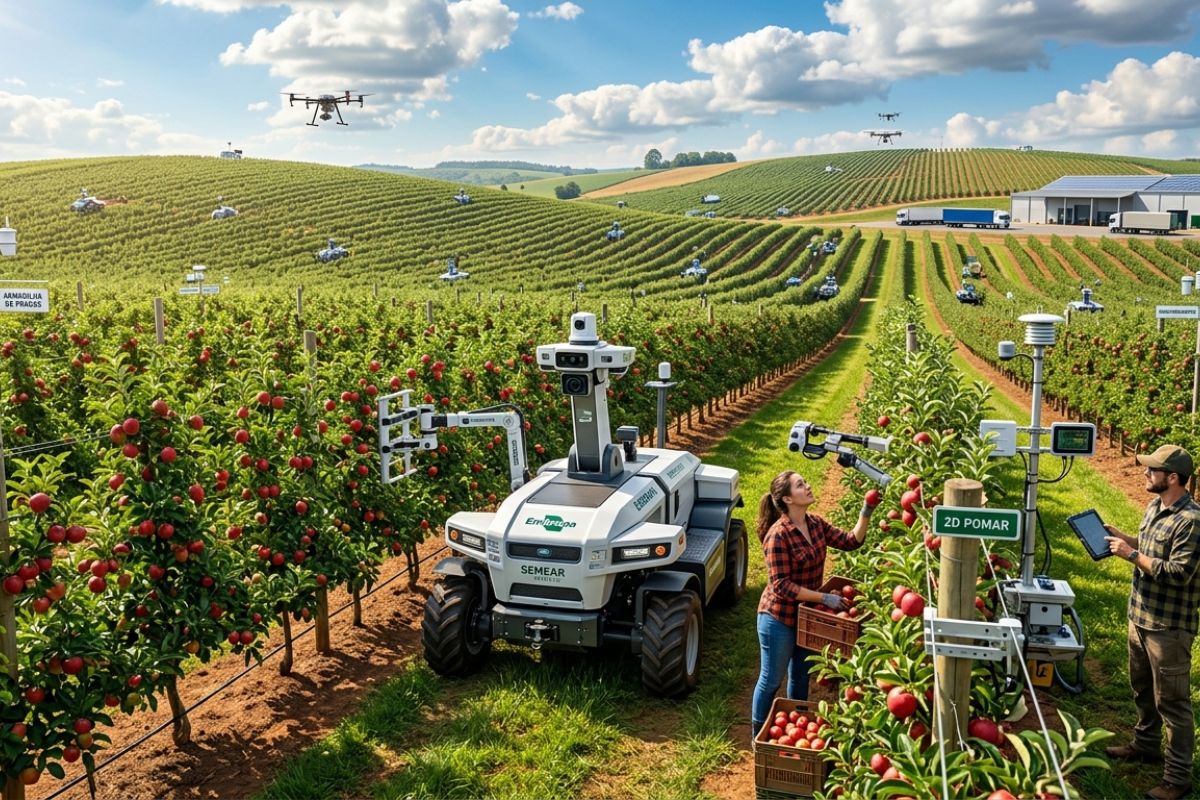
From manual harvesting to robotics: Vacaria, the apple capital, becomes an Embrapa laboratory in Semear Digital, with point-to-point mapping, pest traps, traceability, and 2D orchards to combat labor shortages.
-
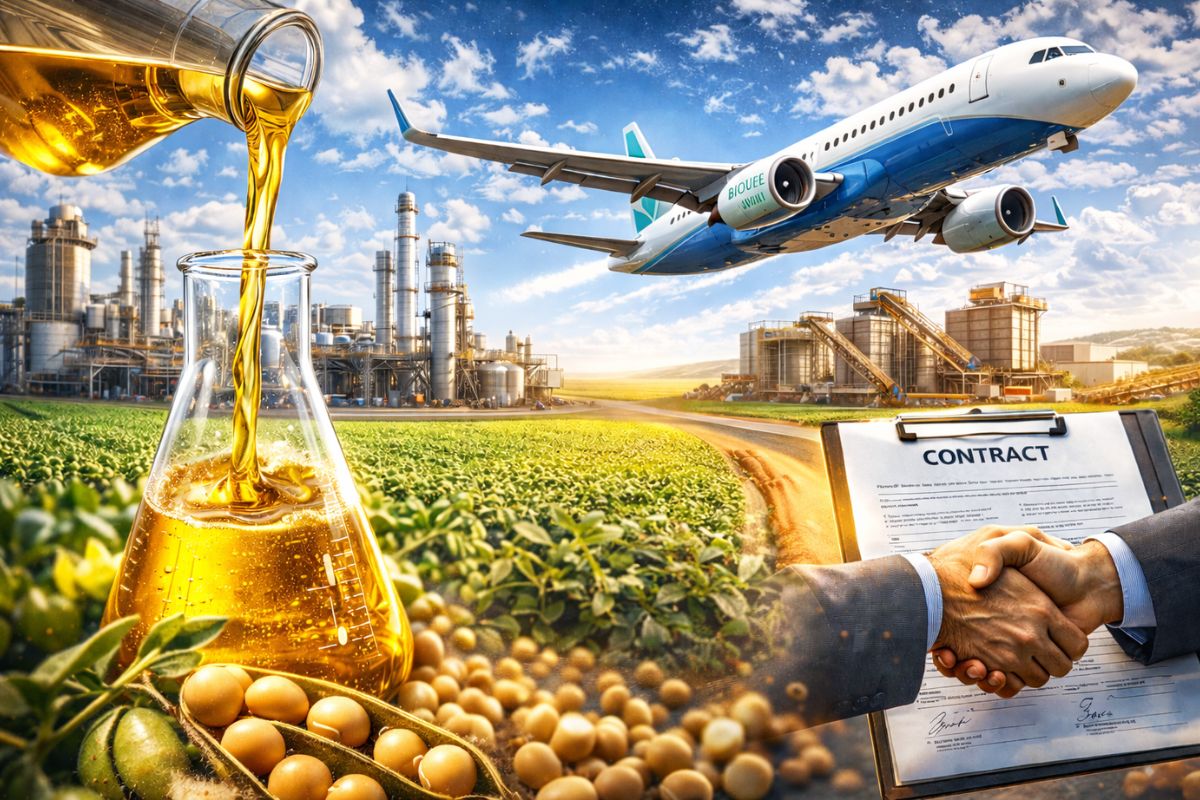
In 2026, Brazilian soy becomes airplane fuel: Corsia mandates SAF, oil gains a premium of 40% to 80%, biorefineries alongside crushing plants and long-term contracts remove the producer from the commodity discount.
-
Brazilian agribusiness advances in four countries at the same time, gains space to sell fruits to Cuba, and opens shipments of meat, seeds, and feed to new markets.

-
At least two ships loaded with fertilizers for Brazil are stranded in the Strait of Hormuz amid the conflict with Iran, and Brazilian importers still do not know when the shipments will arrive.

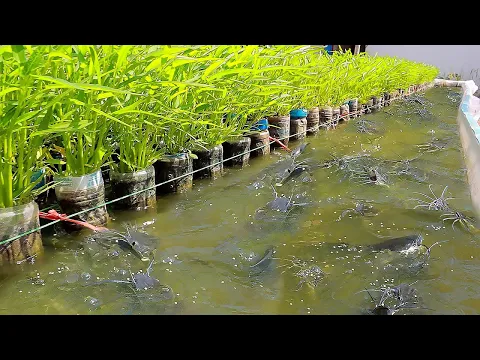

Fish, in turn, consume mosquito larvae, organic debris, and small invertebrates, helping to maintain the biological balance of the water. Their waste acts as a natural fertilizer, rich in nitrogen and phosphorus, which is directly absorbed by the rice roots.
The result is a closed cycle: the rice grows healthier, the animals feed naturally, and the farmer drastically reduces the need for external inputs.
Pest Control Without Pesticides
One of the most impressive points of this system is its efficiency in biological pest control. Studies conducted by Chinese universities and agricultural institutes indicate that rice fields with ducks and fish can reduce the presence of harmful insects by up to 90%, such as bedbugs, beetle larvae, and aquatic snails.
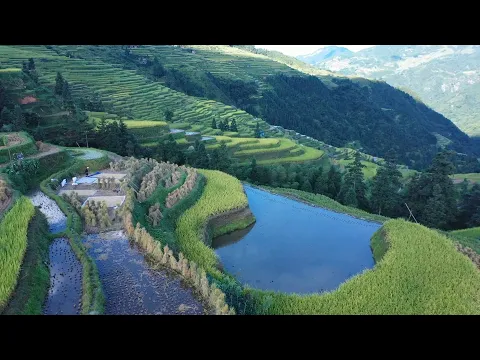
This eliminates or significantly reduces the use of chemical pesticides, which, in addition to being expensive, contaminate the soil, groundwater, and food. In regions where this method is continuously applied, analyses show a significant reduction in chemical residues found in the final rice grain.
This factor has led the system to be internationally recognized as a model of low environmental impact agriculture, aligned with global goals for reducing agricultural pollution.
Soil Recovery and Increase of Natural Fertility
Another direct effect is the recovery of agricultural soil. In intensive monocultures, the soil tends to compact, lose organic matter, and rely increasingly on synthetic fertilizers. In integrated rice fields, the opposite occurs.
The constant movement of animals prevents compaction, while the organic waste generated by ducks and fish increases the organic matter content of the soil. Over time, this improves water retention, microbial activity, and the natural availability of nutrients.
Long-term research indicates that areas managed with this system show greater productive stability over the years, better resisting periods of drought, excess rainfall, and climate variations.
Productivity Gain and Income Diversification
Contrary to what many believe, the use of animals in rice fields does not reduce production — on the contrary. Field data shows that rice productivity can increase between 10% and 20% compared to conventional systems, thanks to lower pest incidence and more fertile soil.
Furthermore, the farmer begins to harvest not only rice but also animal protein. Ducks and fish can be sold in the local market or consumed by their families, generating extra income and improving rural food security.
In some Chinese provinces, this model has transformed entire communities, creating local production chains based on rice, fish, and duck meat, with lower dependence on external inputs and greater economic autonomy.
Scientific and International Recognition
The so-called rice–fish–duck system is studied by institutions such as the Chinese Academy of Agricultural Sciences and has already been recognized by FAO (Food and Agriculture Organization of the United Nations) as a Globally Important Agricultural System.
Researchers highlight that the method combines productive efficiency, environmental preservation, and traditional knowledge, something rare in modern agriculture. It is not an experimental or sporadic solution, but a practice applied on a large scale for generations, now validated by scientific data.
Why China is Investing Again in This Model
With growing challenges such as desertification, aquifer contamination, and pressure for cleaner food, China has officially begun to encourage agricultural practices that reduce chemical use. The integrated system with animals fits perfectly with this objective.
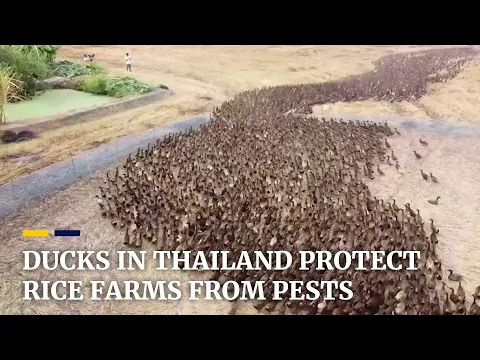
In addition to reducing costs with fertilizers and pesticides, it decreases emissions associated with the industrial production of agricultural inputs and improves the environmental quality of rural areas.
In a country that needs to feed over a billion people, any technology capable of producing more, polluting less, and regenerating the soil gains strategic value.
A Simple Lesson with a Huge Impact
While the world seeks complex technological solutions to make agriculture more sustainable, China demonstrates that live animals, used intelligently, can replace part of heavy chemicals and restore balance to the field.
Ducks and fish integrated with rice show that productivity and nature do not have to be enemies. In many cases, they work better when they collaborate.




Muito inteligente o uso desta integração. Ganha TODOS…..o pato…o arroz…o ser humano…a NATUREZA
Isso já é antigo já fazem a uns 5000 anos. Além disso eles plantam em morros fazendo patamares para trabalhar em nível e evitar erosão. Sabe-se que aqui no brasil temos muito problema de erosão por causa da agricultura convencional.
A China sempre surpreende! Gostei de ver o também o que fizeram no deserto ,com reflorestamento e criação de coelhos