





 Portuguese
  English
  Spanish
  4 min of reading
  0 comments


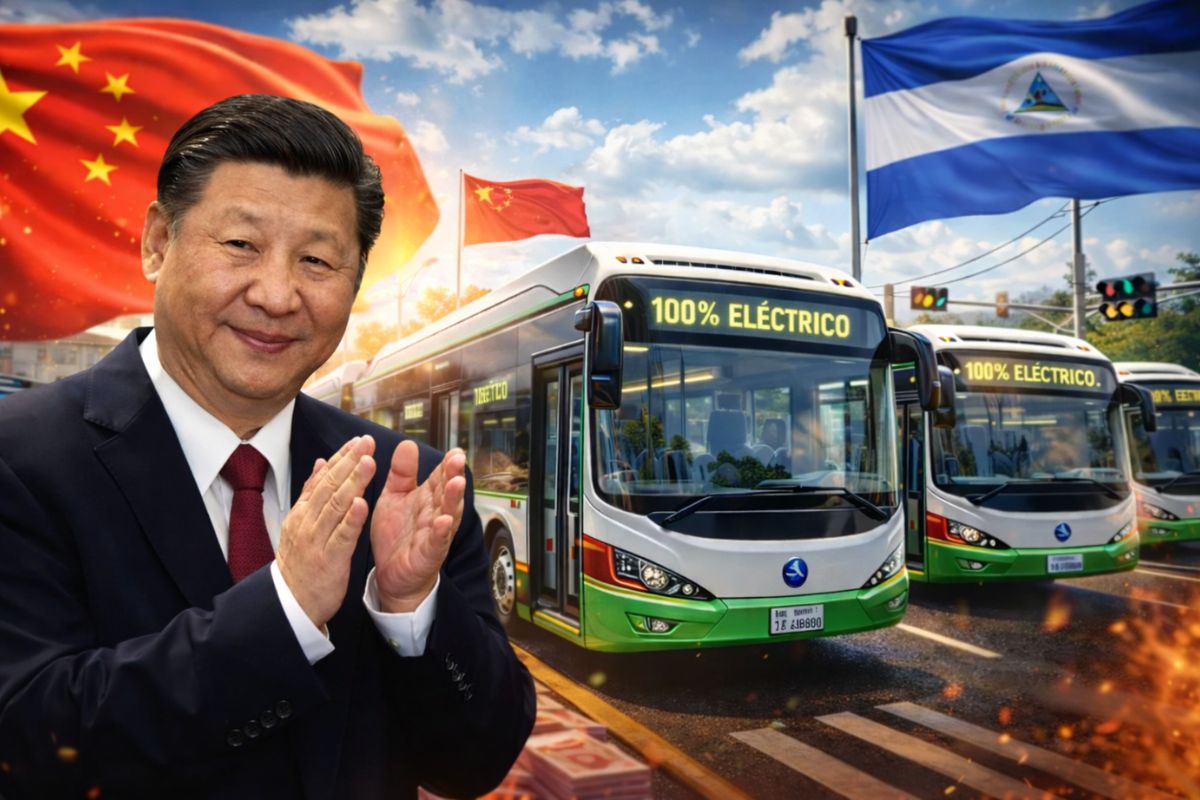
China has provided 2,280 buses and minibuses from the manufacturer Yutong to Nicaragua since 2023, raising the national fleet to 4,610 vehicles and consolidating public transport in the Central American country as a showcase of Chinese technology in Latin America.
China is rewriting the map of public transport in Latin America, and the most impressive case is happening in a country that most people would not associate with electric buses: Nicaragua. Since 2023, China has delivered 2,280 buses and minibuses manufactured by Yutong, the largest bus manufacturer in the world by volume, to the Central American country. With these deliveries, Nicaragua’s total fleet has reached 4,610 units intended for municipal and intermunicipal services, completely transforming the country’s urban mobility.
The project goes far beyond renewing a fleet of vehicles. China is using Nicaragua as a showcase for its technological capacity in public transport, strengthening political and economic ties with a country governed by Daniel Ortega in a region historically dominated by the United States. The buses arrive with air conditioning, ABS brakes, monitoring cameras, and cutting-edge technology in electromobility, the segment in which China dominates the international market.
2,280 buses from China in three years: how Nicaragua received the fleet
According to the portal Cronista, deliveries from China to Nicaragua began in 2023, when the country received the first 500 Yutong buses.
-
The USA would have located a downed pilot in Iran using technology capable of identifying the electromagnetic signature of the human heart from up to 60 km away.

-
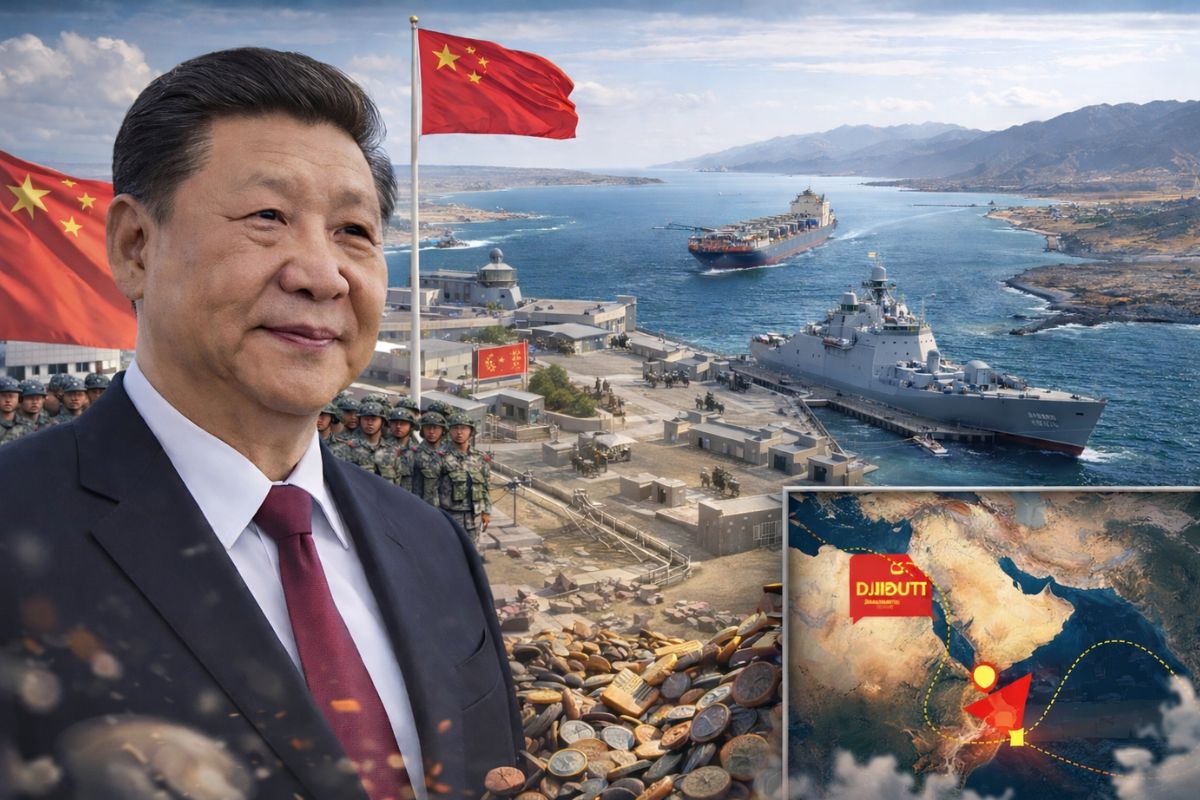
China has chosen the most strategic point on the planet to establish its first military base abroad: Djibouti controls the strait through which oil, goods, and routes connecting three continents pass simultaneously.
-
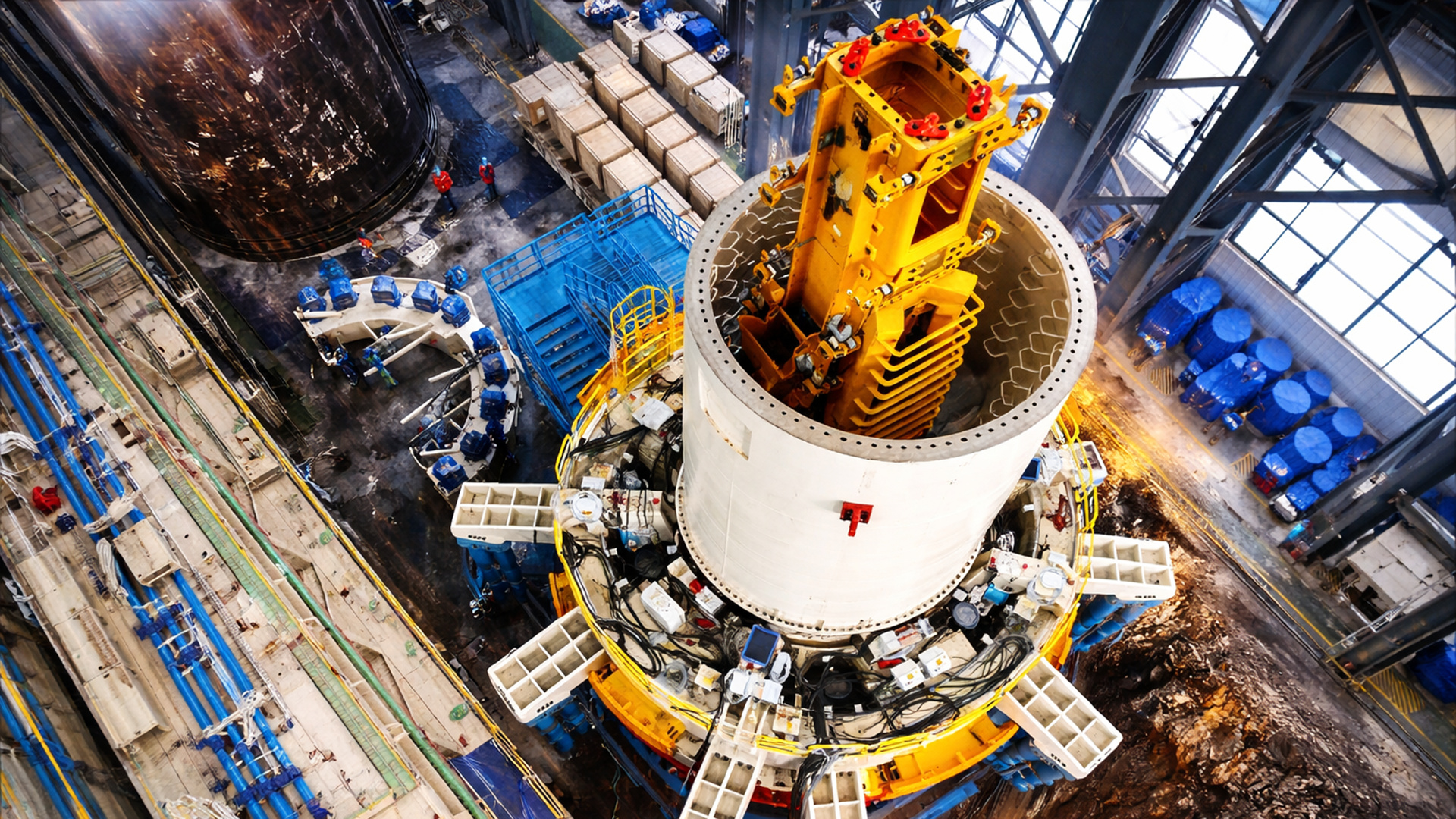
China tests a 500-ton drilling machine that descends more than 1,000 meters into hard rock and could change mining by providing direct access to mineral deposits that were previously too deep, too expensive, and too complex for economic exploration.
-
NASA photographs a pink salt lake in the shape of a heart in southern Argentina, revealing salt flats that change with rain and evaporation, with color generated by halophilic microorganisms like Dunaliella salina and flamingos.

In 2024, another 1,000 buses and minibuses arrived. In 2025, there were another 500 Yutong units and 100 buses from the Asiastar brand.
And in February 2026, the last shipment brought 180 minibuses, delivered in a ceremony on Avenida Bolívar a Chávez, in Managua. In total, there are 2,280 Chinese vehicles that add to 350 from Mexico and 1,100 from Russia, forming a national fleet of 4,610 units.
The Xinhua agency confirmed the delivery of 500 vehicles in March 2025 and an additional 180 to local cooperatives in February 2026.
The distribution is not concentrated only in Managua. The buses from China are being distributed across different departments and autonomous zones in the Caribbean, ensuring a decentralized modernization. The goal, according to the EFE agency, is for transport cooperatives to “gradually renew their entire fleet” with Chinese vehicles.
What China gains by placing electric buses in Latin America

The delivery of thousands of buses to a small country like Nicaragua is not just diplomatic generosity.
China dominates the global electric bus market. In the first half of 2025 alone, the country exported about 9,000 electric buses worldwide, a 124% increase compared to the same period the previous year, according to industry data.
Yutong, the manufacturer supplying Nicaragua, is recognized as the largest bus manufacturer on the planet by volume, with over 210,000 clean energy buses sold by the end of 2025.
By providing public transport for Nicaragua, China consolidates the presence of its companies in the region, exports proprietary technology in strategic sectors, and strengthens political ties with aligned governments.
Latin America is one of the priority targets for China’s expansion in electromobility. Santiago, Chile already operates 2,550 electric buses, Bogotá has 1,485, and now Nicaragua enters the map with a fleet entirely renewed by China.
The political dimension: China in the backyard of the United States
Daniel Ortega’s Nicaragua severed relations with Taiwan in 2021 and reestablished diplomatic ties with Beijing. Since then, the partnership has accelerated.
At the delivery ceremony in February 2026, Ortega asked Chinese ambassador Qu Yuhui to convey to President Xi Jinping “our affection, our gratitude for the unconditional generosity, without any conditions.”
The statement directly contrasts with the stance towards the United States. Ortega recalled that during the Washington-backed governments between 1990 and 2006, no buses were donated to the country.
For China, every electric bus running in Managua is a visible argument that its partnership delivers concrete results where other powers have not.
This type of influence projection through infrastructure is the hallmark of China’s global strategy, from the Silk Road to Africa and now to Central America. China is not just selling buses. It is occupying spaces that the United States has left vacant.
What changes in the daily lives of Nicaraguans
For thousands of citizens who depend on public transport to get to work, school, or back home, the change is real.
The buses from China arrive with air conditioning, something essential in Nicaragua’s tropical climate, ABS brakes, integrated monitoring cameras, and ergonomic seats. Before the Chinese deliveries, transporters bought used buses with their own resources. Between 1990 and 2006, they acquired about 1,100 used vehicles, according to Ortega.
Instead of creating a new state institution, the Nicaraguan government chose to strengthen existing operators, delivering the vehicles from China directly to already active transport cooperatives. This model advances the presence of the Yutong brand in the Nicaraguan market and creates dependence on parts, maintenance, and Chinese technology in the long term.
China is not just donating buses. It is building a transport ecosystem that will depend on its industry for decades.
Is China conquering Latin America through transport?
There are 2,280 Chinese buses running in Nicaragua, 2,550 in Santiago, Chile, and almost 1,500 in Bogotá. China is transforming public transport in Latin America one by one, city by city, bus by bus. And all this while the United States looks on from afar.
And what do you think? Is China’s expansion in Latin America through public transport positive or concerning? Should Brazil follow the same path?







Seja o primeiro a reagir!