





 Portuguese
  English
  Spanish
  5 min of reading
  0 comments



With the advancement of factories, energy, oil, electric cars, and new industrial projects, Brazil has changed its level in China’s strategy and has consolidated itself as the third largest global destination for Chinese investments.
Brazil has firmly entered the center of China’s new global offensive. After years marked by significant investments in hydroelectric dams, energy, and oil projects, Chinese investments in the country have gained new scale, become more diversified, and placed the Brazilian market among the most strategic in the world for Beijing.
The numbers show the turnaround. In 2024, Chinese companies invested $4.18 billion in 39 projects in Brazil, nearly double the amount recorded in 2023. As a result, the country became the third largest global destination for Chinese productive capital and the main recipient among emerging economies.
This leap did not happen by chance. It reflects a shift in focus. China remains present in heavy sectors, such as electricity and oil, but is now strongly expanding its activities in factories, mobility, technology, consumption, and services, eyeing a market with over 200 million consumers and a bilateral relationship that has already positioned the Asian country as Brazil’s main trading partner.
-
Lula announced that 160,000 students in debt with FIES will be included in the federal government’s renegotiation package and compared the cost of an inmate to that of a student by saying that Brazil invests in criminals when it does not invest in education.

-
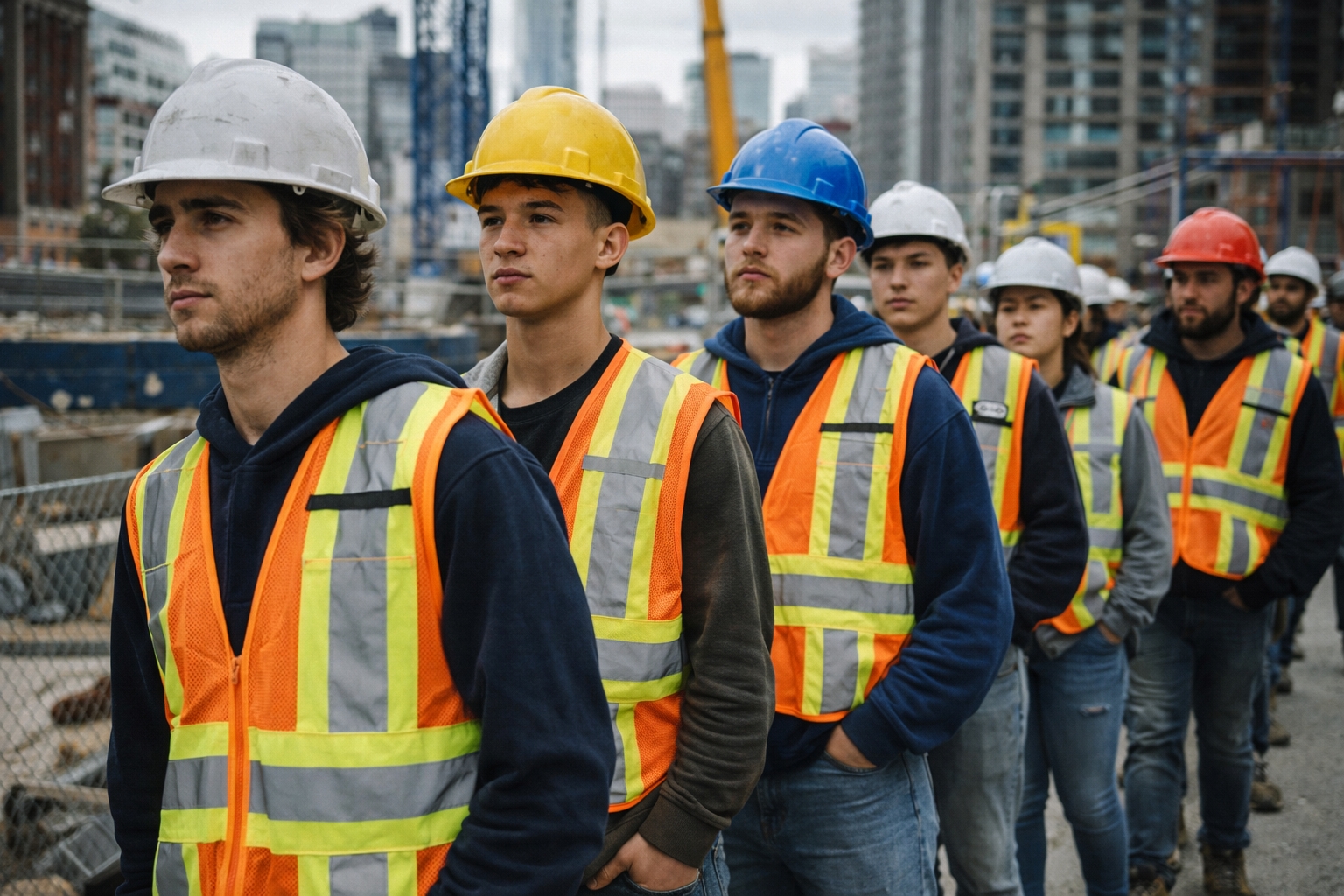
Young people are leaving college in the United States and competing for jobs in construction with salaries of R$ 500,000 per year.
-
The minimum wage for 2027 could reach R$ 1,717, and the value circulating in government circles is beginning to raise curiosity as it suggests possible changes in income, social benefits, and the purchasing power of millions of Brazilians.

-
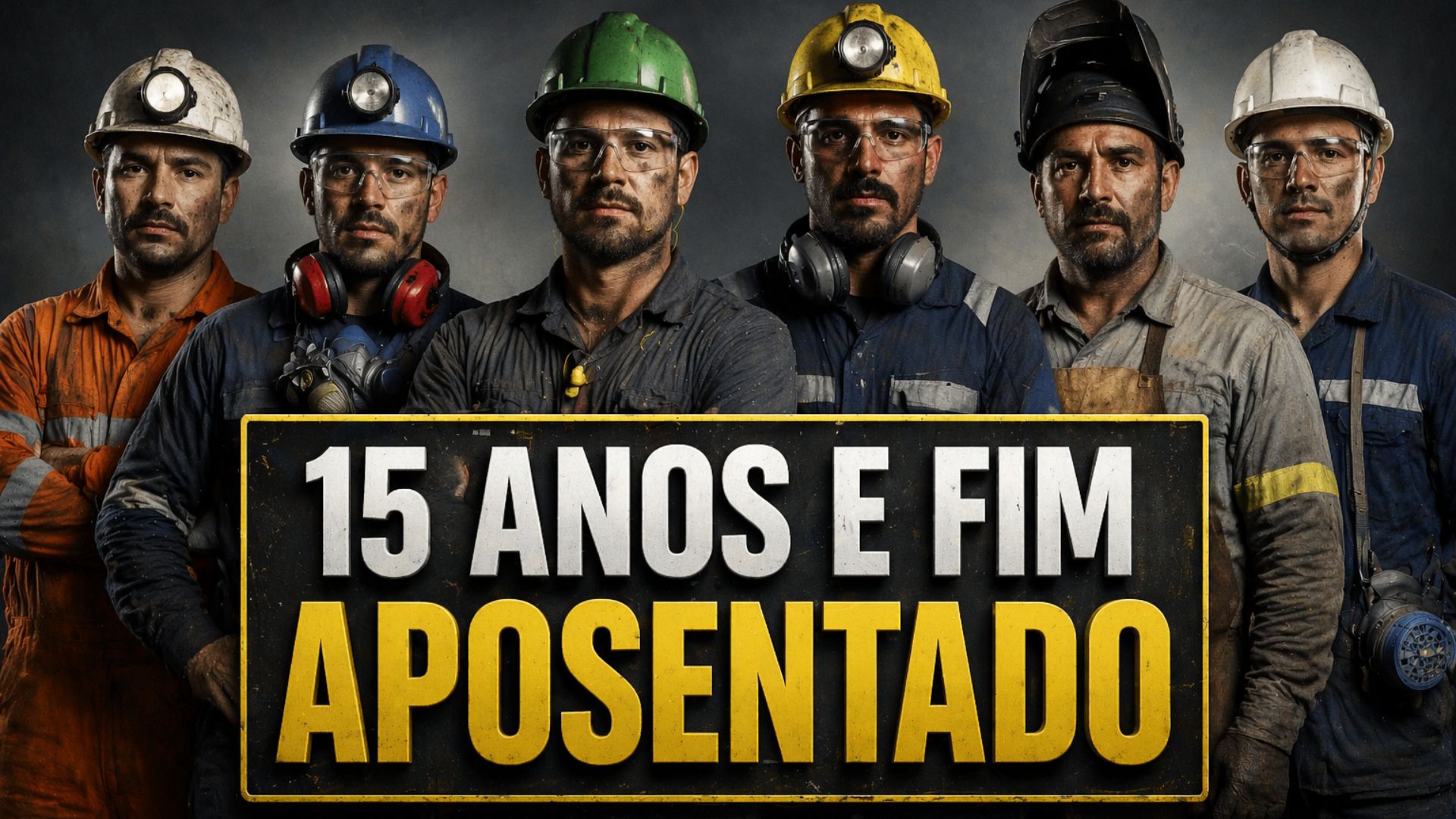
These 6 professions allow you to retire early with just 15 years of contribution and 55 years of age.
Brazil changes position and becomes a central piece in China’s strategy
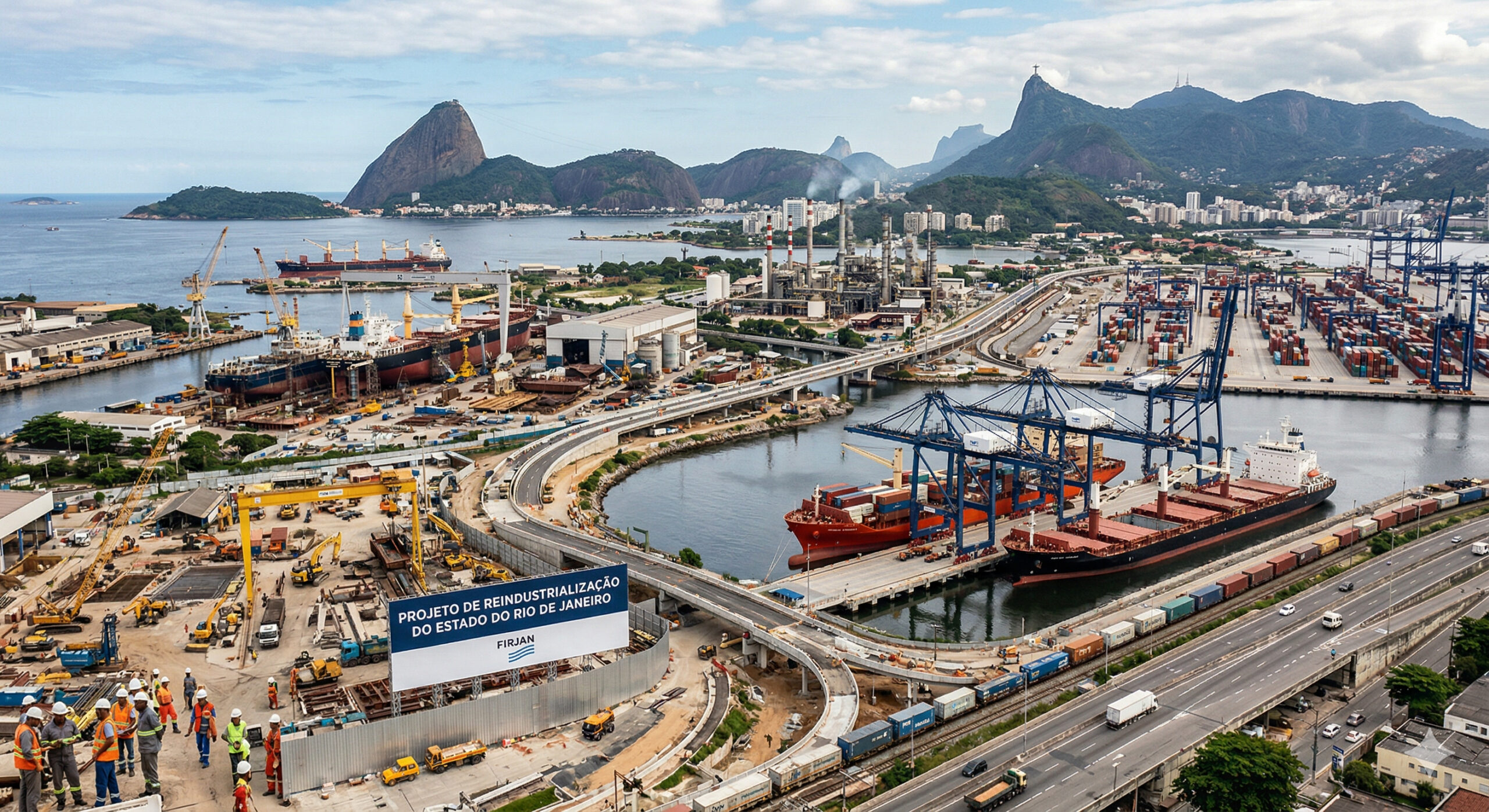
The new picture of Chinese investments in Brazil is quite different from the old waves concentrated on a few megaprojects. According to CEBC, 2024 recorded a historic high of 39 Chinese projects in the country, with strong expansion and growing presence in sectors related to reindustrialization, energy, sustainable mobility, digital transformation, and decarbonization.
This change in profile helps explain why Brazil has risen so much in the global hierarchy of Chinese capital. The country is no longer seen merely as a supplier of commodities or a specific destination for gigantic works. It has now taken on a strategic role in a broader agenda that mixes local production, consumer market, technology, and infrastructure.
Electricity and oil remain strong, but the map of investments has changed
Despite the shift in focus, traditional sectors remain very relevant. The electricity sector led the attraction of Chinese investments in Brazil in 2024, with 34% of the total and $1.43 billion in investments, including solar and wind generation projects. Following closely was oil, with 25% of investments and about $1 billion.
This shows that China has not abandoned the large projects related to energy infrastructure. On the contrary, it has maintained its presence in heavy areas while simultaneously advancing into new fronts. This combination reinforces Brazil’s weight as a multiple platform for Chinese capital.
Chinese factories advance and reinforce a new industrial phase
If before the spotlight was almost always on hydroelectric plants and oil, now the Brazilian manufacturing industry has also entered strongly onto the radar. The number of Chinese projects in manufacturing has grown almost uninterruptedly since 2021, reaching a record of eight ventures in 2024.
This movement is clearly visible in the automotive sector. GWM announced a total investment of R$ 10 billion in its operation in Brazil by 2032, including the factory in Iracemápolis, São Paulo. The company anticipates R$ 4 billion by 2026 and an additional R$ 6 billion between 2027 and 2032.
BYD has also transformed Brazil into a key piece of its industrial expansion. In Camaçari, Bahia, the automaker claims that its new plant represents an investment of R$ 5.5 billion and marks the construction of the largest electric vehicle factory in Latin America.
China bets on local production, technology, and the Brazilian internal market
The new phase of Chinese investments is not only aimed at export or infrastructure works. It also seeks direct presence in consumption and local production. Huawei, for example, highlights that it has been in Brazil for 26 years and has been expanding its operations in digital transformation, telecommunications, energy, mining, the public sector, and corporate solutions.
In delivery, another strong signal of the change appeared with Meituan. The Chinese company announced a $1 billion investment in Brazil over five years to launch its operation in the country, showing that the Chinese competition for space now also reaches digital services and large-scale urban consumption.
This redesign helps to understand why Brazil has become even more valuable to Beijing. The country offers scale, an industrial base, regional access, and an internal market that can absorb brands, technology, vehicles, platforms, and new services.
Brazil-China relationship enters a deeper and more ambitious phase
The backdrop of this expansion is an increasingly strong bilateral relationship. In 2024, trade between Brazil and China reached $158 billion, a historic record, and the Asian country maintained its position as Brazil’s main trading partner for the 16th consecutive year.
Moreover, the Brazilian government recognizes that China has become Brazil’s main trading partner for years and continues to increase its weight in exports, especially in agribusiness.
This favorable environment helps explain why so many Chinese companies have come to see Brazil as a priority destination. There is market scale, diplomatic openness, demand for infrastructure, space for industrialization, and opportunities to expand presence in sectors where Western companies have lost ground or reduced investments.
What is behind the new Chinese rush in Brazil
The change does not depend solely on Brazil. It also responds to the international scenario. The advancement of trade barriers in other markets, especially in the United States, has increased the importance of countries capable of absorbing capital, production, and the expansion of Chinese brands. Meanwhile, Brazil offers size, relative demand stability, and the capacity to serve as a base for South America.
In practice, the relationship has moved beyond the phase where China was only remembered for hydroelectric dams, mining, and oil projects. Now, the Asian country is increasing its bets on factories, cars, renewable energy, technology, digital platforms, and new production chains.
The result is clear: Brazil is no longer just a giant trading partner of China. It has become one of the main destinations for Chinese capital on the planet and a central piece in the new global competition for markets, production, and economic influence.
If you think this new wave of investments from China could change the Brazilian industry, leave your comment and share this publication.







Seja o primeiro a reagir!