





 Portuguese
  English
  Spanish
  2 min of reading
  0 comments


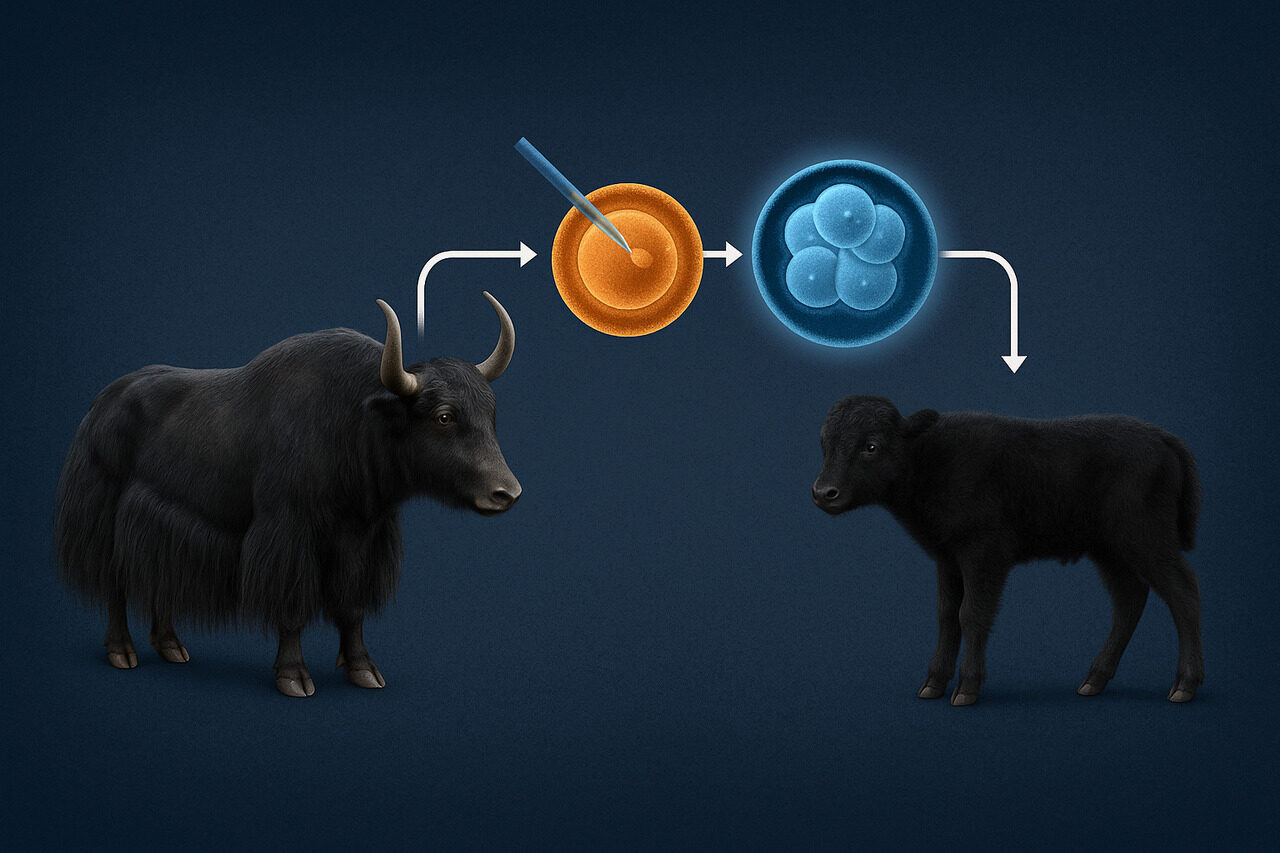
Chinese Researchers Successfully Clone A Yak And Point To The Technique As A Viable Alternative To Preserve The Endangered Species In The Himalayas
Researchers from China have made an important milestone in the field of biotechnology. A yak was cloneddsuccessfully at a breeding base in Damxung County, located in the southwest of the country.
The species, common in the mountainous regions of the Himalayas, belongs to the same family as cattle, buffalo, and bison.
The clone was born this week and, according to scientists, is in good health. The animal is already able to walk normally, according to the responsible team.
-
The Earth will plunge into a few minutes of darkness in broad daylight in August 2026, when a total solar eclipse transforms the sky into one of the most impressive astronomical phenomena in recent years.

-
How the terraforming of Mars can transform the planet: artificial aerosols can increase the temperature by up to 35°C in 15 years, creating conditions for liquid water.

-
Scientists drilled nearly 8,000 meters into the ocean floor above the fault that caused the 2011 tsunami in Japan and discovered that a layer of clay 130 million years old was responsible for making the wave much worse than any model had predicted.

-
Thousands of years after causing the largest eruption of the Holocene, one of the world’s largest supervolcanoes is rebuilding itself beneath the sea south of Japan, receiving new magma and alarming scientists with its transformation.


The cloning was carried out using advanced technologies involving whole genome selection and somatic cells.
Cloned Yak Weighed 33.5 Kg At Birth
The cloned calf surprised everyone by weighing 33.5 kilograms, which is above the average weight for newborns of the species.
Another highlight was its coat, which is completely black. The team reported that this birth represents an important advance in the field of animal cloning and may have practical implications for species preservation.
Researchers believe that the use of cloning could play a crucial role in the conservation of yaks, especially given the challenges faced by the current population in the Himalayas.
Species In Decline For Decades
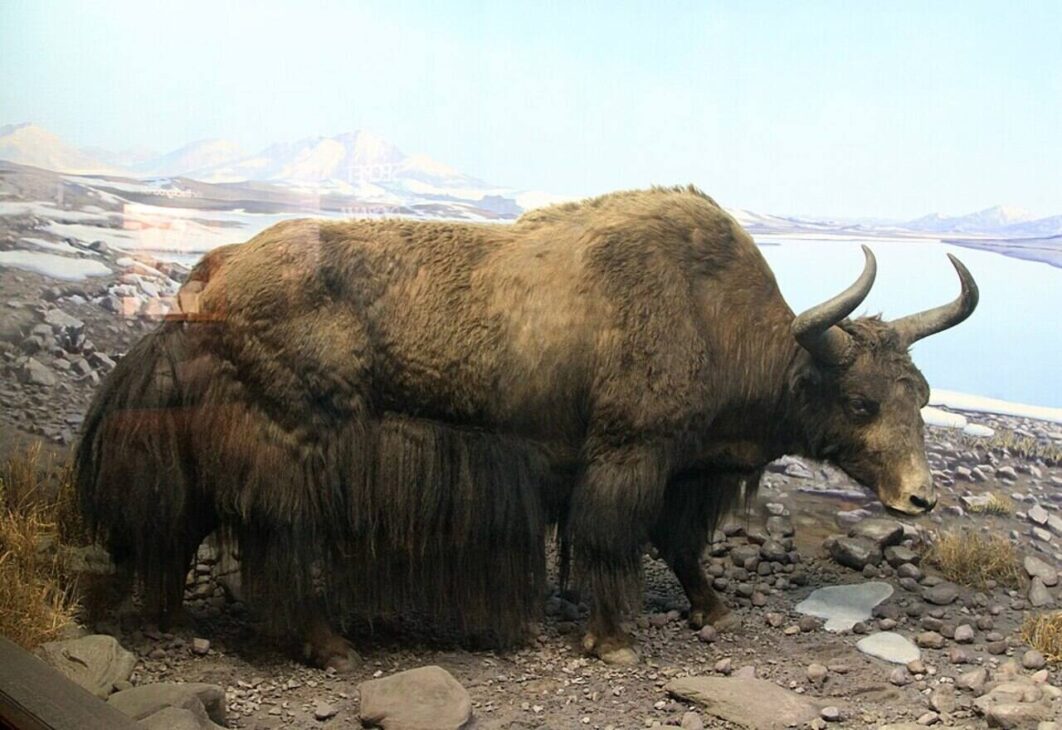
Data presented by the team shows that the population of yaks in the Himalayan region has significantly declined over the last few decades.
In 1977, there were an estimated 132,000 animals. Currently, that number is around 50,000.
Among the factors responsible for this decline are human activities and environmental changes. The impact of construction, urban expansion, and human actions in grazing areas have contributed to this situation.
Climate Change Is A Growing Threat
In addition to human actions, researchers point out that the effects of climate change have also impacted the survival of yaks.
The increase in temperature in the Himalayan region leads to consequences such as landslides and sudden floods.
These events not only hinder the migration of animals but also compromise their health.
According to specialists, these factors have been causing a decline in the physical conditions of yaks and making it difficult to maintain the population.
The use of cloning thus emerges as a promising alternative to try to halt this process.
With information from Olhar Digital.








-

Uma pessoa reagiu a isso.