





 Portuguese
  English
  Spanish
  3 min of reading
  0 comments


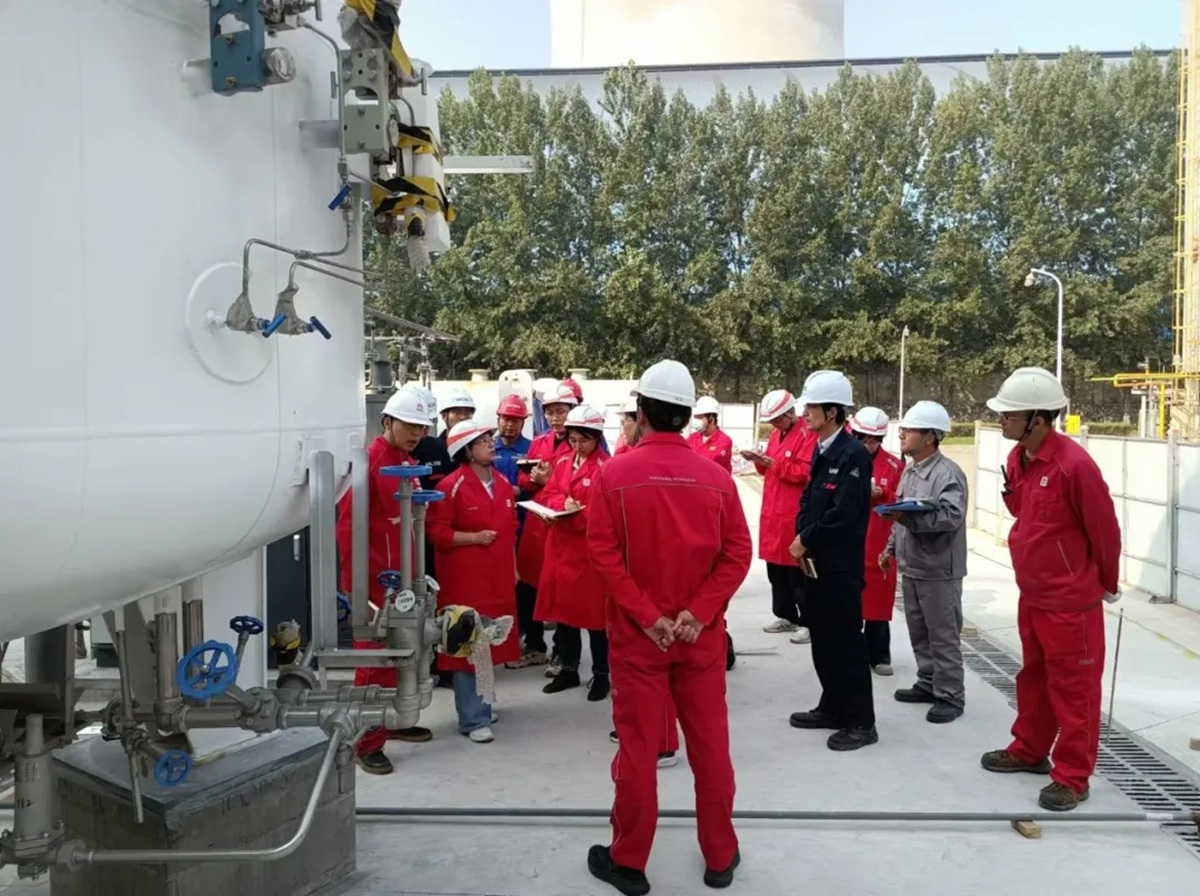
China Announces Unprecedented Technology That Extracts Ultra-Pure Helium From Low-Concentration Fields, Reducing Import Dependency and Strengthening Strategic Sectors.
China has taken an important step by announcing a device capable of producing ultra-pure helium from natural gas fields. The creation is by Vacree Technologies, a company from Yan’an specialized in cryogenic and vacuum technologies. The system can achieve a purity of 99.99997%, also called grade 6N9, a level rarely achieved globally.
This result means that there is only one impurity molecule in every million helium molecules. According to Science and Technology Daily, this is the first system in China that operates continuously and can produce up to 400,000 cubic meters of helium per year.
Importance of the Element
Helium has unique characteristics, such as low boiling point and chemical inertia. Therefore, it is essential in various fields. It keeps superconducting magnets at cryogenic temperatures in particle accelerators and also in magnetic resonance imaging devices.
-
With a cost per shot close to zero, the DragonFire laser could change naval warfare in 2027 and provide British ships with nearly unlimited defense against drones.

-
A British startup creates tires that generate electricity in electric vehicles when passing over potholes, speed bumps, and cracks.

-
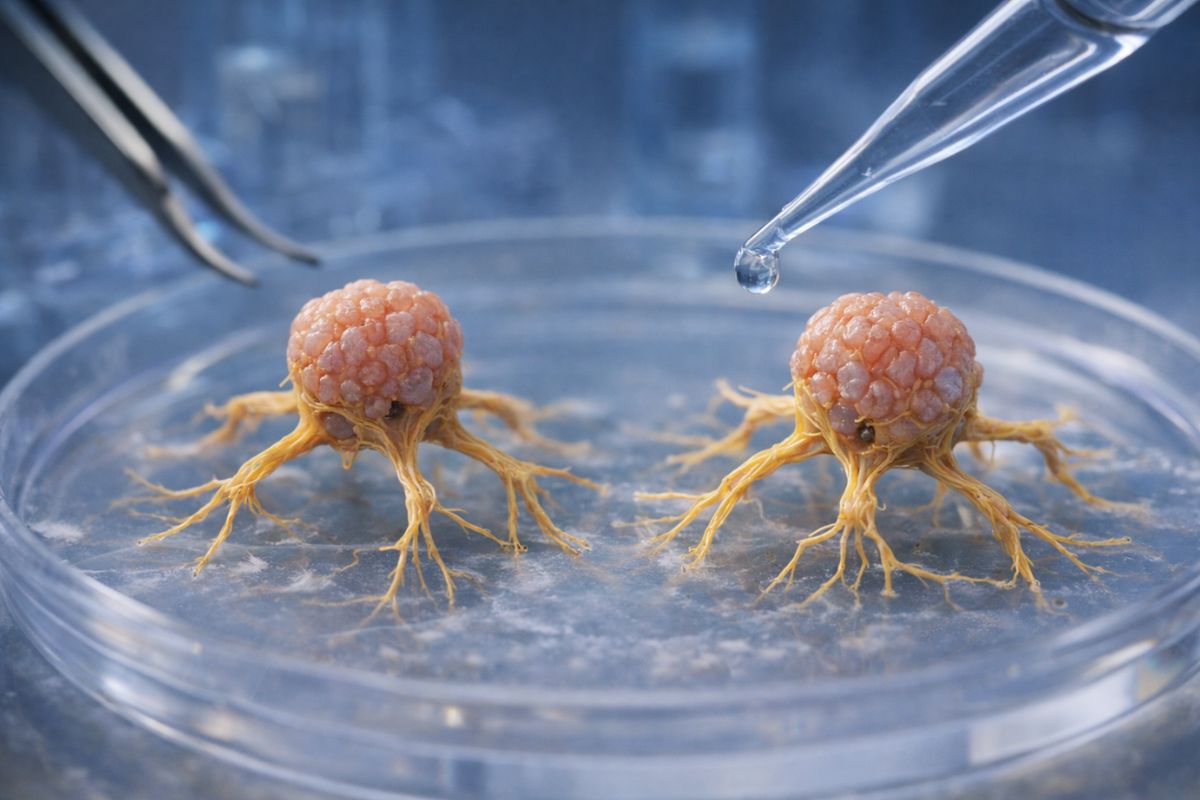
Scientists have created robots made with living cells that have their own nervous system, swim on their own, explore the environment, and self-organize without any genetic engineering, and now they want to do the same with human cells.
-
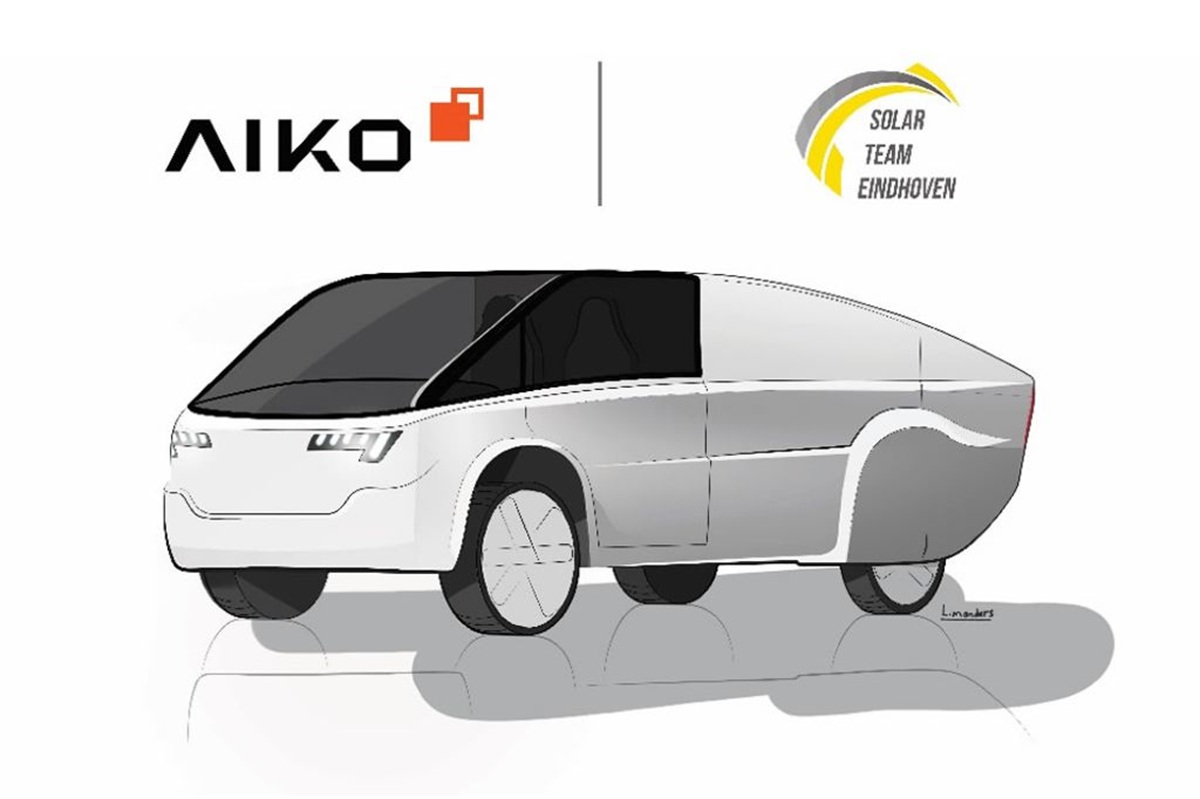
Students create a solar-powered ambulance that operates without a plug, without fuel, and still keeps medical equipment running in remote areas.

Additionally, it is involved in the manufacturing of semiconductors, in pressurization systems for space flights, and even in nuclear applications.
Producing the gas with such high purity has always been a challenge. Conventional methods do not reach the necessary level for more sensitive scientific and aerospace industries. Thus, the Chinese innovation represents a milestone for modern engineering.
How the Process Works
The development took six years and was led by scientist Rong Chengxu. The device combines different stages. Catalytic dehydrogenation removes hydrogen.
Then, membrane separation and pressure swing adsorption eliminate gases like nitrogen and methane. Next, refining at ultra-low temperatures removes neon.
This multilayer approach underwent third-party evaluations and was confirmed as world-class technology. The chief engineer of Vacree Technologies, Zhang Xuehua, emphasized that this advancement strengthens the security of China’s strategic resources.
Scarcity and External Dependency
Despite its wide utility, helium is a non-renewable resource. When released into the atmosphere, it escapes into space. Today, most of the supply comes as a byproduct of natural gas. The main global producers are the United States, Qatar, and Algeria.
In China, the situation is more complicated. The helium content in its natural gas fields ranges from 0.03% to 0.05%. In other countries, this rate can reach 7%.
Therefore, traditional methods do not guarantee adequate results. This reality has left the country dependent on expensive imports to keep strategic sectors operational.
Overcoming Limits
The new system managed to keep neon impurities below 0.3 parts per million. This allowed achieving the 6N9 purity grade, surpassing the international standard known as 6N, which already requires 99.9999%. This achievement reinforces China’s ability to address a scientific challenge that directly impacted its industry and national security.
Moreover, the advancement arrives at a time of increased global attention to helium. The scarcity in the international market has driven up prices and pressured industries that rely on the gas. Therefore, ensuring domestic production at unprecedented levels represents a strategy to mitigate future risks.
Strategic Resource for the Future
The role of helium has grown in recent years as it supports high-tech areas. The lack of the gas threatens scientific research, medical systems, and even space projects.
With the new technology, China demonstrates the capability to meet its own needs and reduce vulnerability to the external market.
A study by IDTechEx predicts that global helium demand is expected to double by 2035. This trend arises from the expansion of sectors such as semiconductors, aerospace, and health.
This indicates that countries capable of securing ultra-pure supply will have a strategic advantage in the global economy.
By developing a system capable of extracting near-perfect helium from fields with very low concentration, China shows how science and security can go hand in hand.
The technology emerges not only as an innovation but also as a response to a problem affecting industries worldwide.










Seja o primeiro a reagir!