





 Portuguese
  English
  Spanish
  3 min of reading


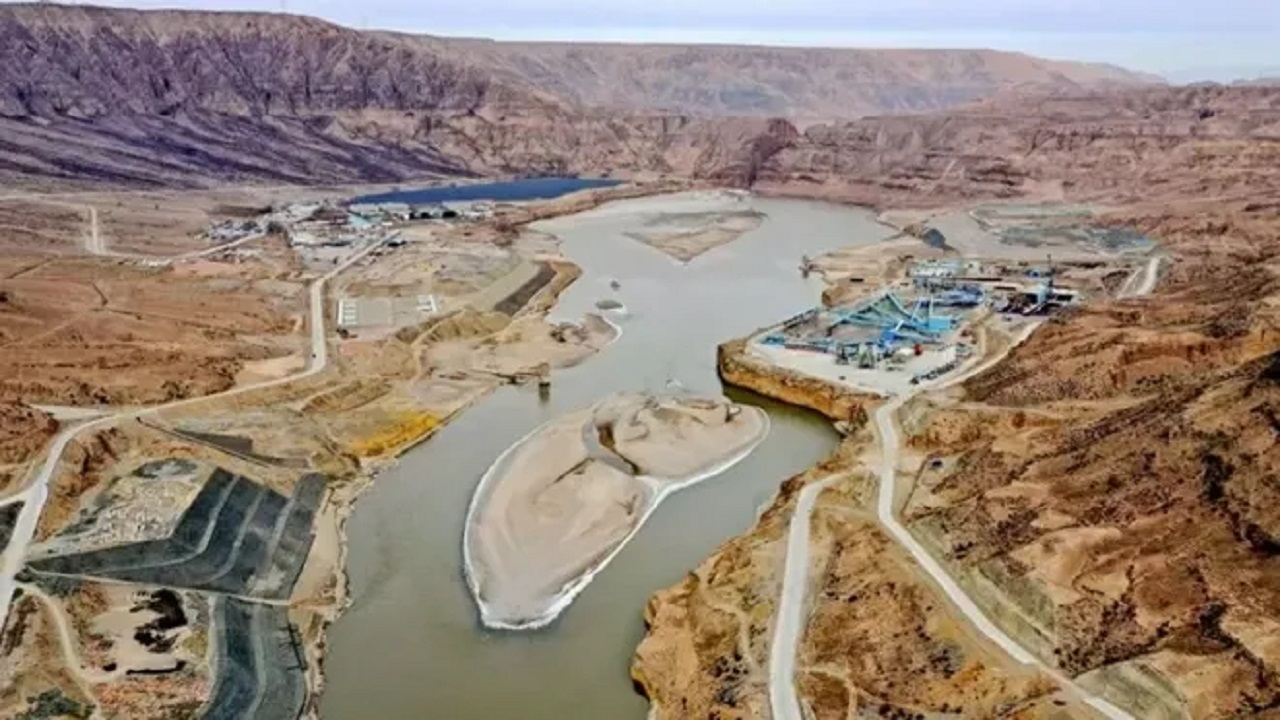
The Chinese Are Developing The First Hydroelectric Plant Using 3D Printers And Artificial Intelligence. The Plant Will Be Responsible For Supplying About 500 Billion kWh Per Year To China.
Chinese engineers are working on the construction of a dam 180 meters tall, using artificial intelligence (AI) and 3D printers. The mega structure is located in the Tibetan Plateau, in southwestern China, and will be part of a Yangqu hydroelectric plant, which is expected to start operating in 2025. Once completed, the plant is expected to provide about 5 billion kilowatt-hours of electricity for the population of China, becoming the first in the world to be entirely constructed without human labor involvement.
Hydroelectric Plant Uses Artificial Intelligence And 3D Printers
All the structure built by Chinese engineers will be erected layer by layer, using a process similar to conventional 3D printers. The difference is that to build the dam, unmanned trucks, pavers, tractors, excavators, and rollers will be used, all controlled by an artificial intelligence system.
In addition to helping eliminate errors and further speeding up the construction process of the hydroelectric plant, the AI and 3D printer system is designed to mitigate the number of accidents on the construction site in China. According to Chinese engineers, the system will be used to supervise the entire automated assembly line of the dam.
-
Israel, Greece, and Cyprus signed an agreement in 2020 to transport gas from the Mediterranean to Europe via a 1,872 km pipeline, but Turkey claimed sovereignty over part of the maritime route, and the project never materialized.

-
Historic bankruptcy of Centauro shocks the market, and the century-old company puts more than 500,000 products, machines, and complete infrastructure up for online auction.

-
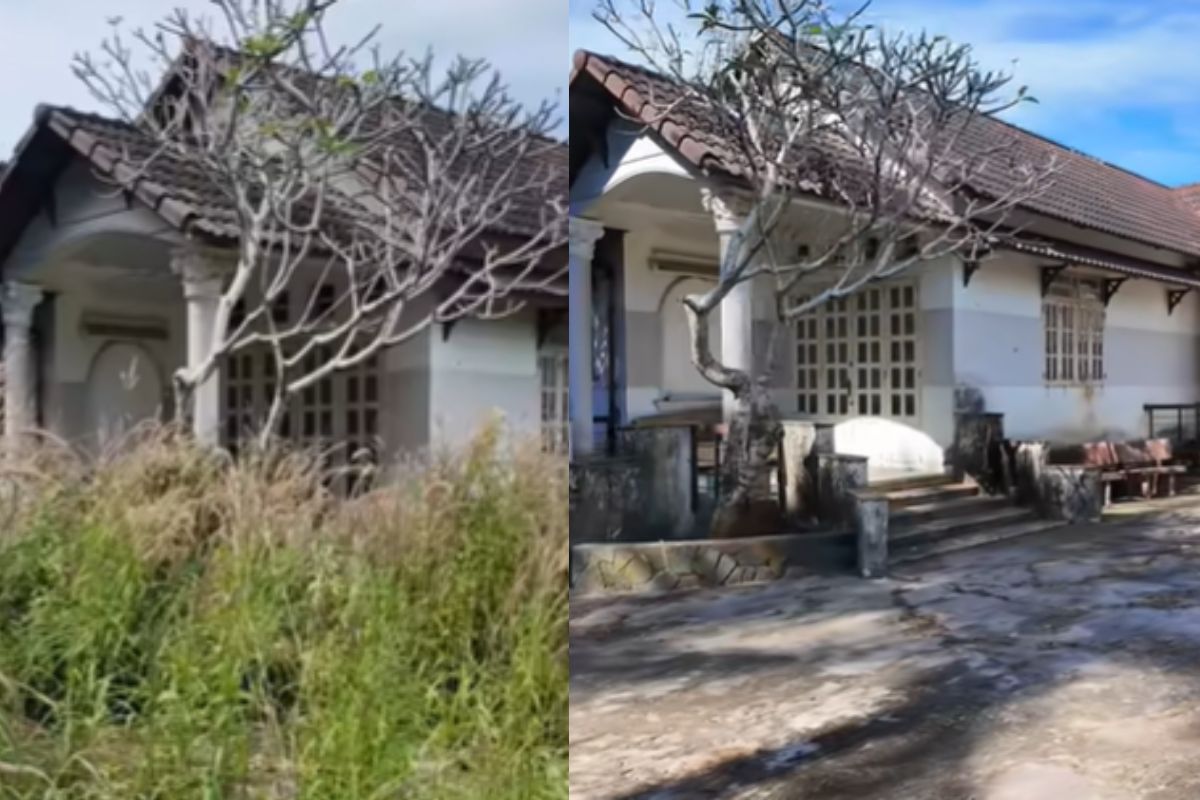
Abandoned house for 15 years disappears in the woods, shocks owner with unrecognizable scenery and is reborn in an intense transformation after almost 90 hours of work in just 10 days.
-
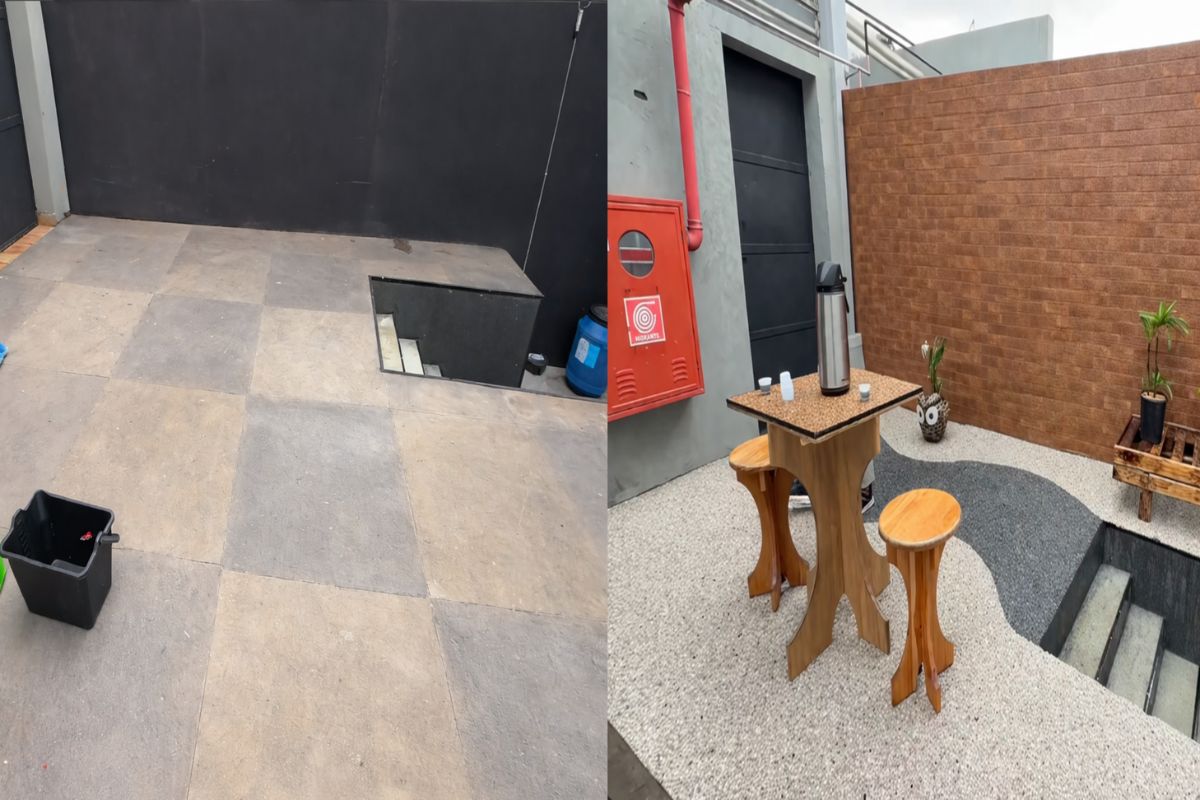
In just three hours, a natural stone floor transforms the entrance of the house with an organic effect, immediate drainage, and a sophisticated non-slip finish that doesn’t puddle water, dries quickly, and impresses with the final result.

The fleet of autonomous vehicles will be able to find the materials used in the work and transform them into layers of the dam wall. Soon after, automated rollers equipped with smart sensors will exert pressure on these layers, making them durable and resistant. Once completed, the Chinese expect the project to become the largest structure made by 3D printers and artificial intelligence in the world, taking the title that belongs to a two-story commercial building in Dubai, which is a little over six meters tall.
China’s Hydroelectric Plant Will Rely On Human Labor
Despite the unprecedented use of AI and 3D printers, not all construction of the hydroelectric plant in China will be done by machines. As it is an extremely complex task, the rock mining process will be conducted by Chinese workers.
For now, the non-human part of the construction is more related to the transportation of materials and the mitigation of operational errors, such as using an automated roller to keep it straight, or printing a monumental structure with millimeter precision while saving on materials.
According to Liu Tianyun, a professor of engineering and the lead author of the research, this innovative 3D printing technology, combined with the use of AI, can also be applied in various other infrastructure investments, such as the development of airports, roads, and stadiums.
Brazilian Companies Are Already Using Autonomous Vehicles
To get their workers out of the imminent risk of accidents, the mining company Vale already uses autonomous trucks that operate in the Carajás mine. The vehicles eliminate the need for human labor, do not require an operator in the cabin, and most importantly, contribute to reducing CO2 emissions.
The vehicles used in the largest open-pit mine can carry up to 240 tons and are being tested on the route between the mining face and the unloading area for iron ore.
According to the company, the trucks are controlled by computer systems, without the need for an operator in the cabin, and they have GPS, radar, and artificial intelligence. When detecting a risk, the vehicles stop operations until authorized. Vale invested about R$ 200 million in its autonomous truck program just in 2021.








Seja o primeiro a reagir!