Portuguese
  Spanish



International Energy Agency Warns About Global Oil Demand in the Coming Months and Its Consequences
This week, the first World Economic Forum takes place in Davos, Switzerland, with an audience present since 2020. Fatih Birol, Executive Director of the International Energy Agency, spoke about the major challenges in the oil market worldwide for the second half of the year. He highlighted the declining scenario of oil demand in China.
In an interview with CNBC, the agency’s Executive Director stated that he sees the current oil price as very high. He said that the current oil price poses a risk to economic recovery worldwide, especially in emerging countries. This is a significant risk, along with high food prices, which could lead us to a recession, he concluded.
Due to all the problems surrounding the Russian invasion, the price of Brent crude oil is currently around US$ 113.
-
With a record production of nearly 3 million barrels per day, Petrobras resumes importing diesel in July, highlighting the bottleneck in Brazilian refining.

-
Qantas and Airbus Invest in Company Aiming to Convert Unsorted Household Trash into Jet Fuel

-
Brazil’s ANP Opens 86 New Oil Blocks in the Equatorial Margin, Expanding the Amazon River Mouth Frontier

-
OPEC+ Boosts Oil Supply by 188,000 Barrels per Day in July 2026, Leading to Price Drop from $112 to $89 per Barrel in Under Two Months

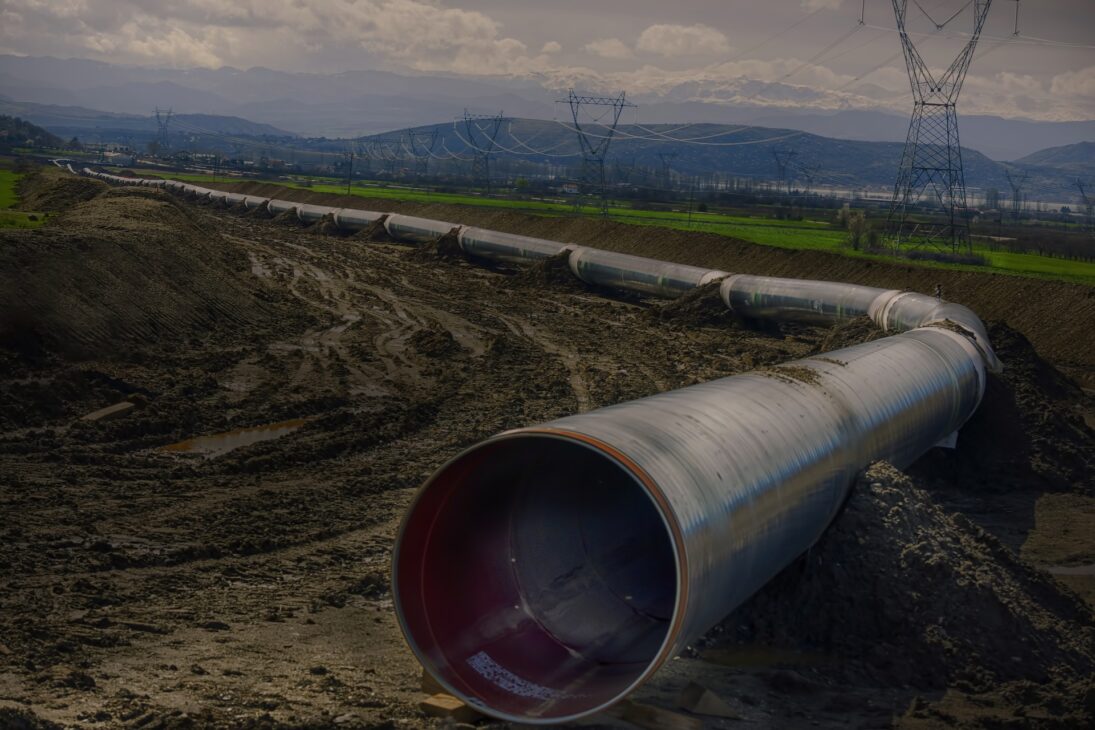
The International Energy Agency still expects that the increase in oil demand in Brazil, the United States, and Canada will be accompanied by an increase in production from the world’s major producers, mainly in the Middle East.
“I sincerely hope that the increase coming from the United States, Brazil, and Canada this year is accompanied by an increase from the major producers in the Middle East and elsewhere. Additionally, Chinese demand needs to remain very weak,” highlighted the agency’s director.
Oil Demand in China Plummets
In an effort to curb the spread of Covid-19, the Chinese government has reinstated strict social distancing measures. These actions have stopped the growth of cases in the country, but resulted in a sharp decline in oil demand.
It is believed that the demand for gasoline, diesel, and aviation fuel has dropped by 20% in April. This figure corresponds to a decrease of 1.2 million barrels of oil per day. Fatih Birol, director of the International Energy Agency, also warned that if China recovers its usual oil demand in the coming months, we will have a very difficult summer worldwide.
International Energy Agency Recommends Smart Investments in the Energy Sector
The oil market is one of the most affected by the tension between Ukraine and Russia. Birol urged countries to make the right investments in response to the fossil fuel shortages caused by this conflict.