





 Portuguese
  English
  Spanish
  2 min of reading
  0 comments


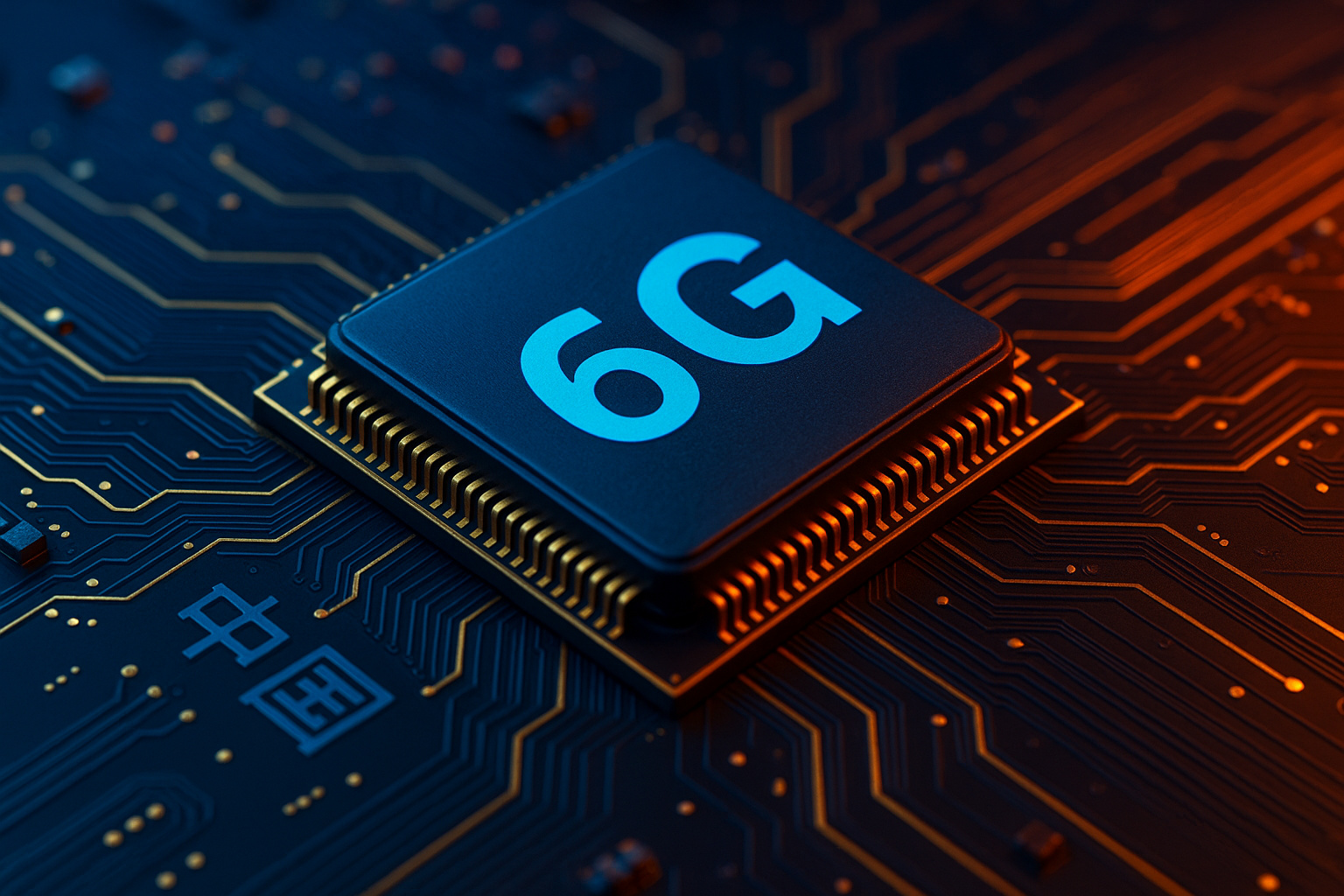
Technological Advancement Promises to Change Global Connectivity
Researchers from China and Hong Kong announced a prototype of a 6G chip with record speed. The innovation could transform mobile networks by 2030.
Chip Launch and Immediate Impact
Scientists from Peking University and The City University of Hong Kong unveiled the world’s first 6G chip on August 27, 2025.
The study, published in the journal Nature, highlighted that the new technology achieves 100 gigabits per second (Gbps), compared to 20 Gbps for 5G.
This performance is five times greater and showcases a leap in efficiency for mobile connections.
Experts stated that the chip marks a milestone for future mobile networks. The achievement reinforces China’s leadership in digital innovation.
Technical Features and Advantages of 6G
According to the developers, the chip offers ultra-low latency, essential for real-time applications.
Integration with artificial intelligence will enable continuous network optimization.
Additionally, the technology must operate across a wide range, between 0.5 GHz and 115 GHz.
The innovative process converts wireless signals into optical signals. These signals then pass through special oscillators, ensuring stability even at very high frequencies.
Thus, 6G is expected to exceed the limits of 5G and meet the growing global demand for connectivity.
-
With a cost per shot close to zero, the DragonFire laser could change naval warfare in 2027 and provide British ships with nearly unlimited defense against drones.

-
A British startup creates tires that generate electricity in electric vehicles when passing over potholes, speed bumps, and cracks.

-
Scientists have created robots made with living cells that have their own nervous system, swim on their own, explore the environment, and self-organize without any genetic engineering, and now they want to do the same with human cells.

-
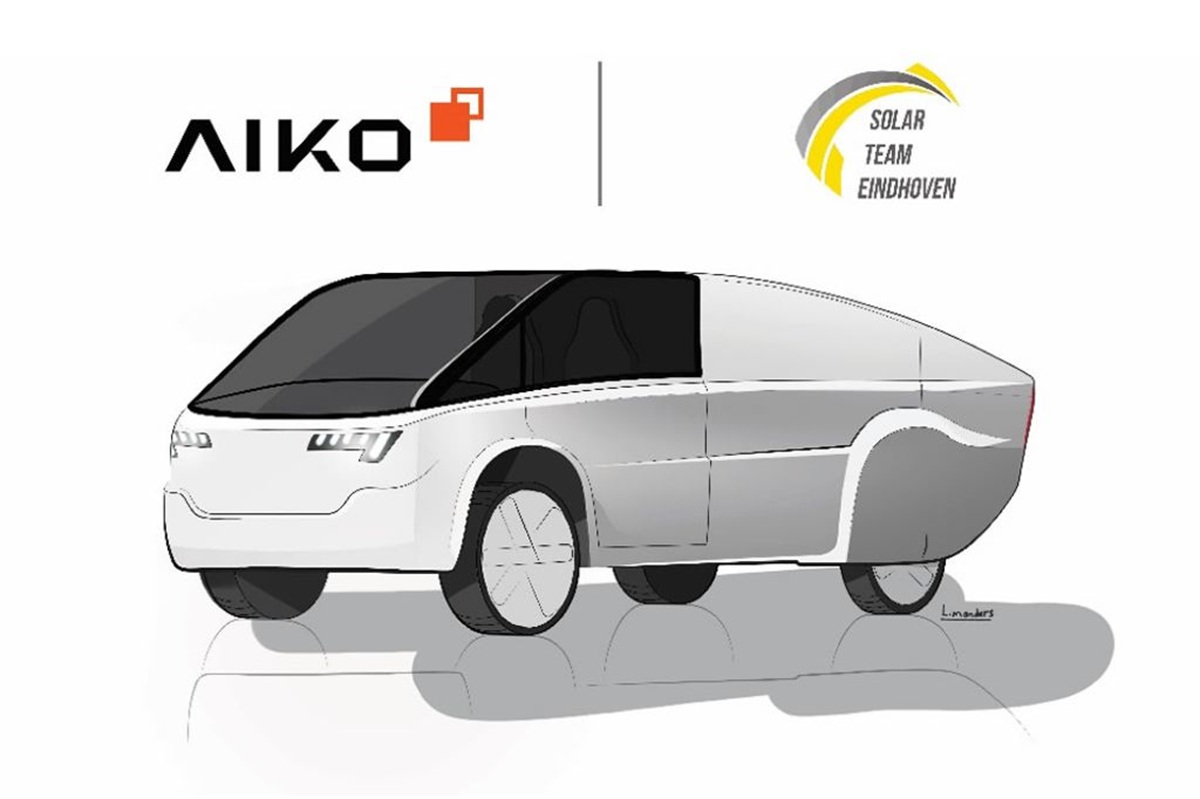
Students create a solar-powered ambulance that operates without a plug, without fuel, and still keeps medical equipment running in remote areas.

Prototype and Market Expectations
The developed chip is still an initial prototype. It measures just 11 mm by 1.7 mm, smaller than a human thumb.
However, researchers pointed out that, even at the experimental stage, the chip already shows robust performance. It can be enhanced for more complex uses.
Furthermore, the article emphasized that the project symbolizes a “significant step towards omni-scenario wireless networks”.
This advancement signals that 6G will play a central role in sectors like smart cities, autonomous vehicles, and the Internet of Things.
Availability and Future Timeline
Despite the exciting announcement, 6G still relies on compatible infrastructure and devices.
Therefore, the expectation is that the technology will only be available to the public by 2030.
Until then, it will be necessary to develop support systems, new global standards, and massive investments in equipment.
In this way, the hope is that countries leading the 6G race will secure a strategic advantage in the digital economy.
Thus, they could establish prominence in the global technological landscape.








Seja o primeiro a reagir!