





 Portuguese
  English
  Spanish
  4 min of reading
  3 comments


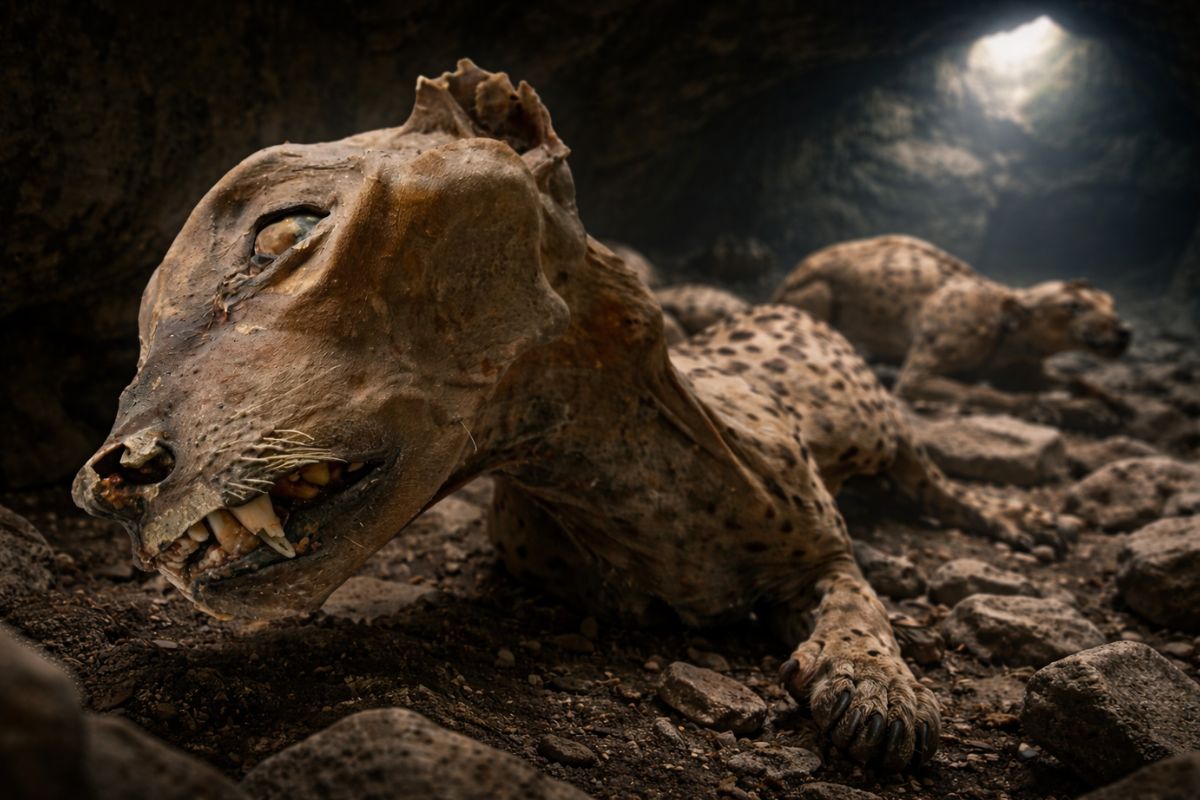


Discovery Of Mummified Cheetahs In Subterranean Tunnels Reveals That Generations Used Caves As Climatic Shelter, While Genetic Analysis Of The Preserved Remains Now Guides Plans To Restore Populations Of Disappeared Felines In The Arabian Peninsula.
The mummified cheetahs found in remote caves of Saudi Arabia have completely changed what was known about the history of these big felines in the region. The preserved bodies reveal that the subterranean tunnels functioned as a natural refuge for thousands of years, protecting entire generations from the extreme desert heat.
Besides the archaeological impact, the mummified cheetahs now offer a unique opportunity for science. The ancient DNA extracted from the preserved tissues may help guide reintroduction projects for the species in areas where it has been locally extinct, reigniting hopes for the conservation of felines in the Arabian Peninsula.
Amazing Discovery In The Desert Caves

The discovery occurred when researchers were exploring a vast network of isolated caves in Saudi Arabia in search of biodiversity such as bats and insects.
-
Discovery at USP reveals how Brazilian arnica can revolutionize the production of silver nanoparticles with less environmental impact.

-
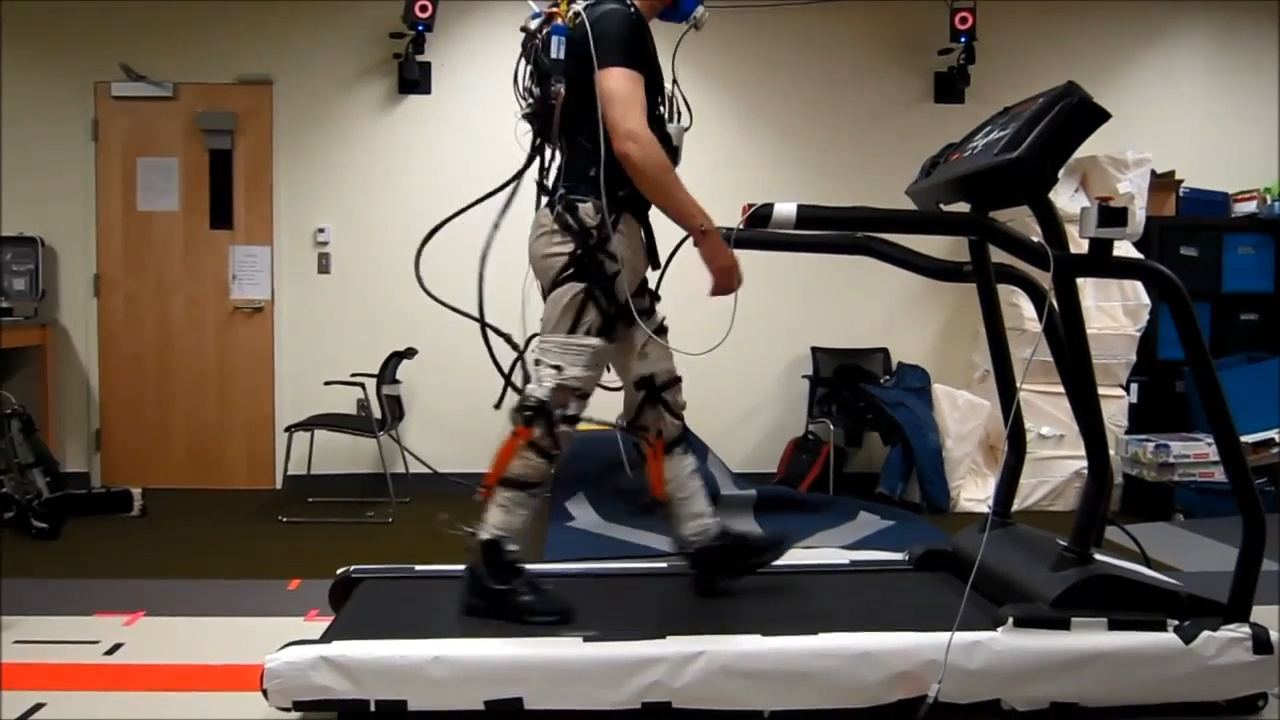
Harvard scientists have created a tissue exoskeleton that does not look like an exoskeleton, with no rigid parts and reduced weight, using flexible cables and miniaturized motors to assist the ankle and hip, reducing the effort of walking by up to 23% in controlled tests.
-
The Caspian Sea intrigues scientists as it is neither officially a sea nor a lake: the largest lake on the planet holds a hybrid crust, submerged cities, mud volcanoes, and billions of barrels of oil hidden at the bottom.

-
Why did the sky turn blood red in the west of Australia and it wasn’t sunset? Discover what is behind the change that took over the horizon for miles.


In one of the subterranean systems, which required descending a 15-meter-deep hole, the scientists came across seven mummified cheetahs in excellent condition.
The bodies were desiccated, with visible fangs and virtually intact body structures. The dry, dark, and stable environment of the caves created ideal conditions for natural mummification.
Some of these mummified cheetahs are about 130 years old, while others are nearly 2,000 years old.
In addition to the complete individuals, researchers also found remains of over 50 cheetahs scattered throughout the caves, with bones dated to be up to 4,000 years old.
This indicates that many generations of cheetahs regularly used these tunnels as shelter, transforming the site into a climatic refuge over the millennia.
Secret Refuge Against Extreme Heat

The caves offered milder temperatures compared to the external desert environment, creating a favorable microclimate.
Within these tunnels, scientists also identified fossilized feces and chewed bones of prey, clear evidence that the animals not only died there but lived and used the caves as an active habitat.
This behavior had never been documented before for cheetahs in the Arabian Peninsula. The discovery of the mummified cheetahs shows that these felines found a natural survival strategy in the face of the harsh desert conditions.
Ancient DNA Reveals Ties To Living Cheetahs

The preserved tissues allowed for the extraction of a complete genome from one of the mummified cheetahs, something very rare for ancient big felines.
The genetic analysis revealed that these cheetahs were closely related to Asian cheetahs and Northwest African cheetahs, two subspecies still existing today.
This data is crucial because cheetahs were locally extinct in the Arabian Peninsula in the 1970s. The genetic material now serves as a bridge between the past and potential conservation projects, helping scientists understand which lineage would be more suitable for reintroduction.
The Collapse Of Cheetahs In The Region
Cheetahs were once iconic animals in the Arabian Peninsula. They were offered as gifts to kings and dignitaries and even trained to hunt alongside humans.
Over time, however, they became hunted for sport, while their natural prey drastically declined.
This combination of factors led to population collapse. Today, cheetahs occupy only 9% of their historic distribution area and number around 7,000 individuals in the world.
The mummified cheetahs show that, before local extinction, these felines still found safe shelter in the caves of the desert.
Reintroduction May Follow African Path
For a long time, it was believed that only the Asian cheetah inhabited Saudi Arabia. However, there are fewer than 30 individuals of this subspecies remaining in the wild, all in Iran, making it unfeasible to use it for repopulation.
The Northwest African cheetah, while also critically endangered, has about 400 individuals, some in captive breeding programs. The genetic proximity to the ancient cheetahs of the region opens up the possibility of using this lineage in future reintroduction projects.
Preparation Of The Environment For The Return
The Saudi government has already begun measures to enable the return of cheetahs. Among them are the reintroduction of natural prey such as oryx and antelopes, as well as the creation of protected areas.
These efforts increase the chances that the felines will be able to establish themselves once again.
It is still unknown if cheetahs from other subspecies will be able to fully adapt to the conditions of the Saudi desert.
However, the same caves that housed the mummified cheetahs for thousands of years may once again serve as a thermal refuge for future populations.
The possibility of seeing these big felines running again across the landscapes of the Arabian Peninsula now depends on science, conservation, and long-term decisions.
Will cheetahs really be able to live free again where their ancestors hid for millennia?








They went extinct in the 1970’s but some of the mummified cheetahs died less than two years ago?
Good Job
The maths ain’t mathing. How can there be 7 individuals worldwide but just under 200 individuals in Iran?