





 Portuguese
  English
  Spanish
  3 min of reading
  0 comments


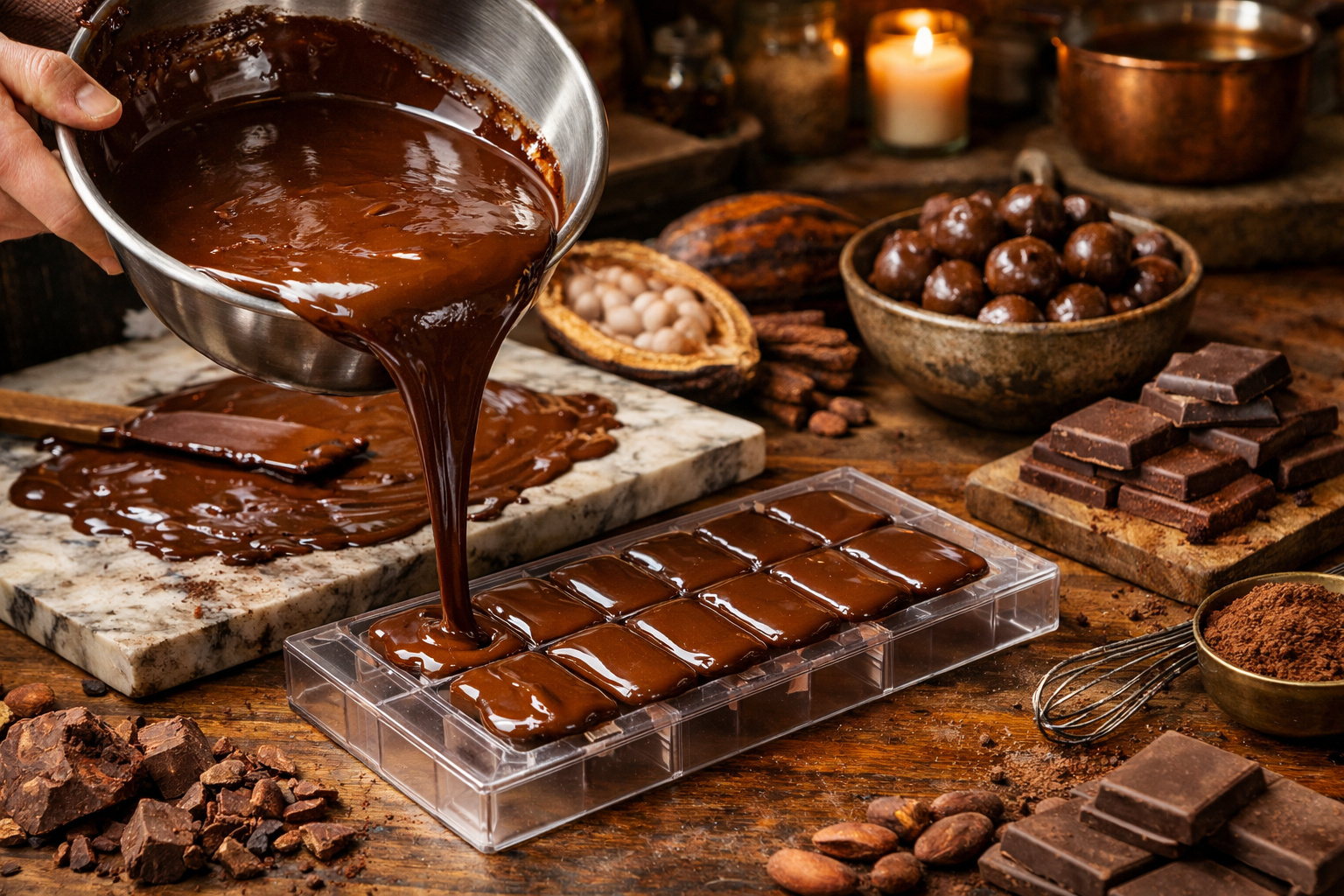
Chocolate prices rise far beyond official inflation, reflects global cocoa crisis and forces industry to change formulas as consumers adapt habits for Easter
Easter 2026 arrives more expensive for Brazilian consumers, and the main symbol of the holiday is already starting to weigh on the wallet. The price of chocolate has recorded an increase of almost 15% compared to last year, a rise well above the official inflation, which is around 3.8% over the 12 months up to February.
This information was released by industry surveys and market analyses that track the behavior of food prices in Brazil and around the world.
This significant difference highlights a scenario of financial pressure on one of the most traditional products of Easter. Moreover, the movement reinforces the perception that chocolate is becoming an increasingly less accessible item for part of the population.
-
The Federal Revenue issues a good alert for Brazilian taxpayers: 60.9% are already using the pre-filled tax return, automatic refunds via Pix reach millions, and the government plans for a fully automated income tax in the coming years.

-
India announces a plan of $3.06 billion to bring aviation to forgotten regions: 100 new airports, $1.07 billion in subsidies, and regional routes guaranteed for 10 years, from 2026 to 2036, away from the centers.

-
Brazil blocked a proposal from the United States at the WTO that would make the exemption from tariffs on digital products like streaming and ebooks permanent, favoring American tech giants at the expense of developing countries.

-
IPTU exemption for seniors in 2026: see how to secure the benefit.


Cocoa crisis drives price increases and pressures prices in Brazil
Firstly, the main factor behind this surge is the global cocoa crisis. Climate and structural problems in producing countries in Africa have reduced the supply of the input, raising international prices in recent years.
Even with a slight recent accommodation, cocoa is still operating at high levels. As a consequence, the industry is working with stocks acquired at higher prices, which maintains the pass-through to the final consumer.
In Brazil, the impact is even more pronounced in the accumulated figures. Chocolate has recorded an increase of nearly 25% over the last 12 months, intensifying the pressure on consumption.
Thus, the scenario makes it clear that the increase is not isolated but the result of an affected global chain.
Industry changes formulas and consumers notice the difference
In this context, manufacturers have begun to adopt strategies to contain costs. One of the main changes has been the revision of product formulas.
Many companies have reduced the use of cocoa butter and have started using alternative fats. Although this practice helps balance costs, it generates noticeable changes in the final product.
Consequently, consumers are already reporting changes in the taste and texture of chocolates. Experts say that these substitutions can directly impact sensory characteristics, raising discussions about quality and transparency in labeling.
Additionally, other factors continue to pressure prices, such as:
- Energy
- Logistics
- Packaging
These accumulated costs become even more relevant during high-demand periods, such as Easter.
Consumption changes, but sales continue to grow
Even with high prices, Easter remains a strategic period for the sector. In some stores, the date represents up to 40% of annual revenue, demonstrating the strength of tradition.
Moreover, chocolate sales are expected to grow between 10% and 15% in 2026, indicating that consumption still resists, even in the face of rising prices.
On the other hand, consumer behavior is changing. With tighter budgets, many Brazilians are opting for:
- Smaller products
- Chocolate bars
- Promotional items
Meanwhile, there is also a growing demand for artisanal chocolates, which often offer better cost-benefit compared to industrialized products.
Have you noticed a difference in the price or even in the taste of the chocolate you usually buy for Easter?







Seja o primeiro a reagir!