





 Portuguese
  English
  Spanish
 3 min of reading
  0 comments


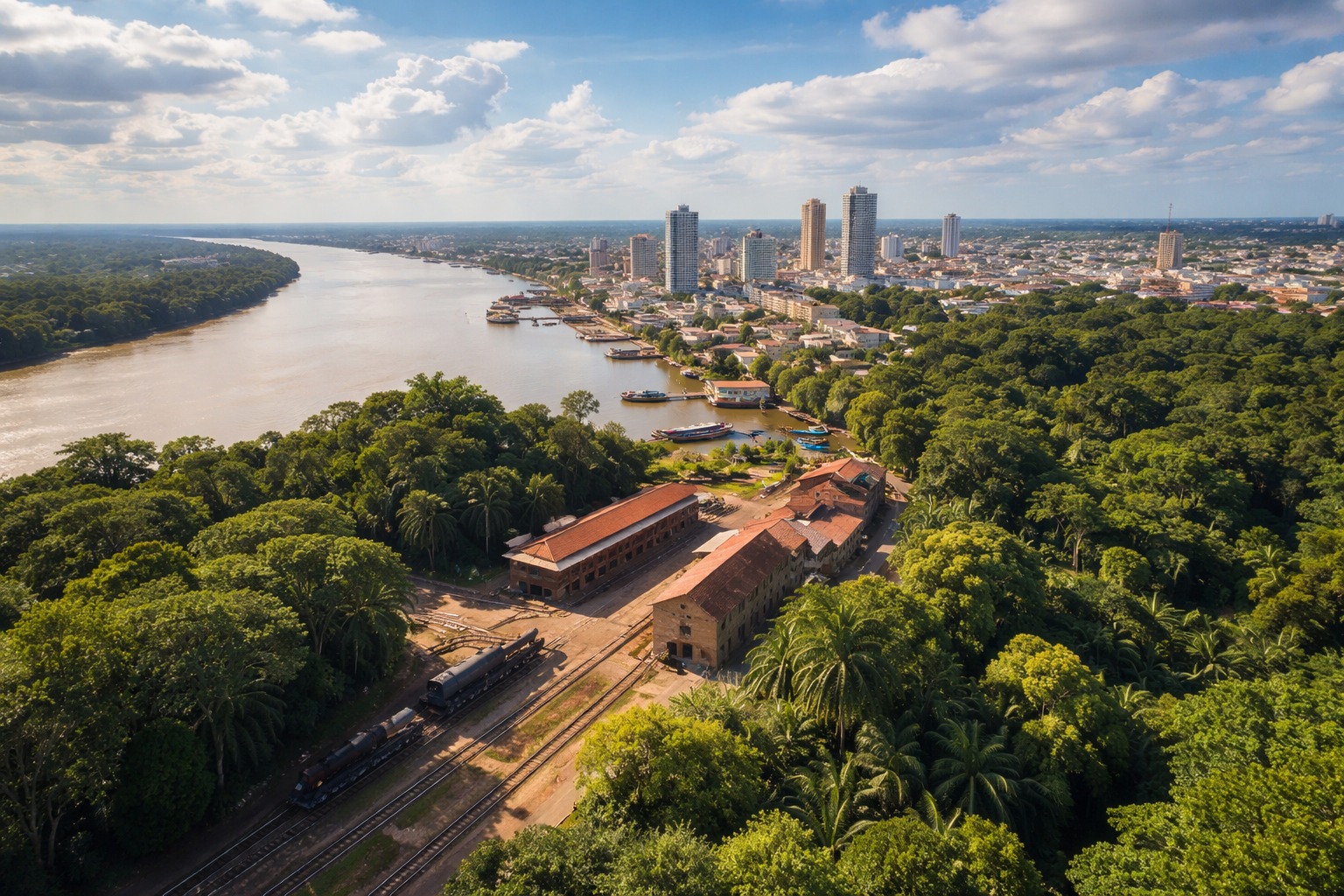
Porto Velho Increases Visitor Flow in 2026 by Combining Heritage of the Madeira-Mamoré Railway, Trails in the Amazon Rainforest, and Cultural Events Like the Circuito das Artes and Mercado Cultural
Porto Velho, capital of Rondônia, maintains in 2026 the expansion of tourism in the Amazon, driven by the combination of historical heritage related to the Madeira-Mamoré Railway, nature activities in the forest, and cultural events that increase visitor interest.
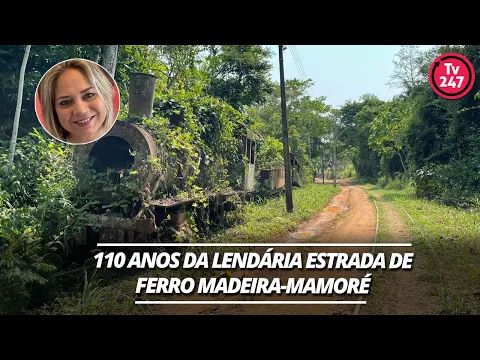

History Linked to the Madeira-Mamoré Railway
The history of Porto Velho is directly associated with the construction of the Madeira-Mamoré Railway, which began in the early 20th century.
The railway was crucial for local economic development, attracting workers and stimulating the urban formation of the city.
-
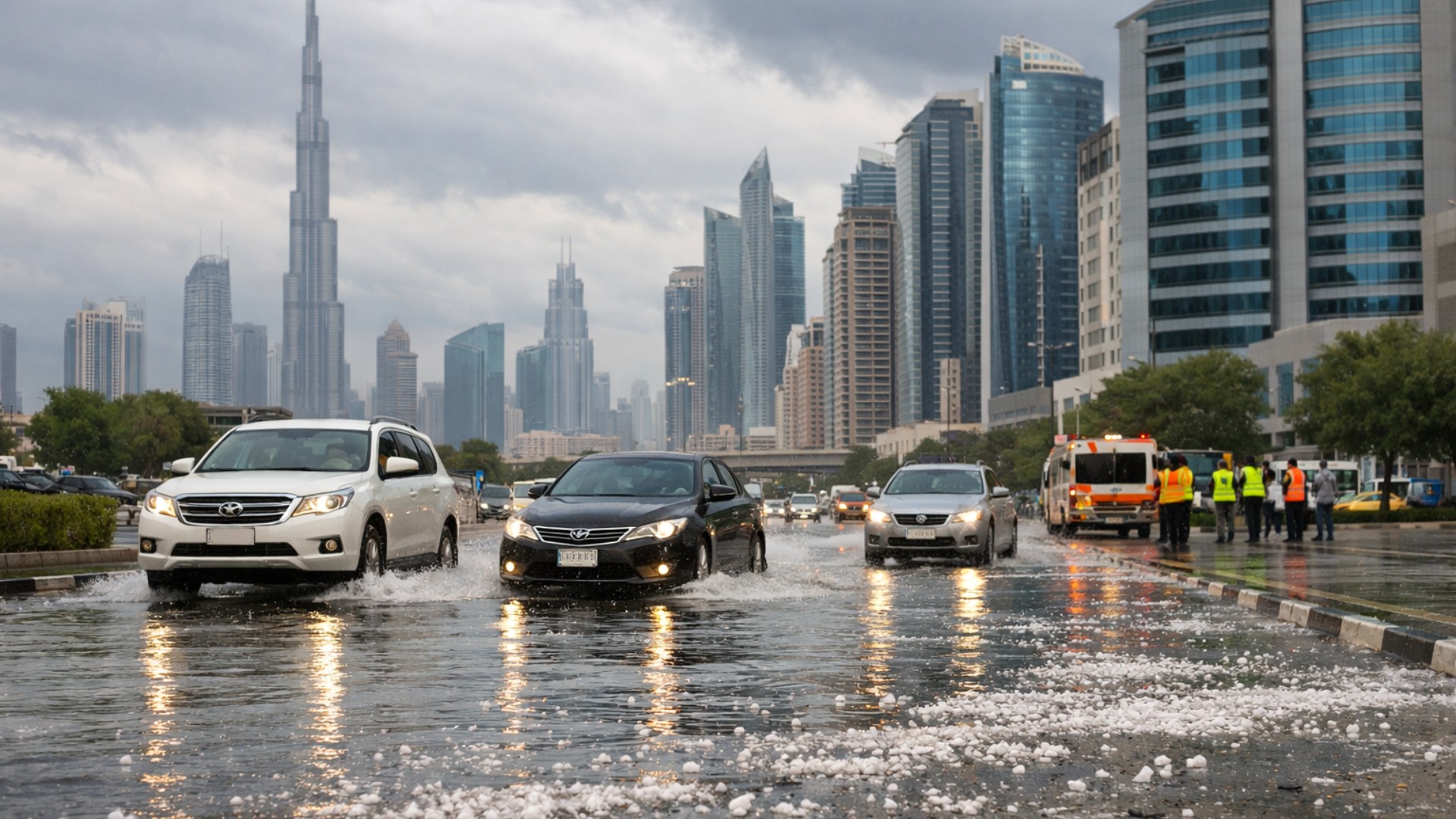
A rare storm transformed part of the Gulf into an unlikely scene of hail, extreme rain, and tornado risk in the middle of the desert, with volumes that exceeded the annual average in a single day.
-
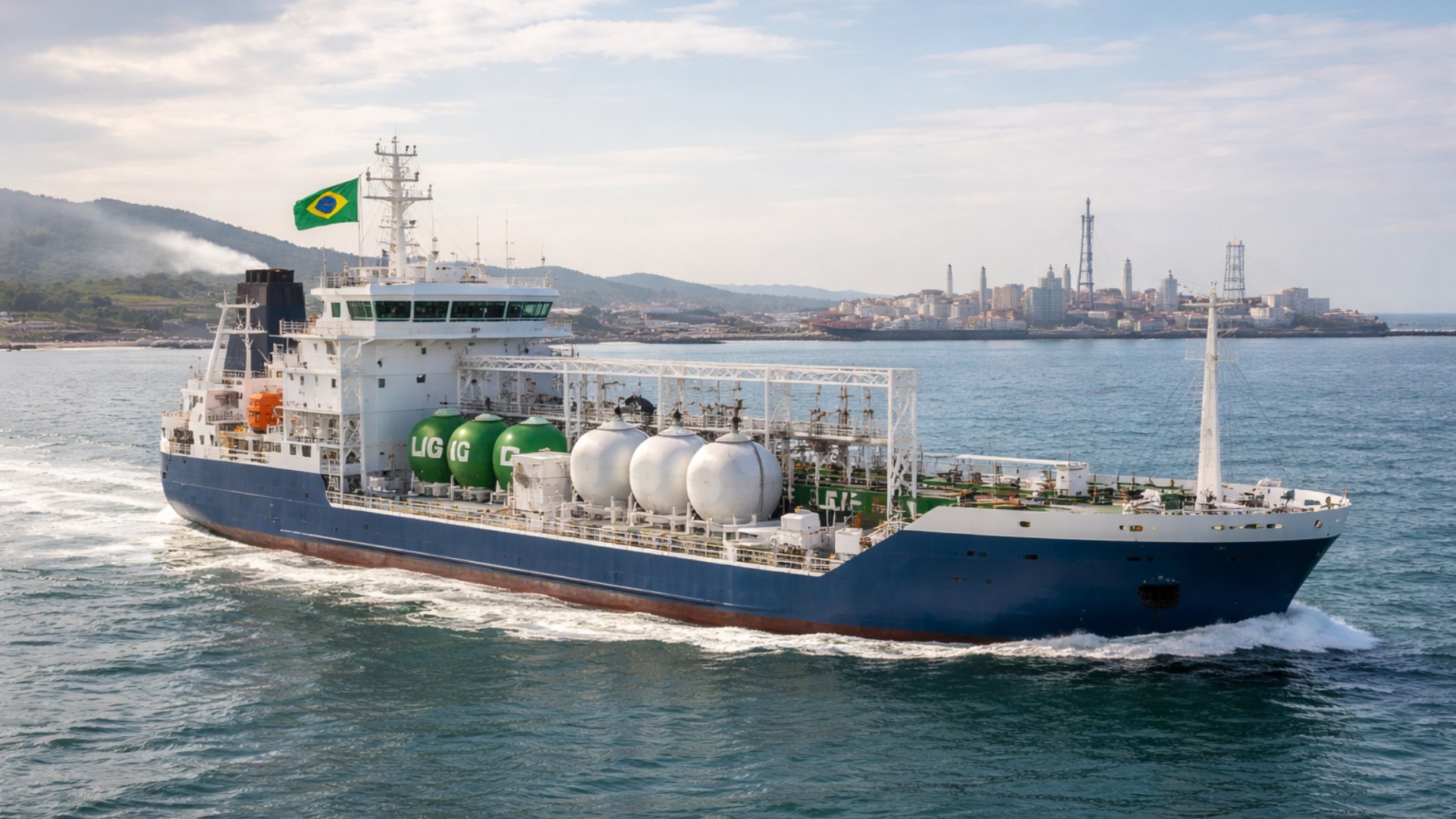
Brazil catches the world’s attention with ships powered by ethanol and biodiesel that have lower emissions, an unprecedented certification with advantages in chartering, and a revolution in cabotage.
-
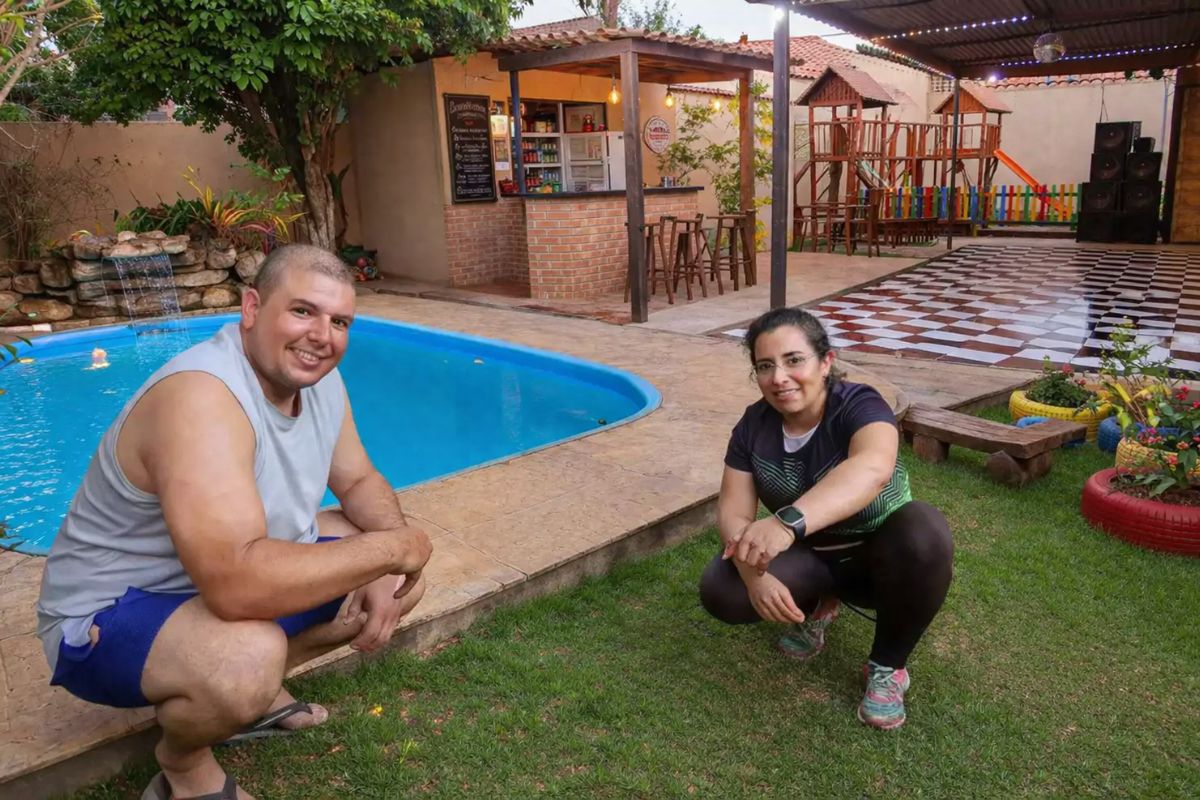
A couple who only has Sundays free has built a hand-dug pool, a hamburger joint, a dance hall, and a playground in their own home without hiring a mason, and even with breaks due to accidents and the pandemic, the work has never truly stopped.
-
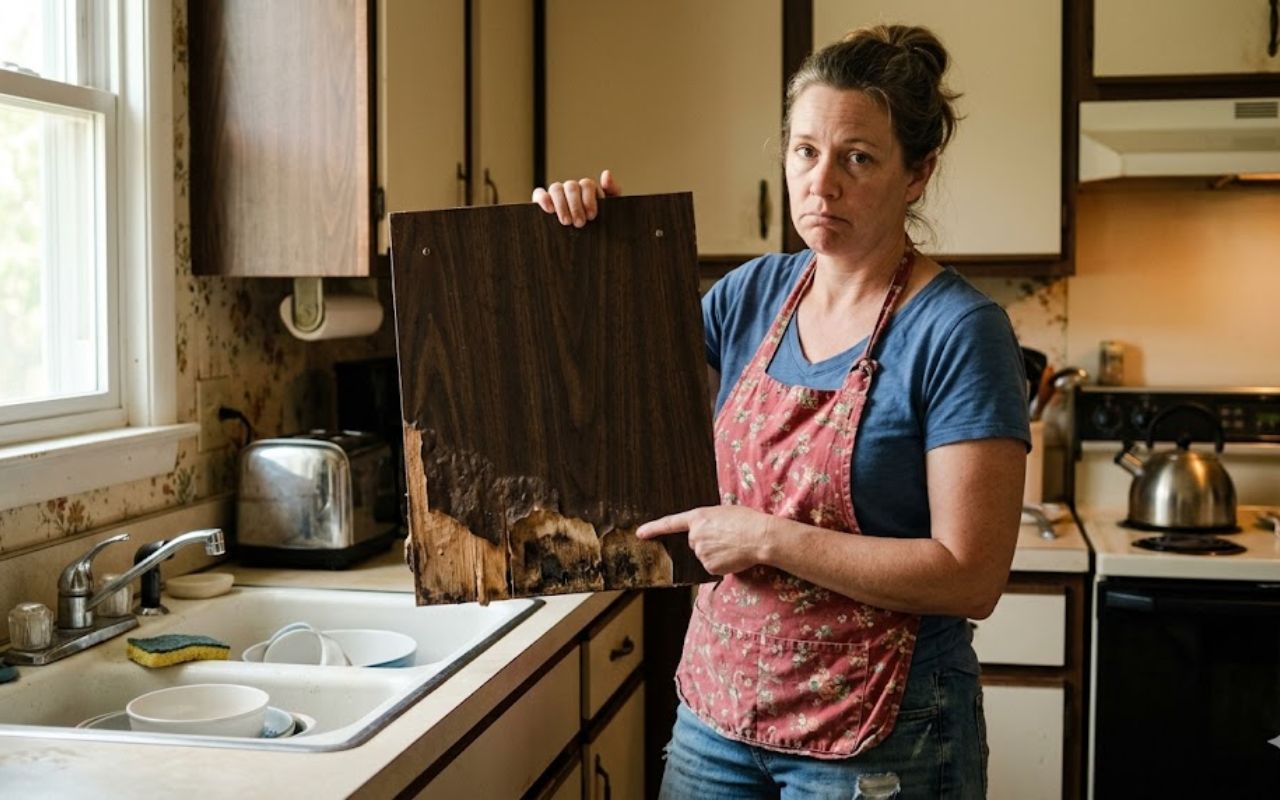
Furniture made with aluminum and glass does not warp and has become an alternative to replace MDF in Brazil.
This historical process remains visible at different points in the municipality. Preserved structures and monuments related to the railway keep alive the memory of the phase that marked the formation of the capital of Rondônia.
Among the visited sites are the Clock Building and the Madeira-Mamoré Railway Complex, which serve as references for those seeking to understand the origins of the municipality.
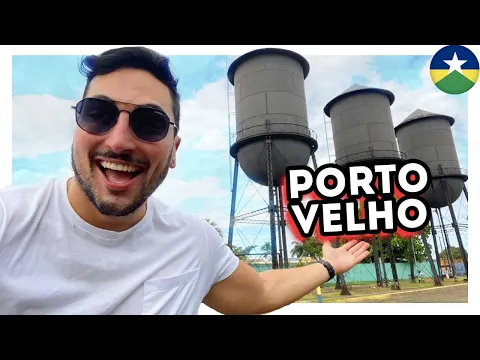
Historical Heritage Boosts Tourism in the Amazon
Another place considered important for visitors is the Madeira-Mamoré Railway Museum. This location gathers historical records that help explain the role of the railway in the city’s growth and the formation of regional identity.
The museum preserves documents and elements related to the railway’s construction period. The collection highlights aspects of resilience and development that shaped Porto Velho over time.
These historical elements have become part of the structure supporting the advancement of tourism in the Amazon in the region.
Amazon Rainforest Expands Adventure Options
In addition to its historical heritage, Porto Velho also stands out for experiences linked to the natural environment. The city is surrounded by the Amazon rainforest, which broadens the possibilities for outdoor activities.
One of the most sought-after locations is the Porto Velho Natural Park. The area allows visitors to explore trails and observe species of fauna and flora present in the region.
Boat trips on the Madeira River are also part of the available activities, enhancing direct contact with the Amazon landscape and strengthening tourism in the Amazon.
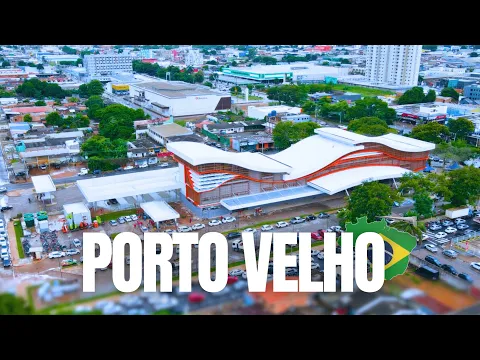
Cultural Events Strengthen the City’s Identity
The cultural agenda of the municipality also contributes to attracting visitors. The Mercado Cultural serves as a space where coexistence and cultural manifestations meet.
Local festivals, such as the Circuito das Artes, feature performances and activities related to regional art and gastronomy. These events reinforce the cultural diversity present in the city.
Another sought-after route is the Historical Cultural Route, which includes a visit to the Ivan Marrocos Cultural House.
This tour complements the experience of those visiting the city and seeking to learn about different aspects of tourism in the Amazon, which continues to consolidate in Porto Velho.
With information from Diário do Comércio.




-

Uma pessoa reagiu a isso.