





 Portuguese
  English
  Spanish
 3 min of reading
  4 comments


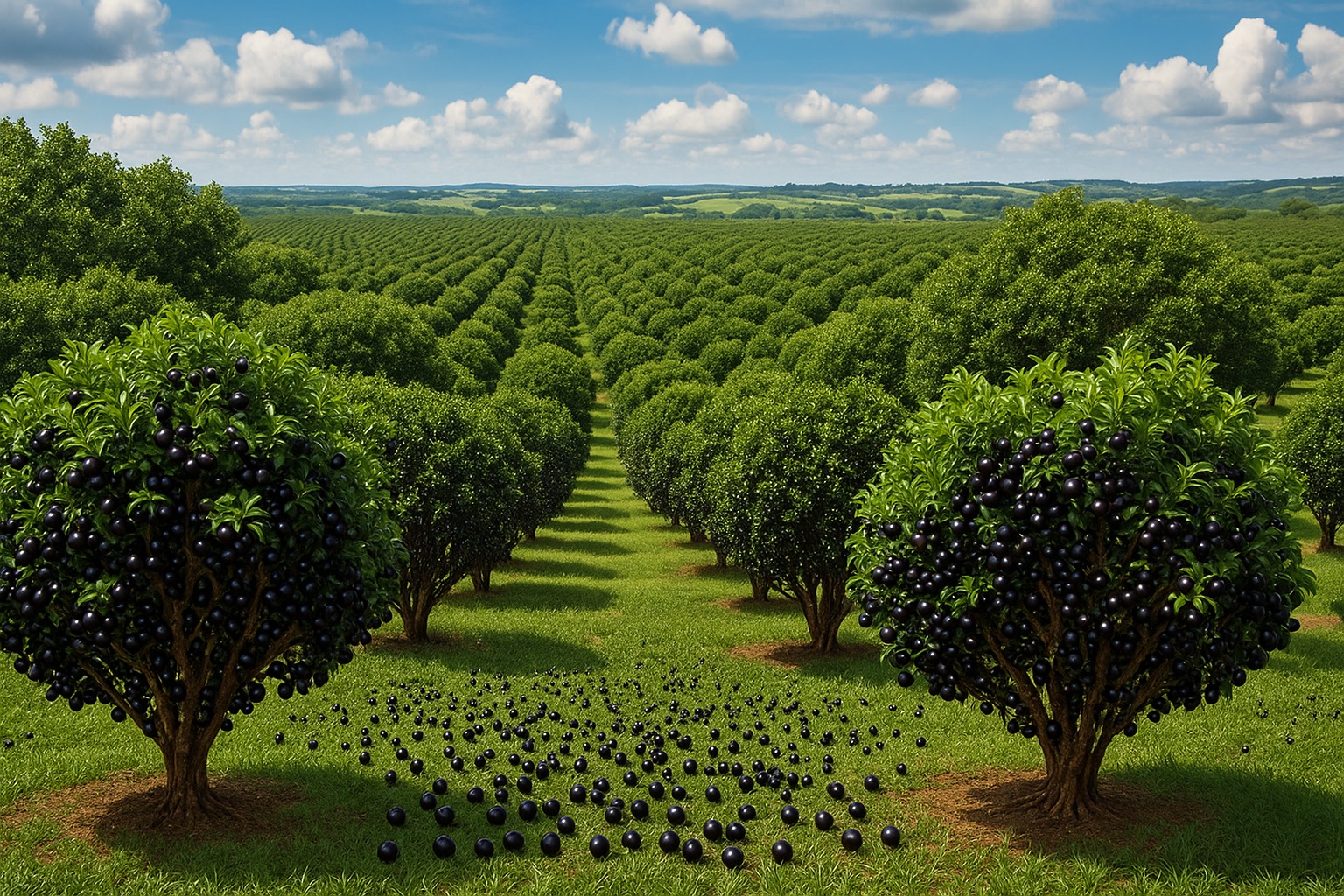


The Goian Town Stands Out for Its Extensive Production of Jabuticaba, Combining Agro-Industry, Rural Tourism, and Family Tradition to Generate Income, Attract Visitors, and Boost Regional Development During the Annual Harvest of the Fruit That Moves Hidrolândia
Hidrolândia, in the metropolitan region of Goiânia, has gained national recognition because it concentrates a huge number of jabuticaba orchards. The town stands out for the impressive volume of productive trees spread across properties like Fazenda Jabuticabal, where there are tens of thousands of active plants.
The local culture does not depend only on the fresh fruit. On the contrary, the community has found new ways to transform the harvest.
Diversification That Boosts Income
Products such as jams, liqueurs, sweets, and even artisanal wines have become an essential part of the local economy.
-
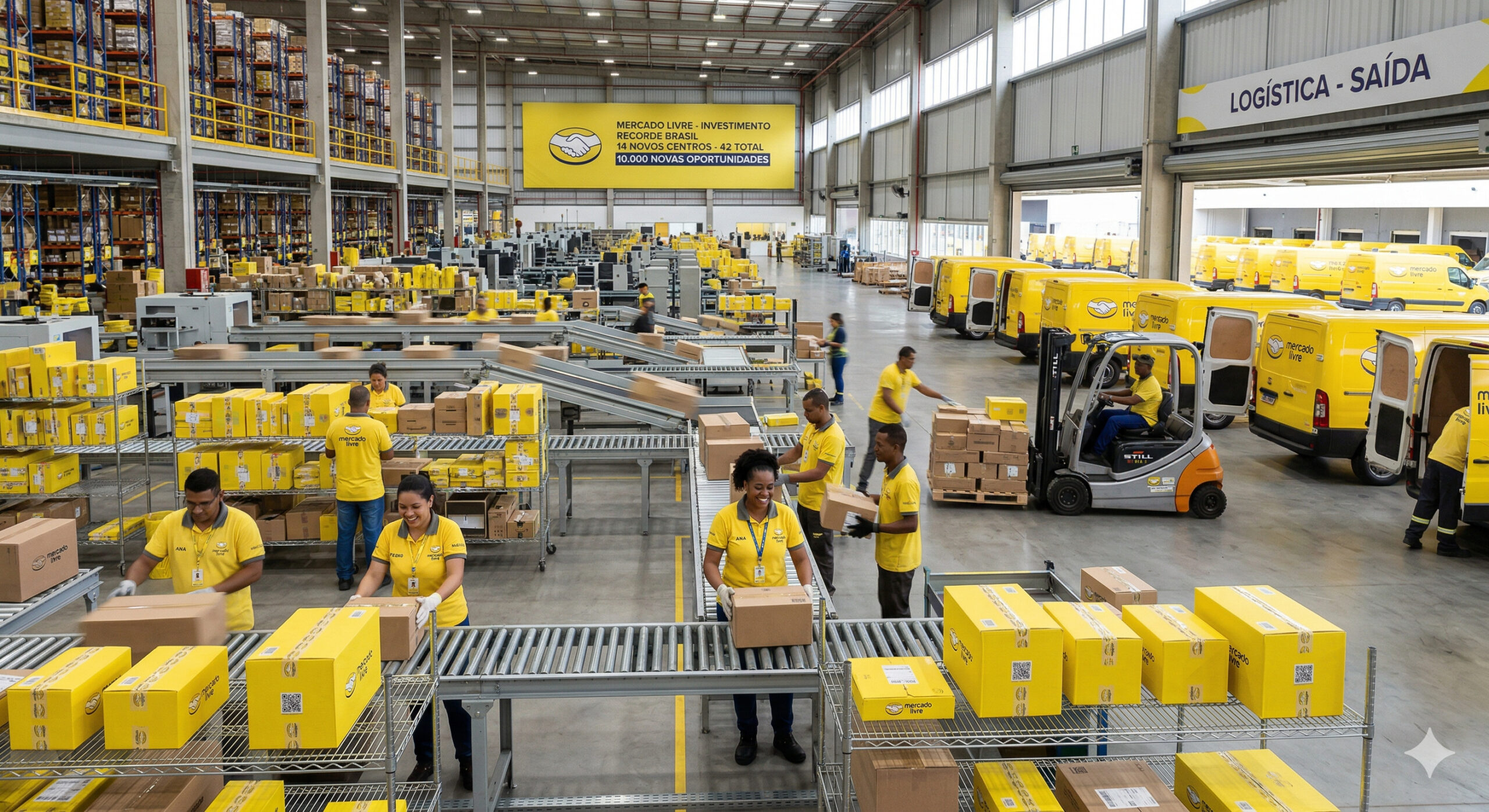
Mercado Livre “opens the vault” and announces a record investment of R$ 57 billion in Brazil in 2026, a value 50% higher than the previous year, with an expansion plan that includes 14 new logistics centers, totaling 42 units in the country and hiring an additional 10,000 employees.
-
How investment in technology can revolutionize the national economy and enhance industrial gains, according to a study that highlights the direct impact on productivity, innovation, and wealth retention within Brazil.

-
The largest food company on the planet, JBS, has just opened a 4,000 square meter laboratory in Florianópolis to develop customized proteins that modulate muscle mass gain, immune response, and metabolic performance.

-
After nearly 30 bids and competition among industry giants, a Spanish company purchases one of the largest airports in Brazil for almost R$ 3 billion and takes over the management of Galeão in a concession that will last until 2039.


This happens because the region has harnessed the fruit’s potential and created a varied production chain, opening up space for tourism and strengthening agribusiness.
These initiatives move the town. And they help small producers.

Data That Reinforces Importance
Official information shows that Emater Goiás has registered over 120 producers’ orchards and backyards in the municipality.
The survey indicates a vast planting area, with numbers reaching tens of thousands of plants and an annual production of thousands of tons.
Additionally, there is a considerable volume of industrialized items, including bottles of wine and liqueur produced every year.
The union between family farming and agro-industry has brought jobs, income, and strong tourist movement during the jabuticaba season, usually between September and October.
This flow has created a solid and continuous economic cycle. The demand grows with each harvest.
The Strength of Fazenda Jabuticabal
The best-known example is Fazenda Jabuticabal. There, the owners have transformed the orchard into an organized tourist attraction, with visitation, a store, and a harvest experience. Therefore, the economic impact is direct in the municipality.
The number of visitors reaches tens of thousands during the period.


Recognition and New Challenges
Experts in rural tourism state that Hidrolândia has become a reference because it brings together tradition, innovation, and tourism promotion.
The town shows that a regional product can generate added value and strengthen the entire production chain.
For visitors, there are tastings, themed tours, and cultural events. For producers, the challenge is to expand certifications and logistics without losing the authenticity that took Hidrolândia’s name beyond Goiás.
History of Fazenda Jabuticabal
In 1947, mason and market vendor Antônio Batista da Silva planted about 7,000 jabuticaba trees in the Nova Fátima district of Hidrolândia (GO).
Today, Fazenda Jabuticabal boasts 42,000 trees across 172 hectares, being considered the largest jabuticaba orchard in the world.
Economic Impact of Jabuticaba from the Region in Brazil
The production of jabuticaba in Hidrolândia generates over 6,000 tons per year across about 250 hectares, according to recent estimates.
The fruit feeds family income, agro-industry, and rural tourism as visitors participate in the harvest and buy wines, liqueurs, sweets, and artisanal jams.
This activity strengthens the local economy and contributes to agricultural diversification in the country. The effect is not limited to the municipality, as the production chain mobilizes logistics, commercialization, and the appreciation of regional products.
The Emater Goiás survey indicates over 120 registered orchards and backyards in Hidrolândia, which highlights that the municipality concentrates 98.5% of the state’s fruit production.
Furthermore, recent harvests have shown production of about 20,000 bottles of jabuticaba wines and liqueurs per year, increasing the added value of the cultivation.
The combination of family farming, agro-industry, and tourism creates a virtuous cycle that serves as a national model.
However, Brazil still faces logistical and certification challenges to extend sales periods and export potential of this highly perishable fruit.
With information from Portal6.







Pena Que o Telefone da Fazenda Jaboticabal Não Atende de FORMA ALGUMA!!!
A jaboticaba é um dos melhores frutos do mundo .
A Geração de renda com certeza foi decorrente da inteligência de quem investiu corretamente.
Em relação à fotografia: nunca vi jabuticabas tão grandes.