





 Portuguese
  English
  Spanish
 5 min of reading
  0 comments


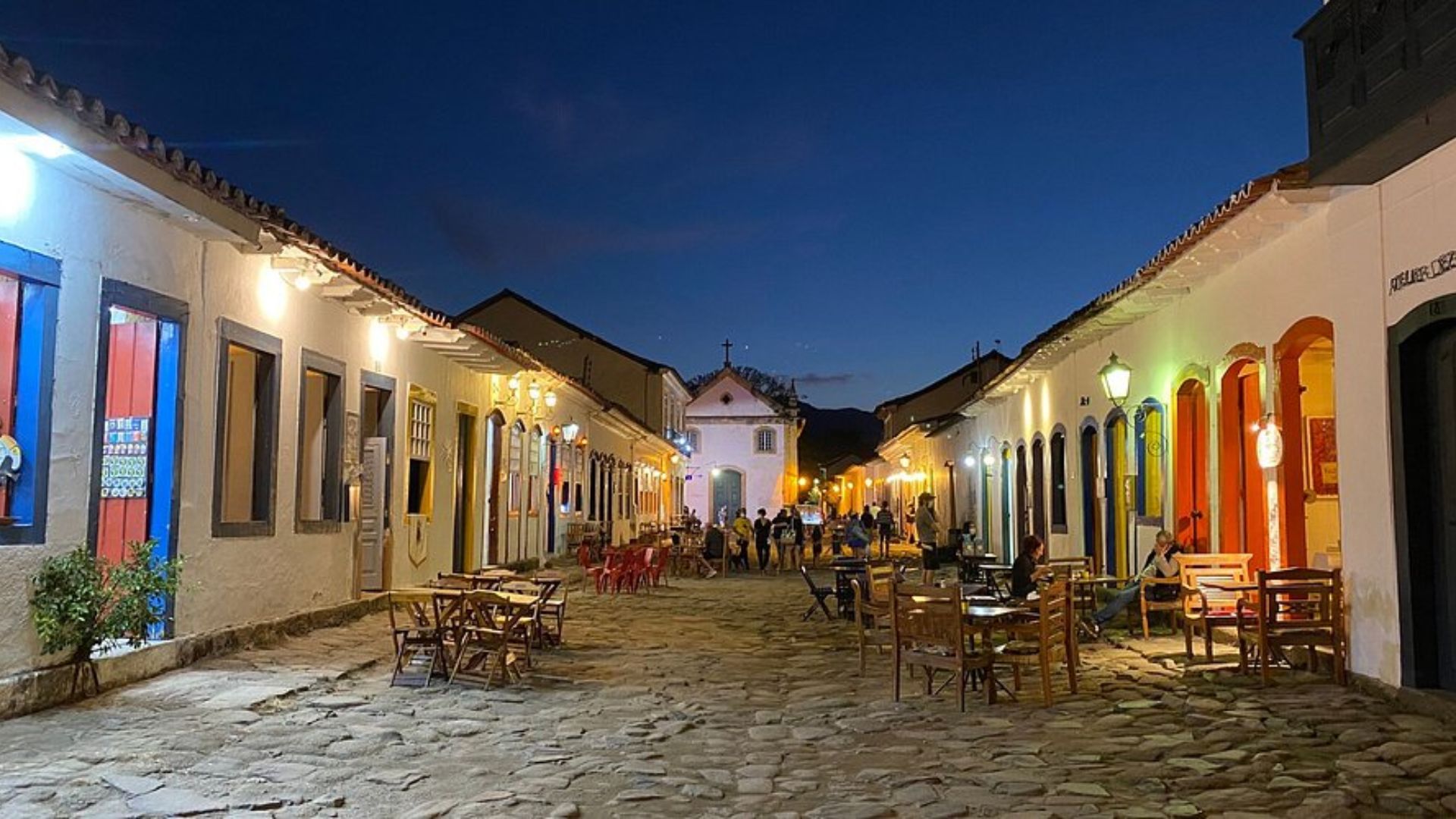
Coastal Refuge Preserves Colonial Architecture, Calm Rhythm, and Abundant Nature While Maintaining Cultural Traditions and Isolated Beaches That Reinforce the Feeling of a Journey to the Past.
On the shores of a sheltered bay on the southern coast of Rio de Janeiro, Paraty gathers more than 50 beaches, dozens of islands, and a historic center protected by law, making the city feel suspended in time even though it is just a few hours away from large metropolises like Rio and São Paulo.
Surrounded by the Atlantic Forest and the sea, the municipality maintains a preserved colonial set and a slower pace of life, reminiscent of a Brazil from centuries ago.
Although tourism has increased in recent years, the routine in the historic center is still marked by cobblestone streets, colorful facades, and the absence of cars.
-
Man builds house using foam panels, wooden base, adjustments with cement, impresses with the result by eliminating intense heat, extreme cold, and humidity inside the property with a simple solution.
-
While the USA prioritized the quantity of fighters, China surprised with a different tactic by planning to produce up to 300 aircraft per year, while the American fleet shrank by more than 60% and the F-35 does not keep up with the growing global demand.

-
5 tips to make the most of the longest passenger train journey in Brazil: it’s 13 hours and about 664 km with over 30 cities along the route, views of the Rio Doce, the best side of the carriage, and strategic dining times.
-
The army raises the alert signal and prohibits men from leaving the country without military authorization: the requirement is a tactic for expanding from 180,000 to 260,000 soldiers by 2035 in Germany.

First-time visitors find a landscape that combines architectural heritage, preserved nature, and traditional fishing lifestyles that resist the rush of urban daily life.
Historic Center of Paraty and Its Colonial Preservation
The historic center of Paraty has been protected by the National Institute of Historic and Artistic Heritage since 1958 and, along with Ilha Grande, is part of the UNESCO World Heritage list in the mixed site category, which simultaneously recognizes the cultural and natural value of the region.
The urban layout retains the logic of the colonial period, with regular blocks, irregular stone pavement, and mansions from the 18th and 19th centuries converted into inns, restaurants, and studios.
Inside, high doors, wooden windows, and details in iron and stone still reveal the commercial function of many buildings, when Paraty was a strategic point for transporting gold from Minas Gerais to the port of Rio de Janeiro via the old Royal Road.
In the immediate surroundings of this urban nucleus, the scenery is completed by historic churches, such as those dedicated to Our Lady of Remedies, Santa Rita, and Our Lady of Rosary and Saint Benedict, in addition to the Fort of Defender Perpetual, built in the late 18th century to protect the coast and now adapted for cultural functions.

One of the elements that most reinforces the feeling of a city stuck in time is the direct relationship between the sea and the pavement.
During high tide, the water controlledly floods some streets near the pier, creating water mirrors in front of the mansions.
This phenomenon earned Paraty the nickname “Brazilian Venice”, enhancing the image of a nearly cinematic backdrop.
Beaches of Paraty and Its More than 50 Options
Aside from its historic heritage, Paraty stands out for the quantity and variety of beaches, spread across coves and islands with calm and clear waters.
The bay hosts areas used for schooner tours and outings in smaller boats, reaching more isolated locations.
Among the options most sought after by those looking for direct contact with nature are Praia do Sono, Antigos, Antiguinhos, and Cachadaço.
These stretches are accessible only via trails through the Atlantic Forest or by boats departing from Paraty and Trindade.
In these places, the infrastructure is limited and the focus is usually on swimming, camping, and interaction with small groups of residents.

In the village of Trindade, the combination of more rustic beaches with the Natural Pool of Cachadaço attracts visitors interested in short trails and areas protected by rocks, where it is possible to observe fish with a mask and snorkel.
For those who prefer not to stray far from the historic center, beaches like Pontal and, above all, Jabaquara, offer easy access.
With calm waters and an extensive stretch of sand, Jabaquara is frequented by families and features kiosks, inns, and areas designated for water sports.
The waterfront also preserves stretches of mangrove.
Caiçara Traditions and Cultural Calendar of Paraty
The presence of caiçara culture appears in the gastronomy based on fish and seafood, in handicrafts made from wood and natural fibers, and in the relationship of residents with artisanal fishing.
Small restaurants, bars, studios, and shops installed in historic mansions in the center promote recipes, knowledge, and techniques passed down through generations.
Throughout the year, the municipality hosts religious festivals, music events, cinema, and food festivals, which has earned Paraty the nickname of “city of festivals”.
Among the most well-known celebrations is the Festival of the Divine, a religious and popular manifestation that mobilizes residents from different neighborhoods with masses, parades, and cultural performances.
In the literary field, the International Literary Festival of Paraty (Flip) has consolidated itself as one of the main cultural events in the country since 2003.
During the event period, the historic center hosts debates, book launches, shows, and programming dedicated to children and young people.
The recognition of Flip as intangible cultural heritage at the state and municipal level strengthens the connection between the festival and the city.
This constant agenda coexists with the daily routine of residents and merchants, who adapt their day-to-day lives to the tides, the flow of boats, and the religious calendar, keeping a traditional way of life alive.

Tourism, Preservation, and the Feeling of Suspended Time
Although tourism is now one of the main economic activities in the municipality, Paraty adopts rules to reduce the impact on the historic center.
Vehicle access is restricted on the cobblestone streets, and the circulation of cargo and unloading follows specific schedules aligned with conservation agencies.
The city is surrounded by conservation units, such as the Serra da Bocaina National Park and areas of environmental protection that encompass stretches of coast and Atlantic Forest.
This structure limits irregular occupations and helps maintain the landscape practically intact.
The recognition of Paraty and Ilha Grande as a site of culture and biodiversity by UNESCO reinforces the integration between historic heritage and natural environment.
On boat tours, on trails to isolated beaches, or while crossing the historic center at sunset, it is common to hear comments about how the city seems to follow another rhythm.
In light of this scenario, could the feeling of traveling back centuries in time help explain why Paraty remains one of the most desired destinations on the Brazilian coast?







-

-

-

-

-

-

301 pessoas reagiram a isso.