





 Portuguese
  English
  Spanish
 5 min of reading
  0 comments


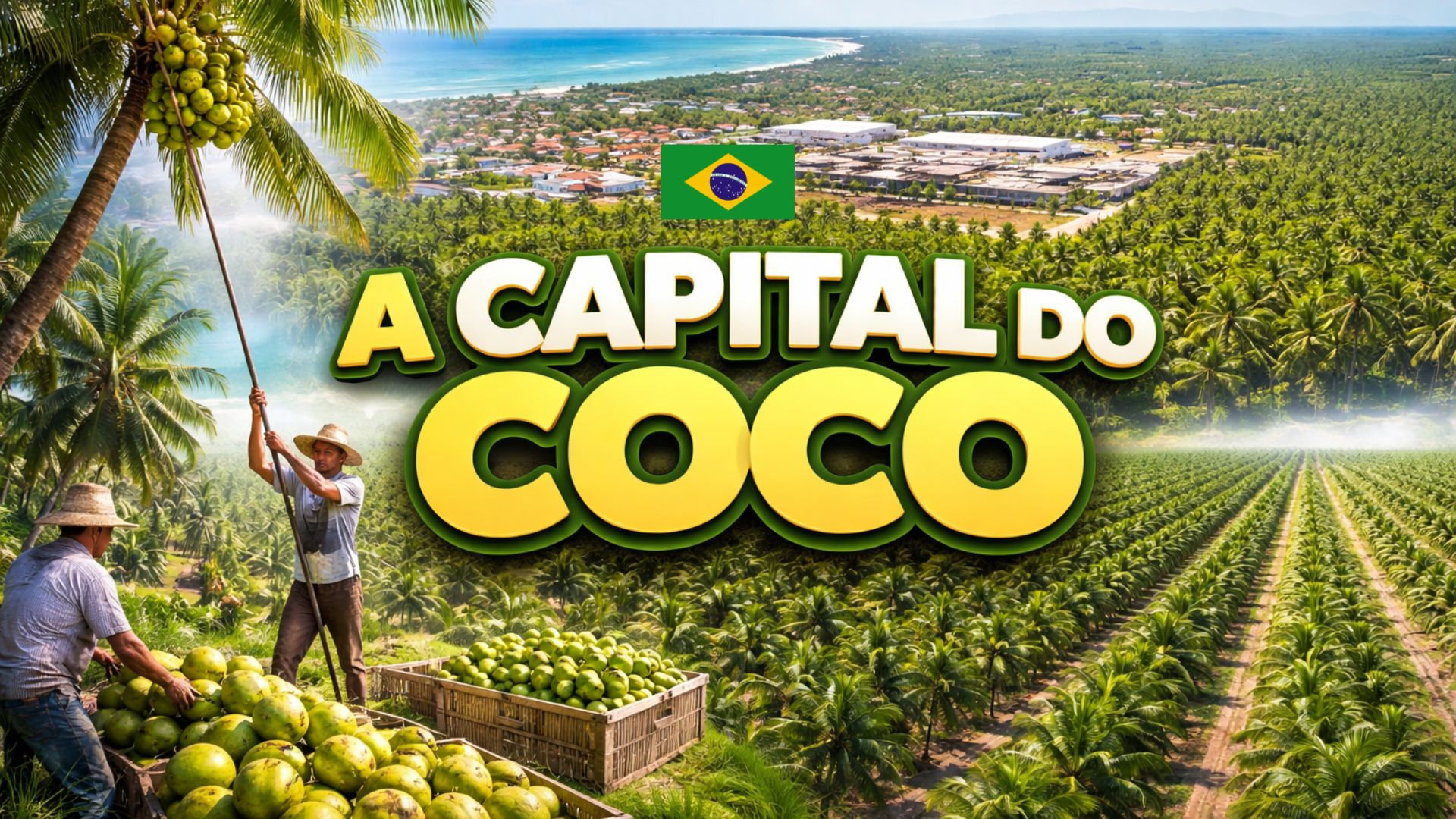
Paraipaba Concentrates Hectares of Coconut Groves and Official Numbers That Attract Attention, While Irrigation and Variety Selection Define Productivity and Income. Understand How the Coconut Chain Gains Scale and Why Local Processing Became a Key Piece.
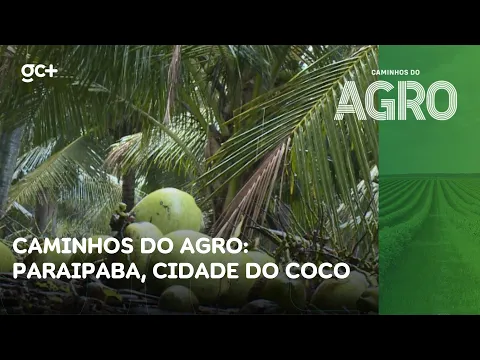
On the coast of Ceará, Paraipaba concentrates one of the largest continuous areas of coconut groves in the country and frequently appears in surveys and reports as the municipality that sustains, on an industrial scale, the coconut chain.
The scale is impressive: publications based on data from the Brazilian Institute of Geography and Statistics (IBGE) indicate that, in 2023, the local harvest reached nearly 20,000 tons and that about 60 km² of the municipality’s territory is occupied by coconut cultivation — equivalent to approximately 6,000 hectares.
Economic Weight of Coconut in Local Agriculture
The weight of the fruit in the municipality is described as dominant when observing the value of agricultural production.
-
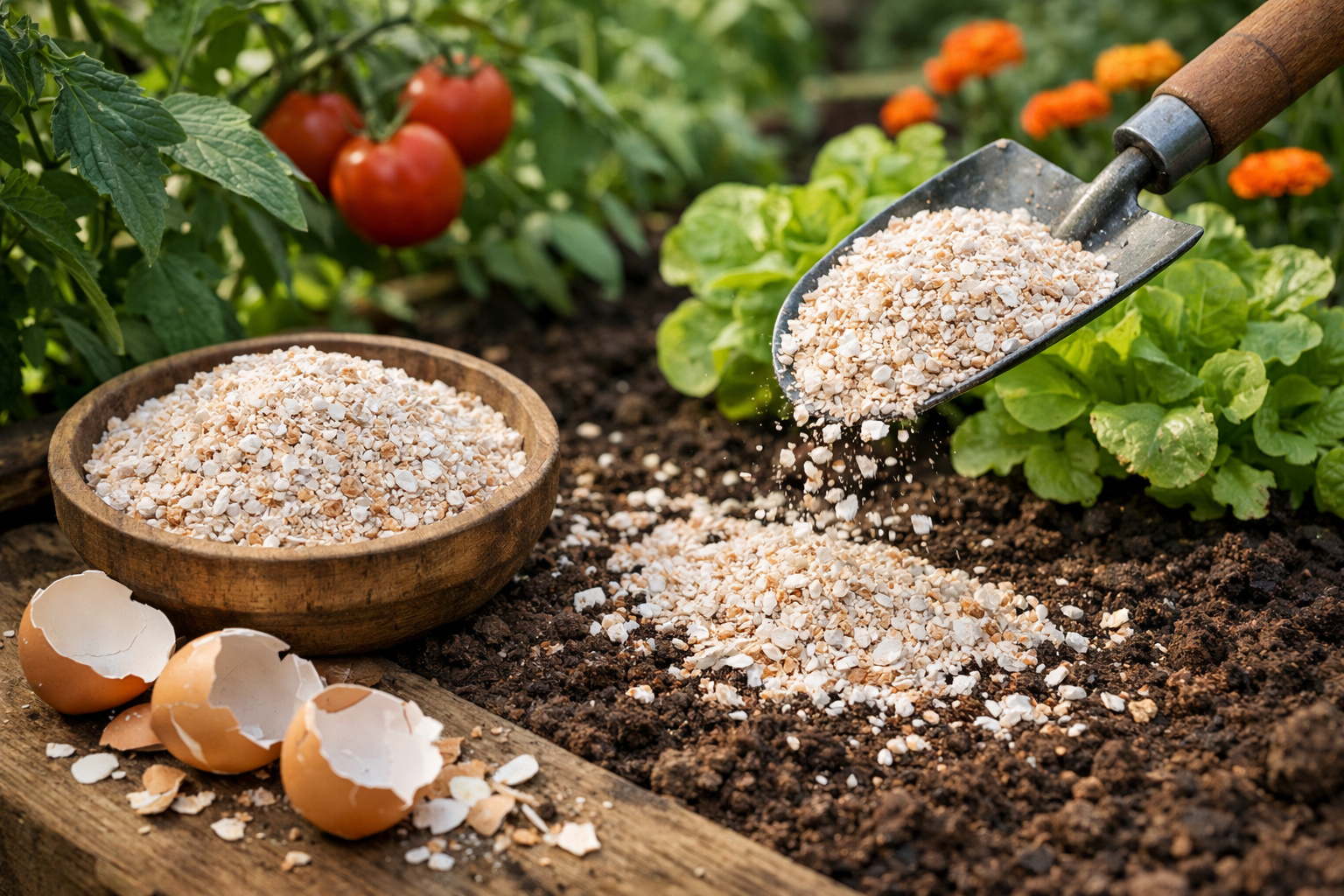
The eggshell that almost everyone throws away is made up of about 95% calcium carbonate and can help enrich the soil when crushed, slowly releasing nutrients and being reused in home gardens and vegetable patches.
-
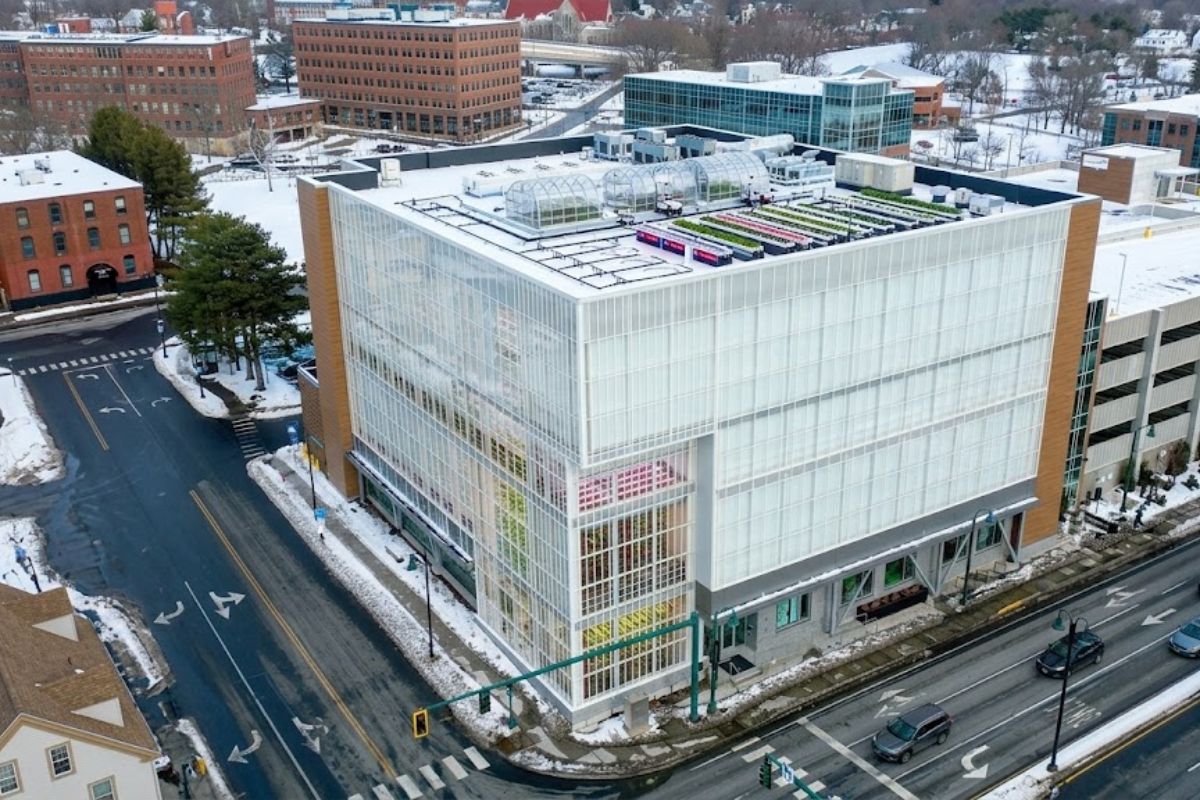
This farm in the United States does not use sunlight, does not use soil, and produces 500 times more food per square meter than traditional agriculture: the secret lies in 42,000 LEDs, hydroponics, and a system that recycles even the heat from the lamps.
-
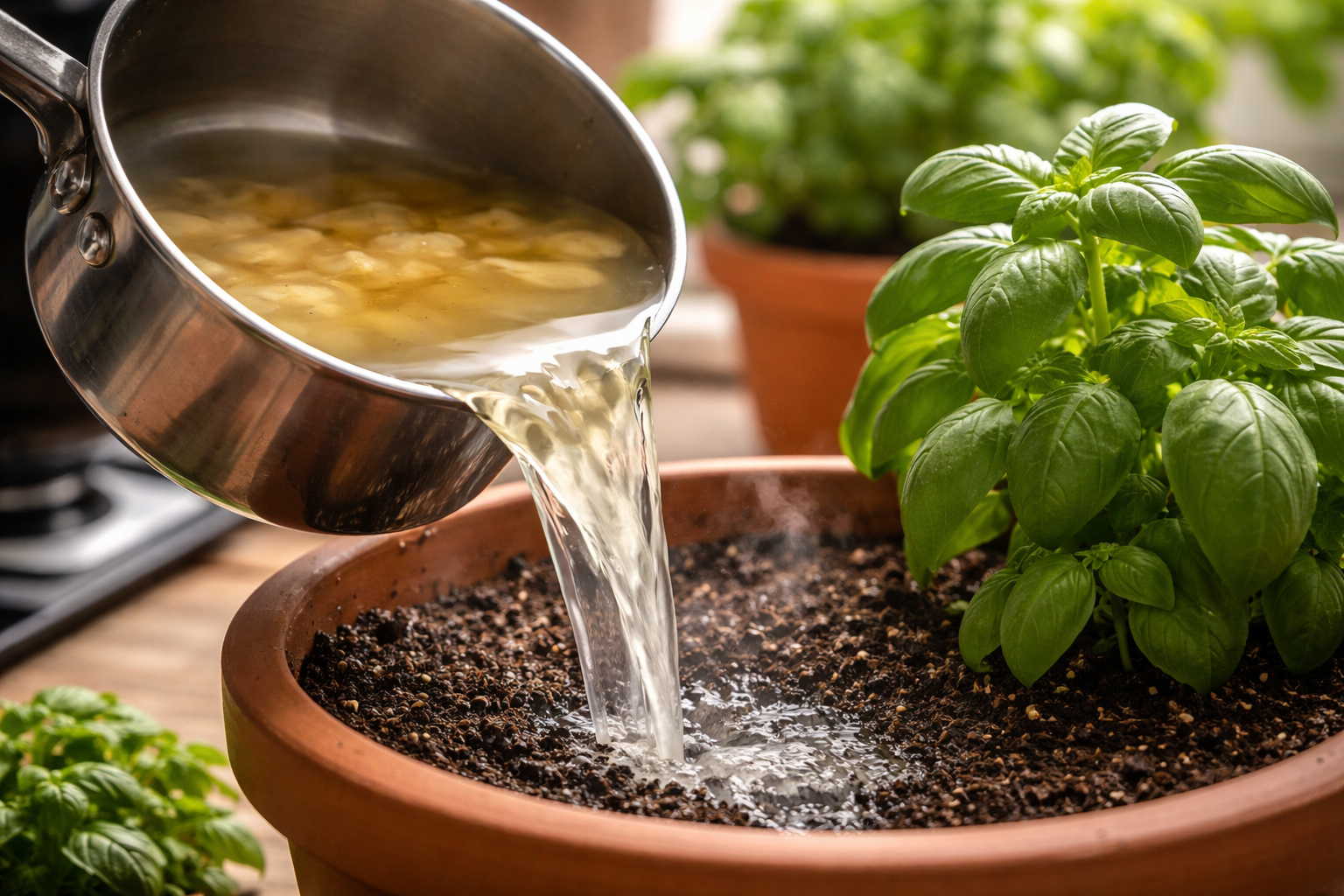
The water that almost everyone throws away after cooking potatoes carries nutrients released during the preparation and can be reused to help in the development of plants when used correctly at the base of gardens and pots, at no additional cost and without changing the routine.
-
The sea water temperature rose from 28 to 34 degrees in Santa Catarina and killed up to 90% of the oysters: producers who planted over 1 million seeds lost practically everything and say that if it happens again, production is doomed to end.



Also referencing IBGE, a report published in 2024 indicates that coconut accounted for around 75% of the value generated by agriculture in Paraipaba, with the municipality’s total agricultural production reaching R$ 48 million in 2023, of which R$ 36.6 million was attributed to coconut.
IBGE Data on Territory and Population
Paraipaba has a land area of 289.231 km² and recorded 32,216 inhabitants in the 2022 Census, according to the “Cities and States” page of IBGE.
The combination of a relatively small population and a large agricultural area helps explain why the image that usually circulates about the region is that of a “sea of coconut trees” associated with a local economy strongly connected to the fruit.
Official Recognition as the “Coconut Capital”
The title of “Coconut Capital” is not limited to an informal nickname.
In the Legislative Assembly of Ceará, there is a record of a state law designating Paraipaba as “Cearense Capital of Coconut”, reinforcing the institutional link of the municipality with the culture.
IBGE Ranking and Production Volumes

In terms of production, the municipality’s leadership appears repeatedly in coverage based on the Municipal Agricultural Production (PAM).
In 2024, a report indicated that Paraipaba maintained, based on the 2023 PAM, its position as the municipality producing the most coconut in Brazil since 2020, while Ceará, in the same timeframe, reportedly produced approximately 520 million units in 2023, harvested from 42.7 thousand hectares, with an average yield of 12,146 fruits per hectare.
There are different ways to measure this scale.
Another publication, also based on IBGE data, pointed out that in 2023, Paraipaba produced over 171 million fruits, ranking among the few Brazilian municipalities with annual production above 100 million coconuts.
Irrigation and Infrastructure in the Curu-Paraipaba Perimeter
However, sustaining this volume depends less on a “secret” and more on a well-known combination in agriculture: variety, irrigation, and standardization of management.
A technical study by the Bank of the Northeast described Paraipaba as the largest municipal producer of coconut in Brazil and associated local performance with the predominant use of dwarf coconut trees and the fact that a significant portion of the production is linked to the Curu-Paraipaba irrigated perimeter, installed by the National Department of Works Against Drought (DNOCS), along the banks of the Curu River.
In practice, irrigation appears as the structural infrastructure of the hub.

In an official note from DNOCS about the Curu-Paraipaba Irrigation District, the agency reported that the area concentrates the largest coconut cultivation in Ceará, with 2,554 hectares of irrigated dwarf coconut trees, an estimated monthly production of 4.5 million fruits, and the establishment of a Coconut Processing Unit aimed at adding value, with machinery for bottling coconut water and an initial estimated production of 5,000 fruits per day processed in 500 ml and 1-liter packages.
Precision Management: Drip Irrigation and Micro-Sprinkling
The logic of “precision management” comes precisely into play here, because the productivity of coconut trees depends on regular water supply and consistent agronomic practices, especially in irrigated systems.
In a technical circular from Embrapa focused on the coastal region of Ceará, there is a comparison of micro-sprinkling and drip irrigation systems in green dwarf coconuts, noting that plants irrigated by drip can present similar or slightly higher productivity compared to those irrigated by micro-sprinkling, in addition to detailing production variations throughout the year and indicators of water use efficiency in irrigated cultivation in Paraipaba.
Hybrid Coconut, Income, and Technical Decisions

However, the investment in technology is not limited to “how much to irrigate” and “how to irrigate.”
It also extends to “what to plant” — and this is where the hybrid coconut comes into a real debate about income and the industrial fate of the fruit.
An academic study published in the Brazilian Journal of Regional and Urban Studies assessed, in the state of Ceará, the impact of the hybrid coconut BRS 001 on rural producers.
The study describes that, although the dwarf coconut excels in fruit production per hectare, the hybrid BRS 001 presented a positive effect on producer income in 2022, associated with market price, and details that the analyzed sample included both dwarf producers and hybrid producers in a total area of 4,159 hectares, also pointing to the presence of technical assistance and machinery as relevant variables in management.
This type of evidence helps explain why the “coconut capital” coexists with two fronts that do not always align: one for green coconuts, closely associated with coconut water and quick supply chains, and the other more focused on the agro-industry of dry coconut, where the hybrid can gain space due to agronomic and industrial characteristics described in technical literature.
The discussion, in these cases, is not presented as an abstract choice, but as a decision involving productivity, implementation cost, fruit destination, and price received by the producer, within a chain that depends on technical assistance and management.







-

-

-

-

-

-

221 pessoas reagiram a isso.