





 Portuguese
  English
  Spanish
  6 min of reading
  3 comments


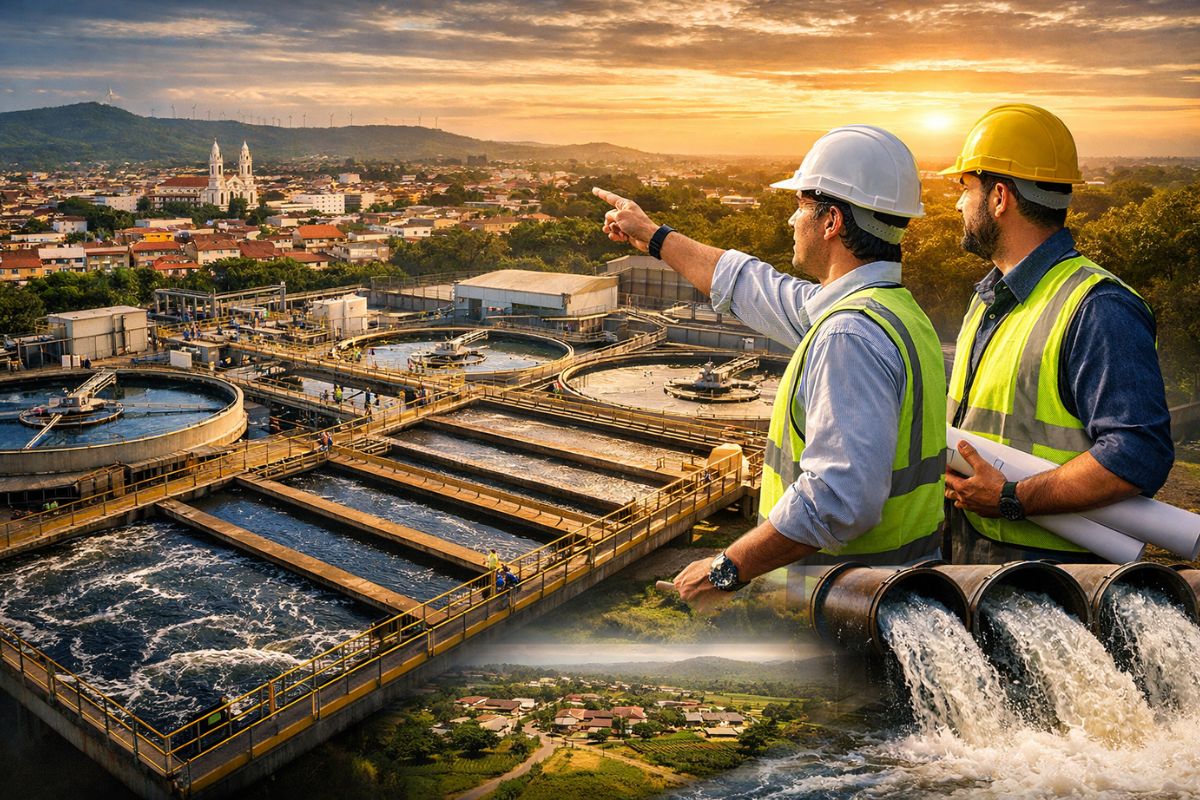


At The Center Of The New Round Of Concessions, The Nearly R$ 7 Billion Cagece Project Attracts Interest From Sabesp, Terracom, And GS Inima, Divides The Auction Into Five Blocks, Foresees A 28-Year Contract, And Aims To Expand Collection And Treatment To 1.5 Million People In Urban Areas Of Ceará.
The project for sanitary sewage in Ceará, structured by Cagece as the largest partnership in the country in investment in the sector, enters a decisive phase by combining territorial scale, corporate competition, and a clear public goal: to expand sewage collection and treatment by 2033 to achieve 90% coverage.
In practice, the initiative involves nearly R$ 7 billion, foresees service to 127 municipalities at this stage, and has officially attracted Sabesp, Terracom, and GS Inima, while other interested parties appear indirectly in the public consultation. The regulatory design, bidding timelines, and the format of the auction at B3 indicate a long cycle of execution and performance accountability.
The Size Of The Project And The Stakeholders That Have Already Entered The Radar

Ceará has placed on the market a large-scale project, with an expected investment of nearly R$ 7 billion and an estimated economic return of approximately R$ 27 billion to the state over the coming years.
-
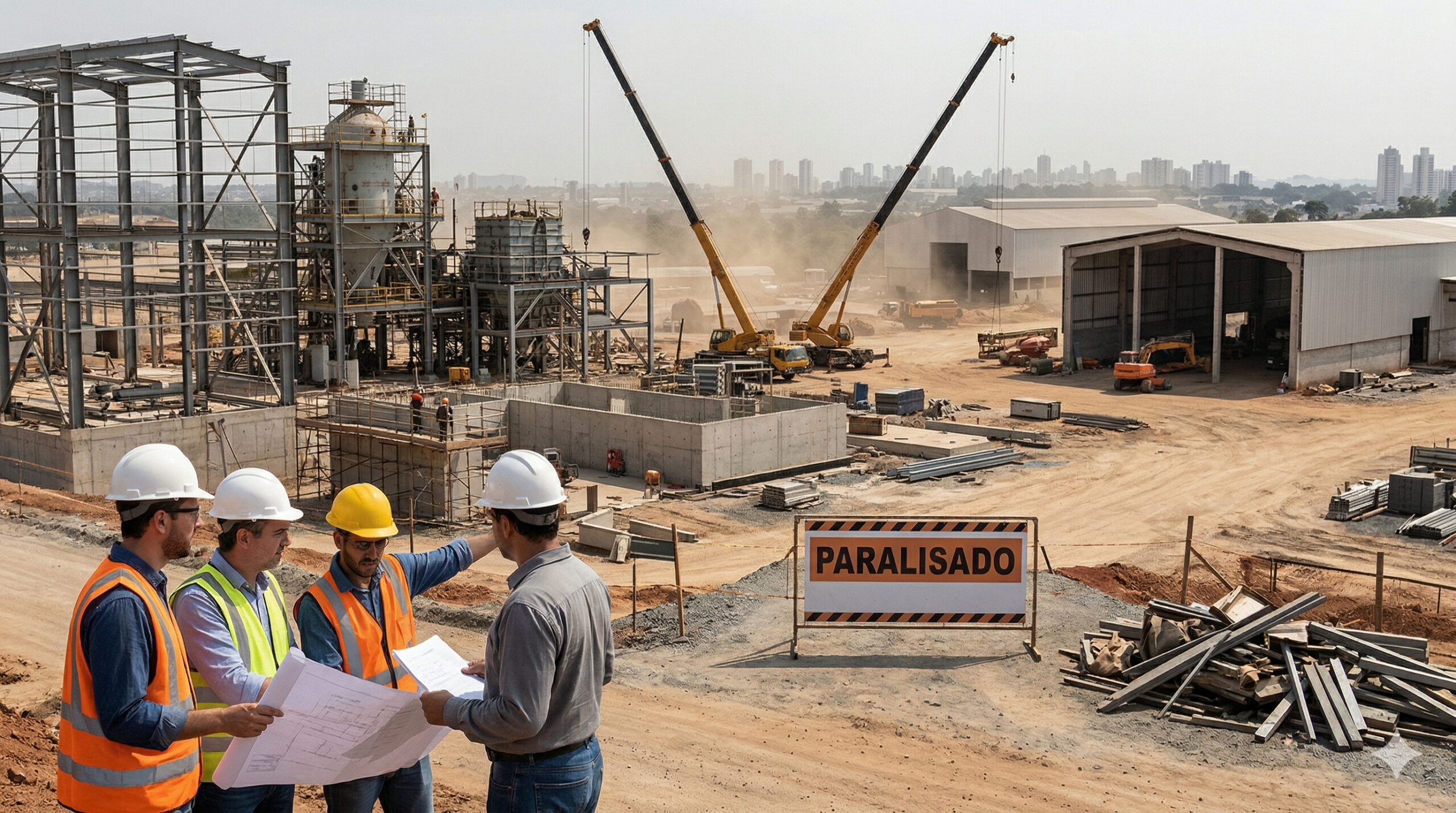
The lack of welders, electricians, and operators becomes a structural threat in 2025, with the construction industry and manufacturing already suffering from delays, cost pressures, and labor shortages in Brazil.
-
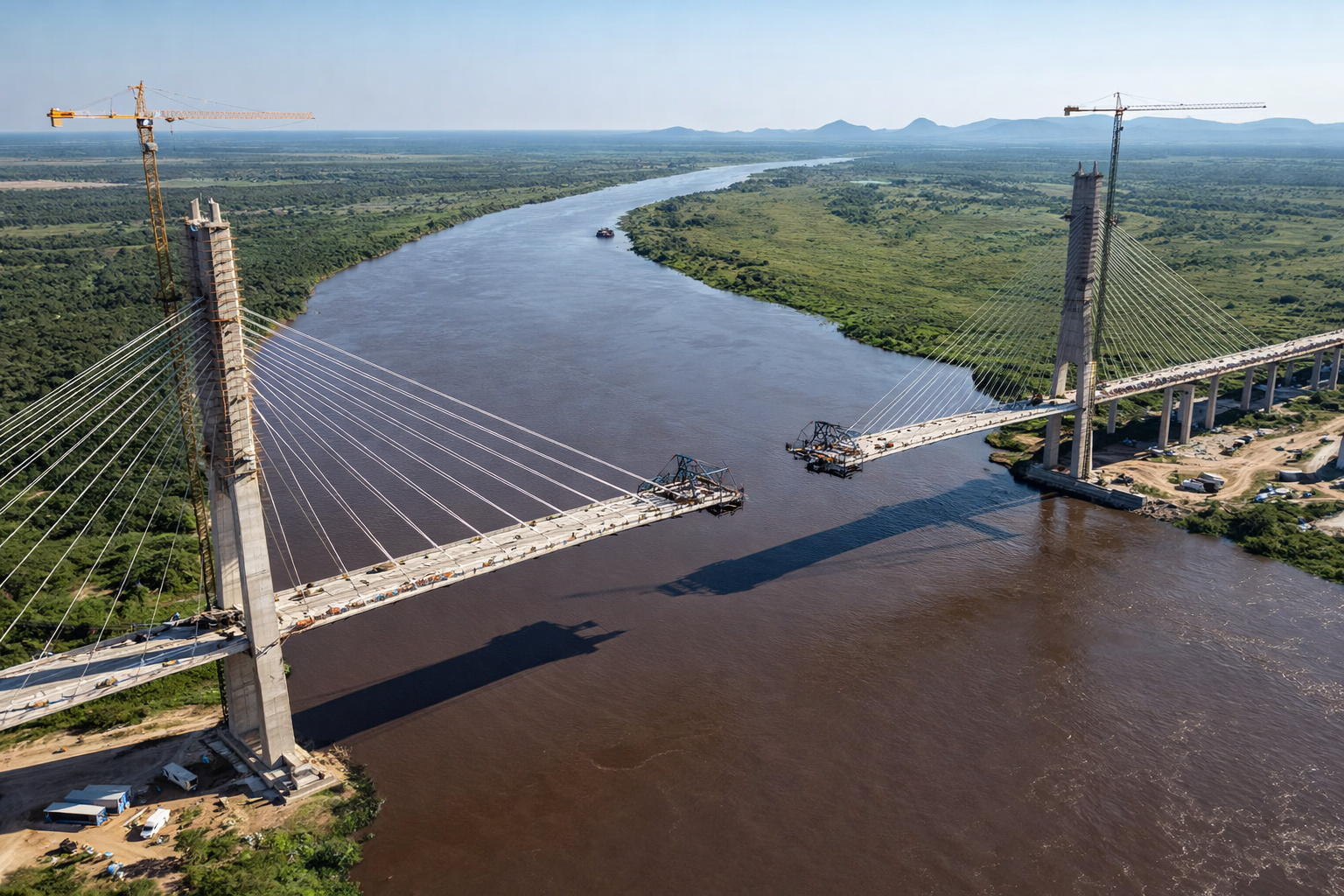
Brazil and Paraguay are just 46 meters away from a historic union on the bioceanic bridge that promises to revolutionize trade between the Atlantic and the Pacific.
-
With 55 km over the sea, a cost of US$ 20 billion, and enough steel to build 60 Eiffel Towers, China’s largest project has connected Hong Kong, Zhuhai, and Macau in a colossal bridge that defies the logic of engineering.

-
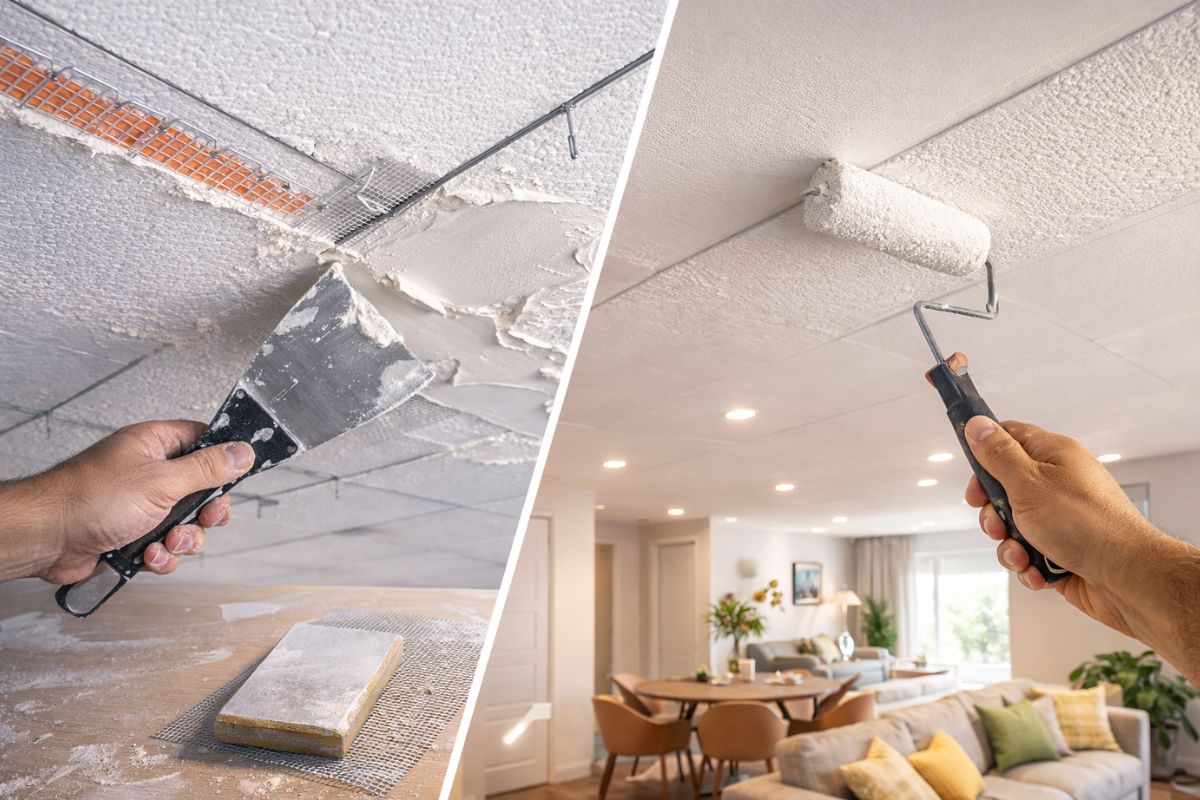
A trick with joint compound transforms a Styrofoam ceiling into a plaster-like ceiling: leveled panels, wires and mesh at the joints, sand, paint, and change the environment while spending little today.

This volume helps explain why the competition drew attention early: in addition to the financial scale, there is relevant social reach, with plans to serve approximately 1.5 million people in the current phase.
Among the companies already identified in the public consultation are Sabesp, Terracom, and GS Inima. Sabesp reported that it prioritizes the universalization of services in São Paulo by 2029 and that other opportunities are being evaluated according to strategic alignment, operational synergies, returns, and financing viability.
Terracom and GS Inima did not comment by the time the information was published. Even with these three names exposed, the interest is broader, with agents acting through law firms and maintaining anonymity at this time.
How The Project Will Be Auctioned And Why The Model Aims To Expand Competition
The auction for the project has been structured into five blocks, with a central rule: each block will have only one winner, and, in principle, each winning company may only lead one block. The logic is to reduce concentration and distribute opportunities, creating a competitive environment where more operators have a real chance to enter the regional service.
There is, however, an additional guideline that flexibly adjusts the design: the same company may take on up to two blocks, provided the second block has remained unclaimed.
This mechanism functions as a lock and valve at the same time lock to prevent excessive dominance at the start, valve to ensure that areas without proposals do not remain stagnant.
According to the reported timeline, the studies are under review by the TCE, with a bid expected by the end of April and an auction at B3 between the end of June and the first week of July.
Goals, Contractual Timeline, And The Project’s Remuneration Mechanism
The technical axis of the project is the universalization of sanitary sewage within the legal framework, with a target of 90% collection and treatment by 2033.
This goal is not only numerical: it defines the level of operational ambition, the expected pace of expansion, and the demand for efficiency over the years, especially in urban areas with distinct infrastructure realities.
The projected contract is for 28 years, with remuneration for the private partner based on payments made by Cagece linked to the achievement of performance and efficiency targets.
In regulatory terms, this point is decisive: the financial flow is not treated as automatic payment for the duration of the contract, but as result-based payment.
Furthermore, the new partnership, combined with the existing operation of Ambiental Ceará, should encompass all 152 municipalities served by Cagece in the urban sanitary sewage service.
Where The Project Advances: The 127 Municipalities Distributed Across Five Blocks
In Block 1, the project covers Acaraú, Alcântaras, Bela Cruz, Cariré, Coreaú, Cruz, Forquilha, Frecheirinha, Groaíras, Hidrolândia, Itatira, Jijoca de Jericoacoara, Marco, Martinópole, Massapê, Meruoca, Moraújo, Morrinhos, Santa Quitéria, Santana do Acaraú, Senador Sá, Sobral, and Uruoca. This is a selection that combines coastal cities and regional hubs, requiring coordination among different urban dynamics.
In Block 2, Abaiara, Acopiara, Altaneira, Antonina do Norte, Araripe, Arneiroz, Assaré, Aurora, Baixio, Barro, Campos Sales, Catarina, Cedro, Granjeiro, Ipaumirim, Jati, Lavras da Mangabeira, Mauriti, Milagres, Orós, Parambu, Penaforte, Porteiras, Potengi, Saboeiro, Salitre, Tarrafas, Tauá, Umari, and Várzea Alegre are included. The territorial extent of this block demands robust planning for implementation and continuous performance monitoring.
In Block 3, Alto Santo, Aracati, Beberibe, Capistrano, Choró, Ereré, Fortim, Ibaretama, Ibicuitinga, Iracema, Itaiçaba, Itapiúna, Jaguaretama, Jaguaribara, Jaguaruana, Ocara, Palhano, Pereiro, Potiretama, Quixadá, Quixeré, Russas, and Tabuleiro do Norte are located. This group consists of municipalities with diverse profiles, where standardizing goals without ignoring local realities becomes a management challenge for the project itself.
In Block 4, Acarape, Apuiarés, Aracoiaba, Aratuba, Barreira, Baturité, Caridade, General Sampaio, Guaramiranga, Irauçuba, Itapipoca, Itarema, Miraíma, Mulungu, Pacoti, Palmácia, Paramoti, Pentecoste, Redenção, Tejuçuoca, Tururu, Umirim, and Uruburetama appear.
This arrangement mixes mountainous areas and municipalities with distinct urban characteristics, which tends to require very consistent contractual governance to maintain uniform goals.
In Block 5, the project includes Ararendá, Barroquinha, Carnaubal, Catunda, Chaval, Crateús, Croatá, Graça, Guaraciaba do Norte, Ibiapina, Independência, Mombaça, Monsenhor Tabosa, Mucambo, Novo Oriente, Pacujá, Piquet Carneiro, Pires Ferreira, Poranga, Quiterianópolis, Reriutaba, São Benedito, Senador Pompeu, Tamboril, Tianguá, Ubajara, Varjota, and Viçosa do Ceará.
Thus, the regional design encompasses 127 cities in this round, consolidating the scale of the project in the interior and in strategic areas of the state.
What Explains The Market’s Interest In This Project Now
The business interest arises not only from the total investment value. It appears because the project combines a long horizon, territorial scale, and performance criteria, factors that can attract industrial operators and, potentially, financial market agents.
In the public consultation, 317 contributions from various participants were registered, including legal consultancies and sector companies, signaling a technical dispute even before the auction.
Another point is the regulatory timing: with studies under analysis at the TCE and a timeline already outlined for bidding and auction, the market starts to work with clear opening windows.
When deadline, rules, and goals align, competition tends to become more concrete. Still, the final outcome will depend on each proponent’s ability to balance operational strategy, financing, and adherence to performance requirements that will sustain the contract for almost three decades.
Ceará is positioning a sanitation project that draws attention not only for its size but for the combined effects of scale, duration, governance, and accountability for results.
If the timeline is met and the goals are effectively executed, the initiative could redefine the standard of wastewater expansion in much of the state by 2033.
Now, it is worth having a concrete discussion: in your city, what should be a priority in this project – speed of works, execution quality, or transparency of goals over the 28 years? And which indicator would you monitor month by month to know if the promise of universalization is really being fulfilled?









PRIVATIZAÇÃO NO BRASIL SÃO OS POLÍTICOS PASSARAREM UM CHEQUE EM BRANCO PARA AS EMPRESAS TANTO PÚBLICAS, COMO É O CASO DA ENEL EM S. PAULO, QUE É PÚBLICA NA ITÁLIA, QUANTO PRIVADAS E FAZEREM O QUE BEM QUEREM E DAR BANANAS PARA O POVO.
Aqui no Piauí é muito pior. O contrato foi de 35 anos e somente uma operadora nos 224 municípios, que é a AEGEA, com o none de Águas de Teresina-na capital e Águas do Piauí-interior do estado.
O contrato prevê 90% de esgoto somente em 2040.
E o pior: a empresa foi entregue praticamente de mão beijada. O valor foi de 1 bilhão de reais. 250 milhões na assinatura do contrato e 250 milhões no final do repasse da concessão.
Os outros 500 milhões foram parcelados em 20 anos com pagamento de uma única parcela de 25 milhões por ano. Um negócio que não se faz nem de pai para filho.
Detalhe: o Faturamento mensal chega próximo a 100 milhões por mês e a AEGEA vai pagar uma parcela por ano de 25 milhões. Estes são os modelos de PRIVATIZAÇÕES no Brasil.
Que diga a ENEL em São Paulo, que passa + de um mês sem energia e a LIGHT no Rio de Janeiro.
O que explica o interesse? É porque as modelagens são feitas para maximizar o lucro da empresa que ganhar a concessão. Além disso, prazo definido será somente para o contrato. Vocês verão que ninguém que esteja pegando uma concessão onde a cobertura de água e esgoto esteja em níveis baixos conseguirá cumprir o prazo até 2033. Quer prova? A Região dos Lagos teve a concessão entregue em 1998 e até agora eles não conseguiram universalizar o saneamento.