





 Portuguese
  English
  Spanish
 4 min of reading
  1 comment


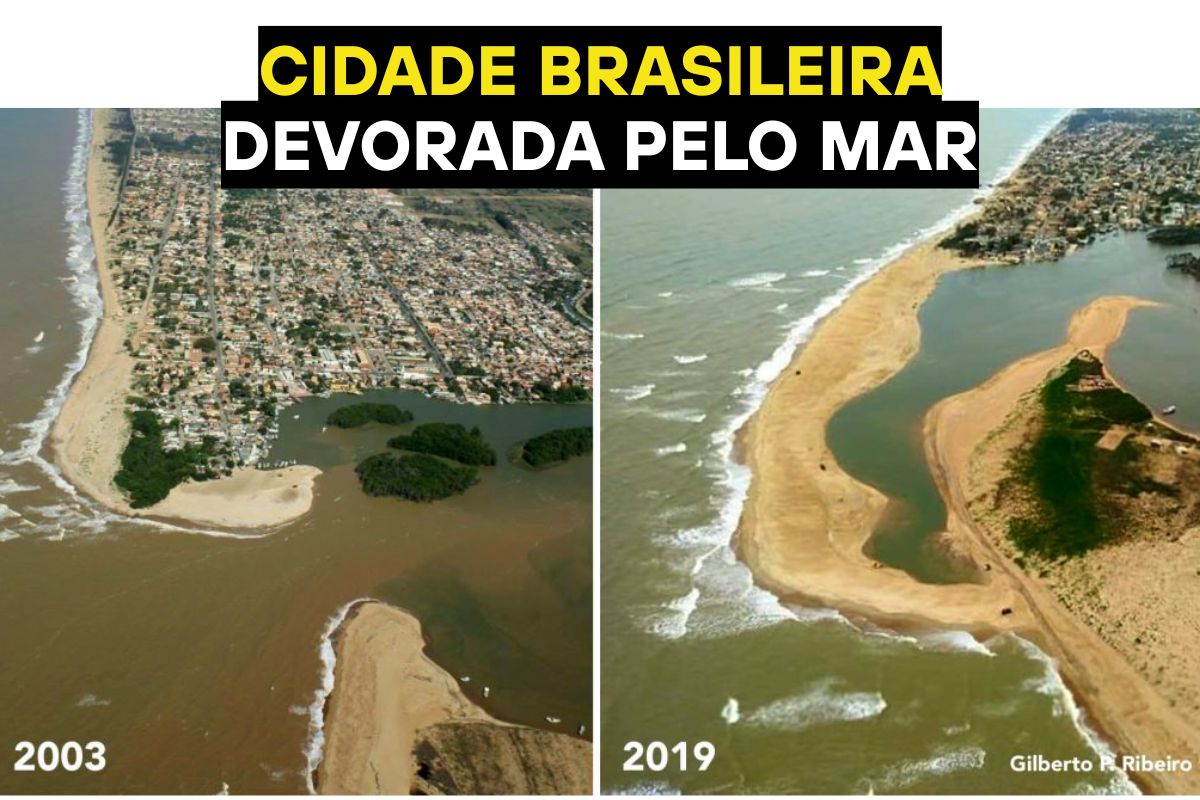


Atafona, On The North Coast Of Rio de Janeiro, Faces Accelerated Erosion Since The 2000s, With The Advance Of The Sea, Destruction Of Homes And Abandonment Of The Public Power Amid An Environmental Collapse
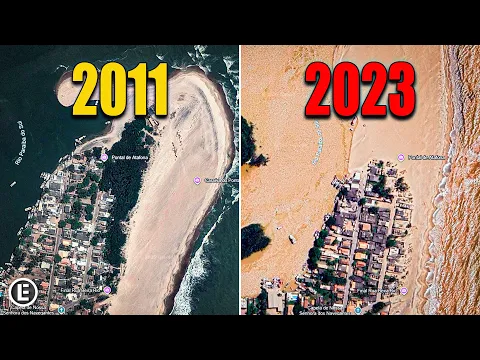
A Brazilian city lost up to 8 meters of beachfront per year in recent decades, accumulating more than 200 destroyed buildings and a scene of ruins by the sea. This is Atafona, a district of the municipality of São João da Barra, in the north of Rio de Janeiro, where the advance of the sea has completely changed the urban landscape.
The situation is the result of a set of natural and human factors, including rising sea levels, the construction of dams in the Paraíba do Sul River basin, and the disorderly urban occupation of the shore. Residents resist as best they can, while experts warn: what already seems serious is likely to worsen by 2050.
How Atafona Became A Symbol Of Coastal Destruction
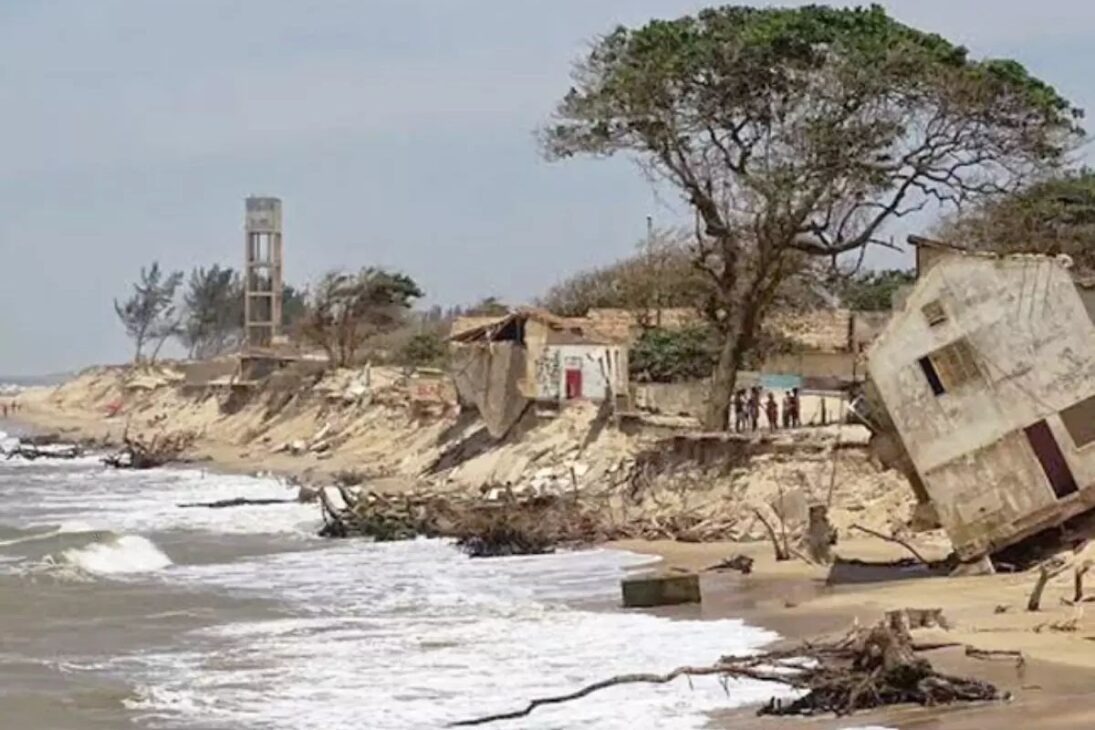
The area is a sedimentary plain — a strip of land formed over thousands of years by sand and sediment.
-
The United States has a serious problem with its F-35s: China is already producing fighters at a pace that exceeds American capacity and could manufacture up to 300 aircraft per year before the end of the decade, shifting the global military balance.

-
A retired IT professional built a 22-meter boat in his backyard in Oklahoma with a school bus engine, light pole masts, and handmade watertight doors to become the redneck version of Jacques Cousteau.
-
China is building a city in Brazil: a complex with an investment of R$ 5.5 billion comes to light, but allegations involving workers draw attention.
-
While Argentina buys old war equipment, Brazil is keeping an eye open and joins the select group of nations with advanced military technology by investing $5.2 billion, producing 36 Gripen fighters in the country, and reducing operational costs.


Historically unstable, this region began to experience severe coastal erosion starting in the second half of the 20th century.
What was once a popular seaside resort among the residents of Campos dos Goytacazes has transformed into a territory of abandoned houses, blocked streets, and memories swallowed by the waves.
Since the 2000s, the sea has advanced by 7 to 8 meters per year in certain stretches, sweeping away properties and forcing the local population to live in a state of permanent risk.
What Explains The Accelerated Erosion In Atafona
The causes are diverse, but they all intersect: the natural advance of the sea, combined with the force of the northeastern winds, directly affects the stability of the coast.
However, the most recent aggravation is linked to human action — more than 900 dams scattered throughout the Paraíba do Sul River reduce the arrival of sediments to the beach, making the coastline more vulnerable to erosion.
The urbanization very close to the beachfront blocks the natural flow of sediments and prevents the regeneration of coastal soil.
According to researcher Álvaro Serpa dos Santos, hydroelectric plants contribute to this imbalance by reducing the transport of sand and accelerating the erosive process.
Environmental, Social, And Economic Impacts
Artisanal fishing, the backbone of the local economy, has been directly impacted.
With the loss of territory and the increased distance from fishing points, many residents are struggling to maintain the activity.
Research by Firmino and Alves (2021) indicated that 15% of fishermen cited the decrease in catches as the greatest economic loss in the region.
The real estate sector has also collapsed. Homes have lost value or have been closed by civil defense.
Residents like Sônia Ferreira report losing two homes to the sea in less than 10 years.
More than material possessions, erosion has swept away life stories, emotional bonds, and the collective memory of a traditional community.
How The Population Has Resisted In Daily Life
Even with the desolate scenario, the majority of residents do not want to leave. According to local studies, 95% recognize the seriousness of the erosion but prefer to stay.
They build improvised barriers with sandbags, rubble, and wood to contain the advance of the sea. Walls are reinforced, furniture is elevated, and adaptation has become a survival rule.
Mobilization also occurs at a collective level, but without response from the public authorities.
100% of those surveyed had never heard of Integrated Coastal Management (ICM) — a policy recommended to curb erosion in a participatory way, involving the community, technicians, and governments.
Is There A Way Out For Atafona? What Do The Examples From Other Cities Say?

Technical solutions exist, but they require investment, planning, and social participation.
In Balneário Camboriú (SC), artificial beach nourishment worked, but it was expensive and requires constant maintenance.
In Ceará, groins helped, but caused impacts in neighboring areas. Meanwhile, on the São Paulo coast, projects for replanting restinga showed positive effects at low cost.
In Atafona, any action needs to consider the cultural identity and specific environmental dynamics of the region.
Groins and nourishment may provide relief, but without sediment diagnosis, there is a risk of merely shifting the problem to other beaches.
For now, the real solution is far off, and resistance remains the only short-term plan of the community.
Did you already know the story of Atafona? Do you think the public authorities should act with more urgency? Leave your opinion in the comments — we want to hear from those who care about the future of our coastal cities.







Atafona tem sido alvo de matérias assim. Só que se esquecem que se trata de um fenômeno mundial. Não é só Atafona. Matérias como essa prejudicam o mercado imobiliário e o crescimento da região. Que tal fazer a mesma avaliação nas praias famosas da cidade do Rio de Janeiro?? Copacabana, Leblon…Pesquisas já demonstram o grande avanço do mar em praias do ES e RJ, além de Bahia e Recife.