





 Portuguese
  English
  Spanish
 4 min of reading
  0 comments


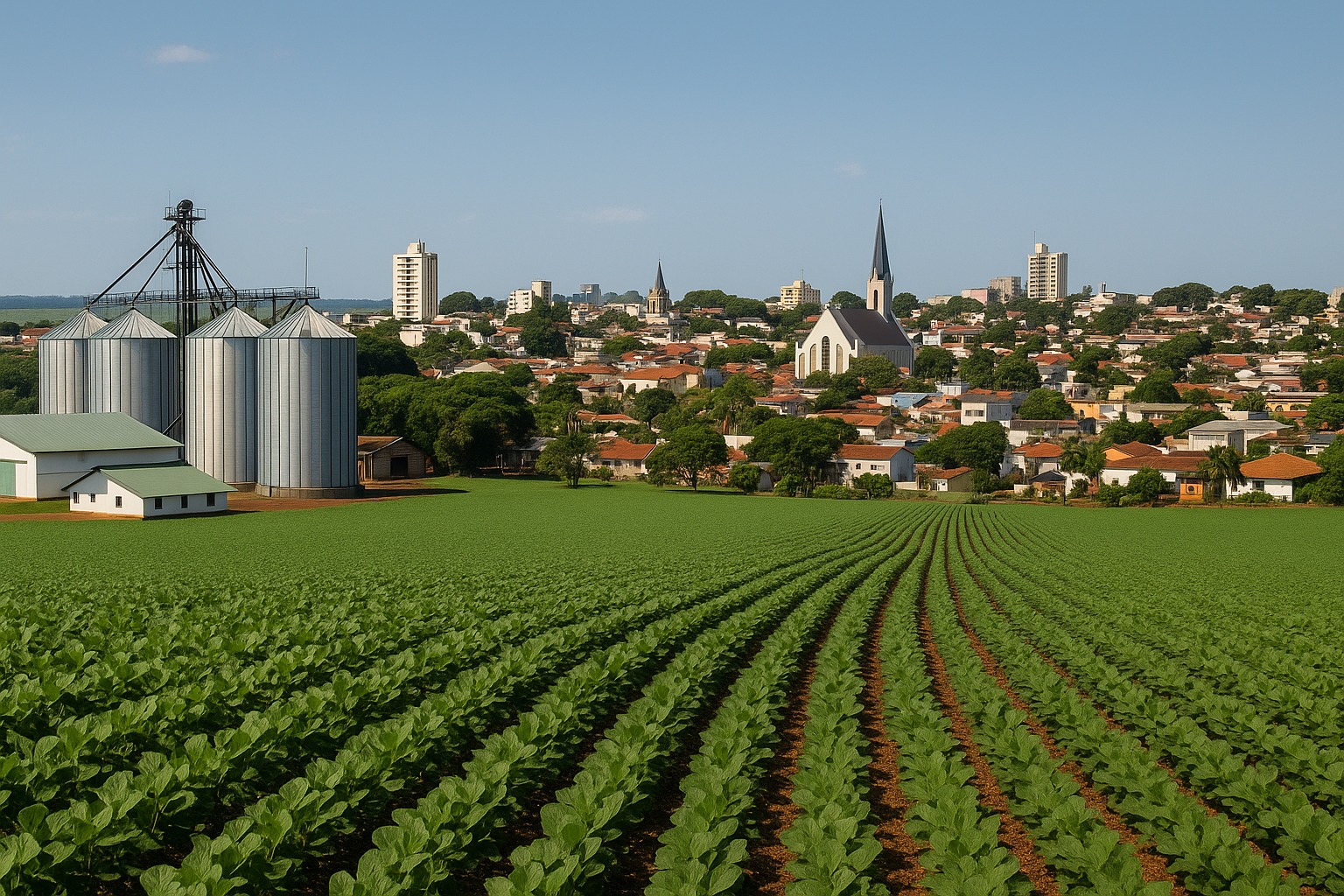
Toledo Stands Out in Western Paraná Because It Combines a Powerful Agribusiness, Extensive Urban Services, Steady Growth, and Quality of Life That Attracts Residents and Expanding Businesses
Toledo, in western Paraná, stands out regionally because it combines a strong agribusiness, strategic position, and extensive urban services that attract residents. The city maintains a modern structure, positive indicators, and agro-industrial activities that sustain continuous growth in the region.
The local economy relies on agriculture, pig farming, and poultry farming, according to the City Hall of Toledo, thus creating a solid productive environment.
Industries increase job generation and reinforce the city’s role as a competitive hub in the interior of Paraná.
-
The water that almost everyone throws away after cooking potatoes carries nutrients released during the preparation and can be reused to help in the development of plants when used correctly at the base of gardens and pots, at no additional cost and without changing the routine.

-
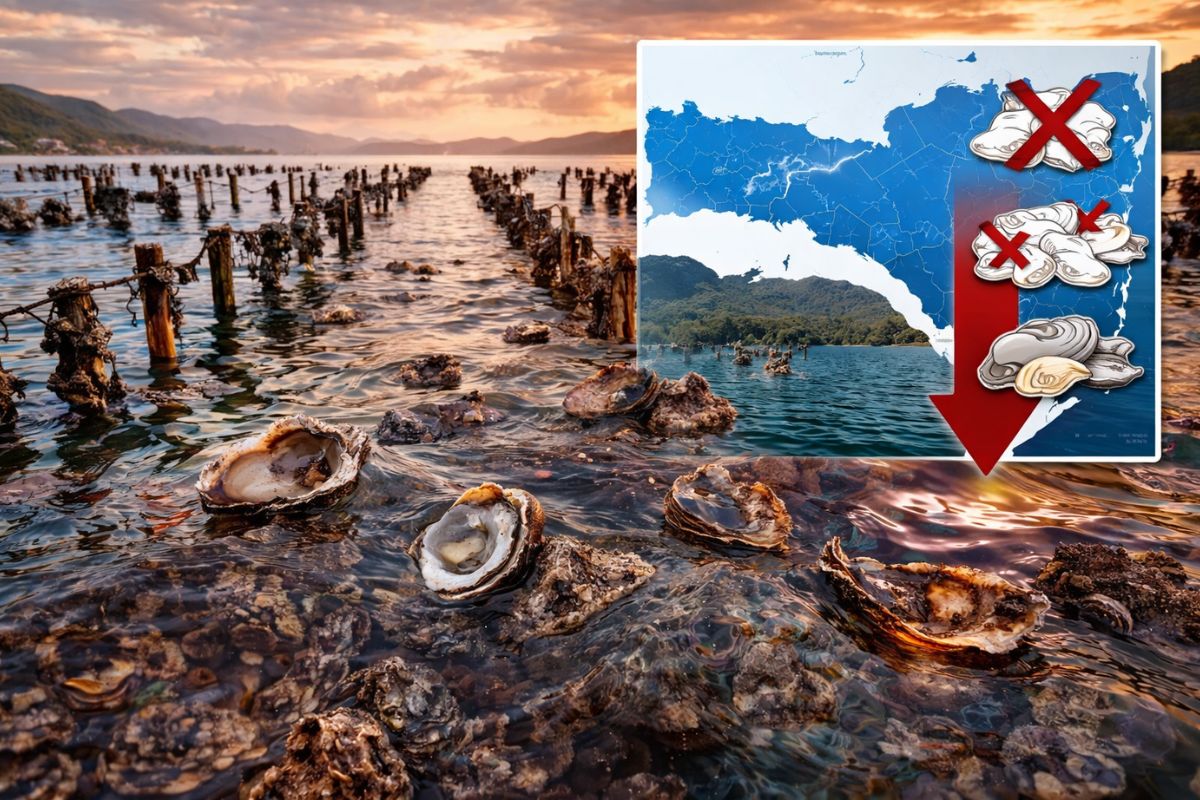
The sea water temperature rose from 28 to 34 degrees in Santa Catarina and killed up to 90% of the oysters: producers who planted over 1 million seeds lost practically everything and say that if it happens again, production is doomed to end.
-
An Indian tree that grows in the Brazilian Northeast produces an oil capable of acting against more than 200 species of pests and interrupting the insect cycle, gaining ground as a natural alternative in soybean, cotton, and vegetable crops.

-
The rise in oil prices in the Middle East is already affecting Brazilian sugar: mills in the Central-South are seeing their margins shrink just as ethanol gains strength.

The municipality registers an HDI of 0.768 according to the UNDP. Additionally, it offers reference health services that serve the region, such as the Regional Hospital of the West, ensuring important support for families and workers.

Toledo has about 158,000 inhabitants according to IBGE. The population grows steadily because it finds qualified schools, simple mobility, and a well-structured urban routine in daily life.
The cost of living remains balanced compared to larger capitals. Therefore, affordable rents and services attract young professionals seeking opportunities in agribusiness and the industries in the municipality.
Security is a strong point. The city invests in community policing and electronic monitoring, reducing crime and strengthening the sense of tranquility among residents.
Most Sought-After Neighborhoods
The Center concentrates varied commerce, essential services, and quick access to the Municipal Lake. Those seeking practicality find in this neighborhood a functional routine and short commutes.
Jardim La Salle features spacious residences and complete infrastructure. Additionally, it maintains a family-friendly environment with schools, green areas, and enhanced security in the immediate surroundings.
Vila Industrial combines proximity to factories with a calm residential life. Workers in the agro-industrial sector prefer this neighborhood because the daily commute is simple and quick.
Coopagro is growing with planned condominiums and new green areas. Real estate appreciation is constant and attracts families seeking organized urban expansion. An ascending neighborhood, as some residents say.
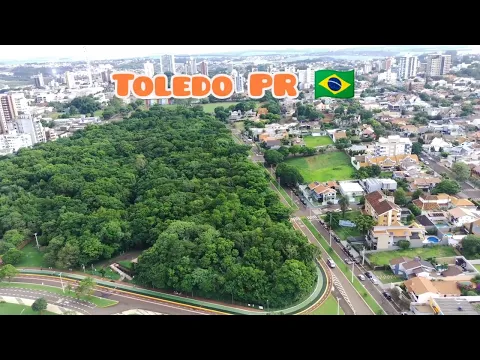

Tourism and Leisure
The Municipal Lake is the postcard of the city. The space welcomes visitors for walks, pedal boats, and picnics, according to reviews on TripAdvisor, creating a meeting point for outdoor leisure.
The Municipal Aquarium showcases species from the Paraná and São Francisco rivers. It serves as an environmental education center and reinforces the importance of regional water preservation.
The São José Matriz Church features contemporary architecture and colorful stained glass. Visitors appreciate the artistic ensemble while residents use the space for religious celebrations.
The Zanatta Events Center hosts agro-industrial exhibitions and technology fairs. During Expotoledo, rural producers and companies gather to discuss practices and trends in agribusiness.
Willy Barth Square honors German colonization with a historic monument. Additionally, it is a community area with a playground and ornamental vegetation that attracts families on weekends.
Cultural Life
The Toledo Oktoberfest brings together thousands of people to celebrate German heritage. Willy Barth Square centers booths with music, typical cuisine, and craft beers during the event.
The House of Culture preserves memories of European colonization. The Winter Festival complements the cultural calendar with music and theater aimed at family audiences.
The cuisine mixes German, Italian, and Brazilian influences. Restaurants serve cakes and sausages alongside traditional dishes maintained since the arrival of the first colonizers.
Nationally Prominent Agribusiness
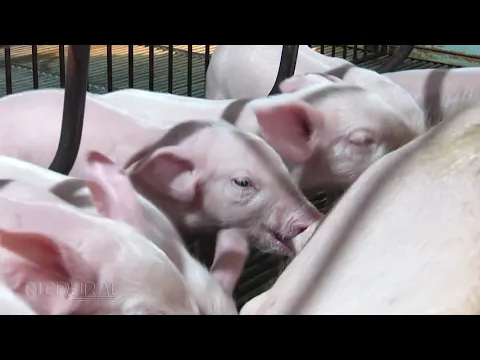
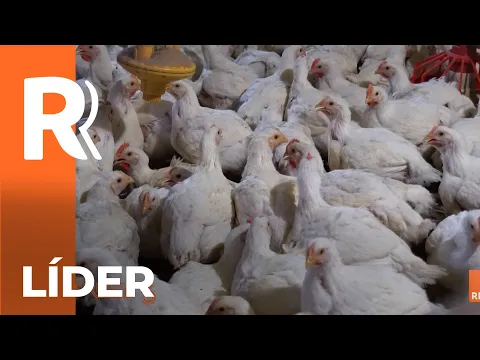
Toledo leads in pig and poultry farming in Brazil, according to the Paraná Department of Agriculture. Large cooperatives and industries strengthen regional production and expand job opportunities.
Copacol is among the largest Brazilian cooperatives in meat processing. Additionally, it generates billions in the economy and drives technological advancements in the agro-industrial sector.
The fertile soil and favorable climate sustain the cultivation of soybeans, corn, and wheat. The technology applied in the fields maintains high productivity and practices aligned with environmental sustainability.
Roots of German Colonization
Toledo was founded in 1946 by German settlers from Rio Grande do Sul. They brought advanced agricultural techniques and customs that remain alive in local traditions.
The first industries were sawmills and mills. Rapid growth occurred because immigrants organized efficient production and exploited abundant natural resources in the region.
Today, cultural heritage appears in architecture, cuisine, and typical events. The city takes pride in its origins while integrating diverse influences from Brazilian society.
Best Time to Visit
Between April and September, Toledo records temperatures from 12 °C to 25 °C according to Climatempo. May favors outdoor activities and coincides with the Oktoberfest.
Winter, from June to August, brings dry and mild weather. Therefore, it is ideal for rural tourism and visits to agricultural properties.
October to March marks summer with regular rain. Afternoons feature gentle breezes from the Municipal Lake.
Local Experience
Toledo combines a solid economy, preserved traditions, and modern infrastructure. A welcoming city that balances growth, leisure, and security for families and new residents.
With information from Correio Braziliense.








-

-

-

-

-

-

20 pessoas reagiram a isso.