






 Portuguese
  Spanish
 5 min of reading
  1 comment


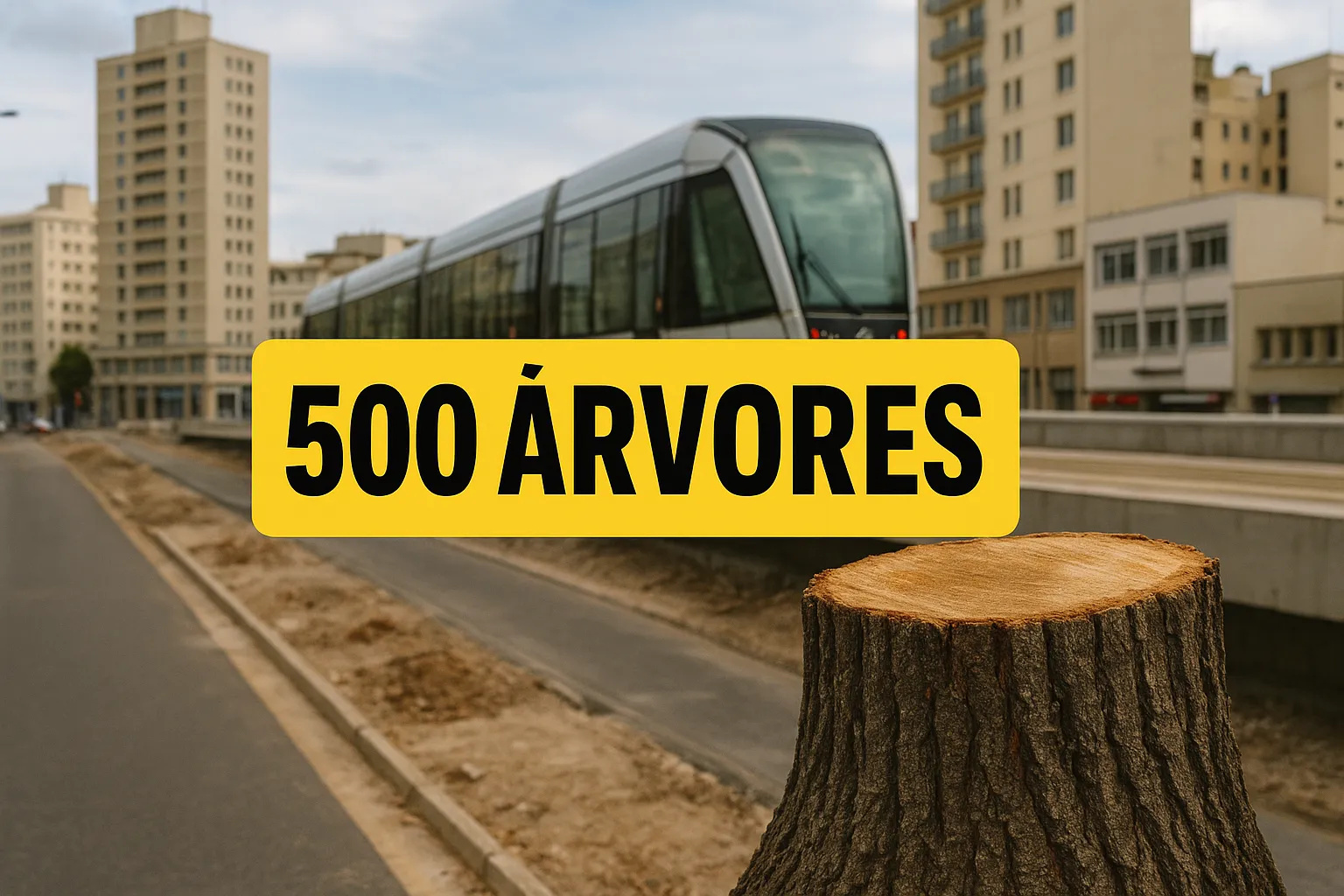


Suppression of 491 Trees for VLT Works on Avenida Alberto Craveiro in Fortaleza Alters Urban Landscape, Provides Environmental Compensation in Jangurussu, and Changes Bicycle Lane Until Project Completion in 2027
The construction of the CEU Station of the VLT in Fortaleza resulted in the removal of 491 trees on Avenida Alberto Craveiro, in the Dias Macêdo neighborhood, to enable a new 5.1 km line to Arena Castelão, scheduled for completion in 2027.
According to Diário do Nordeste, the progress of the CEU Station works, linked to the Light Rail Vehicle, significantly changed the landscape of Avenida Alberto Craveiro, in the Dias Macêdo neighborhood, with the removal of 491 trees that occupied the central median.
The majority of the removed trees were yellow ipe and pink ipe species, which were part of the street tree planting and provided shade along one of the main urban transit corridors of the capital of Ceará.
-
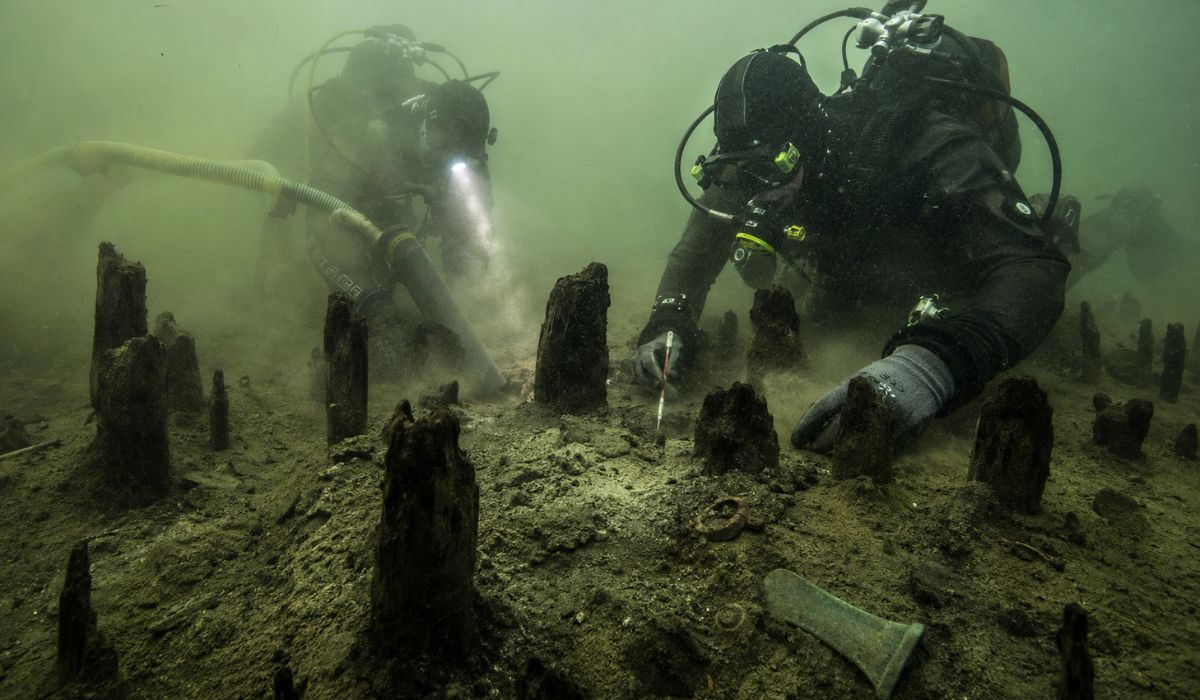
An entire village lay asleep at the bottom of a lake for 3,000 years: divers suction sediments in Italy and reveal more than 600 wooden stakes, bronze tools, and traces of a Bronze Age settlement hidden underwater.

-
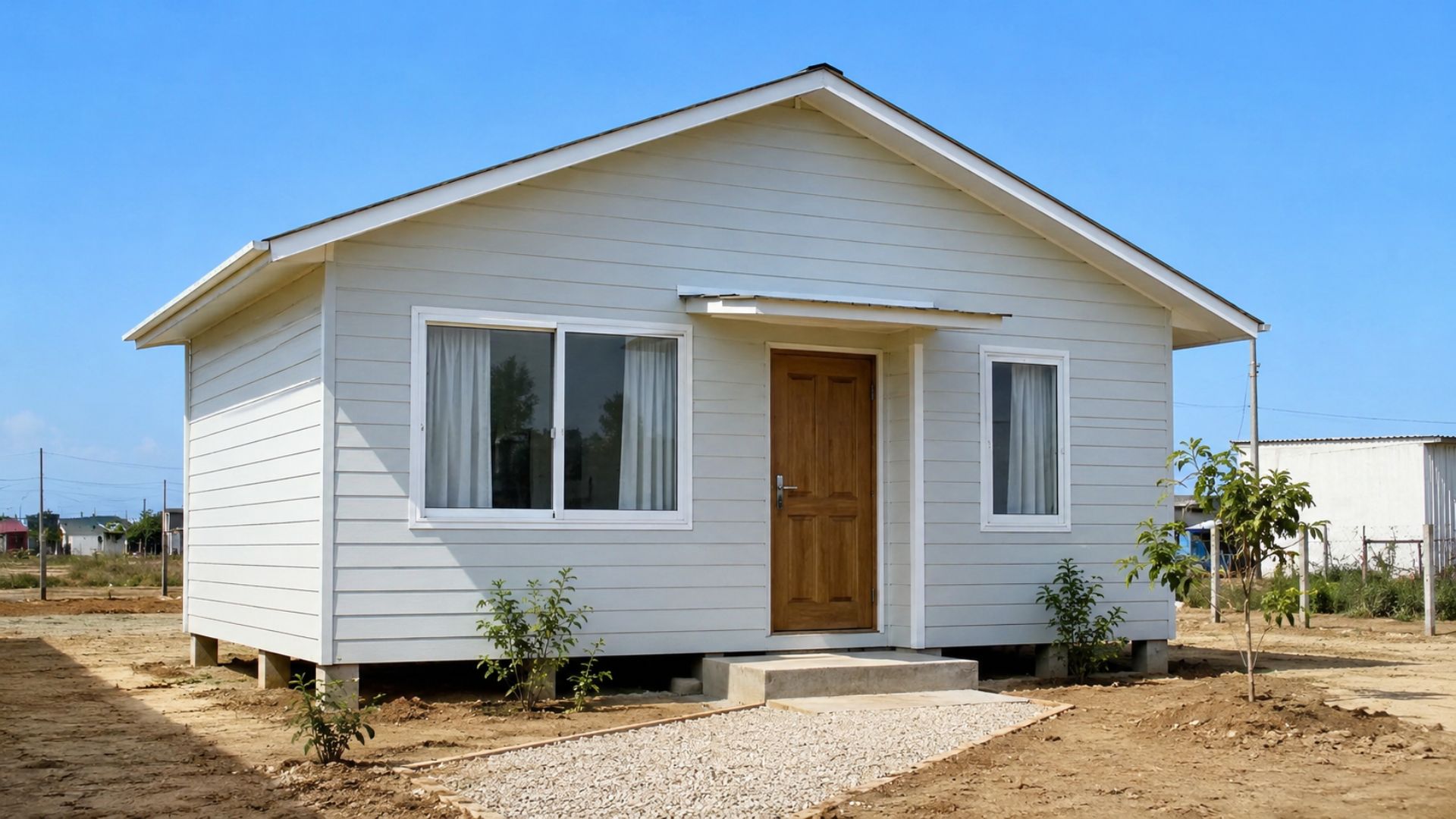
They call it the “Shopee house” and even cardboard, but the R$ 20,000 house is a certified Wood Frame from Alea, financed by Minha Casa Minha Vida: understand if it’s worth more than masonry.

-
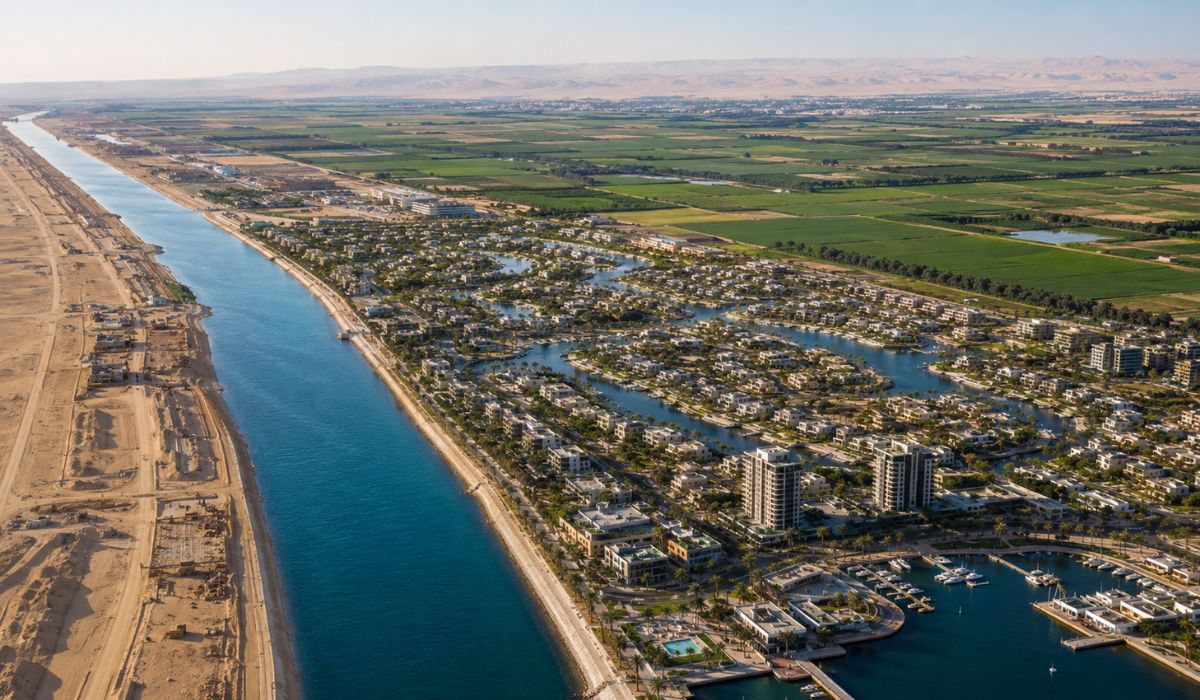
Egypt wants to divert 10 million m³ of Nile water per day, equivalent to 4,000 Olympic swimming pools, to build a glass city in the desert and irrigate 2.28 million acres, in a project that attempts to push life out of the country’s most contested valley.
-
Brazilian military personnel spend weeks in extreme training in the Amazon and receive a badge reserved for Jungle Warriors during the celebration of the 60th anniversary of one of the most demanding and respected courses in the world.

Residents of the area and environmental groups recently observed the suppression of vegetation, which gave way to fences, heavy construction equipment, and a large strip of land designated for the installation of the train station.
According to the Department of Infrastructure of the State of Ceará, Seinfra, the use of the central median is necessary for the construction of the CEU Station, making it impossible to return the trees to the site after the work is completed.
Seinfra reported that the vegetation suppression was planned since the project’s design phase and received authorization from the State Environmental Superintendency, Semace, the agency responsible for the environmental licensing of the work.
In a statement, Seinfra affirmed that the project has a valid environmental license since the beginning of the interventions, which started in September of this year, emphasizing that all stages comply with the legal parameters established by environmental agencies.
The removal of trees occurs in the context of the expansion of the VLT system in Fortaleza, which anticipates a new line connecting Fortaleza Airport to Arena Castelão along a total route of 5.1 km.
In addition to the rail section, the project includes the construction of two new stations, the CEU Station, short for Condomínio Espiritual Uirapuru, and the Castelão Station, expanding the coverage of rail transport in the city.
As a compensatory measure, Seinfra announced the planting of 3,573 native species seedlings in other parts of the city, replacing the trees removed from Avenida Alberto Craveiro.
The replanting will take place in the Jangurussu neighborhood, specifically in the Transecto Rua Catolé, in the Polígono Complexo Residencial Sítio São João, in the Polígono Principal Sítio São João, and in small parks located in the region.
According to Seinfra, the definition of these areas complies with current environmental regulations and follows recommendations from the Municipal Secretariat of Urbanism and the Environment, Seuma, responsible for urban environmental planning in the municipality.
Impacts for the City
For Francisco Rérisson Carvalho Correia Máximo, architect, urban planner, and professor at the Federal Institute of Ceará, IFCE, the removal of trees on high-traffic roads makes the urban experience more difficult for pedestrians and users.
According to the IFCE professor, there is a false contradiction between the city and the environment, as cities are part of a larger environmental system and should not be planned antagonistically to vegetation.
Francisco Rérisson emphasizes that urban interventions need to consider the direct impacts on tree cover, especially in a city historically known for high temperatures throughout the year.
The specialist recalls that Fortaleza is the only coastal capital in Brazil located in the semi-arid biome, which intensifies the importance of the presence of trees to mitigate heat and improve urban climate conditions.
According to the architect, the greater the removal of trees and other plants, the more persistent the high temperatures become, increasing the thermal discomfort experienced by the population in high-traffic areas.
In addition to the climatic effect, Francisco Rérisson points out consequences such as the loss of biodiversity, reduction of available green areas, and alteration of the urban landscape along structural corridors.
The professor assesses that the impacts of vegetation suppression are not always immediately measurable but accumulate over time, negatively transforming living conditions in the city.
For him, urban planning is the main tool to reduce the effects of human interference on the environment through integrated strategies for occupation and environmental preservation.
Francisco Rérisson advocates for the existence of an urban greening plan that encompasses both the maintenance of existing trees and the expansion of green areas in different neighborhoods of the capital.
According to the IFCE professor, the city has been developing a relationship of denial regarding vegetation as an essential element of the urban environment, a scenario that will need to be revised in light of future demands.
Changes in the Bicycle Lane
Another change associated with the works was the removal of the bicycle lane located in the central median of Avenida Alberto Craveiro, altering the cycling dynamics in the construction area.
With the intervention, the bicycle lane was divided into two directions of the road, requiring the release of exclusive bus lanes for the traffic of all vehicles.
In a note sent to Diário do Nordeste, Seinfra reported that the bicycle lane was widened to 3 meters, one meter more than the previous arrangement, and is now separated by fences.
Seinfra added that the project for the relocation of the bicycle lane was approved by the Municipal Traffic and Citizenship Authority, AMC, which will define the permanent location after the completion of the works, scheduled for 2027.
Even with the announced changes, cyclists who regularly use the road reported dissatisfaction with the alterations implemented during the construction period on Alberto Craveiro.
Environmentalist Eraldo Sá, an urban cyclist for about ten years, stated that he feels the impact of the tree removal during his weekly commutes, especially due to the lack of shade along the route.
According to Eraldo Sá, users of motor vehicles with air conditioning do not perceive the direct effects of the loss of green cover, unlike those who use active mobility daily.
Architecture and Urbanism student Mateus Barboza also criticized the suppression of trees, recalling that many had been planted less than ten years ago and were still in the developmental phase.
For Mateus, the trees had only recently started to provide shade for cyclists, and their removal represents a setback in a context of struggling for more greening in bike paths and bicycle lanes.
Seinfra reported that the deadline for completion of the new VLT line works and the CEU and Castelão stations is scheduled for 2027, according to the current timeline.





Deveriam plantar primeiro para depois intervir no projeto urbano. Isso é pressa e falta de planejamento e coisas que nem vou comentar.