





 Portuguese
  English
  Spanish
 5 min of reading
  2 comments


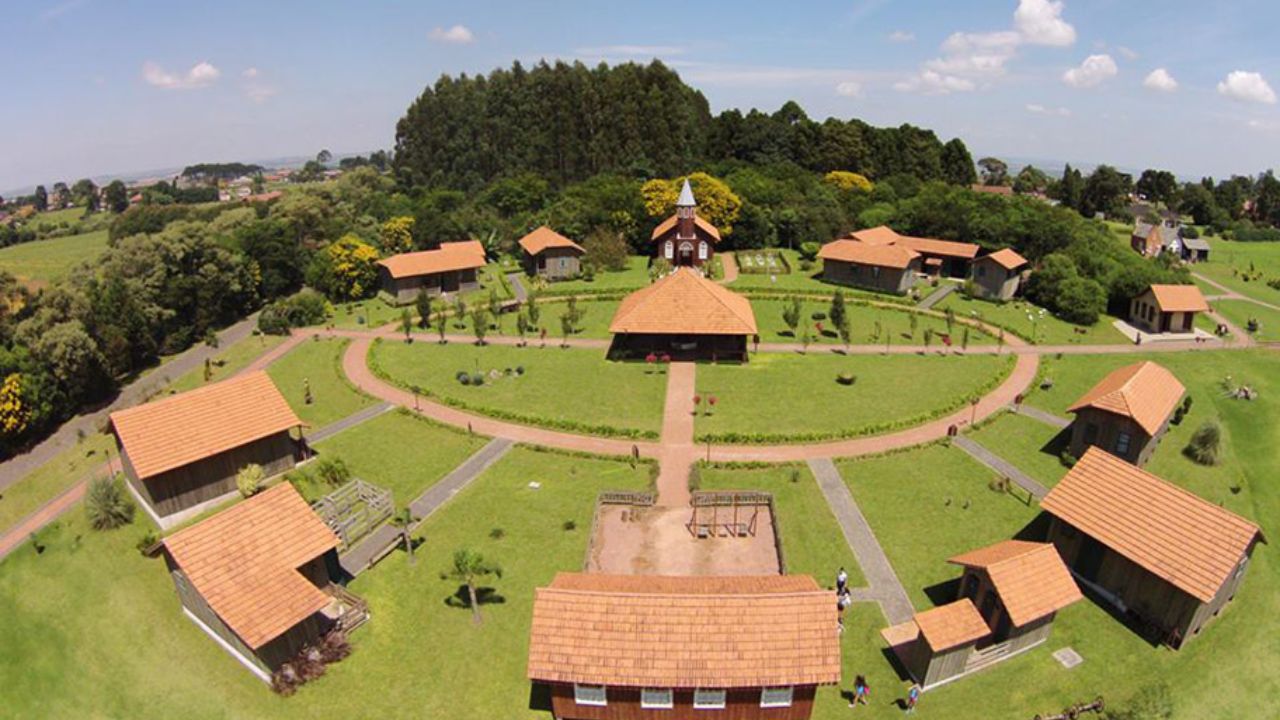


In This Brazilian City in the Interior of Paraná, Dutch Immigration Became Tradition in Milk, Cheese, and Pies, and Today Delights Travelers with a Living Museum, Lavandário, and Flavors Full of Memory.
The Brazilian city we are visiting today was born from a seductive invitation and a courageous crossing. In the early 20th century, official propaganda sold Brazil as the “land of opportunities” and pushed European families towards the unknown, promising work, abundant land, and a possible fresh start.
That’s how Dutch immigrants crossed the ocean, arrived in the interior of Paraná, and found in the countryside a way to survive and maintain their identity. Milk became sustenance. Cheese became tradition. And memory became landscape, preserved in the houses, flavors, and spaces that tell this story in detail.
The Promise of a New World and the Courage to Cross the Ocean
The message was direct: come to the land of opportunities. The Brazilian government traveled across Europe trying to attract workers and settlers, reinforcing the idea that here everything planted thrived and that there was space for a fresh start.
-
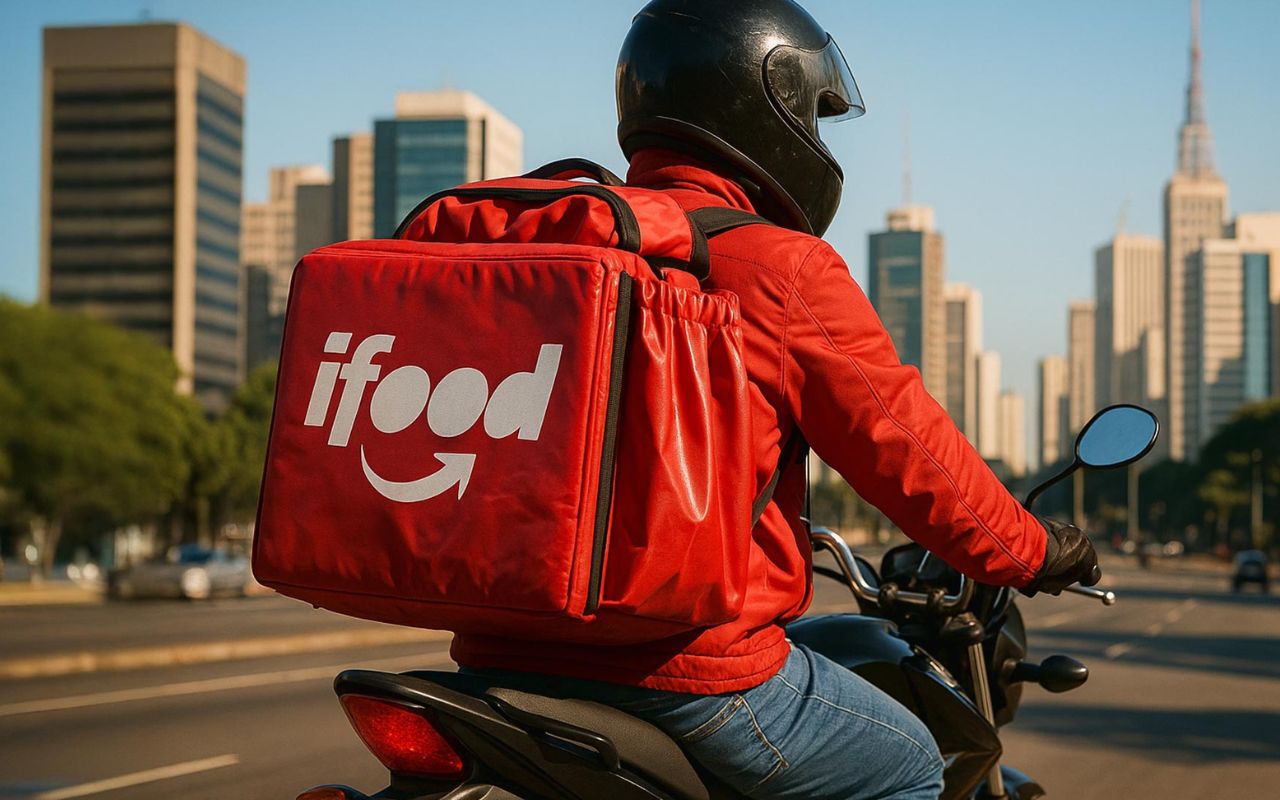
How much does an iFood delivery person earn? Here are approximate earnings values per day, week, and month.
-
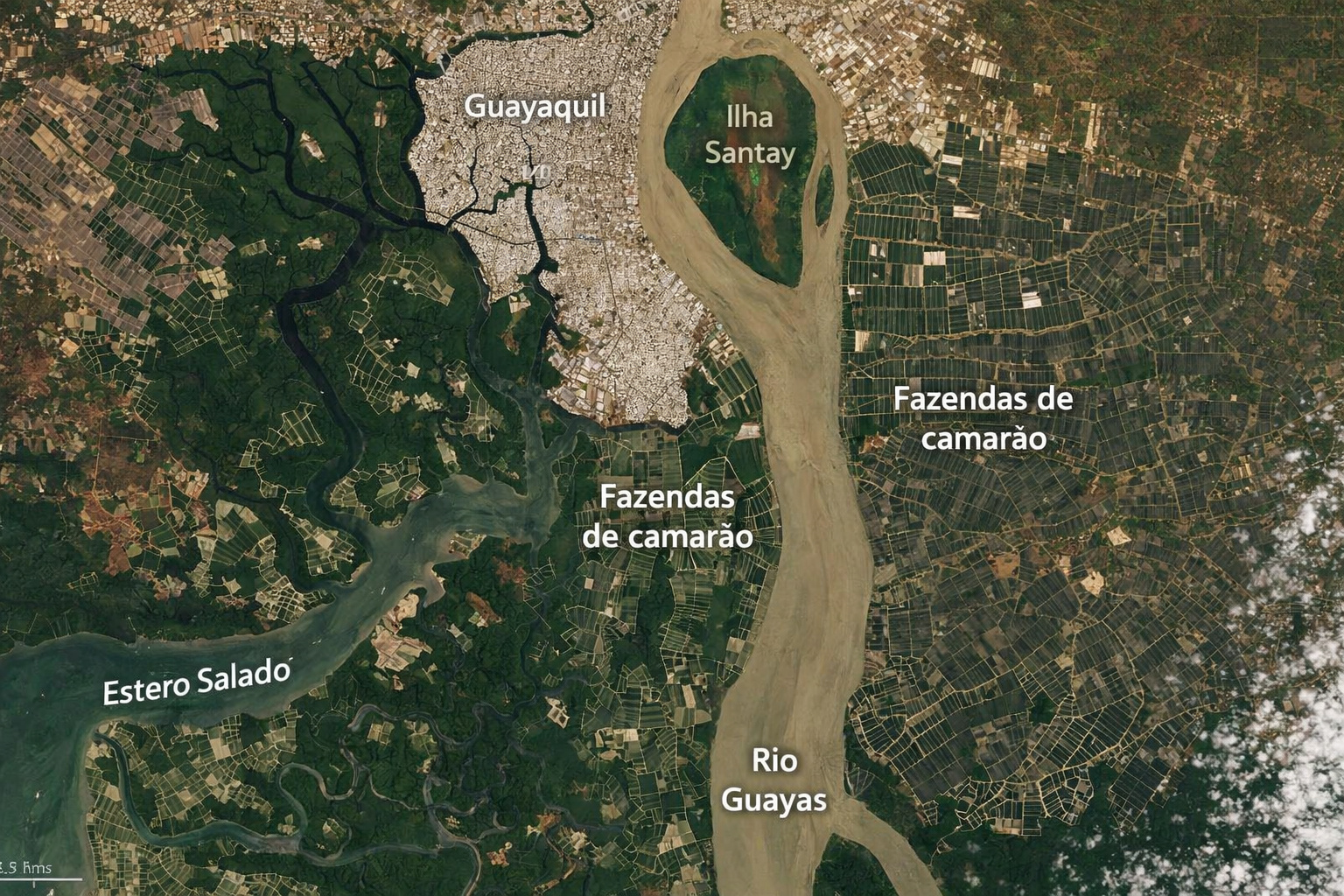
In Ecuador, a gigantic port city is surrounded by rectangular aquaculture tanks that rise from the space like artificial water neighborhoods, revealing a coastal transformation little known outside of South America.
-
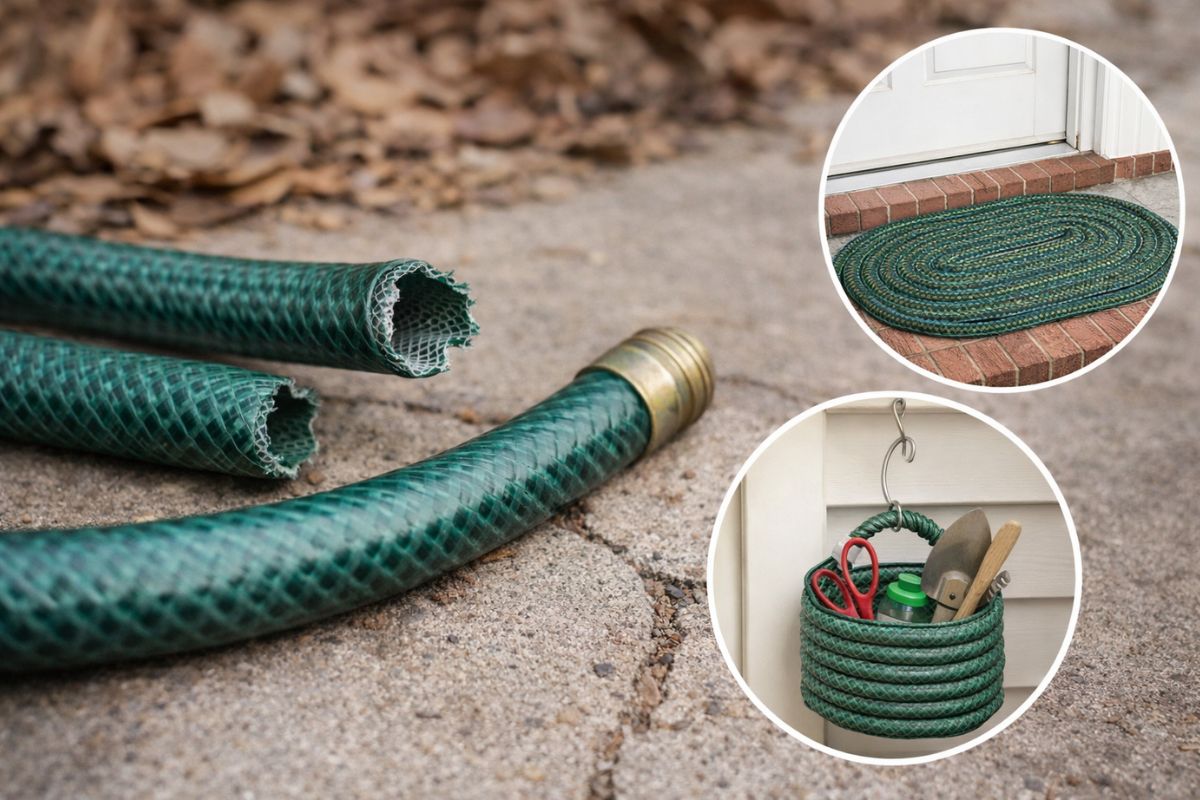
Millions of people throw away broken hoses without knowing that this durable and flexible material can be transformed into two valuable items for the home at almost no cost.
-
Do dogs “sing” along with music? A study reveals that some pets adjust their howling to the sound of music.

Many people believed it. The crossing brought dreams, faith, and a way of life that did not disappear with adaptation. What changes is the scenery, not necessarily the roots, and the Dutch who arrived in Paraná carried two traditions as a compass: milk and cheese.
Why Carambeí Grew Where It Grew


Our destination is Carambeí, in Paraná, about 137 km from Curitiba. This Brazilian city was formed from a rare combination: fertile land, strategic position, and the push of the railway.
The arrival of immigrants coincided with the interest of a company linked to the occupation and expansion of the railway on the old Carambei farm. The agreement required commitment and adaptation, but offered the minimum to start: a plot of land, a house, a yoke of oxen, and, on average, three cows, in addition to fertilizer and seeds to encourage planting.
The goal was simple and decisive: to form a community, create work, and boost the local economy.
Milk, Cooperative, and the Moment When the City Takes Shape
After the initial shock, it was unity that changed the game. In 1925, nine settlers founded a dairy cooperative, and the production of milk, butter, and cheese became a driving force for development. Schools, churches, businesses, and more families came.
Over time, this collective structure also helped build the city itself. Carambeí became a municipality in 1995, sustained by this cooperative spirit that appears in daily life and local pride. In this Brazilian city, the sense of community is not a decoration, it is a foundation.
Historical Park Museum: When Memory Becomes a Place to Walk
If there is a point where past and present embrace, it is the Historical Park Museum. It was created to preserve the history of Dutch immigration and serves as an immersive setting where visitors not only look but walk through a historical village.
The Memory House gathers photographs, personal objects, and documents. The historical village impresses with its setting, featuring replicas of dairy farms, workshops, a school, a train station, and a church. It’s a journey through time on a real scale, made to feel what it was like to live there a century ago.
Flavors as Document: Cookies, Pies, and a Piece of History on the Table
In Carambeí, the Brazilian city also tells history through taste. In the museum itself, a restaurant invites visitors to try recipes that keep Dutch tradition alive, with sweets and savory dishes that carry memory.
And when it comes to pie, tradition becomes routine. There is mention of the pie festival that helped spread the custom, and bakers began producing dozens of flavors, among classic and public favorites, such as strawberry chocolate pie, blackberry pie, and Dutch pie. Here, pie is affection in the form of a recipe, passed down from generation to generation.
Lavandário: The Sensory Experience That Completes the Journey
The Brazilian city also surprises when you leave the center and enter the rural area. The lavandário appears as an attraction that references the Netherlands, with typical architecture, a hammock, a walk among lavenders, a wisdom bridge, artisanal products, and an atmosphere designed to slow down.
At the lavender museum, the experience becomes discovery. Visitors see, touch, and feel the differences between types of lavender, understanding that each scent carries a story. The tour is not just beautiful, it is sensory, one that stays in memory for a long time.
Cheesemaking and Dutch Tradition: When Milk Becomes Signature
The connection with milk reappears strongly at the lavandário’s cheesemaking facility. The cheese culture, brought by the immigrants, mixes with the dairy life of the region and gains original and traditional versions.
The highlight mentioned is a creamy, buttery Dutch cheese that has won the Brazilian palate, as well as variations with lavender, herbs, and more striking versions. Typical European productions and cheeses with their own identity also appear. It’s tradition updating without losing its roots, with technique, research, and creativity.
Carambeí Today: A Dutch Way of Life that Remains Alive in Paraná
Carambeí is presented as a Brazilian city where Dutch influence is visible in the architecture, gardens, flavors, and care for memory. It’s a place that shows how an ocean crossing can turn into roots, work, and identity.
The result is a destination that combines history, gastronomy, nature, and culture in layers. You visit for the itinerary and leave with the feeling of having encountered a different Brazil, made of details, good silence, and memories that continue moving.
Which detail of this Brazilian city do you find most fascinating: the history of immigration, the tradition of milk and cheese, or the experience of the lavenders and pies?







Certamente o conjunto. Experiência válida. A conferir
Certamente o conjunto. Experiência válida. A conferir.