





 Portuguese
  English
  Spanish
  5 min of reading
  2 comments


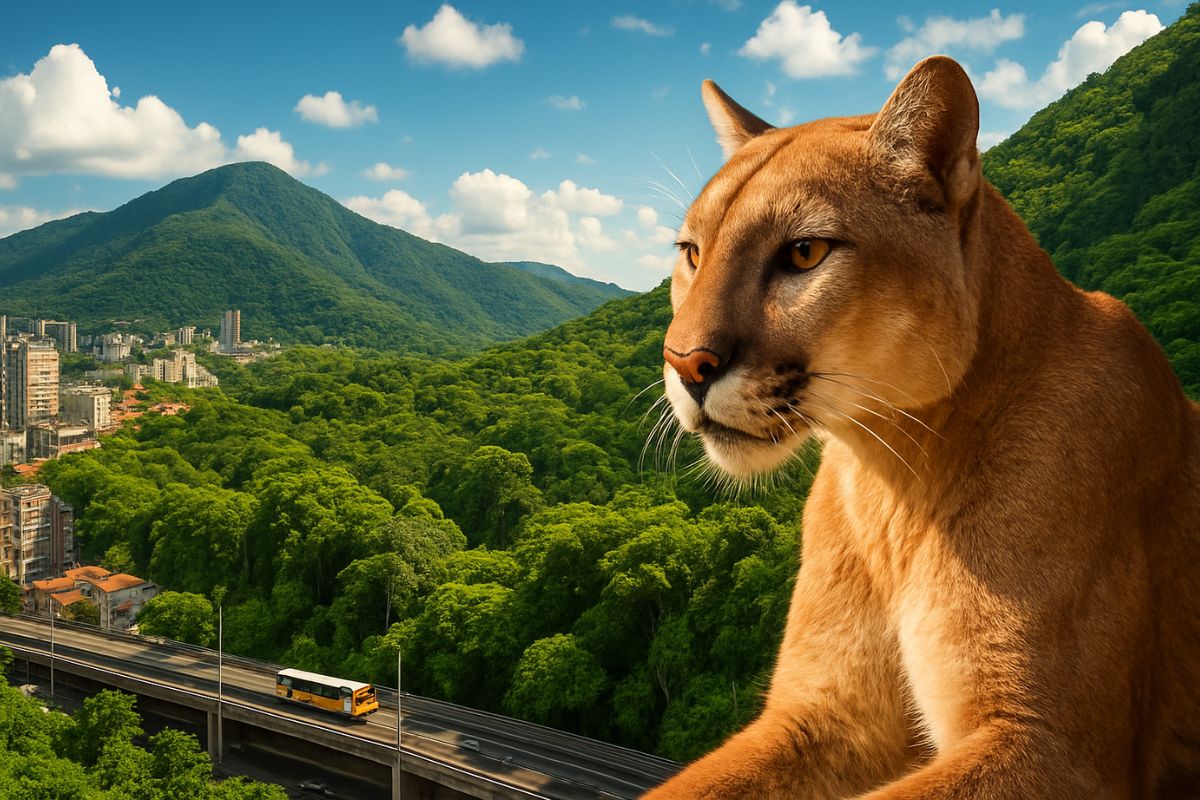


With 12,500 Hectares, the Pedra Branca State Park Advances Through the West Zone of Rio and Houses Cougars, Springs, and a Rare Mosaic of Urban Biodiversity.
The largest urban forest on the planet is in Brazil and is located within the city of Rio de Janeiro. It is the Pedra Branca State Park, a green massif of 12,500 hectares (125 km²) that cuts through West Zone neighborhoods such as Jacarepaguá, Vargem Grande, Guaratiba, and Bangu, functioning as a climate regulator, nursery for springs, and refuge for typical Atlantic Forest fauna.
More than a “green lung,” the area is essential natural infrastructure: it reduces heat islands, softens runoff, protects water sources, and offers leisure and nature tourism to a metropolis of 6.7 million inhabitants. The scale and contiguity of Pedra Branca sustain the title of the largest urban forest on the planet, often confused by laypeople with other notorious green areas in Brazil.
Pedra Branca in Numbers: Where It Is and What It Protects
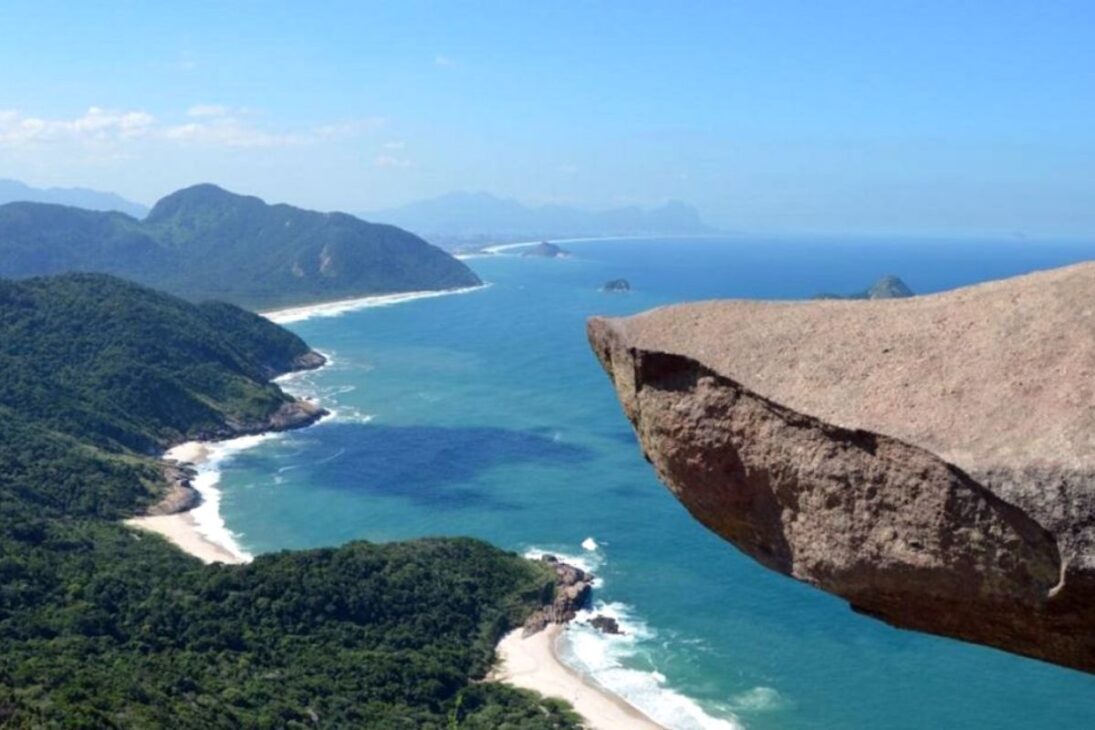
The largest urban forest on the planet spreads across the slopes, valleys, and peaks of the homonymous massif, with altitudes exceeding 1,000 m and a network of trails, streams, and waterfalls.
-
The United States has a serious problem with its F-35s: China is already producing fighters at a pace that exceeds American capacity and could manufacture up to 300 aircraft per year before the end of the decade, shifting the global military balance.
-
A retired IT professional built a 22-meter boat in his backyard in Oklahoma with a school bus engine, light pole masts, and handmade watertight doors to become the redneck version of Jacques Cousteau.
-
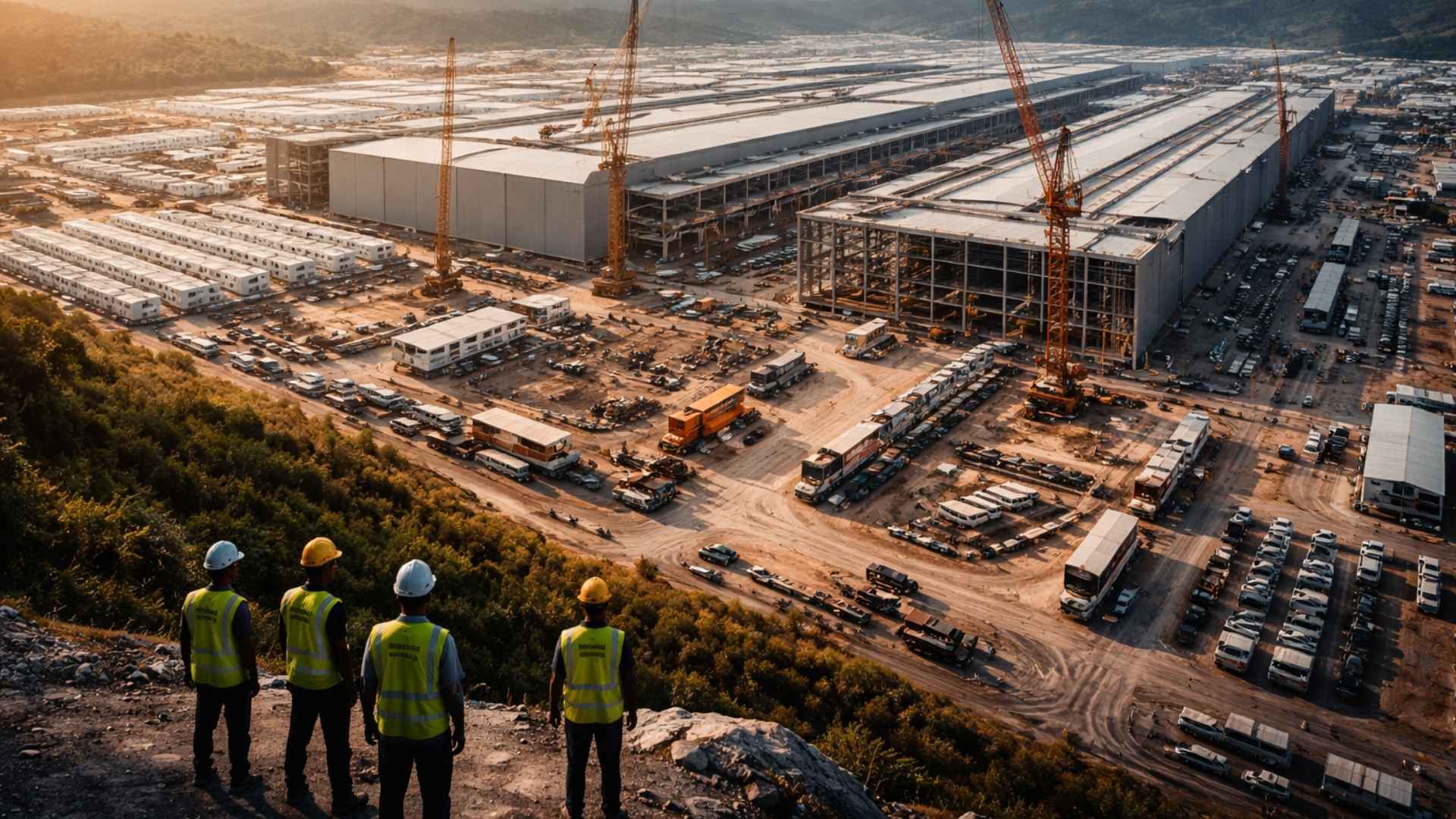
China is building a city in Brazil: a complex with an investment of R$ 5.5 billion comes to light, but allegations involving workers draw attention.
-
While Argentina buys old war equipment, Brazil is keeping an eye open and joins the select group of nations with advanced military technology by investing $5.2 billion, producing 36 Gripen fighters in the country, and reducing operational costs.


The forest core is contiguous, which is crucial for conserving ecological processes and allowing the movement of medium and large species.
In the understory and canopy, the Atlantic Forest appears in different stages of regeneration.
Jequitibás, quaresmeiras, angicos, and native palms compose the scenery, alongside epiphytes and bromeliads that indicate good air quality and high humidity.
The springs that flow from the massif feed reservoirs like Camorim and Pau da Fome, directly impacting urban water supply.
Biodiversity of Weight: Cougar and an “Elder” of the Forest
The park’s fauna includes cougars (Puma concolor), top of the food chain that indicates a still functional environment within the metropolis.
There are also records of cutias, monkeys, rare birds, and pollinating insects, key players in natural regeneration.
In 2025, the discovery of a jequitibá-rosa about 500 years old and 40 meters tall gained prominence, a “skyscraper” with a wide crown that reinforces the area’s value as a shelter for endangered species.
Old trees store carbon, stabilize the microclimate, and sustain complex food chains, benefits that are hard to replicate with recent plantings.
History and Creation: Why the Park Was Born
The advance of deforestation between the 19th and 20th centuries degraded the slopes and water sources of the West Zone.
The formal creation of the Pedra Branca State Park in 1974 responded to a classic problem of Rio: protecting water and soil in a rapidly growing metropolis.
Since then, the park has experienced periods of low infrastructure and limited oversight.
When protection moves from paper to trail, the forest responds: sections regenerate, fauna begins to circulate again, and the environmental services provided to the city multiply from thermal comfort to flood control.
Ecosystem Services: Climate, Water, and Water Security
In heat waves, the massif reduces temperatures in neighboring neighborhoods and creates a “natural air conditioner” for the city.
The largest urban forest on the planet also acts as a water sponge: it infiltrates rainwater, feeds aquifers, and flattens flow peaks that would cause floods.
This “natural engineering” costs less than equivalent grey works and brings co-benefits: cleaner air, reduced noise, active pollinators, and shaded leisure areas that directly impact public health.
Public Use and Local Economy: Trails, Lookouts, and Work
Pedra Branca has an extensive network of trails from Pau da Fome to Pedra do Telégrafo, lookouts, and little-known waterfalls.
Accredited guides, tour conductors, and community-based businesses can turn visitation into income, as long as it is organized and compatible with conservation.
To achieve this, signage, visitor management, and combating irregular activities (such as unauthorized charging for services and litter on the trails) are basic measures.
When public use is qualified, it helps protect: it increases belonging and social oversight.
Threats and Governance: What Still Hinders Protection
Like any urban conservation area, the park suffers from irregular occupations, fires, and real estate speculation.
The edge is the frontline: where the city pressures, the forest loses. There are also exotic species competing with native flora and fragmentation due to access roads.
The response lies in continuous oversight, recovery of degraded edges, and integration with housing policy.
Without governance, natural capital is lost; with governance, the forest becomes a policy of climate, water, and public health.
The collaboration between state management, the city hall, universities, Fiocruz, Embrapa, NGOs, and surrounding communities is crucial.
Pedra Branca vs. Other Forests: Why the Title Matters
For decades, part of the public has confused the title with areas such as Tijuca (also in Rio) and Cantareira (in São Paulo).
The central difference lies in the cut and contiguity within the urban perimeter. In the case of Pedra Branca, the 12,500 hectares form a continuous forest block embedded in the city, a criterion that sustains the classification of the largest urban forest on the planet.
This recognition is not just a trophy. It guides investment priorities, research, and climate adaptation, and helps attract resources to keep the forest standing, which ultimately lowers urban living costs and increases resilience.
How to Visit with Low Impact: The Basics That Make a Difference
Bring only what is necessary and take back all your trash. Avoid shortcuts and do not feed animals, to avoid disrupting animal behavior.
Prefer accredited local guides on more technical trails and check weather and fire conditions before going.
Small choices add up: your footprint matters in a sensitive area like Pedra Branca.
Do you live near the park or have you walked any trails in Pedra Branca? Do you notice a temperature difference in your neighborhood? Are the springs and waterfalls clean?
Let us know in the comments which sections need signage, where there is pressure for occupation, and which trails you recommend for beginners. The largest urban forest on the planet is home to many people, and your real experience helps prioritize what to take care of first.




É importante maior investimento em fiscalização e manutenção.
Sou frequentador do PEPB e há tempos vejo a sede Piraquara abandonada, Núcleo que mais visito e conheço.
Dentre as trilhas, a mais degradada e sem manutenção é a da Pedra do Ponto.
Não há sinalização, orientação e o capim chega a cobrir muitos trechos.
Eu mesmo já fiz manutenção com facão e foice, mas o trabalho precisa continuar e sozinho o resultado é quase insignificante.
A parte alta do Parque está largada a própria sorte.
Pedra do Osso/ Jesus Vem a mesma coisa. A quantidade de carrapatos é monstruosa , só que sobe lá é que sabe .