





 Portuguese
  English
  Spanish
 4 min of reading
  5 comments


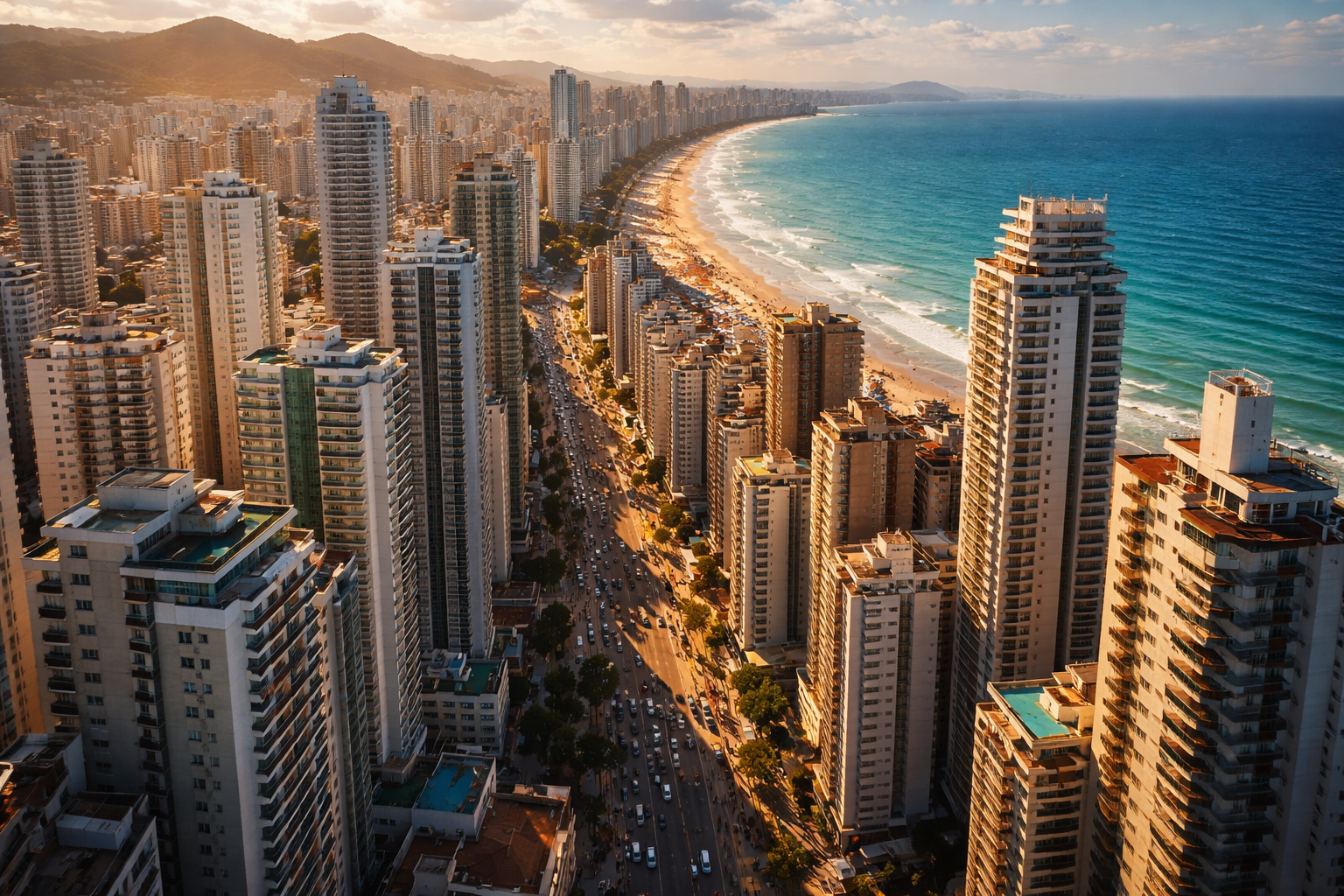


Santos Is The City Where The Most People Live In Buildings In Brazil; Historical Verticalization Transformed Entire Neighborhoods And Shaped Urban Life On The Coast Of São Paulo.
Walking through Santos, on the coast of São Paulo, it is impossible to ignore a trait that uniquely defines the city in the country: the overwhelming majority of the population lives in buildings. Unlike capitals marked by horizontal expansion or tourist cities with isolated buildings, Santos has built a continuous residential verticalization identity over decades, especially along the coastline and in the central neighborhoods.
Today, the municipality is widely recognized as the Brazilian city with the highest proportional concentration of residents living in apartments, a reality that shapes everything from the landscape to the functioning of urban infrastructure.
How Santos Became The City Of Buildings
The verticalization of Santos is not a recent phenomenon nor a product of modern real estate speculation. It began in the first half of the 20th century, driven by very specific factors. The city has a limited territory, squeezed between the sea, mangrove areas, and the Serra do Mar, which drastically reduced the possibilities for horizontal expansion.
-
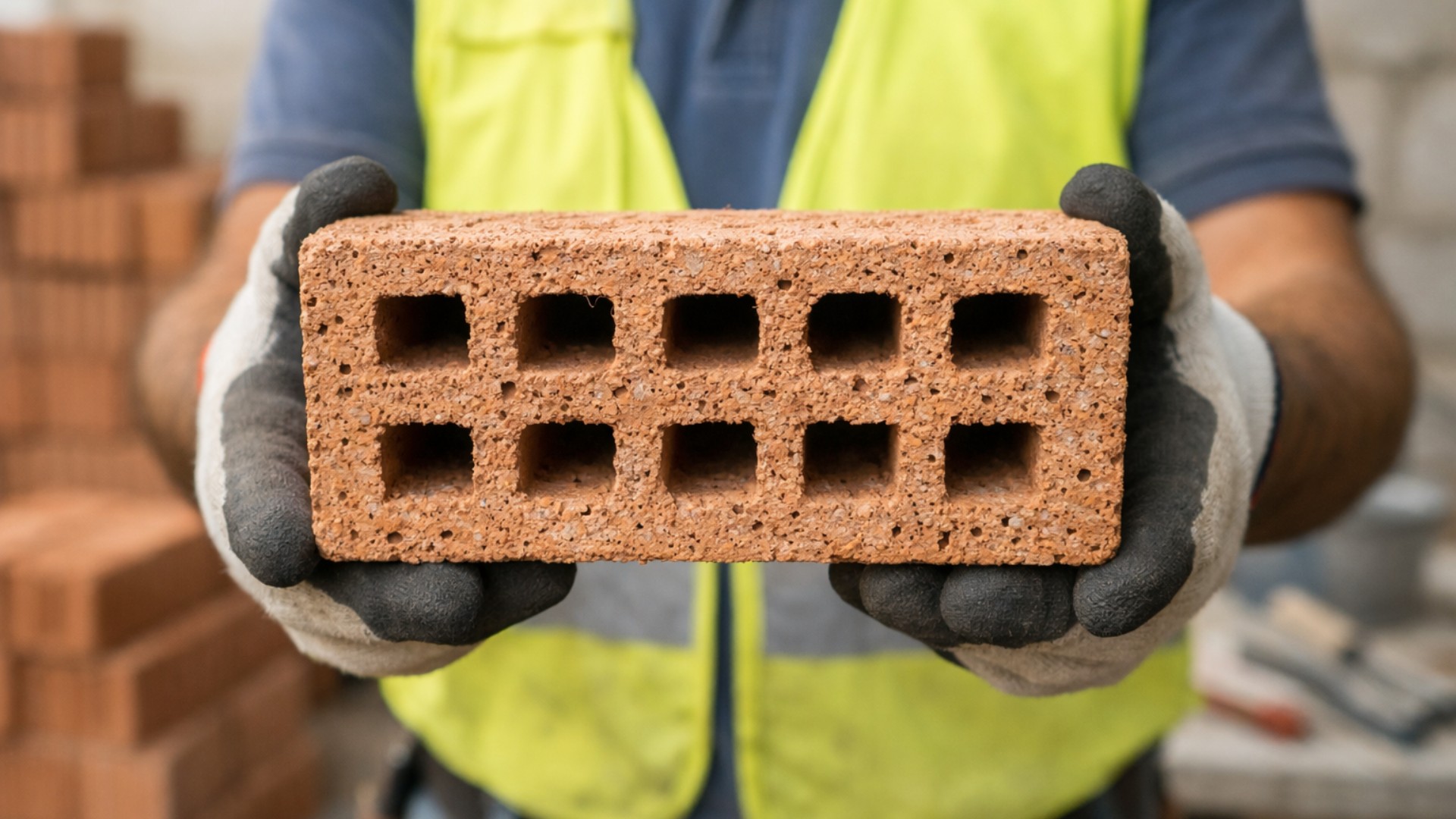
Scientists use sawdust mixed with clay to create a lighter brick, promising efficient thermal insulation and impressing by transforming waste into a solution for construction.
-
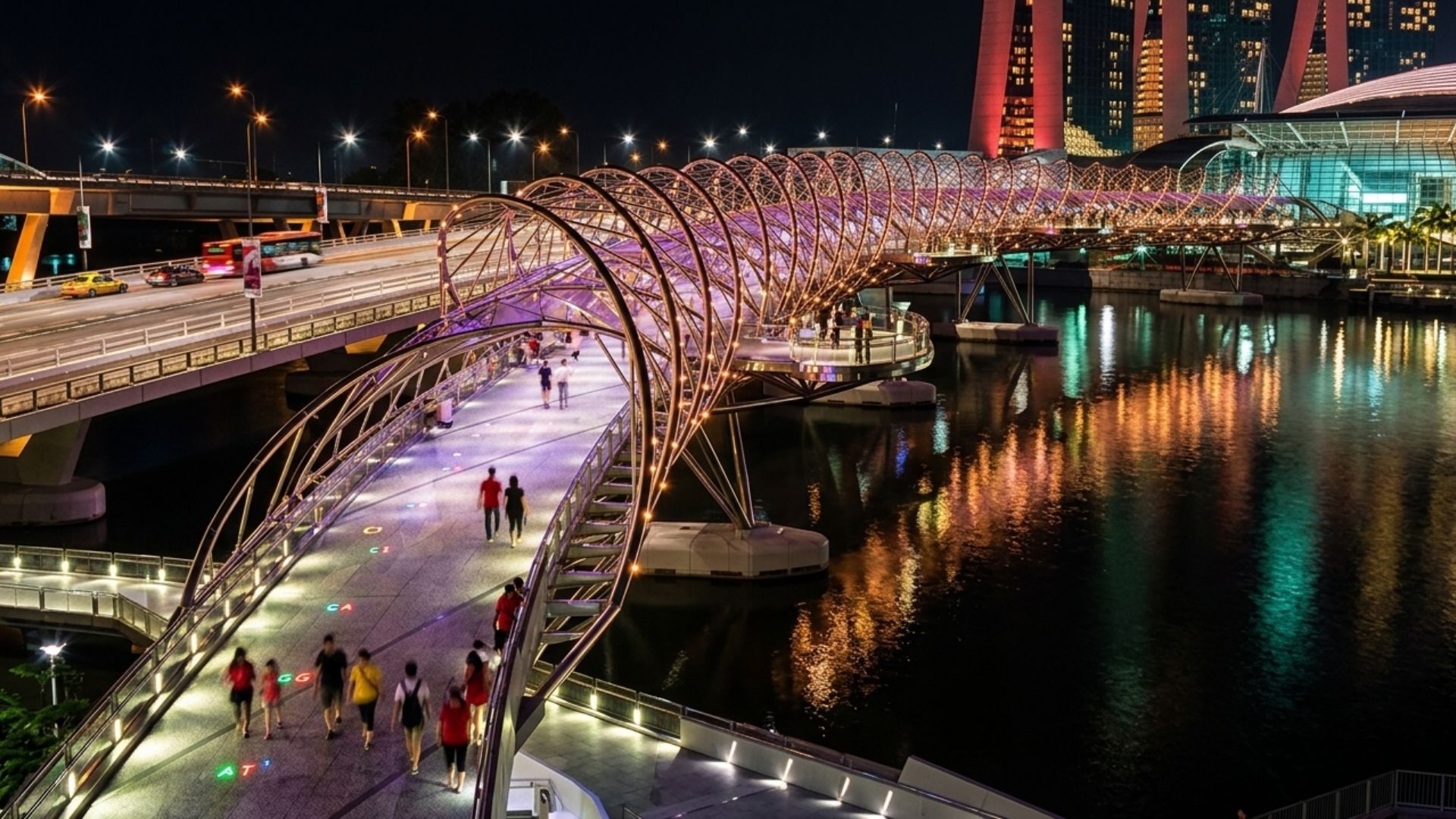
With a DNA shape, this bridge in Singapore draws attention in modern architecture and surprises tourists by transforming a simple crossing into an unforgettable visual experience in the urban heart.
-
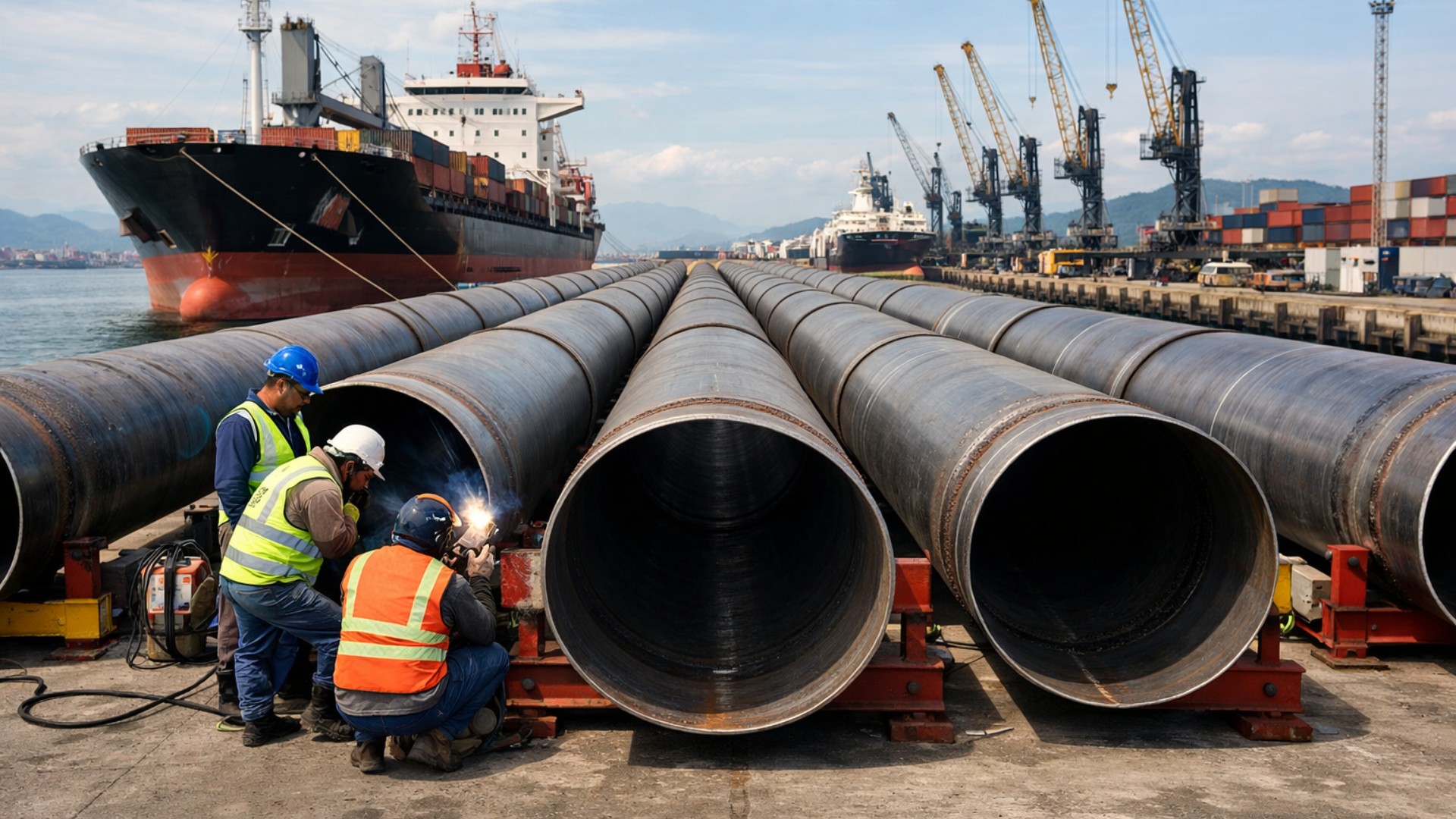
Giant underwater pipeline begins to take shape with a R$ 134.7 million project at the Port of Santos: the 1.7 km structure uses 12-meter and 700 mm pipes to supply water to 450,000 people in Guarujá.
-
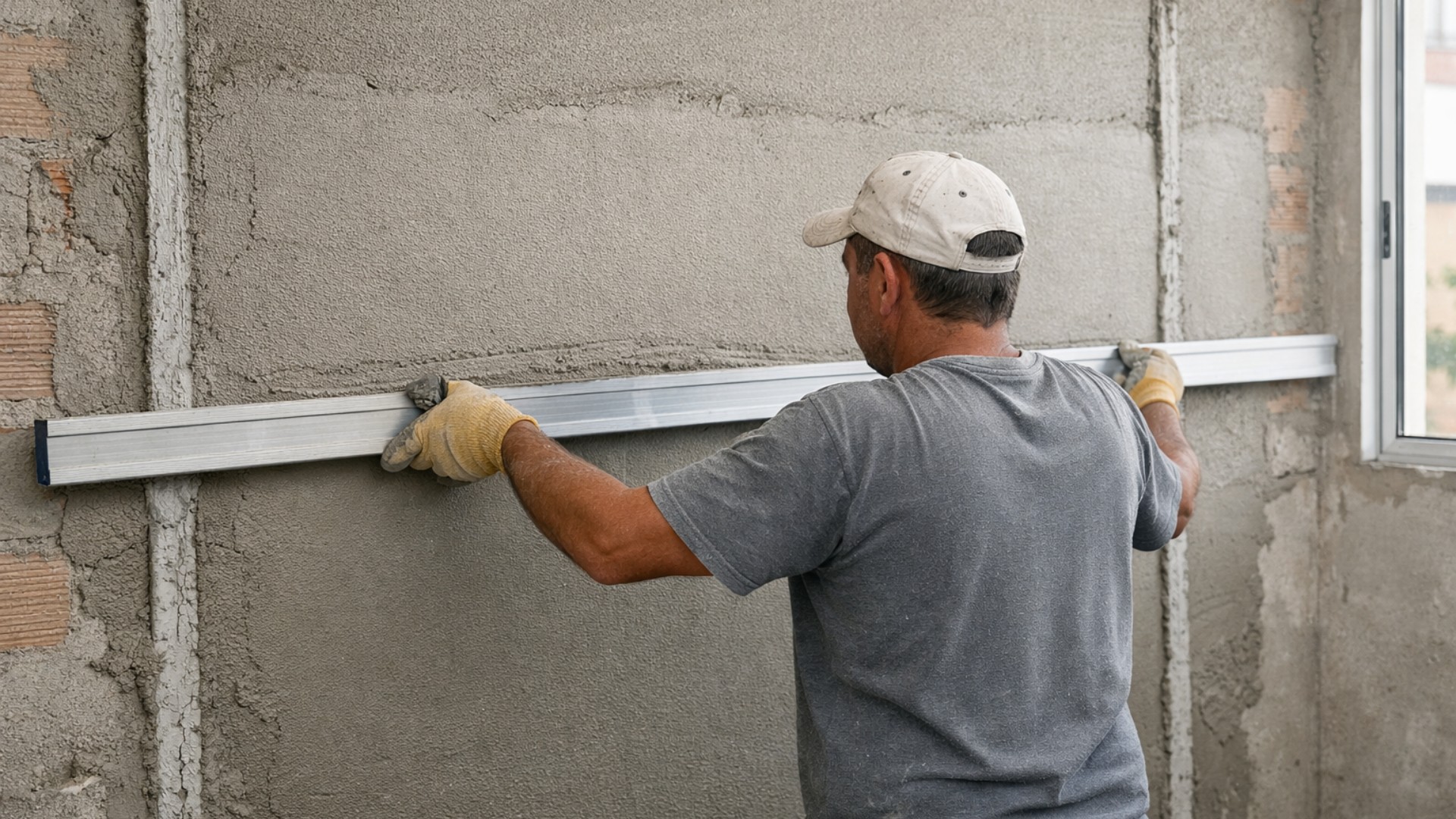
A mason reveals a professional plastering technique that uses aligned guides and a 3-meter ruler to plaster an entire wall in up to 3 hours, without visible seams, with uniform thickness, perfect plumb, and a finish ready for painting without rework.

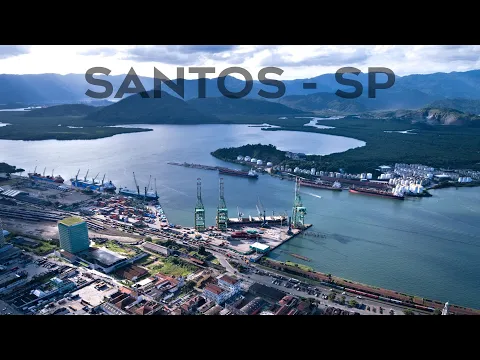

With little space to grow “outwards,” Santos began to grow upwards. The proximity to the São Paulo capital, the strategic role of the port, and the appeal of the coast as a permanent living location accelerated this process.
Vertical Coastline And Neighborhoods Dominated By Buildings
The beachside of Santos is one of the clearest examples of this urban model. Kilometers of residential buildings line up almost without interruption, forming one of the largest vertical continuities in the country. But the phenomenon is not limited to the coastline.
Neighborhoods like Gonzaga, Boqueirão, Ponta da Praia, and Aparecida show a nearly absolute predominance of buildings, with few remaining houses. In many areas, living in a single-story house has become the exception.
Direct Impacts On Urban Life
Living predominantly in buildings profoundly alters the dynamics of the city. The high population density in relatively small areas puts pressure on water, sewage, energy, mobility, and waste collection systems. At the same time, it facilitates access to services, commerce, and transportation, creating a compact and highly functional city.
Verticalization also influences social behavior. Life in condominiums, the intensive use of common areas, and coexistence in shared spaces are part of the daily life of most residents.
Advantages And Challenges Of This Model
Among the advantages are urban land optimization, proximity between residence, work, and services, and property appreciation in well-located areas. Santos manages to accommodate a significant population in a relatively small territory, something increasingly relevant in coastal cities.
On the other hand, the challenges are clear. Excessive verticalization can intensify heat islands, reduce natural ventilation in some areas, and create permanent shadows on the coastline. Furthermore, the aging of some buildings demands constant attention to maintenance, structural safety, and modernization.
Comparison With Other Verticalized Cities
Balneário Camboriú, in Santa Catarina, is often cited as a symbol of verticalization in Brazil, but for another reason: the height of the buildings. Santos differs not by the extreme height of the towers, but by the quantity and proportion of residents living in apartments.
While other cities combine houses, buildings, and horizontal neighborhoods, Santos adopted a practically homogeneous pattern, making it a singular case in Brazilian urbanism.
A City Shaped By Historical Choices
The current reality of Santos is the result of decisions accumulated over decades. Urban laws permissive of verticalization, constant real estate pressure, and geographical limitations have created a city where the building has ceased to be an alternative and has become the rule.

This model continues to influence new developments, debates about urban planning, and discussions about quality of life in densely populated areas.
When Living In A Building Becomes Urban Identity
More than a statistical data point, the fact that Santos is the city where most people live in buildings in Brazil is a central element of its identity. Verticalization is not just an architectural feature, but a factor that defines everyday life, the economy, mobility, and even the way residents relate to the city.
On the São Paulo coast, Santos has become an open-air urban laboratory, showing how far a city can go when it grows almost exclusively upwards.








Santos hoje é um verdadeiro caos e seus dirigentes não estão nem aí para isso. Na temporada quem mora na orla não consegue tirar seus veículos da garagem pois se tirarem não vão conseguir estacionar mais e na rua nem pensar já cheguei a deixar meu carro a mais de 6 quadras de onde moro. O trânsito é horrível e para colaborar os semáforos ( quase um por esquina) não trabalham em conjunto, é uma cidade cara e ficando com uma população envelhecida pois o jovem não tem emprego e os aposentados de outras cidades vem morar aqui, a fila dos que tem prioridade é maior do que a normal. Fora outros problemas que isso gera mas o trânsito é o preço são os piores dados para viver aqui e para piorar vão continuar fazendo mega edifícios na cidade.
Sou santista de nascimento e vivi essa realidade desde a década de 60! Há dois anos me mudei para uma pequena cidade do interior a procura de uma melhor qualidade de vida! Santos vive hoje uma cidade caótica, com custo de vida elevado! A multiplicação de torres de apartamentos acaba forçando uma densidade perigosa, colocando em cheque a atual infra estrutura urbana da cidade!
A agora estamos assistindo a demolição de pequenos prédios de 3 andares para que se construam edifícios bem mais altos.