





 Portuguese
  English
  Spanish
  5 min of reading
  0 comments


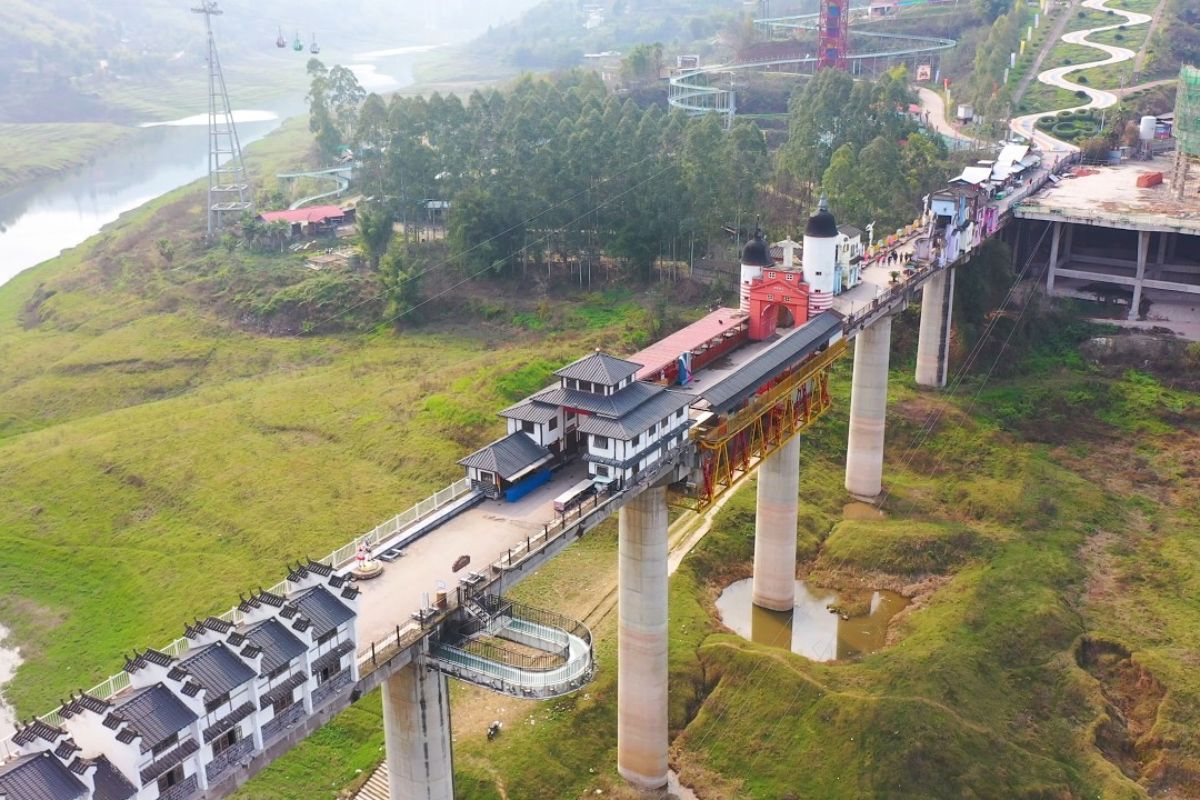
City Built On A Bridge Blends Chinese And European Styles, Utilizes 400-Meter Structure, And Transforms An Overpass Into A Unique Tourist Attraction In China
The city built on a bridge in the Fuling district of Chongqing is the kind of place that seems fictional until visitors finally see the river below. On a viaduct about 400 meters long and over 100 meters high, colorful houses, traditional facades, and structures supported by pillars create a scene reminiscent of illustrations from children’s books and fantasy films.
Over this elevated base, the city built on a bridge has been organized like a small “wine city,” with shops, viewpoints, narrow passages, and a succession of buildings that combine eastern and western references. The visual ensemble mixes white walls and dark roofs typical of Chinese architecture with multicolored facades inspired by Europe, reinforcing the feeling of traveling through different places in just a few minutes of walking.
Where The City Built On A Bridge Is Located In Chongqing

Located in the Fuling district of Chongqing, the so-called “Beautiful Heart Wine City” occupies the entire structure of a bridge that crosses a large river.
-
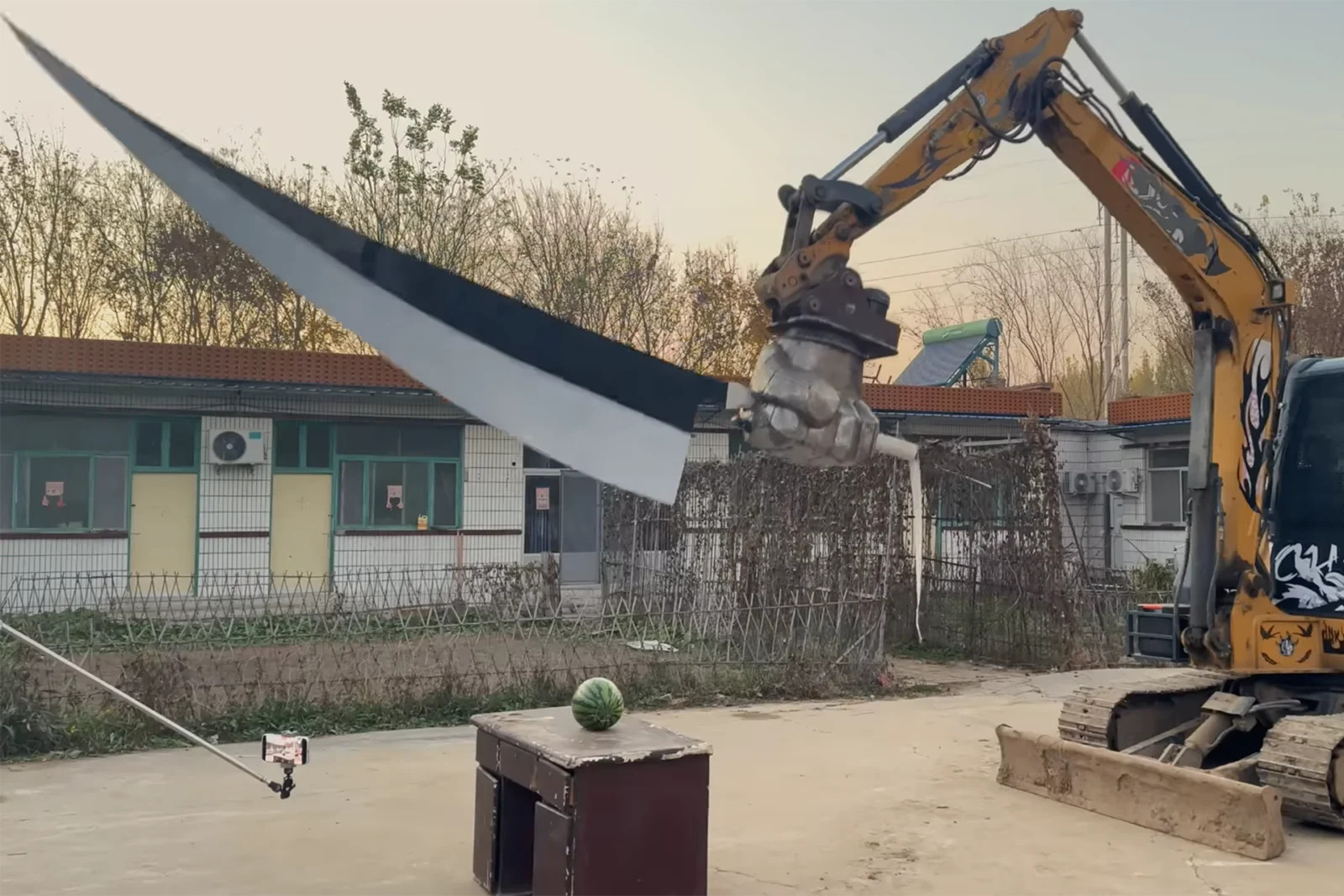
YouTuber creates an excavator equipped with a giant 4.5-meter sword to challenge his brother to a rematch, and the invention quickly goes viral on social media.
-
The U.S. Army surprises the world by presenting the UH-60MX Black Hawk helicopter capable of flying without pilots, controlled by a tablet, featuring the MATRIX system, smart sensors, and full autonomy in real combat and rescue missions.

-
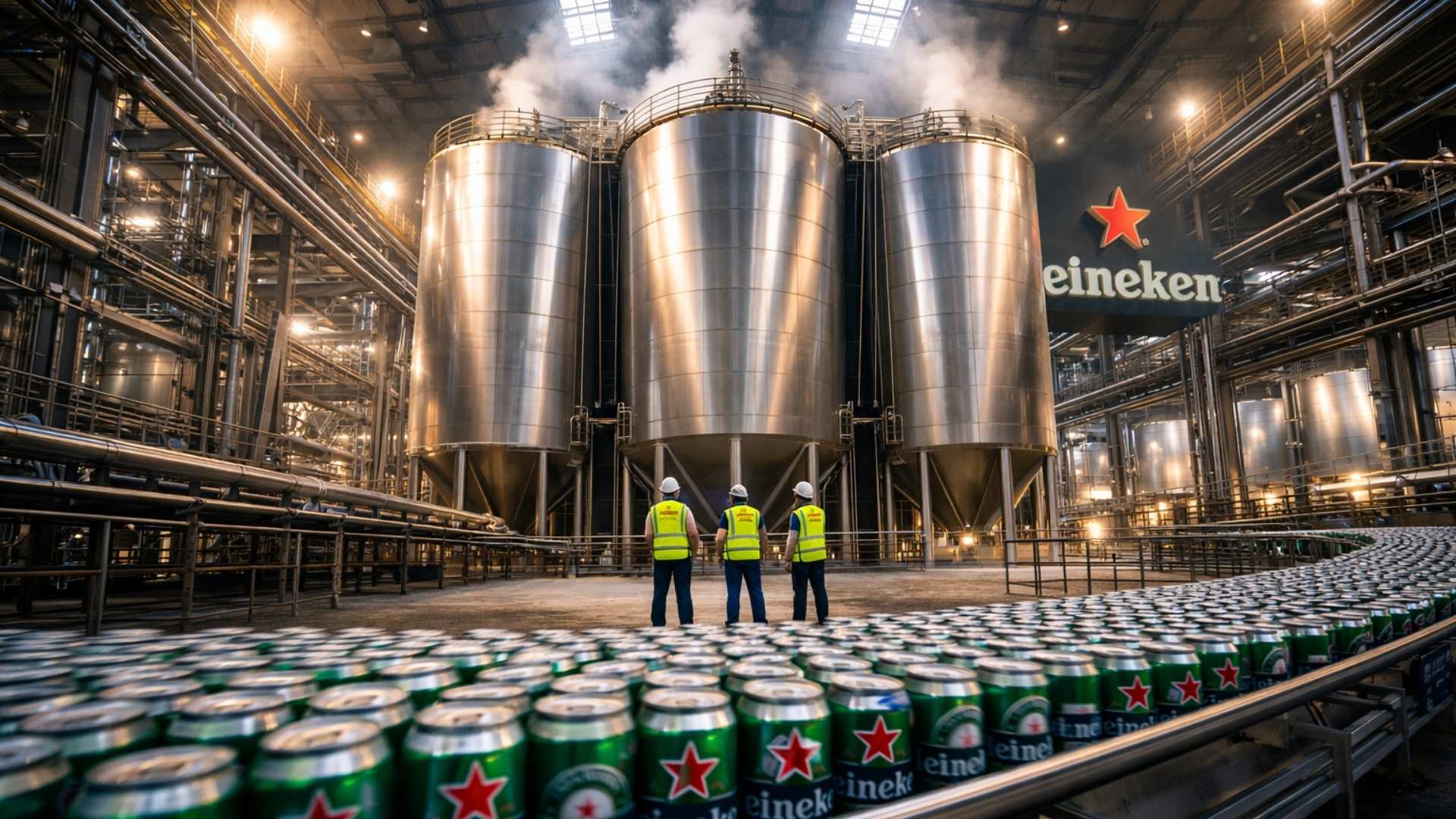
Heineken’s factory in Brazil produces 300 million beer cans in just 4 months, reaches 1 million hectoliters, received R$ 2.5 billion, and is already projecting an annual capacity of 5 million with sustainable technology.
-
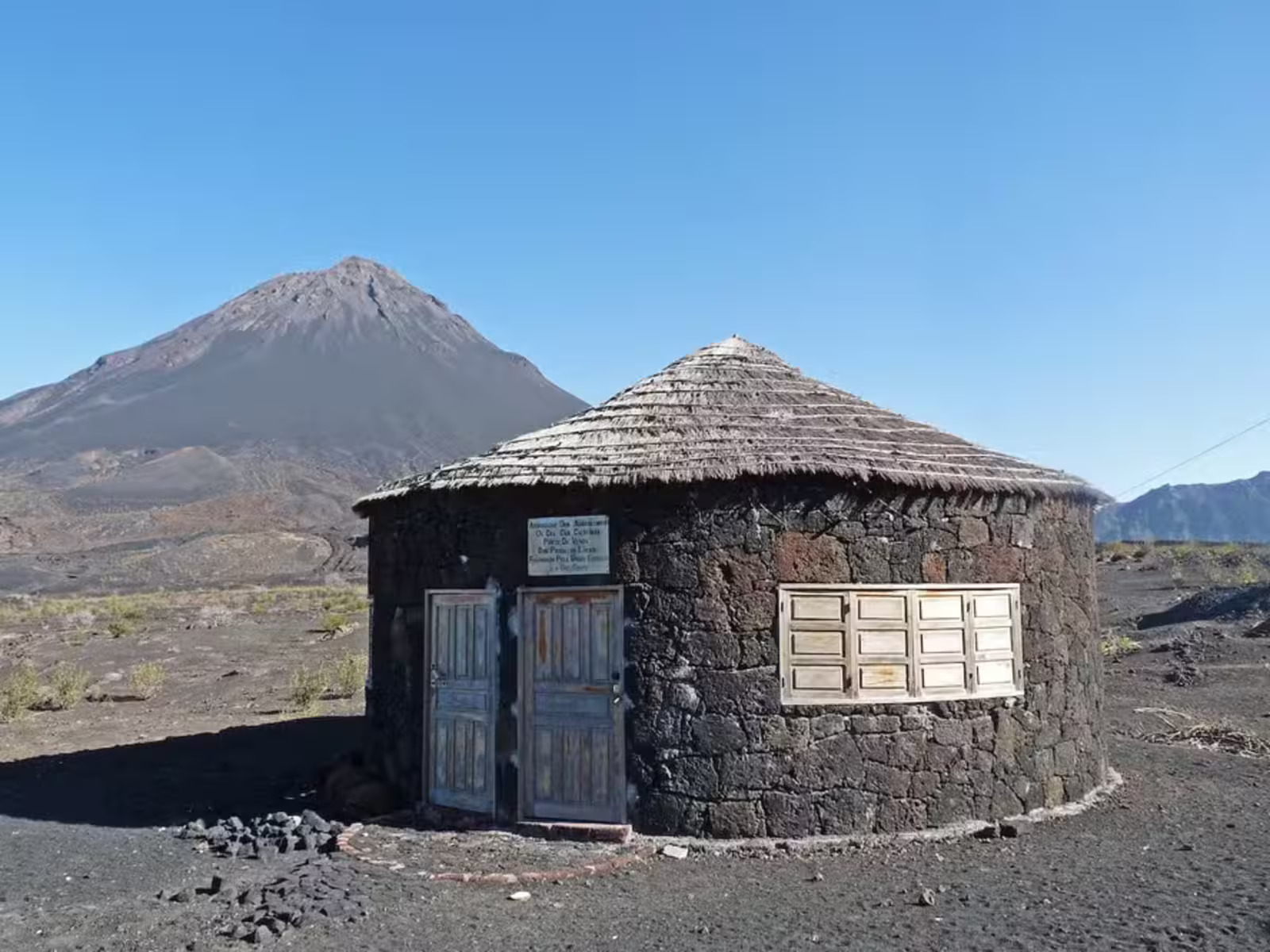
Inside an active volcano in Africa, residents use volcanic rocks to build houses in an impressive setting.

The city built on a bridge utilizes a viaduct about 400 meters long, connected to both sides of the valley by independent accesses, as if it were a neighborhood suspended among the mountains.
Visitors enter through one of the portals marked as “Wine City” and, within a few steps, realize they are literally on the bridge.
By looking over the sides, one can see the river flowing below and the mountains in the background reflected in the water.
Opening a window of one of the houses means facing a drop of approximately 100 meters to the river level, reinforcing the impression of a dramatically elevated setting, designed to be a tourist spot.
What The Architecture Of The City Built On A Bridge Is Like
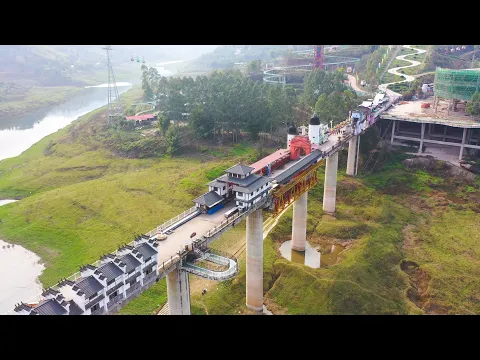

One of the most striking elements is the diversity of styles in such a compact area.
In a section of the city built on a bridge, classical Chinese references predominate, with white walls, dark roofs, and volumetry reminiscent of the Huizhou style found in traditional villages.
Just ahead, visitors cross a portal and encounter another environment: facades in pastel tones, romantic details, and buildings that replicate a colorful European village, with adjacent houses, balconies, and scenic elements.
In just a few meters, the scene transforms from a Jiangnan water town to something resembling a small rural village in Europe.
This rapid transition creates an intense visual experience.
The feeling is of walking through a thematic corridor where each side of the bridge represents a different universe, without the visitor ever leaving the same elevated structure.
Suspended Houses And Maximum Use Of The Bridge Space
The premise of the city built on a bridge starts from a central concept: make the most of the viaduct’s width and length.
The houses were built very close to the edges of the bridge, with rear extensions, balconies, and volumes projected over the void to create the feeling of buildings literally suspended.
Some constructions were enlarged with additional structures to occupy the space to the limit of the bridge, giving the impression that every square meter was utilized to transform a simple crossing into a habitable and scenic ensemble.
From the outside, the design resembles a series of houses nestled on an elevated board; from the inside, visitors notice a continuous walkway with shops, photo spots, and small decorated nooks.
Shops, Tourism, And Glass Lookouts
The city built on a bridge was designed to function as a tourist hub, with cafes, small shops, Instagrammable spaces, and even a paid glass lookout, with affordable tickets.
Visitors find menus, price signs, and themed facades indicating the commercial use of the spaces, even though not all establishments are open all the time.
On days with lower traffic, many shops remain closed, and some of the public experience the place at a quieter pace, with ongoing works and adjustments.
Even so, the structure already offers lookouts that allow observation of the river and the mountains, scenic stretches with photogenic phrases, and specific areas for records with traditional Chinese clothing or modern looks, enhancing the visual appeal of the destination.
The Bridge Reused As The Base For A Scenic City
Another important aspect is the reuse of the existing structure.
The city built on a bridge uses an already established viaduct as the foundation for the new urban scenic ensemble, reducing the need for extensive earthworks and creating a second use for the infrastructure.
Instead of functioning only as a conventional roadway connection, the bridge gained layers of architecture, commerce, and leisure.
The result is a hybrid between a tourist facility, elevated street, and observation platform.
This reuse reinforces a trend to transform traditional infrastructures into multifunctional spaces, bringing together residents, visitors, and natural landscapes in a single experience.
Visitation Experience: Between Surprise And Contemplation
For those arriving at the city built on a bridge, the journey is quick but filled with observation points.
In two or three minutes of walking, it is possible to cross the entire main stretch, recognizing the ends of the bridge, spotting the nearby amusement park, and evaluating how the ensemble fits into the terrain.
Along the way, visitors encounter spaces that evoke fairy tales, artistic interventions, inspirational phrases, and facades designed for photos, composing an environment that is more scenic than traditional urban.
The combination of suspended houses, river in the background, mountains, and decorative elements makes the site feel like an open-air studio, designed to capture memories and promote the scenery of Chongqing on social media.
A Fairy Tale Setting In The Mountains Of Chongqing
The city built on a bridge in Fuling synthesizes several layers into a single project: reusing infrastructure, tourism, architectural experimentation, and visual narrative.
Instead of merely linking banks, the bridge houses a small aerial city, where Chinese and European elements coexist side by side, creating a setting of strong aesthetic impact.
The view of the river and mountains, combined with narrow passages, colorful houses, and lookouts, reinforces the feeling of being in an almost unreal environment, suspended between sky and water.
It is an example of how thematic architecture and creative use of space can transform a functional structure into a destination in itself, capable of attracting visitors interested in new urban experiences.
Would you visit a city built on a bridge like this in Chongqing, or would you be afraid to walk on such a high structure filled with suspended houses?






-

-

2 pessoas reagiram a isso.