





 Portuguese
  English
  Spanish
  4 min of reading
  4 comments


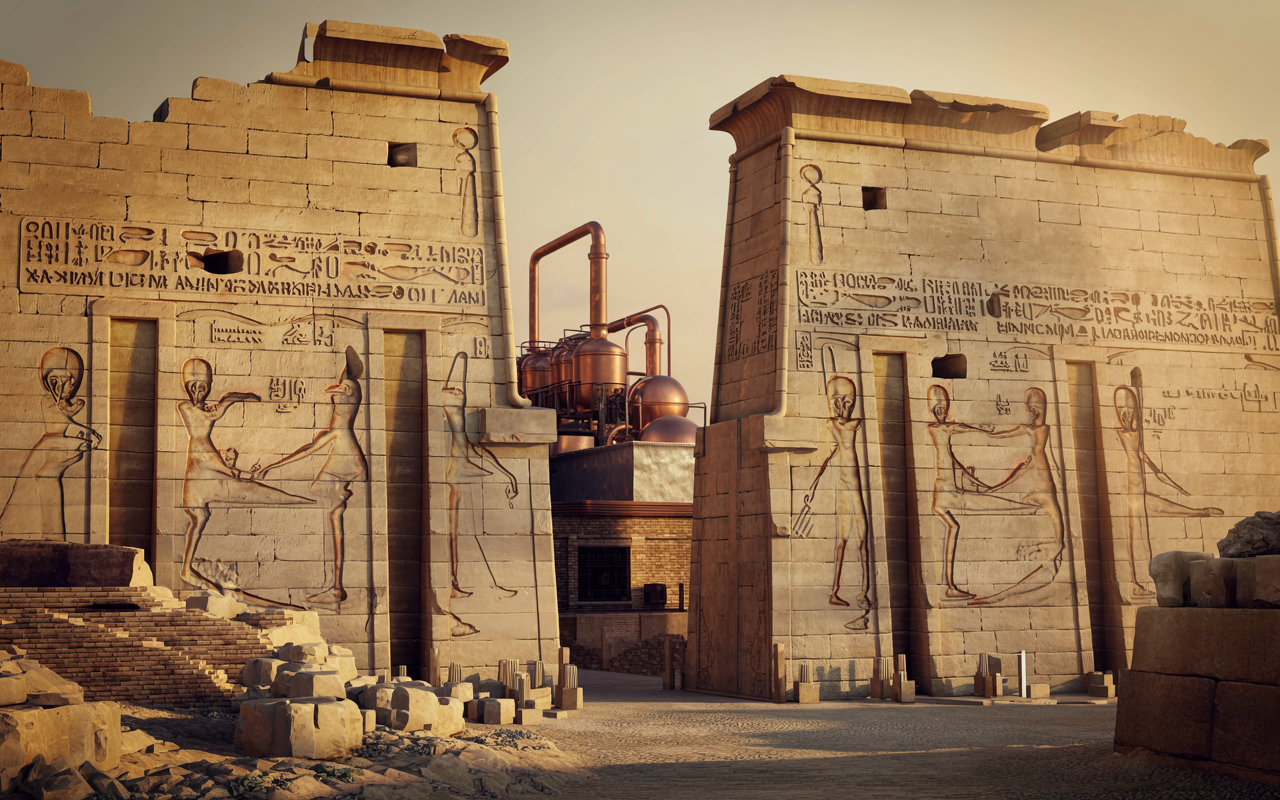


Archeologists Announce Discovery of 3,000-Year-Old City in Egypt with Giant Wall, Brewery, and Royal Inscriptions; Learn What Was Revealed in the Largest Recent Archaeological Discovery.
Archeologists involved in the restoration of the Southern Chapels in Luxor, Egypt, did more than just preserve history: they revealed one of the most impressive finds in recent times. What was supposed to be a cleaning operation, documentation of reliefs, and consolidation of structures turned into a major archaeological discovery: a city of approximately 3,000 years, with structures ranging from a colossal wall to industrial remains.
The details of the discovery are still being studied and documented, but the initial signs indicate that the region may have been an important military, religious, and economic complex of Ancient Egypt.
The Colossal 3,000-Year-Old Wall in Egypt Discovered by Archeologists
Among the most impressive finds is a wall built with mud bricks during the reign of Pharaoh Menkheperre of the 21st Dynasty, dating back to the 11th century B.C. Each brick bears the seal of the king and his wife, which reinforces the official and symbolic nature of the structure.
-
How an innovative city combines high technology, well-being, and sustainability to become the largest reference in clean energy on the planet.

-
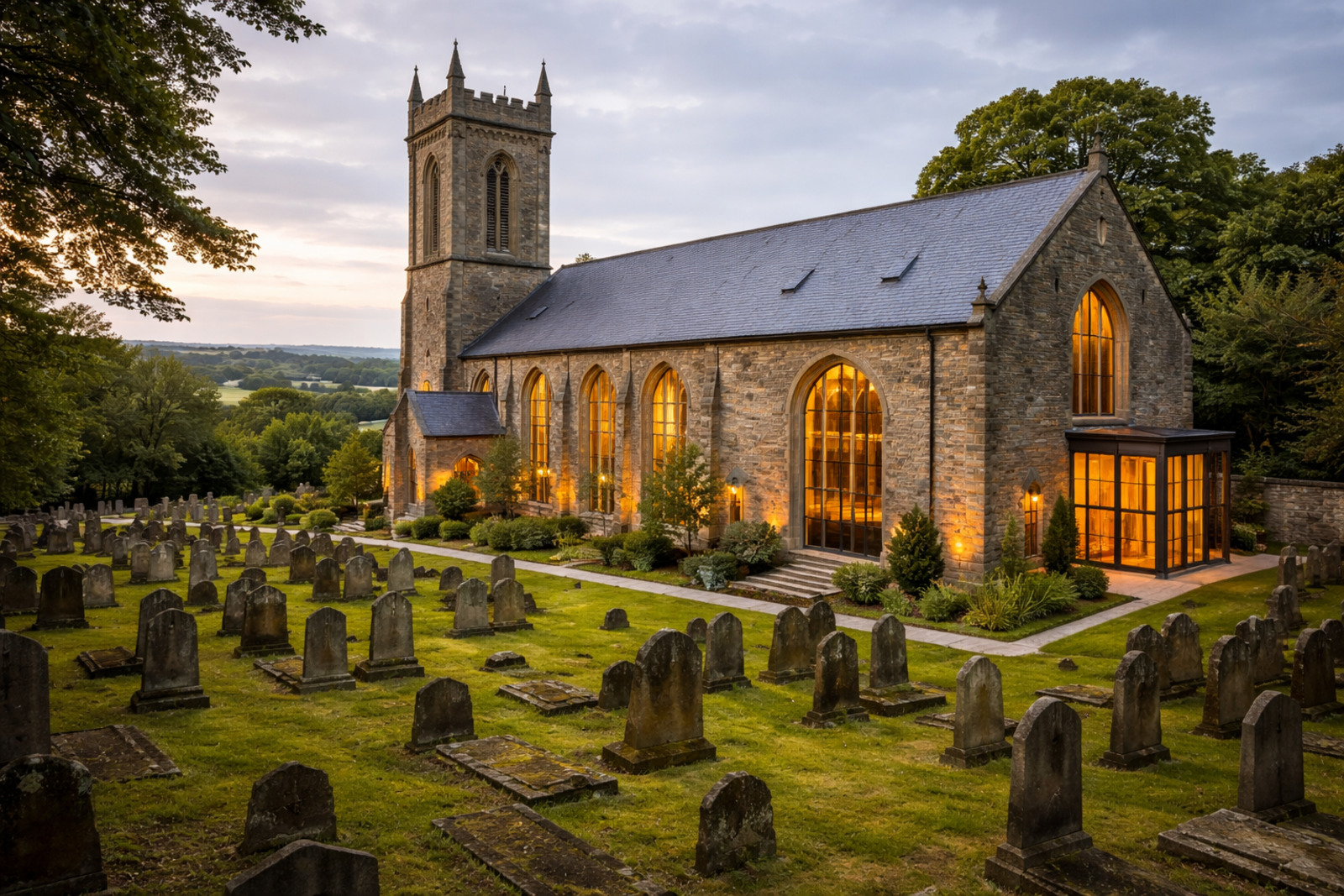
Couple buys 1846 church in ruins for R$ 660,000, invests R$ 3.2 million in renovations, transforms it into a millionaire mansion, and even preserved a historic cemetery with over 300 graves.
-
He started running at 66 years old, broke records at 82, and is now a subject of study for having a metabolic age comparable to that of a 20-year-old, in a case that is intriguing scientists and inspiring the world.

-
Oldest tree on the planet reappears after 130 years of searches: Wattieza, 385 million years old, was 10 meters tall and had no leaves or seeds; Gilboa fossils in New York solved the mystery in 2007.


This wall not only protected the city but also served as a symbol of power and dominance in the region.
The archeologists believe that the extent and size of the wall indicate that the city held great strategic importance, either as an administrative center or as a military outpost.
The Monumental Gate: Sign of an Advanced Urban Center
The excavations also revealed the remains of a huge monumental gate made of sandstone, which would have served as the main access to the city. Structures of this type were common in cities of great significance in Ancient Egypt, marking the entrance to sacred sites or administrative centers.
The grandeur of the gate reinforces the hypothesis that the city was not just a common settlement but rather a planned urban nucleus with specific functions within the pharaonic administration and social organization of Egypt at the time, according to archeologists.
Brewery: Indication of an Industrial Complex
Another element that caught the researchers’ attention was the discovery of a large brewery. The presence of this structure confirms that the region had industrial characteristics and supplied the local population and possibly neighboring areas.
Brewery was a fundamental product in Ancient Egypt, consumed by both the lower classes and in religious ceremonies and festivals, such as the Heb Sed. The brewery discovered may have been responsible for supplying demands of the army, the court, and even of temple rituals.
Inscriptions, Infant Coffins, and Ostraca: Fragments of Daily Life
The archeologists also found inscriptions that describe rituals performed by the pharaoh in honor of the god Amon, scenes from the Heb Sed — the royal jubilee festival of Tuthmose III — and a foundation inscription that describes the temple as a “sanctuary for millions of years.”
In addition to the monumental structures, the team located small wooden coffins intended for children, although most were in poor condition and lacked identifiable inscriptions.
Fragments of ostraca (pieces of limestone and ceramics used as drafts or for small records) and damaged conical seals inscribed with “Supervisor of the House of Khonsu” were also cataloged, revealing aspects of daily life and bureaucratic organization of the city.
The Meaning of the Discovery for Egyptian Archaeology
The discovery of a 3,000-year-old city in Egypt reinforces how vast and complex the urban network of Ancient Egypt was.
For archeologists, finding a city with a wall, monumental gate, and such well-defined industrial infrastructure is rare, especially in areas close to archaeological sites that have already been well studied, such as Luxor.
The evidence points to a site with strong administrative, military, and religious presence, which could help rewrite parts of the history of the 21st Dynasty, marked by internal conflicts and reorganization of power in Ancient Egypt.
Next Steps of the Research
Although the discovery has been announced, studies at the site are still in the early stages. The archeologists plan to conduct more detailed surveys to map the extent of the city, identify other possible structures, and better understand the functioning of the complex.
Laboratory studies on the ceramic fragments, the remains of mortar from the wall, and the inscriptions may provide more information about construction techniques and customs of the time.
There are also plans to create an archaeological park that allows visits to the site as a way to promote the new archaeological discovery and foster cultural tourism in the region.
This new discovery of a 3,000-year-old city in Egypt represents more than an academic achievement: it reinforces the importance of preservation and restoration initiatives, as the finds only came to light thanks to the meticulous work of the teams operating at the Southern Chapels.
Egypt continues to reveal to the world the mysteries of a civilization that, millennia later, still fascinates and intrigues. With each new excavated site, the country reaffirms its position as one of the greatest archaeological treasures on the planet.







O impressionante é saber q se não fosse interrompido os diversos progressos tecnológicos e de técnicas, seja construção, aparelhos, instrumentos, etc pelas rodas religiosas ao longo dos séculos, principalmente o cristianismo, mas não só… Teríamos um desenvolvimento muito acima do q temos atualmente… Acima de tudo, não repetindo os mesmos erros destrutivos q havíamos superados.
O Egito sempre surpreendendo. E surpreenderá mais a humanidade.
Interessante e instrutivo !
A arqueologia é fascinante !