





 Portuguese
  English
  Spanish
  3 min of reading


Brenmiller Energy, in partnership with Fortlev, inaugurated a 1MWh unit in Brazil, in the city of Anápolis, located in the state of Goiás (GO). The goal of the project was to ensure a reduction in fuel costs of up to 75% and decrease carbon dioxide emissions in the environment.
With the system referred to as bGen, Fortlev will have the ability to replace the use of natural gas in its processes with renewable energy using biomass for the production of plastic water tanks, thus reducing greenhouse gas emissions by 800 metric tons per year. The multimillion-dollar investment in energy will take place in a city in Goiás (GO).
The system is complex and allows crushed rocks to be heated to over 600 degrees in order to store thermal energy for a few minutes. This thermal energy would be used to form steam with the use of water, which will later serve to mold plastics and other products offered by the company to the industry.
This is the first project in South America that will allow the use of thermal energy in the industry
According to Brenmiller Energy, this should be one of the first projects in South America to utilize thermal energy technology for reducing fuel costs, primarily in plastic production. This system also allows for the collection of all residual heat from the chimneys to be directed to the ducts, where it can be better utilized. It is estimated that productivity will be between 1 and 1,000 MWh for each of the units.
-
Researchers discover a possible hydrogen deposit of up to 46 million tons beneath an ancient coal basin, and the volume could exceed half of the entire global production.

-
China bets on the Fishery-PV model and transforms fish farms into giant solar plants, covering ponds with panels that generate energy while utilizing the same space for large-scale aquaculture production.

-
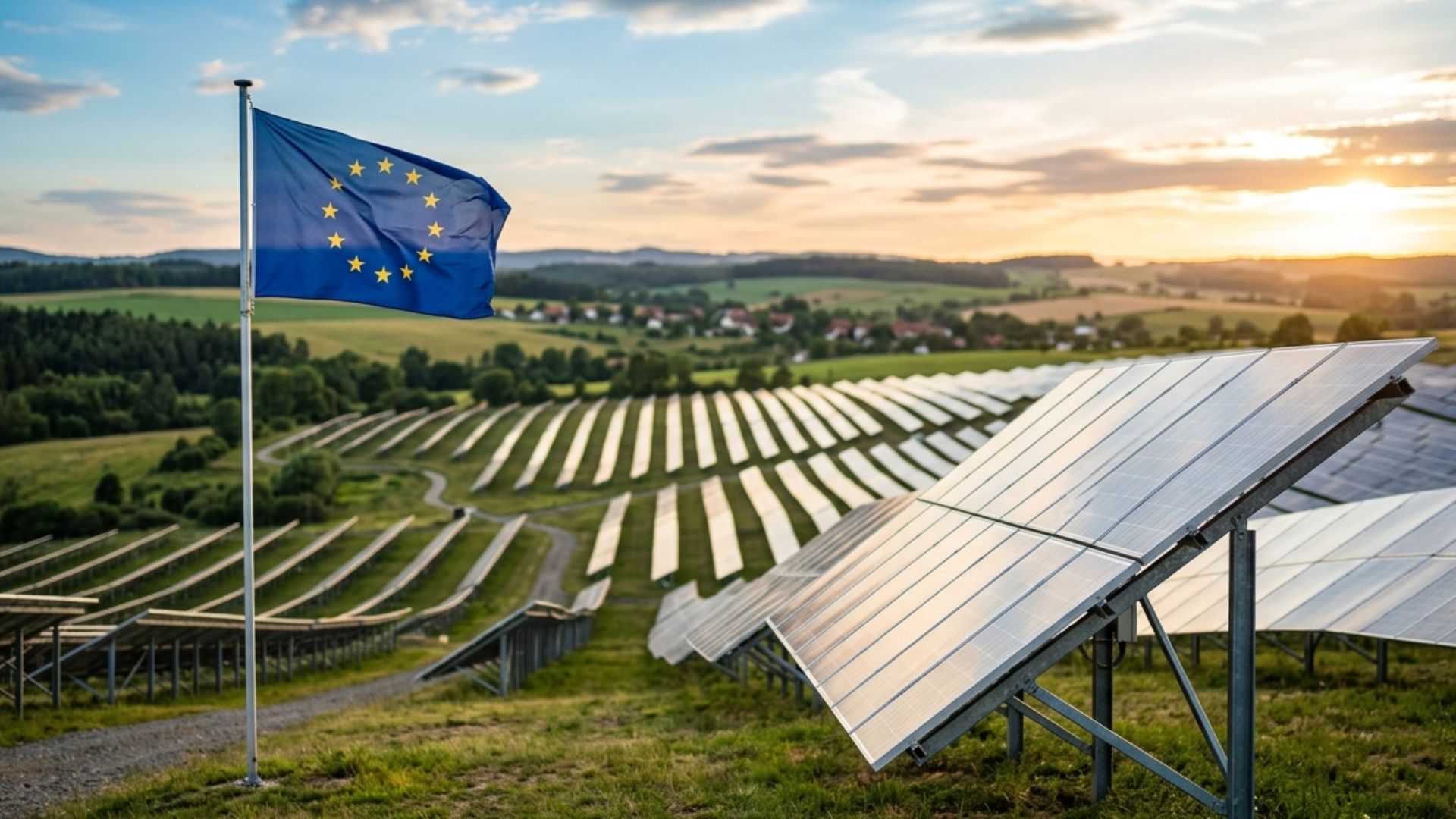
Europe records strong euro economy with solar energy in March and sparks curiosity about which country leads growth that redefines the energy market and reduces costs.
-
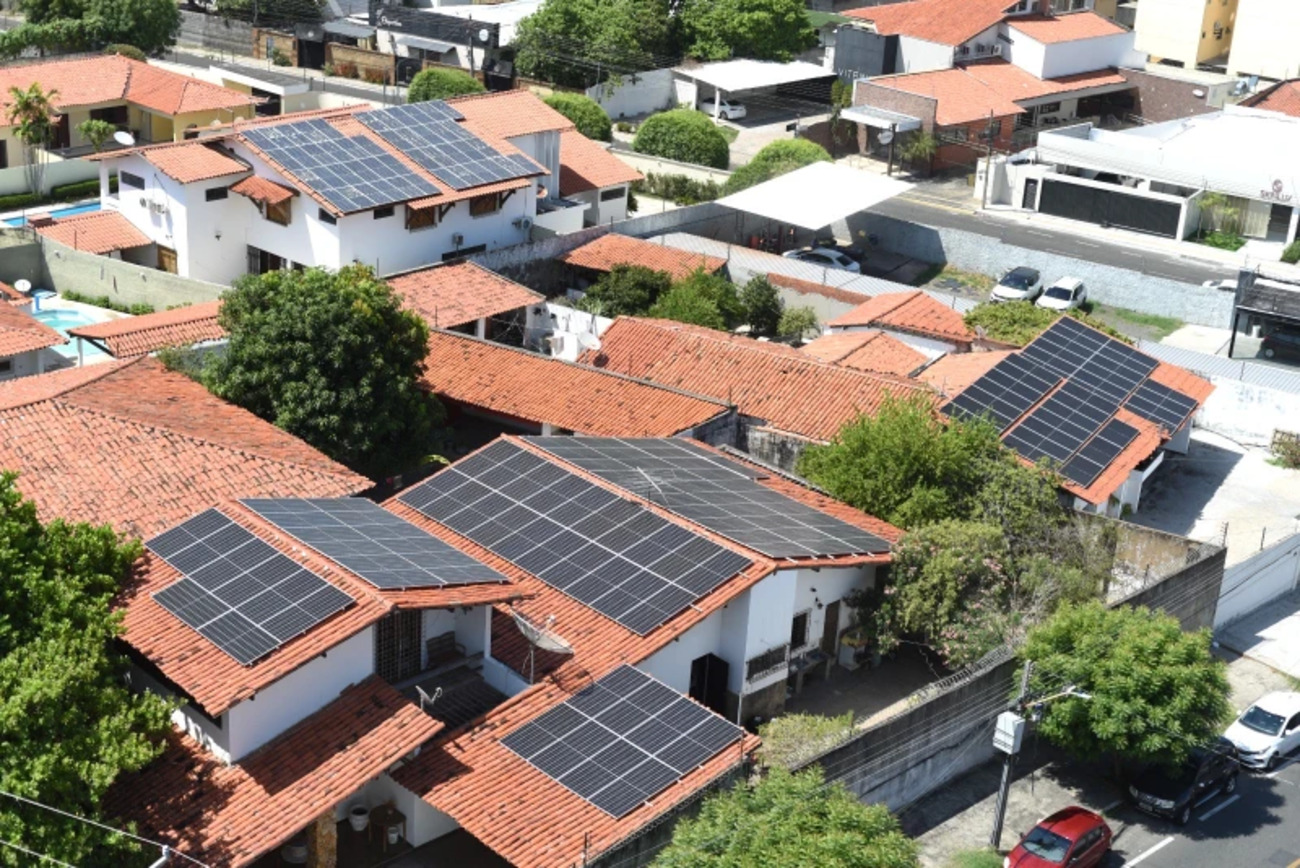
Piauí reaches a historic milestone in energy transition: State records nearly 160,000 households powered by solar energy and leads growth in the Northeast.

“It can also discharge electricity using a steam turbine system with a startup time of more than five minutes.”
Avi Brenmiller, President and CEO of Brenmiller Energy, stated: “Our bGen technology allows these companies to start using renewable energy resources and residual heat to efficiently produce clean steam, hot water, and hot air on demand, enabling them to decarbonize their thermal process – and in some cases, like Fortlev, reducing their fuel costs in doing so.”
Beyond Goiás (GO): Many companies besides Brazilian ones are massively investing in renewable energy
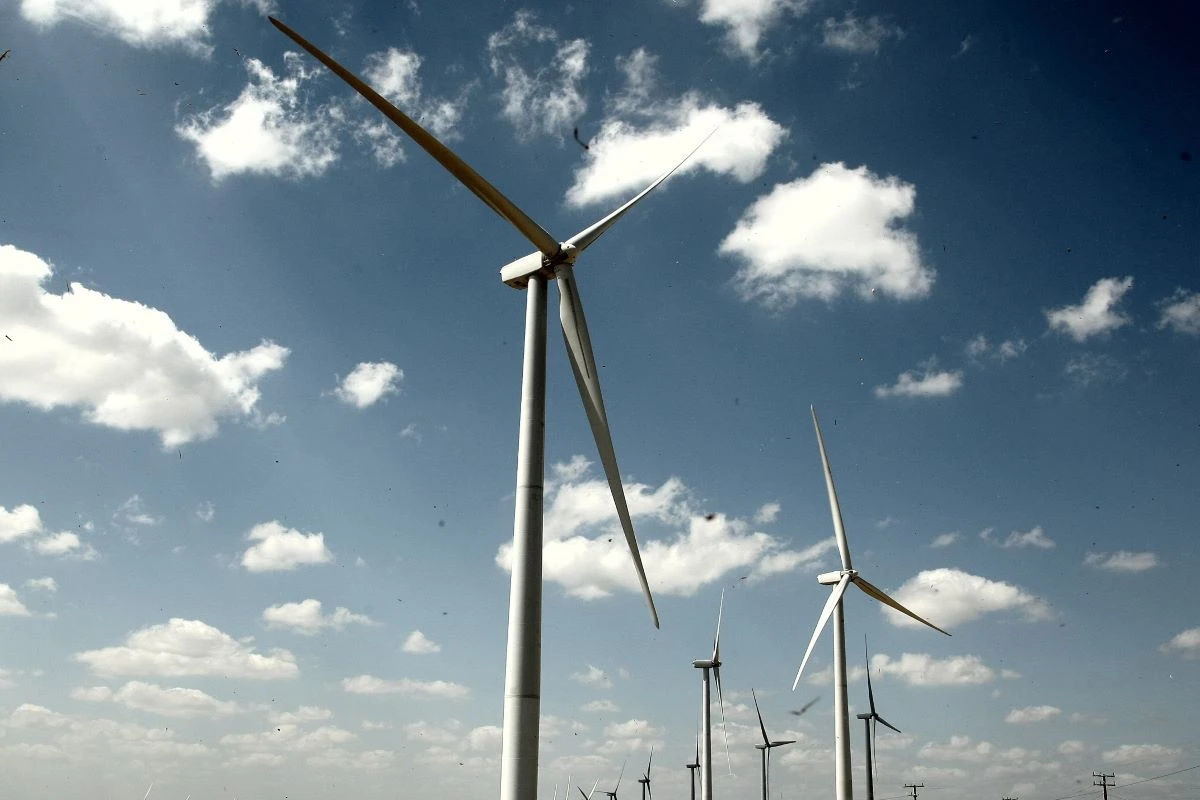
The high population growth and lack of space leads many countries to decide to transition their energy sources as soon as possible to reduce their dependency on oil and coal. A clear example of this is Japan, which announced that more than one-third of its entire energy matrix should be made up of renewable energy by the year 2030.
The Japanese are investing in the construction of offshore plants, i.e., those that are located off the coast, precisely due to the lack of space. In this way, they will be able to utilize the space they have on the island for the construction of new businesses and buildings for the population.
Numerous developments are being manufactured for a cheaper energy transition. One of the standout studies from this week was conducted by Origami Solar, which shows that the use of steel instead of aluminum for the production of solar panels can reduce carbon dioxide emissions by up to 94% while simultaneously reducing companies’ costs for producing photovoltaic panels, mainly because they are thinner.
Another recent study that caught attention was about the potential to create panels using seaweed. The seaweed absorbs sunlight and thereby captures carbon dioxide in the environment to eliminate O2 and produce its own food. In this process, energy is produced that could be used for domestic purposes.








Seja o primeiro a reagir!