





 Portuguese
  English
  Spanish
 3 min of reading
  2 comments


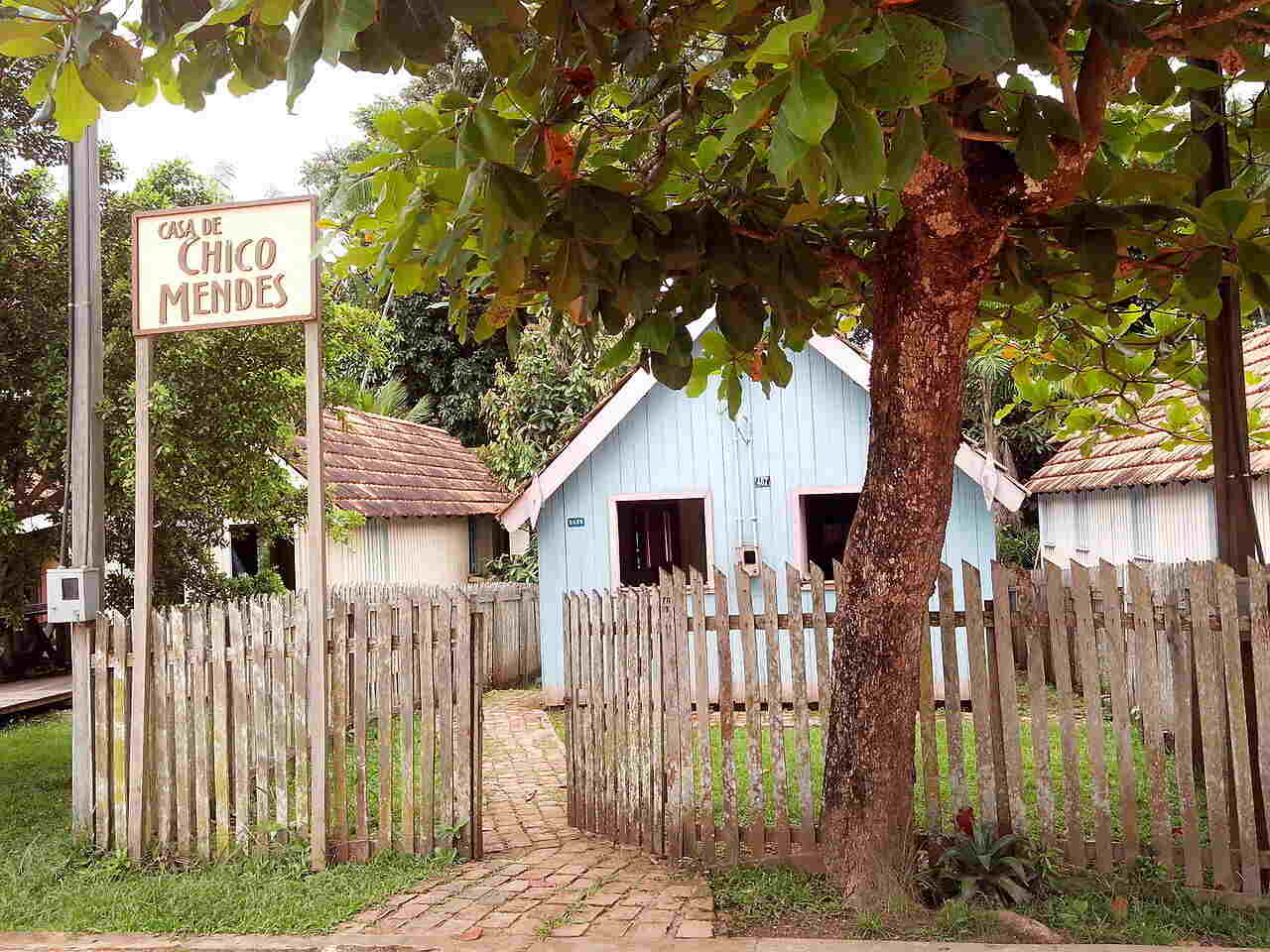


City in the Interior of Acre Preserves Unique Urban Landscape with Century-Old Wooden Houses That Tell the Story of the Rubber Tappers and the Forest
In the interior of Acre, the city of Xapuri impresses with its urban landscape made almost entirely of wood. There, old houses stand firm, resisting time and the changes that have transformed other Brazilian cities. In Xapuri, living is also about keeping a story alive.
Origins Tied to the Rubber Cycle
Officially founded in 1883, Xapuri emerged during the rubber cycle. The municipality grew along the banks of the Xapuri River and became a strategic center for rubber extraction and trade.
The city attracted traders and rubber growers, many of them Syrian-Lebanese. With prosperity, the first neighborhoods emerged, almost all built with wood taken from the forest.
-
Sleeping at different times each day can be a bomb for your heart and even double your risk of having a heart attack.

-
Without help and without heavy machinery, a woman builds a house from scratch with stone, wood, and cement, erects a chimney, creates a complete leisure area, and transforms an empty lot into her dream home.
-
Couple transforms abandoned house after years of being closed; residence was overgrown with weeds, had a green pool, and a deteriorated structure in the interior of Rio de Janeiro.

-
Hidden marks on the walls of the site associated with the Last Supper of Jesus for centuries have been deciphered in Jerusalem, revealing medieval inscriptions left by pilgrims, European nobles, and travelers from the Middle East.


Wood was abundant in the region and very practical. It was cheap, resistant to moisture, and easy to work with. Therefore, not only houses but also shops, schools, and churches were built with planks, beams, and boards of cedar, mahogany, and jatobá. The choice of material shaped the city’s appearance.
Urban Landscape That Recalls the Past
Walking the streets of Xapuri today is like stepping back in time. The city still has many wooden houses that are over 70 or 80 years old.
Some are quite simple, like the typical homes of rubber tappers. Others are more elegant, like the old townhouses of the merchants.
These constructions feature vertical board walls, windows with shutters, porches, and sloping roofs.
Chico Mendes House Is a Symbol of Resistance
One of the most well-known is the house of Chico Mendes. The rubber tapper leader, murdered in 1988, lived in a wooden house in the Gameleira neighborhood.
The property remains standing, painted light green, and is now listed by IPHAN. It is a symbol of the city’s history and the environmental struggle in the Amazon.
Studies like the project “Wood That Termites Won’t Eat” analyze this architectural heritage. Researchers highlight the diversity of constructions and the popular knowledge behind them.
Many houses were built without blueprints, using techniques passed down orally. Each construction carries a story and an adaptation to the climate, relief, and local culture.
Modernization Advances, But Residents Resist
Over time, concrete and modern buildings also arrived in Xapuri. Some areas changed. But a large part of the population resists new trends and prefers to keep the houses as they are.
The thermal comfort, rustic charm, and emotional value of wooden constructions still hold greater significance.
Wooden Historical Center Still Predominates
There are no recent official numbers on how many wooden houses exist in the city. But photographic records and surveys show that they continue to predominate, especially in the old neighborhoods and areas near the river.
The wooden houses of Xapuri are not just beautiful. They tell the story of the forest, the rubber tappers, the resistance. They survive the passage of time, speculation, and urbanization. In each board, a piece of Brazilian identity remains standing.








Corrigindo: captar dinheiro fácil….
Chico Mendes, falso líder seringueiro, e mito criado por Ongs para captar dinheiro falso, nunca trabalhou e vivia tomando cachaça, além de bater na mulher e proibi-la de estudar. Vivi no Acre por 38 anos, e conheço bem a história….
Você deve ter convivido com fazendeiros. Morou 38 anos no Acre e não conhece a nossa história. Eu nasci no Acre há 62 anos e conheço a história de seringueiros, posseiros, fazendeiros. Mataram Chico Mendes mas não mataram a nossa força e resistência. Lutamos até hoje para manter a floresta em pé apesar dos perigos.