





 Portuguese
  English
  Spanish
 3 min of reading
  0 comments


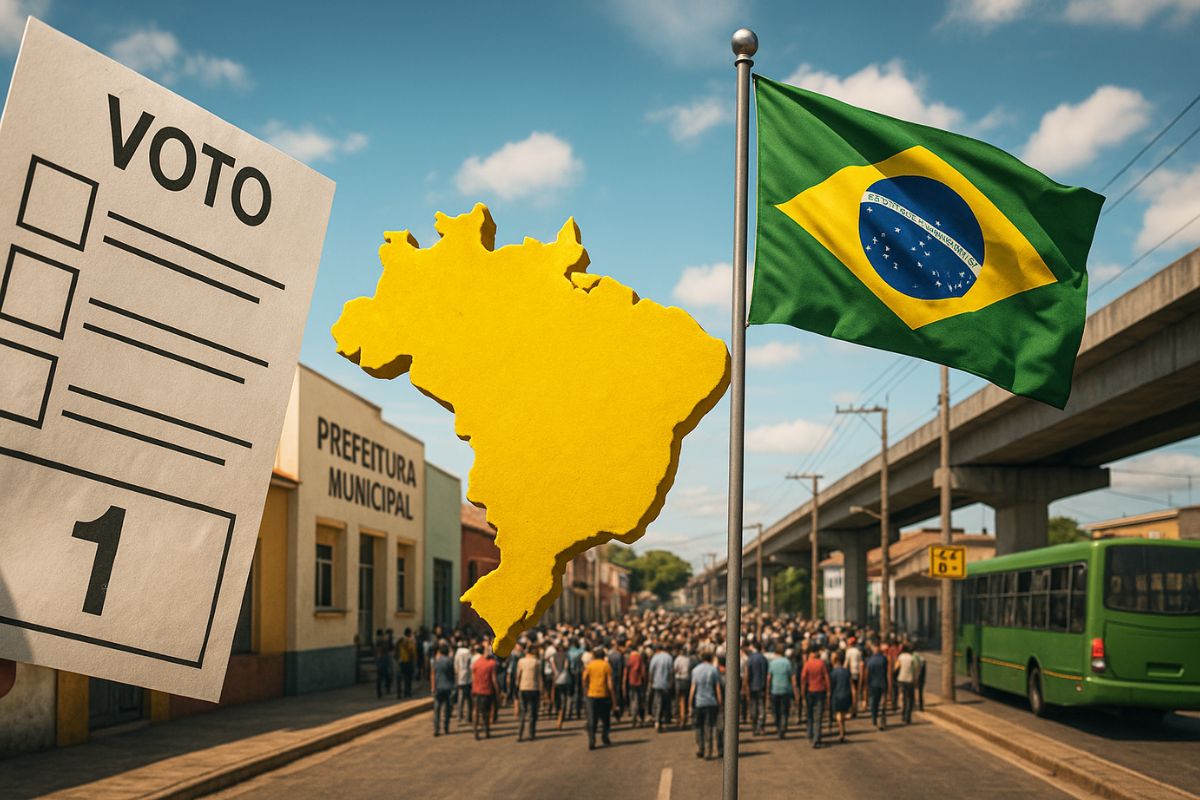
The Third Smallest Municipality in Brazil, Borá (SP), Has Just Over 900 Inhabitants, More Voters Than Residents, and a Life Marked by Tranquility and the Uniqueness of the Local Political Scene
Borá, in the interior of São Paulo, is officially the third smallest municipality in Brazil in terms of population. Even with less than a thousand residents, the municipality has become known across the country for a rare phenomenon: having more voters than registered residents, a situation that has persisted for years and reflects the strong bond of former residents with the city.
According to IBGE, the population estimate for 2025 indicates that Borá has 932 inhabitants. The Superior Electoral Court, on the other hand, registers over 1,090 voters. Although this difference has decreased in recent years, the number of voters still exceeds the total of permanent residents.
The Third Smallest Municipality in Brazil
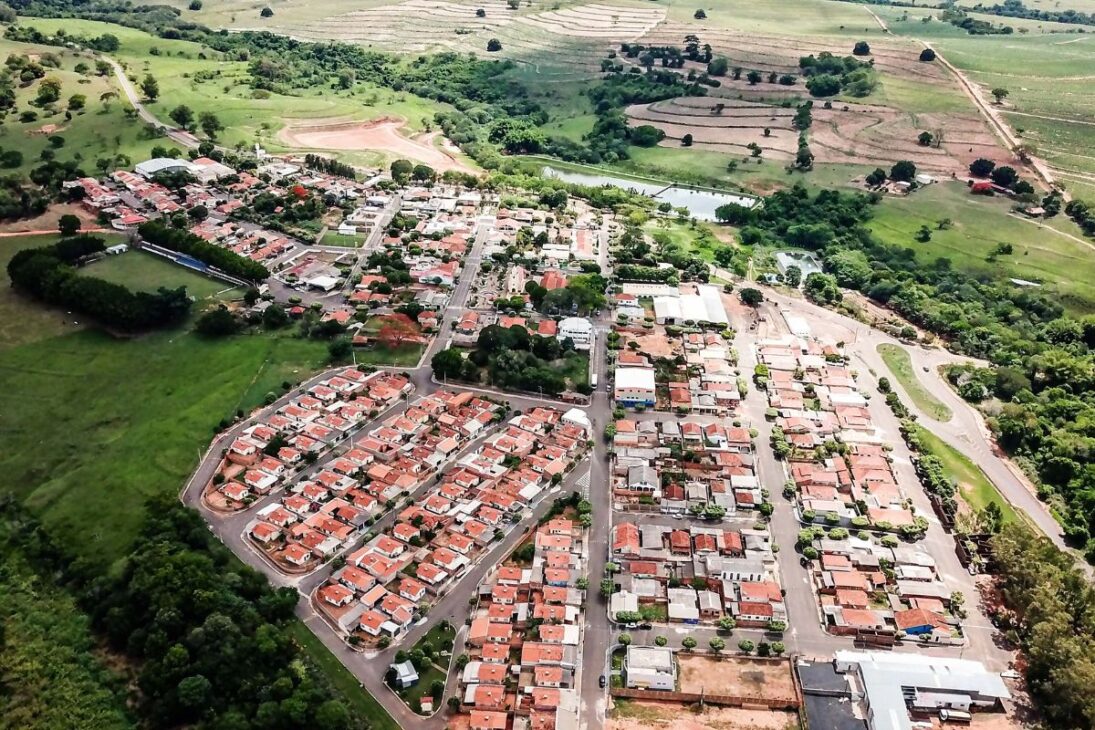
In September 2025, Borá ranked third among the smallest municipalities in the country, only behind Serra da Saudade in Minas Gerais and Anhanguera in Goiás.
-
While restoring a historic mansion from 1910, a brick structure with an old turbine that generated energy from the Rio do Testo emerged, along with a hidden door and a rare floor concealed under layers of wax.

-
Italian researchers have detected what appears to be a second Sphinx buried under the sands of Egypt, and satellite scans reveal a gigantic underground megastructure hidden beneath the Giza Plateau for over 3,000 years.

-
There are 4,223 drums and 1,343 metal boxes concreted with 50-centimeter walls that store the radioactive waste from Cesium-137 in the worst radiological accident in Brazil, just 23 kilometers from Goiânia, with environmental monitoring every three months.
-
Giant Roman treasure found at the bottom of Lake Neuchâtel in Switzerland reveals an advanced trade system, circulation of goods, and armed escort in the Roman Empire about two thousand years ago.


Despite losing the second position, the city remains the least populous in the state of São Paulo, maintaining its title for decades.
The city has only 32 streets, none with traffic lights, and can be crossed on foot in just a few minutes.
Daily life is calm, with a strong presence of agriculture, especially in soybean, corn, and sugarcane plantations.
More Voters Than Residents
The curious situation in Borá began to attract national attention in 2020, when the number of voters reached 1,061, while the municipality had only 838 residents.
This occurs because many voters who left the city to work or study continue to vote there, maintaining family or emotional ties to the place.
Brazilian electoral legislation allows a voter to keep their registration in a city where they have personal or economic ties, even if they do not reside there.
This legal detail explains why the number of voters can exceed the total number of residents in small towns.
The Weight of a Vote in Borá
In cities with fewer than a thousand inhabitants, each vote has a significant impact on election results.
In Borá, political disputes are extremely competitive and often decided by narrow margins. In 2020, for example, a council member was elected with just 29 votes.
Another interesting factor is the mobilization of voters who live in other cities but return to vote in Borá.
This movement directly influences the results and strengthens the bond of the population with their origins.
Comparison with Other Brazilian Cities
Borá is not the only city in this situation. According to data from IBGE and TSE, the municipality of Serra da Saudade in Minas Gerais, with 856 inhabitants, has 1,107 voters, while Anhanguera in Goiás has 913 residents and 1,539 voters.
The difference is significant and reinforces a pattern observed in several small towns across the country.
In contrast, larger municipalities, such as Criciúma (SC), present the opposite scenario.
The city has over 215,000 inhabitants but only 154,000 voters, reflecting the proportion of minors and the common demographic pattern in medium and large cities in Brazil.
Daily Life in Borá
Life in the municipality is marked by simplicity. The annual budget is approximately R$ 20 million, and most public services are basic.
For complex medical care, residents usually travel to Paraguaçu Paulista, the neighboring city.
Despite the limited infrastructure, Borá maintains a strong community identity, with local festivals, small rural properties, and a rhythm of life almost frozen in time.
This characteristic is part of the charm that attracts curious visitors and occasional tourists.
The case of Borá, the third smallest municipality in Brazil, reveals how electoral and population dynamics can behave distinctly in small towns.
The relationship between the number of residents and voters shows how emotional and family ties often outweigh formal residency.









Seja o primeiro a reagir!