





 Portuguese
  English
  Spanish
 3 min of reading
  0 comments


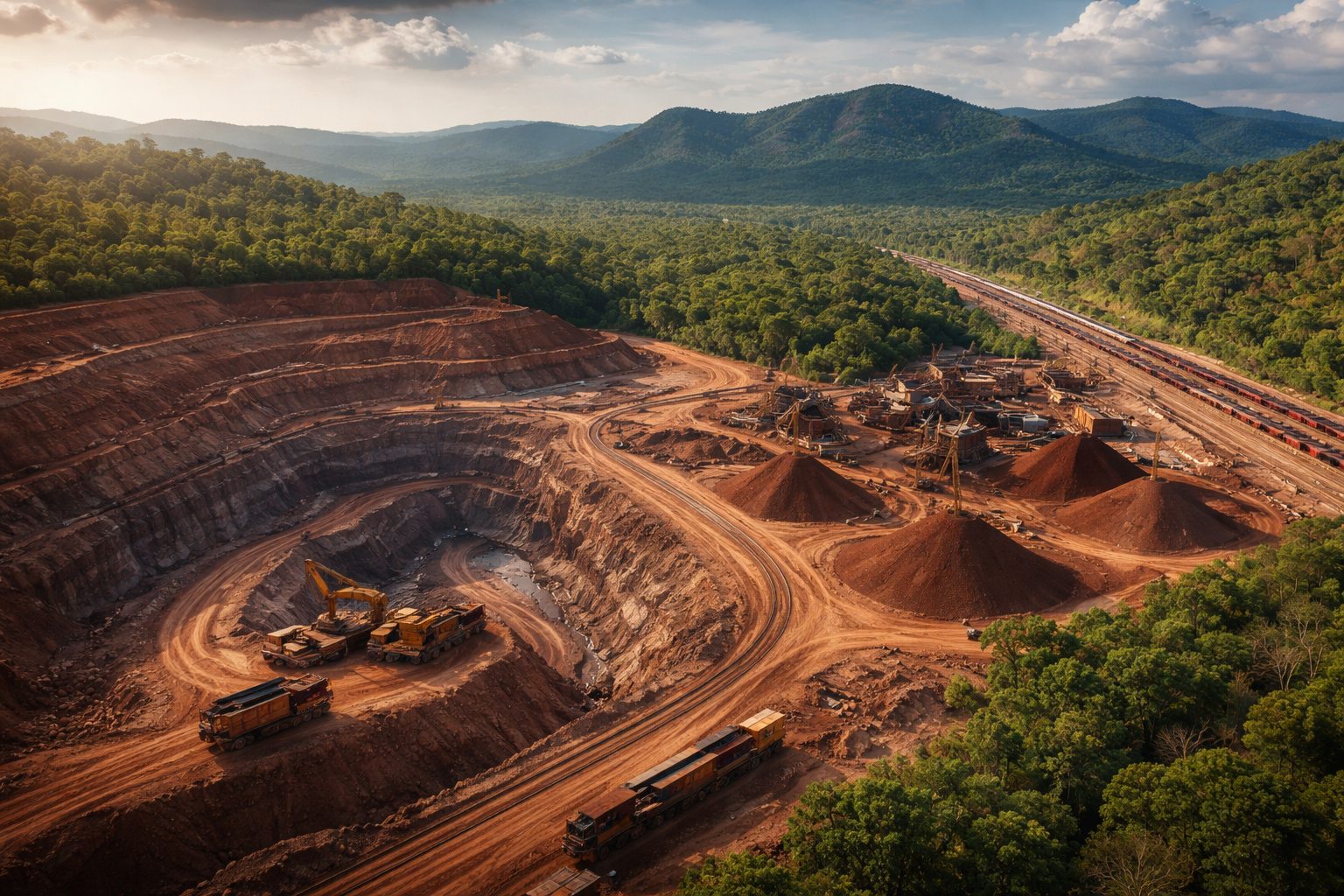
Understand Where It Is, How It Originated, and Why the Carajás Mine Supports the Brazilian Mineral Economy and Supplies Major Global Powers
One of the most relevant structures in global mining operates far from Brazil’s major urban centers.
Still, its economic, logistical, and industrial impact extends well beyond national borders.

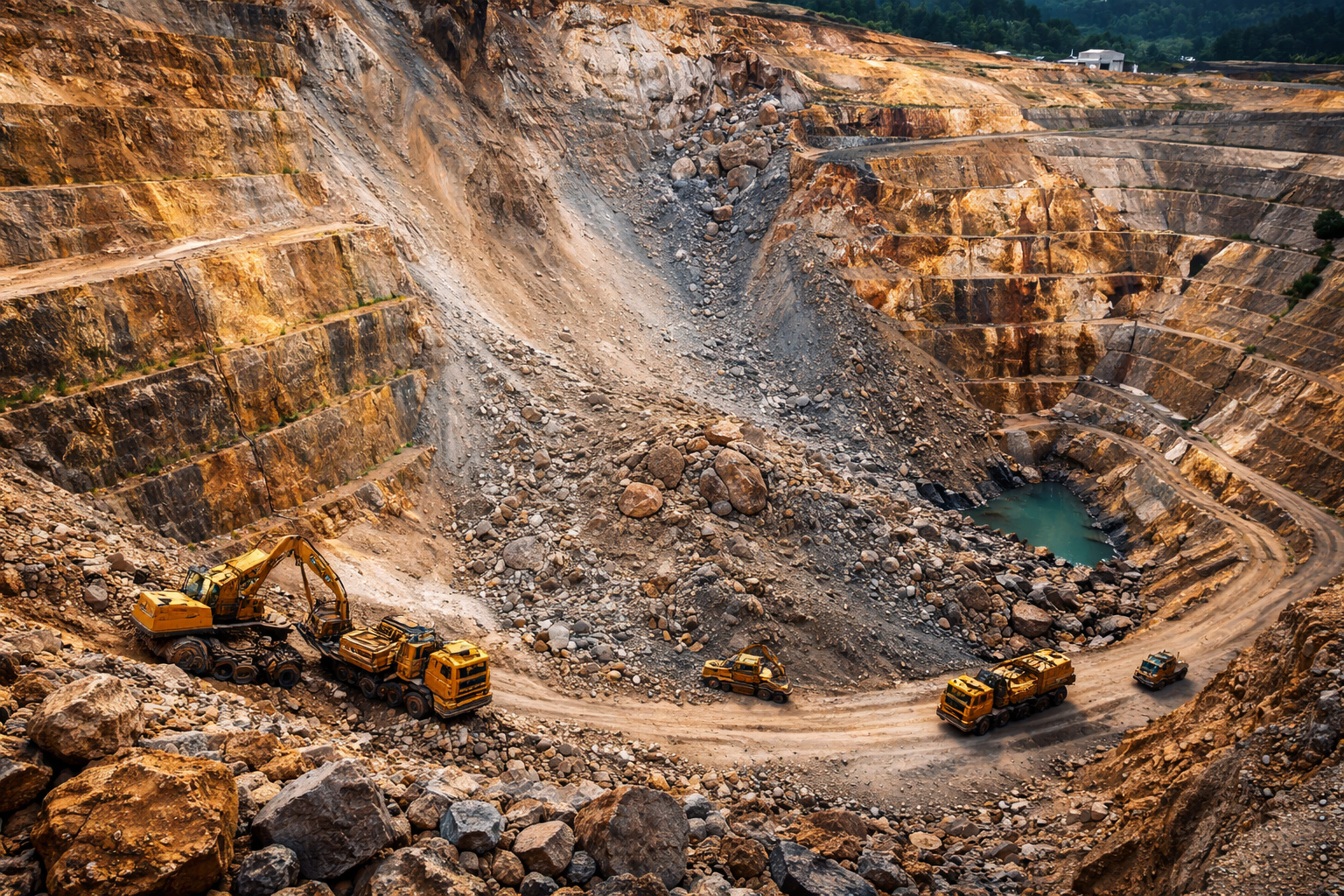
Located in southeastern Pará, the Carajás Mine is recognized as the largest open-pit iron mine on the planet.
Moreover, the complex is operated by Vale S/A, within the Carajás National Forest.
According to institutional data released by the company over the past decades, the mine holds estimated reserves of about 18 billion tons of iron ore.
Additionally, the extracted material has a purity level that can reach 67%, one of the highest in the global market.
-
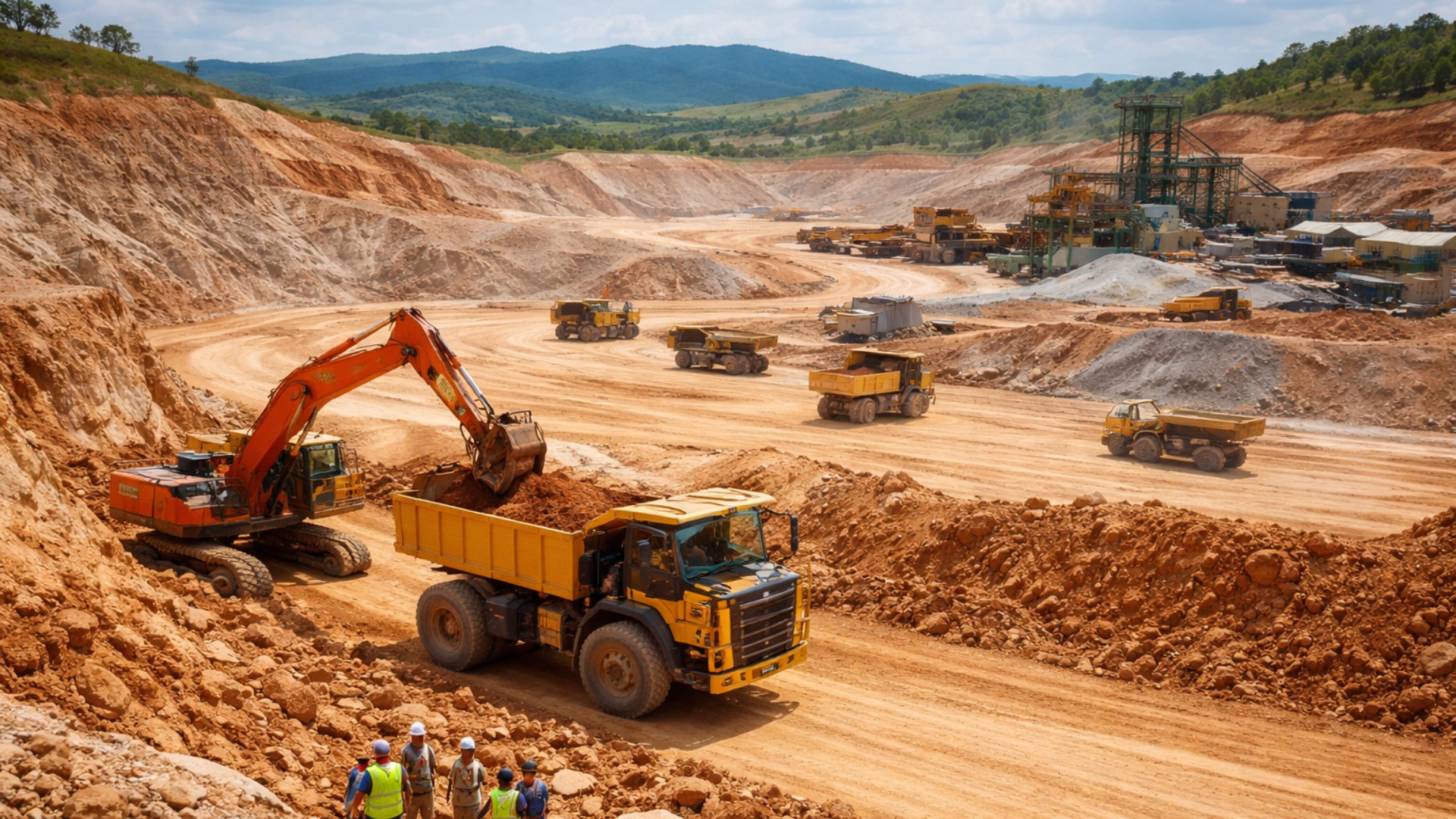
After China, it’s now the turn of the USA to ‘secure’ a share of Brazil’s natural resources: the country buys critical rare earths for R$ 3 billion and enters the center of the global technology dispute.
-
Rare earths are in everything, from cell phones to bullet trains, and what almost no one realizes is why they have become the target of such a delicate global war.
-
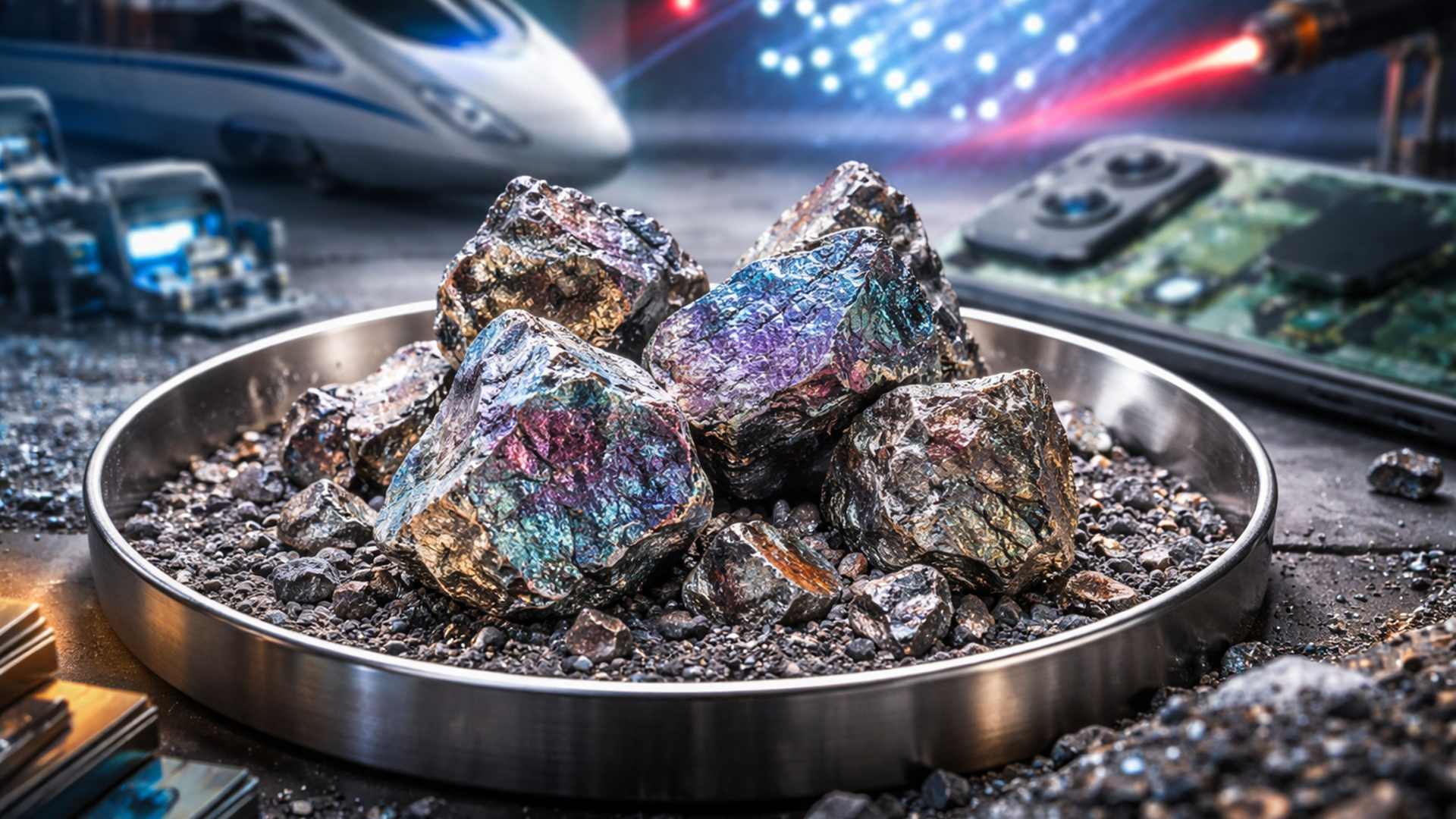
Brazil extracts 26.3 million tons of ore from what was previously treated as waste, transforming residues into wealth, producing over 3 million tons of sand, and demonstrating how national mining is relearning to generate value.
-
A $3.5 billion megaproject in Latin America pumps desalinated seawater at 1,050 liters per second over 194 km to keep a copper supermine in the Andes operational for another 20 years.
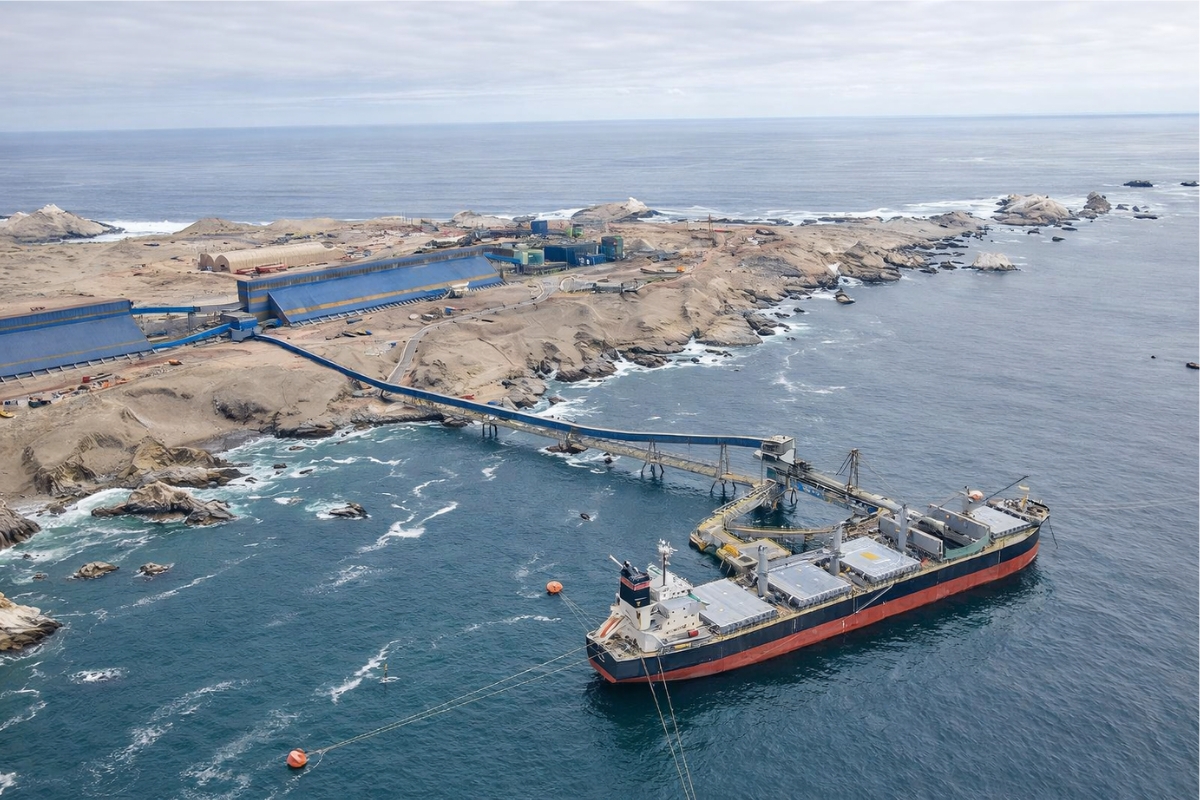

For this reason, Carajás occupies a central position in the Brazilian mineral industry.
Consequently, the complex supports strategic production chains linked to international steelmaking.
Accidental Discovery Led to One of the World’s Largest Mineral Projects
The story of Carajás began in 1967, at the end of the 1960s.
During that period, geologists from US Steel unexpectedly identified extensive deposits rich in iron during geological studies in the Amazon region.
Since then, the find has been regarded as one of the largest mineral discoveries of the 20th century.
With the advancement of investments, the area evolved from being an isolated mine to a globally integrated mineral complex.
In addition to iron, the region hosts deposits of manganese, copper, gold, bauxite, and nickel.
Thus, Carajás has solidified its position as one of the most diversified mineral hubs on the planet.
Integrated Logistics Ensures Scale and Global Competitiveness
To sustain large-scale operations, Vale has structured a robust and interconnected logistics system.
Currently, the complex encompasses production fronts such as North Serra, South Serra (S11D), and East Serra.
The production is transported by the Carajás Railway, which extends 892 kilometers.
This railway connects the mine directly to the Ponta da Madeira Port in Maranhão.
Thus, the ore continuously reaches the international market.
The main destinations are China, Japan, and South Korea, countries with strong demand for high-quality ore.
Sustainability Becomes Part of the Operational Model
Since the 2010s, Vale has intensified the adoption of practices with lower environmental impact.
This movement gained momentum with the S11D project, which began operations in 2016.
Among the main initiatives are dry extraction, which significantly reduces water usage.
Additionally, the operation incorporated autonomous trucks, increasing efficiency and safety.
According to Vale’s institutional information, environmental management is treated as a permanent priority.
The goal is to balance mineral production and the preservation of the Amazonian biodiversity.
Economic Importance and Brazil’s Strategic Role
Thanks to the scale, quality of the ore, and integrated logistics, Carajás remains one of the largest mining enterprises in the world.
At the same time, the complex reinforces Brazil as one of the leading global suppliers of iron ore.
This prominence supports strategic industrial chains and enhances Brazil’s relevance in international trade.
Nonetheless, the project highlights the ongoing challenge of balancing economic development and environmental responsibility.
Given this scenario, do you believe that the future of mining in Carajás should prioritize even more productive expansion or the advancement of increasingly sustainable models?







-

-

-

-

7 pessoas reagiram a isso.