





 Portuguese
  English
  Spanish
 5 min of reading
  4 comments


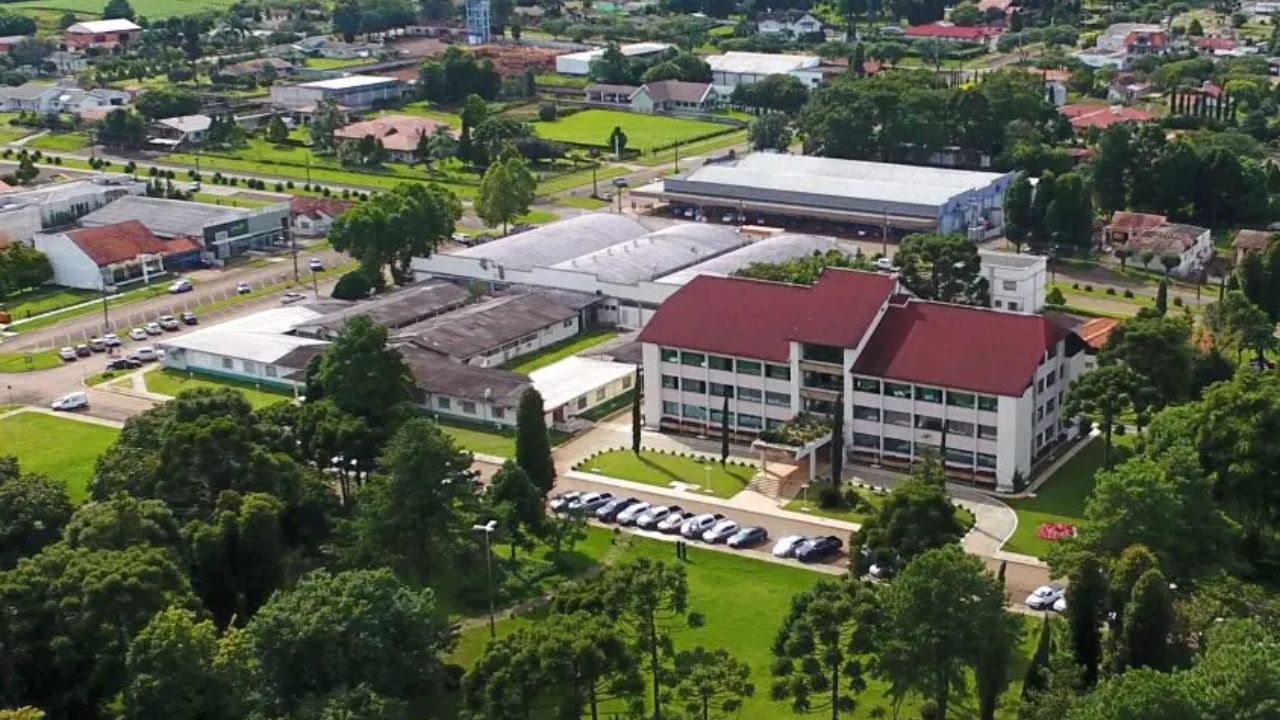


The Secret Lies Not Only in the Climate, but in the Swabian Colonization and the Pillar of Efficiency of the Agricultural Cooperative, Sustaining the Nickname of ‘Brazilian Switzerland’ in Guarapuava.
In Brazil, the title of “Brazilian Switzerland” is often associated with cold climate tourist destinations, such as Campos do Jordão (SP). However, a nucleus in the interior of Paraná stands out for sustaining this epithet with a deeper justification: the District of Entre Rios, in Guarapuava, recognized for its history, culture, and agricultural production. The value of this locality was corroborated by the City Hall of Guarapuava, which confirmed its nomination for the international competition “Best Tourist Villages” by the World Tourism Organization (UNWTO), citing its natural beauty and sociocultural characteristics. This recognition legitimizes Entre Rios as a case where the nickname of Brazilian Switzerland transcends mere climatic marketing, pointing to an essence of organization and prosperity.
The thesis that underpins this powerful designation goes beyond alpine aesthetics or mild climate. The real reason lies in the authentic cultural transplant, carried out by the immigration of the Danube Swabians in 1951, and in the establishment of an economic model based on cooperativism. This social and business structure resulted in an enclave of order and high productivity, characteristics that the popular imagination intrinsically associates with Swiss excellence. Although the regional portal G+ Notícias uses the epithet “a piece of Switzerland within Paraná!” to promote visual attractions, detailed analysis reveals that economic success is the functional pillar that cements the nickname.
The Immigration of the Danube Swabians and Social Planning
The historical factor is what truly distinguishes Entre Rios from other Brazilian localities that appropriate the Swiss epithet. The District was founded in 1951 to settle about 500 families of European refugees from the post-World War II, known as Danube Swabians (Donauschwaben). These immigrants, of German ethnicity, were mainly displaced from Syrmia-Slavonia, Batschka, and Banat, finding a new home in the Guarapuava Plateau over an area of 22,000 hectares. The resettlement was the result of a plan negotiated between the International Refugee Organization (IRO) and the Brazilian government.
-
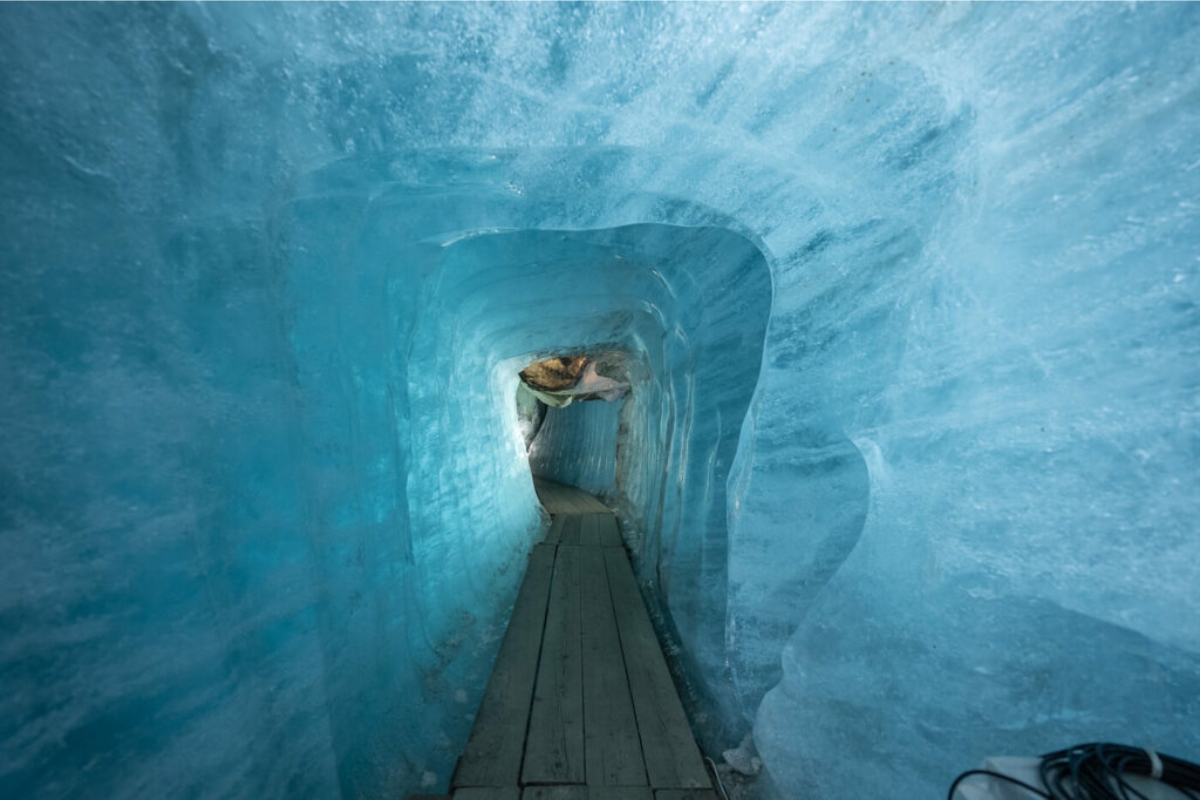
Workers manually excavate 6 million kilograms of ice to open a cave that allows observation of how a glacier is melting from the inside.
-
Archaeologists find a colossal 2,000-year-old vessel at the bottom of the sea near Alexandria linked to the elite of Egypt and reveal a pleasure barge from the last dynasty of the pharaohs that the sea has hidden for centuries.

-
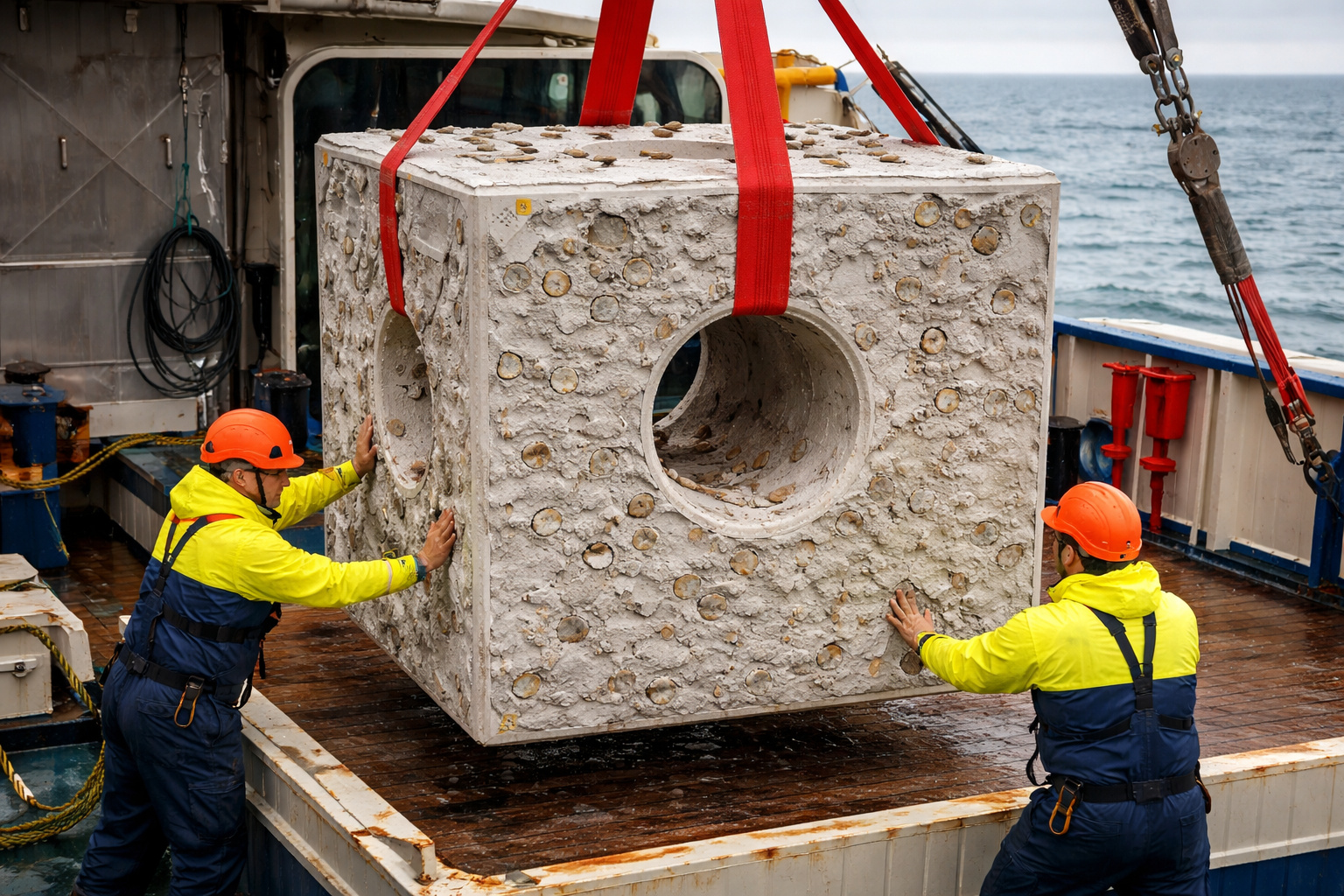
United Kingdom clears 40 tons of shells and concrete into the sea in an innovative project that promises to restore a marine ecosystem lost for over 200 years and improve water quality.
-
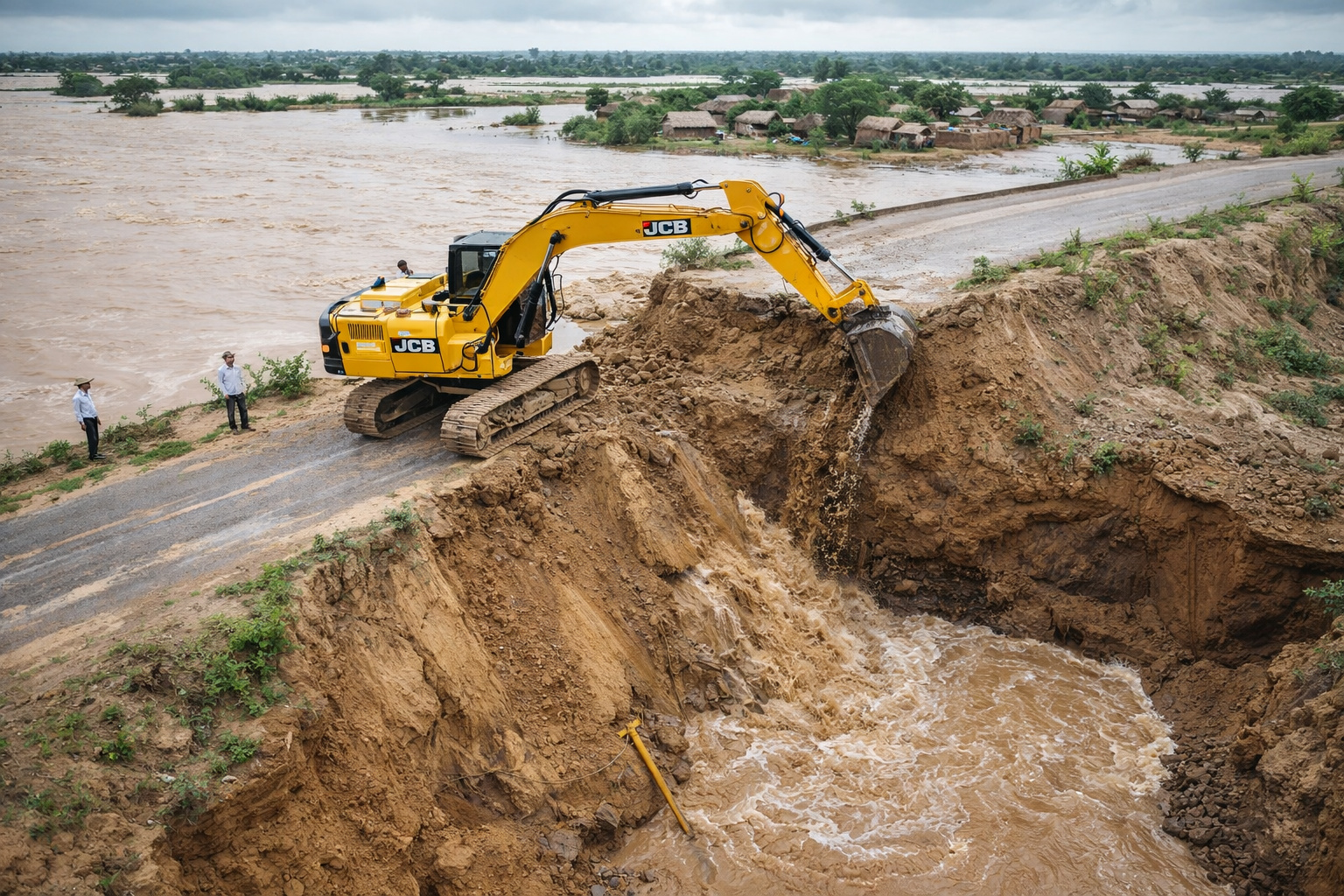
With emergency diversion to abandoned mining craters, engineers save villages from a devastating flood that was advancing through the desert and threatening to destroy entire communities in a matter of hours.

The territorial organization of this colony reflects the planned and systemic nature of the settlement, which is a crucial factor for the image of order that justifies the comparison with the Swiss nation. As detailed in historical analyses from Academic Journals and Periodicals (e.g., History Project from PUC-SP and Periodicals from UnB), Entre Rios was structured into five community units or villages: Samambaia, Jordãozinho, Vitória, Cachoeira, and Socorro. This capacity for social organization and community planning, transplanted from Europe, is seen as a significant differential compared to other tourist destinations that only invested in alpine aesthetics.
The Pillar of Prosperity: Cooperativism and Economic Efficiency
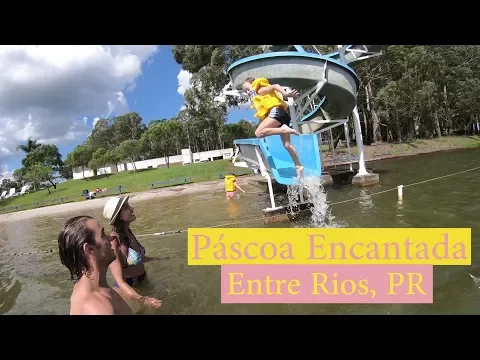

The stability and remarkable financial success achieved by the colony are the strongest functional argument to support the nickname of Brazilian Switzerland. Switzerland is globally associated with efficiency, management, and quality of production, and Entre Rios replicated this model through its cooperative structure. Economic success is intrinsically linked to the Mixed Agricultural Cooperative of Entre Rios (Agricultural Cooperative), founded by the Danube Swabians right in the year of their settlement, in 1951.
As emphasized in Academic Journals and Periodicals (e.g., History Project from PUC-SP and Periodicals from UnB), the Agricultural Cooperative functions as the social and economic backbone of the district, ensuring collective prosperity over the decades. This organization has made Entre Rios a national reference in agro-industrial quality. Today, Agrária manages large-scale operations, including the largest malting facility in Latin America, as well as soy crushing plants and high-tech mills. The wealth and high standard of living generated by this high-precision productive model solidify the image of excellence, deepening the nickname.
Geography and Culture: The Factors That Reinforce Identity
The geographical condition of Guarapuava provides the necessary verisimilitude for the comparison. The municipality is located in the Third Paraná Plateau, with Entre Rios reaching average altitudes of 1,102 meters. This elevated topography generates a Humid Subtropical Climate (Cfb), characterized by harsh winters and mild summers. This landscape of Araucárias and cold climate meets the expectation of “winter destination” in Brazil, being the first factor to validate the branding of Brazilian Switzerland for the general public.
Besides the climate, cultural preservation is a pillar of authenticity. The community is recognized for rigorously maintaining the Swabian culture and architecture of origin, going beyond a generic alpine imitation. The region’s marketing, in turn, leverages the landscape to create a visual bridge, using attractions such as the European Garden, located in the Araucárias Park. According to the portal G+ Notícias, this strategy translates the Swabian cultural richness into the most appealing marketing code, which is the direct comparison with the Swiss Alps to promote the destination.
The Authentic Value and Official Recognition
The District of Entre Rios is a valuable case study that illustrates how ethnic resilience and economic organization can generate a cultural enclave that stands out in the national scene. The nickname Brazilian Switzerland serves as a communication bridge, using a global prestige code to describe a local reality that is, in essence, unique and Swabian. The main point is that, while other places use the term for aesthetics or climate, Guarapuava is based on a socioeconomic system of order and prosperity.
This authenticity has generated official recognition. The City Hall of Guarapuava (Official Site) emphasizes that the value of the District of Entre Rios goes beyond marketing, being supported by its natural beauties, historical and cultural characteristics, and its excellence in agricultural production. This set of factors led the location to be nominated by the Ministry of Tourism for the international competition “Best Tourist Villages” of the World Tourism Organization (UNWTO), attesting to the quality of its development and its cultural relevance.
In summary, the legitimization of the nickname Brazilian Switzerland for the District of Entre Rios (Guarapuava) is sustained by three interconnected pillars: (1) The geographical basis of the Plateau (altitude and cold climate); (2) The historical and social transplant (organized Swabian colonization); and (3) Economic success (Agricultural Cooperativism and agro-industrial excellence). It is the confluence of altitude climate with the European precision business model that transforms the place from a mere winter destination to a territory functionally aligned with the image of order of the Swiss nation.
The case of Entre Rios shows that a marketing nickname can have much deeper roots in history and economics. In your opinion, what is more fascinating about this Paraná village: the architecture and the climate or the cooperativism model that generated prosperity? Leave your comment and share: the true ‘Brazilian Switzerland’ is the one that replicates the economic system or the one that replicates the landscape?






Brasileiro tem de parar com esse vira-latismo. Sempre se comparando aos estrangeiros. Isso é Brasil e construído por brasileiros. Já passou da hora de nos conscientizarmos que somos bons no que fazemos.
O MST faz melhor e não ganha terreno fácil do governo para isso. Têm que batalhar muito para conseguir fazer seus assentamentos…
So trabalhar e comprar o terreno, querem invadir Terra dos outros…aí é **** amigo
Neste PAÍS pouco se cria, e TUDO SIM se cópia, a única cidade que se pode dizer tal “jargão” é a cidade de GRAMADO, o resto das cidades são cidades que tentam CLONAR Gramado, inclusive Campos do Jordão…..