





 Portuguese
  English
  Spanish
  3 min of reading
  3 comments


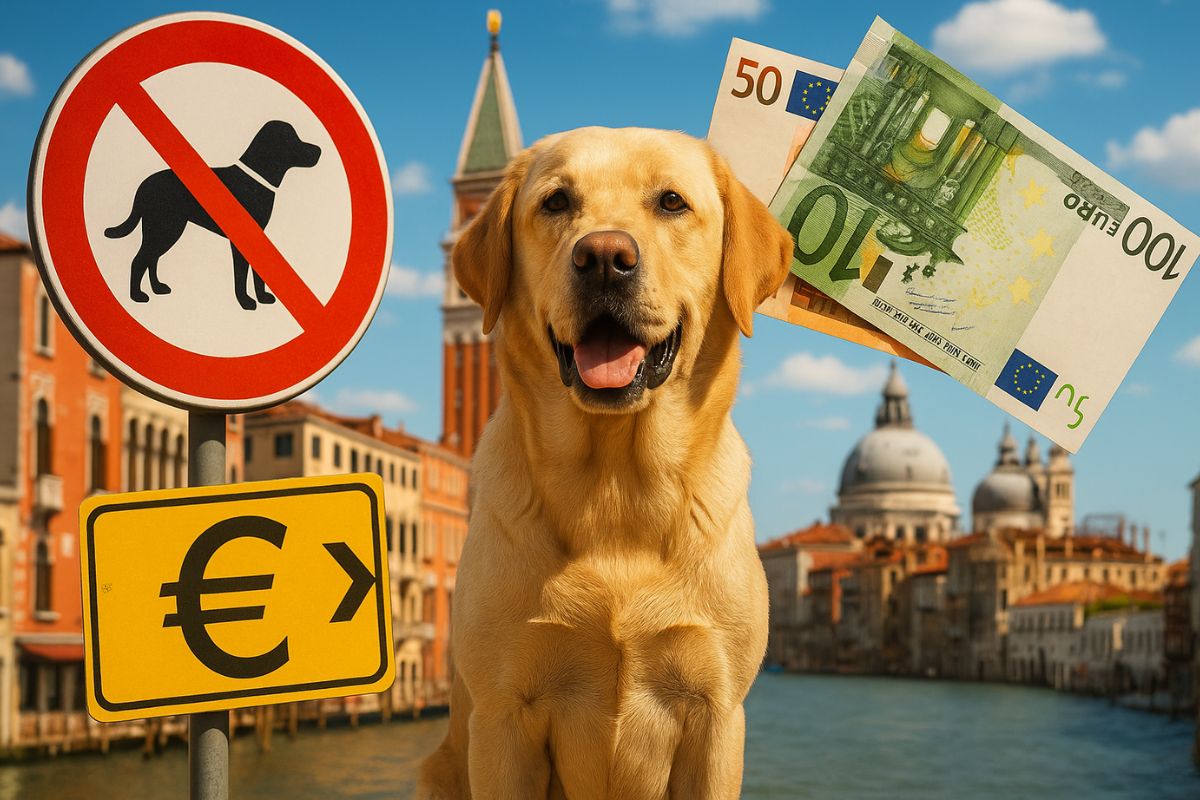


An Italian City in the North of the Country is Considering Taxing Dogs with an Annual Fee and Fines That Could Reach Nearly R$ 4 Thousand, in a Proposal That Rekindles the Debate on Urban Management and Pet Owners’ Rights
The municipality of Bolzano, in northern Italy, is analyzing the creation of an annual tax of about R$ 625 per dog, for both residents and tourists. The measure, in the Italian city, aims to reduce waste left on the streets and fund urban improvements, according to local authorities.
If approved, the fee will start in 2026 and will include daily rates of approximately R$ 9 for visitors bringing their animals to the alpine region. Fines for non-compliance with the rules may range from R$ 1,250 to nearly R$ 4 thousand, which is already causing controversy among residents, animal advocates, and political leaders.
What the Proposal in Bolzano Provides
The plan proposes an annual fee of € 100 for residents with dogs and a daily fee of € 1.50 for tourists.
-
Meta’s new smart glasses are not just for seeing; they use artificial intelligence, analyze your food, summarize messages, and can even change the way you work in professions like engineering.

-
According to an analysis by NASA, only one human-made structure is visible from space, and it is not the Great Wall of China or the Pyramids of Egypt.

-
After 377 years of history, the Brazilian Army will have its first female general: Colonel Claudia Cacho has been promoted to brigadier general by Lula and will receive the sword and command baton this Wednesday in Brasília.

-
A Mercado Livre customer opened their package and found 32 resumes of people looking for jobs crumpled as protective paper inside the box, exposing names, addresses, documents, and phone numbers of dozens of candidates.
The money collected would be directed to urban cleaning and the creation of dog parks, considered scarce in the city.
The idea is inspired by similar urban toll policies applied in cities like London and New York.
In addition to the fee, those who do not clean up after their animals may face high fines, which are expected to range between € 200 and € 600.
The goal is to directly tackle an environmental and hygiene problem that has become a constant source of complaints.
History of Previous Attempts and Experiences
The Bolzano proposal is not unprecedented. In 2008, the city had already attempted to implement a dog identification system with DNA testing, to hold owners accountable in cases of littering on the streets or aggressive behavior from the animals.
However, the project failed.
Only 12,000 of the 30,000 owners registered their dogs, due to the high cost of the test.
This time, local authorities promise adjustments.
Those who undergo the DNA test will be exempt from the fee for two years.
According to provincial councilor Thomas Widmann, this is a form of “common sense” to encourage participation without burdening all owners immediately.
Fines, Benefits, and Criticisms of the Proposal
The imposition of heavy fines is the most controversial point of the measure.
Critics argue that the penalties may heavily impact low-income families and even deter tourists traveling with their pets.
Animal rights organizations warn that the initiative conveys the misguided idea of turning dogs into a source of tax revenue.
Carla Rocchi, a representative of the Ente Nazionale Protezione Animali (Enpa), stated that the charge “is not the right way” and that the city should prioritize alternatives such as educational campaigns and a greater supply of waste bags.
The mayor Claudio Corrarati mocked the measure, saying that “we would be dogs if we imposed a tax on dogs.”
Perspectives and Future Impacts
If implemented, the initiative could set a precedent for other cities in Italy, expanding the debate on how to balance urban management and animal welfare.
At the same time, it pressures administrators to reconcile the need to keep the city clean with the preservation of the rights of owners and visitors.
The vote on the project is expected in the coming months and should engage not only authorities but also public opinion and entities linked to the animal cause.
The proposal from the Italian city of Bolzano demonstrates how the coexistence between urban life and pets can generate conflicts over costs, rights, and responsibilities.
The final decision could influence not only the city, but also serve as a model for other European municipalities.
Do you think it is fair to impose such high taxes and fines on dog owners? Or do you believe there are more balanced solutions to deal with waste on the streets? Share your opinion in the comments — your experience can enrich this debate.








Deveriam ter orientações Campanhas educativas para os tutores pegar os dejetos de seu **** .Placas sinalizando a proibição de sujeira do seu **** nas ruas e calçadas e umas lixeiras para o descarte.
**** idolatram o dinheiro dos outros, não deixem o Taxad saber disso!!!
Co mu nis tas