





 Portuguese
  English
  Spanish
 4 min of reading
  0 comments


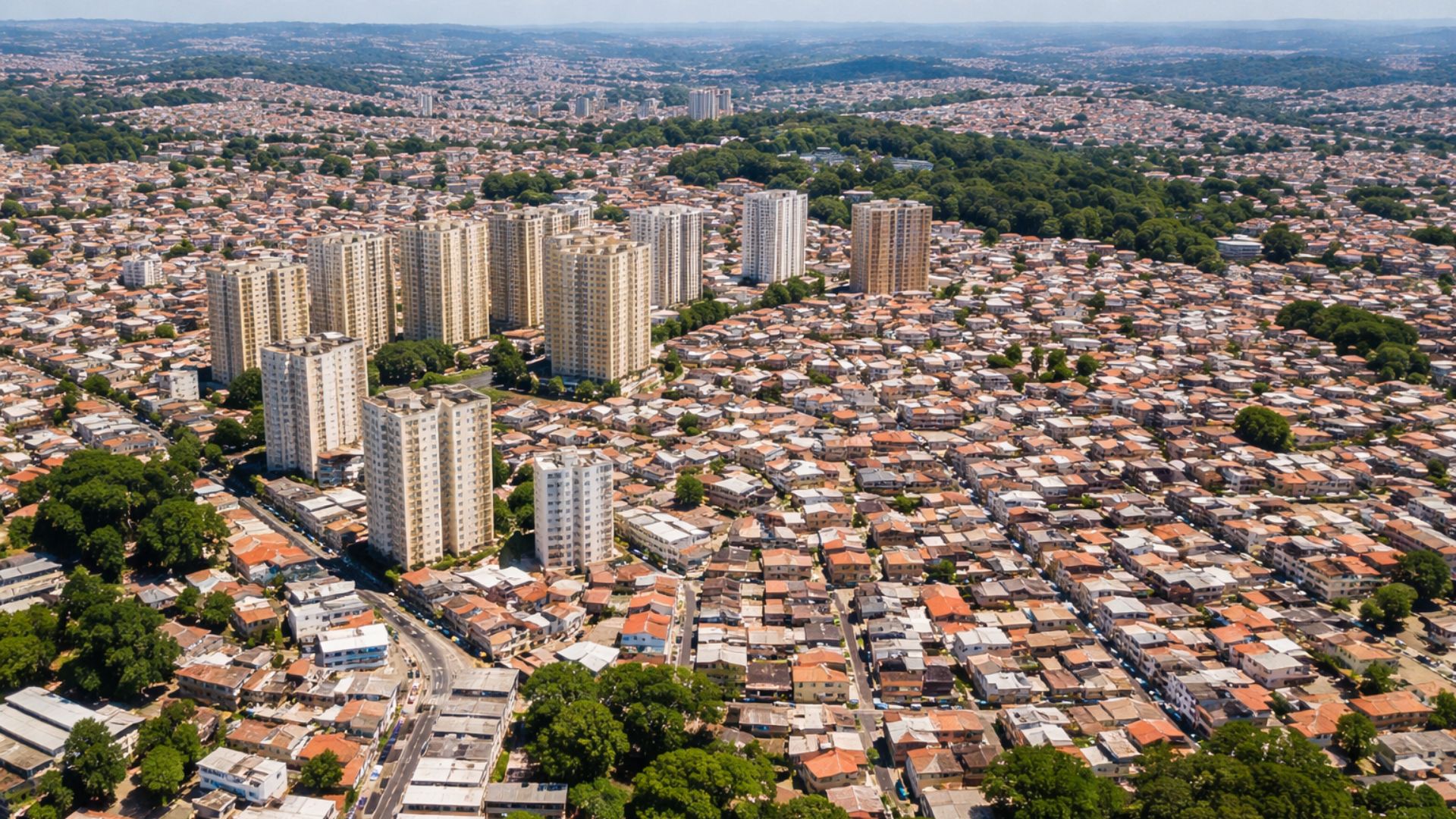
City Attached to the Paulista Capital Concentrates Population Comparable to Much Larger Municipalities in a Reduced and Fully Urbanized Territory. Census 2022 Data and Recent Estimates from IBGE Show How Taboão da Serra Became the Most Extreme Example of Demographic Density in Brazil.
Taboão da Serra, in the Metropolitan Region of São Paulo, continues to appear as the densest municipality in the country according to the most recent official data from IBGE based on the 2022 Census.
The city recorded 273,542 residents in the census survey, distributed over 20.388 km², resulting in 13,416.81 inhabitants per square kilometer.
In the municipal profile from the institute, the reported degree of urbanization is 100%, with no rural area accounted for.
-
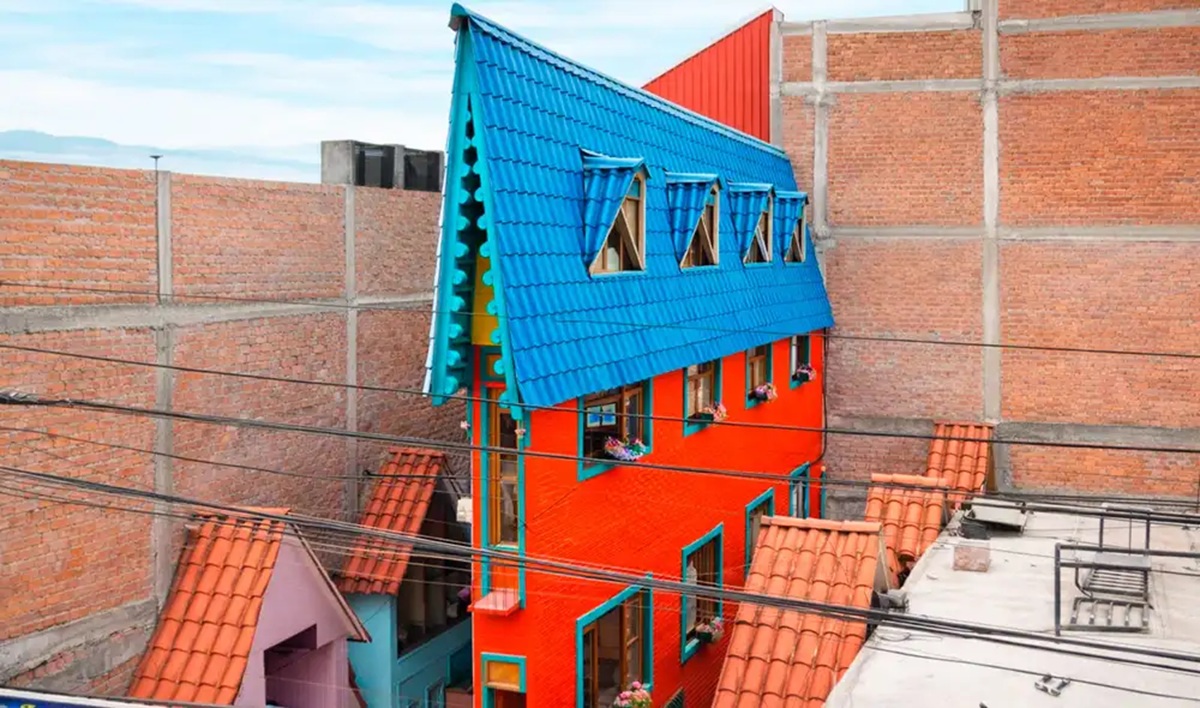
The narrowest house in the world is only 63 centimeters wide, but inside it can accommodate a bathroom, kitchen, bedroom, office, and even two staircases.
-
In the middle of the sea, these enormous concrete and steel structures, built by the British Navy to protect strategic maritime routes, look like they came straight out of a Star Wars movie.

-
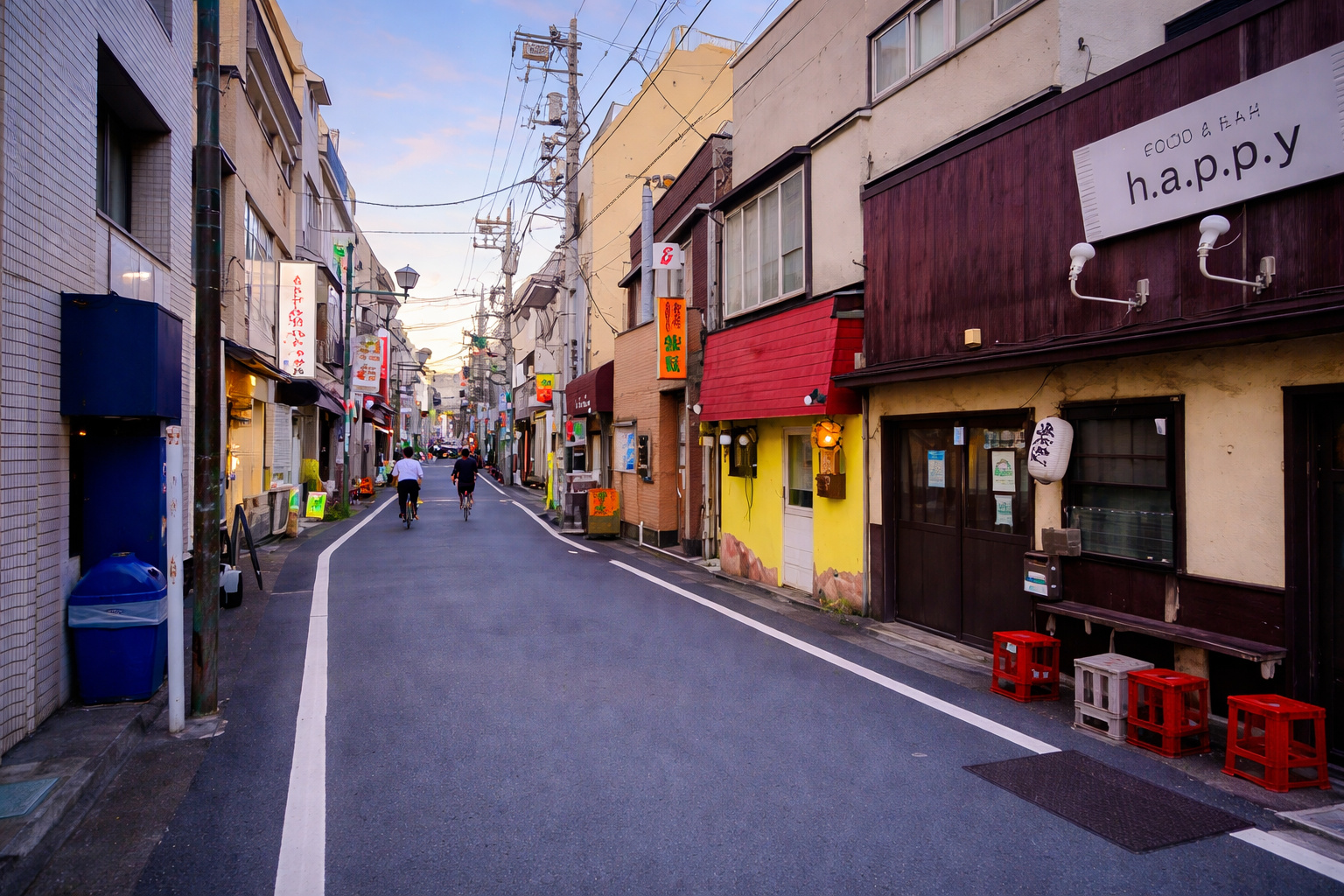
For years, no one could cross a neighborhood in Tokyo because of the tracks, but an impressive solution changed mobility and completely transformed the local routine.
-
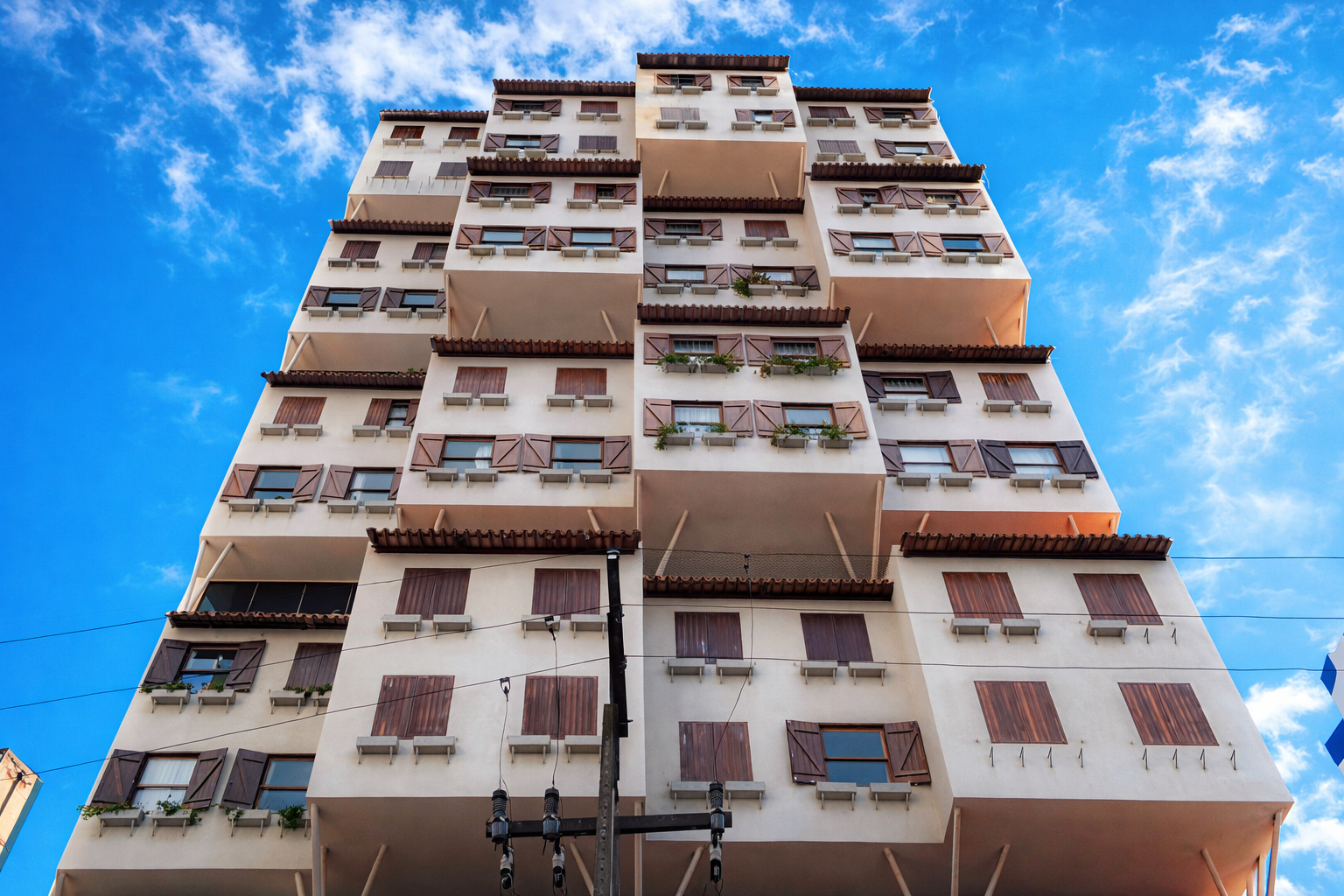
With 15 floors, an unusual building in Curitiba uses concrete, pilasters, and exposed roofs to create the effect of stacked houses.

This set of indicators helps to quantify the urban weight of a municipality that occupies little space on the map, yet gathers a population comparable to cities with much larger territories.
Rather than reflecting only population size, density reveals the intensity of land occupation, showing how many people live concentrated in a limited and entirely urbanized territorial strip.
Demographic Density Puts Taboão da Serra at the Top of the National Ranking
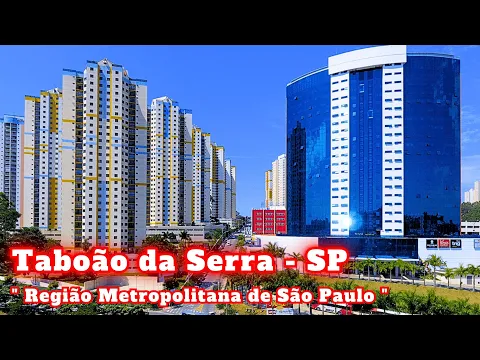

The national leadership stems from the combination of a reduced area and a high population count.
In the release of the first results of the 2022 Census, IBGE itself highlighted Taboão da Serra among the municipalities that attracted the most attention for their demographic density, ahead of other cities known for strong density, such as Diadema, São João de Meriti, Osasco, Carapicuíba, and São Caetano do Sul.
The figure becomes even more significant when it is observed that the municipal territory has not expanded.
The official area remains at 20.388 km², according to the territorial base of IBGE replicated in the Cities and States panel.
Meanwhile, the population estimated by the institute for 2025 reached 285,307 people, indicating recent growth in an administrative space that remains practically the same.
Municipality Without Rural Area and Complete Urbanization
The statistical profile of Taboão da Serra reinforces an unusual trait among Brazilian municipalities: the absence of rural area in the official classification.
In practice, this means that the entire population is located in an area considered urban, with no transition zone within the municipality’s limits.
This data helps to explain why the city is often cited as an extreme example of consolidated urbanization in Greater São Paulo.
Although IBGE reports an urbanization degree of 100%, another survey from the institute focused on urbanized areas of the country shows that 91.28% of the municipal territory was already mapped as urbanized in 2019.
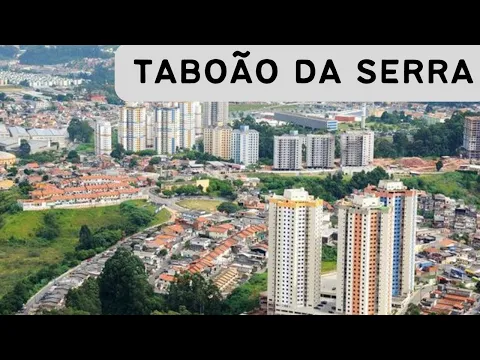
This portrait does not contradict the current profile of the municipality, as it uses a different methodology based on territorial mapping of the urban footprint.
The data helps to visualize how urban occupation already dominated practically all local space even before the release of the 2022 Census.
Proximity to São Paulo Influences Territorial Occupation
Located in the southwestern portion of Greater São Paulo, Taboão da Serra maintains direct integration with the Paulista capital.
Institutional information from the municipality indicates that a good part of its territory borders the Campo Limpo neighborhood.
The city is about 15 kilometers from Praça da Sé, a reference frequently used to measure proximity to the city center.
This context helps to understand why, in everyday life, the separation between the two municipalities may seem less clear than the administrative division suggests.
In several areas of the urban fabric, the built environment is continuous, with no visible break between city and city.
The metropolitan insertion of Taboão da Serra also appears in the way housing, circulation, and land use have been organized over time.
IBGE Numbers Reveal Concentrated Urban Scale
The available data allows us to confidently state that the municipality remains a national reference when it comes to population concentration in a reduced space.
The population of 273,542 people registered in the 2022 Census, combined with 13,416.81 inhabitants per square kilometer and 100% urbanization, forms a quite specific urban portrait within the Brazilian scenario.
It is not just a populous city but a small territory that accommodates many people in a fully urbanized area.
The most recent population estimate from IBGE adds another dimension to this reading.
With 285,307 projected residents for 2025, Taboão da Serra shows continuity in demographic growth even without significant changes in its territorial base.
This population growth amplifies the pressure on urban infrastructure and reinforces the importance of density as an indicator for understanding the local configuration within the São Paulo metropolitan dynamics.
In this scenario, the title of the densest city in Brazil functions less as a statistical curiosity and more as a synthesis of a unique urban condition within Greater São Paulo.





-

Uma pessoa reagiu a isso.