





 Portuguese
  English
  Spanish
 4 min of reading
  4 comments


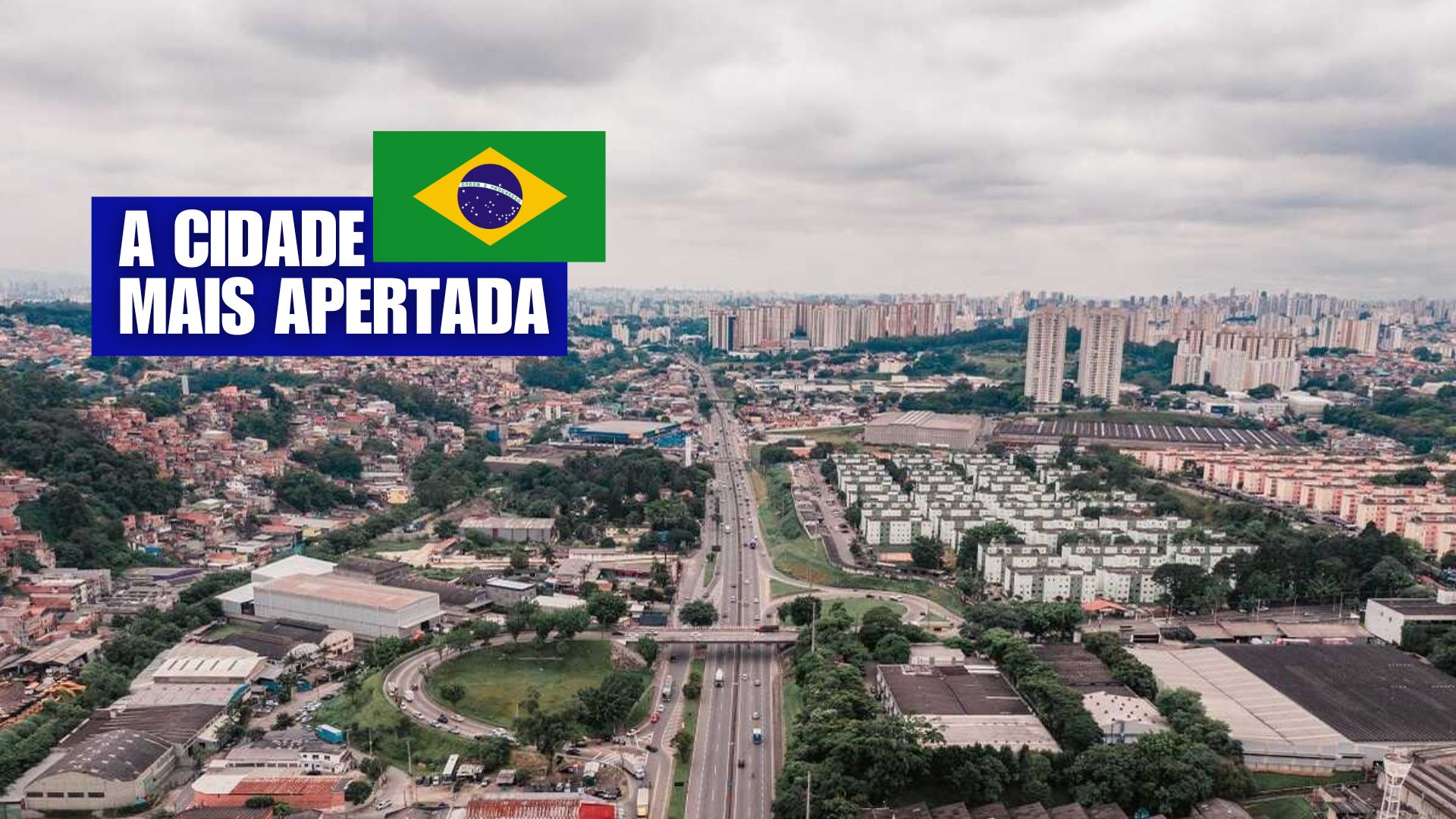


Taboão da Serra Leads Brazil’s Population Density with Over 13,000 Inhabitants per Square Kilometer and Continues to Grow Despite Reduced Territory and Direct Neighboring the Capital.
Taboão da Serra occupies the first position in population density among Brazilian municipalities in the 2022 Census.
The picture from IBGE shows 13,416.81 inhabitants per km² in a territory of 20.388 km² and 273,542 residents, which keeps the city in the Greater São Paulo at the top of urban density in the country.
Additionally, the official page of the municipality indicates an estimated population for 2025 of 285,307 people, signaling continued growth in a reduced area.
-
The largest fortress on the planet is located in a city with 10 km star-shaped walls, 300 hectares protected, an aqueduct with 843 arches and 7 km long, strategic forts, and a UNESCO title that intrigues specialists.
-
USS Gerald R. Ford: the floating city of $13 billion where 5,000 sailors serve 17,000 meals a day, sleep in stacked bunks, take 10-liter showers, and keep 75 fighter jets ready.

-
Spain surprises the world by erecting 62 artificial dunes, mixing sand with natural remains of posidonia, and causing the structure to lose only 1.4% of its volume in 1 year.
-
Meta and YouTube condemned for addiction to social media: ruling links the operation of the platforms to the worsening of anxiety and depression.


Record Density in the 2022 Census
The ranking holds when compared to other traditionally compact hubs.
Diadema (SP) records 12,795.69 inhabitants/km² with 393,237 inhabitants counted in 2022.
São João de Meriti (RJ) follows, with 12,521.64 inhabitants/km² and 440,962 residents in the same survey.
In all three cases, the data is official and derives from the combination of the Census population and the updated territorial area provided by IBGE.
On a national scale, the contrast is broad.
Brazil has 23.86 inhabitants/km² in the 2022 Census, a figure that highlights the exceptional density of Taboão compared to the national average.
The national indicator is based on the total population counted and the current Brazilian territorial area.
Taboão da Serra on the Metropolitan Map
The location helps explain the numbers.
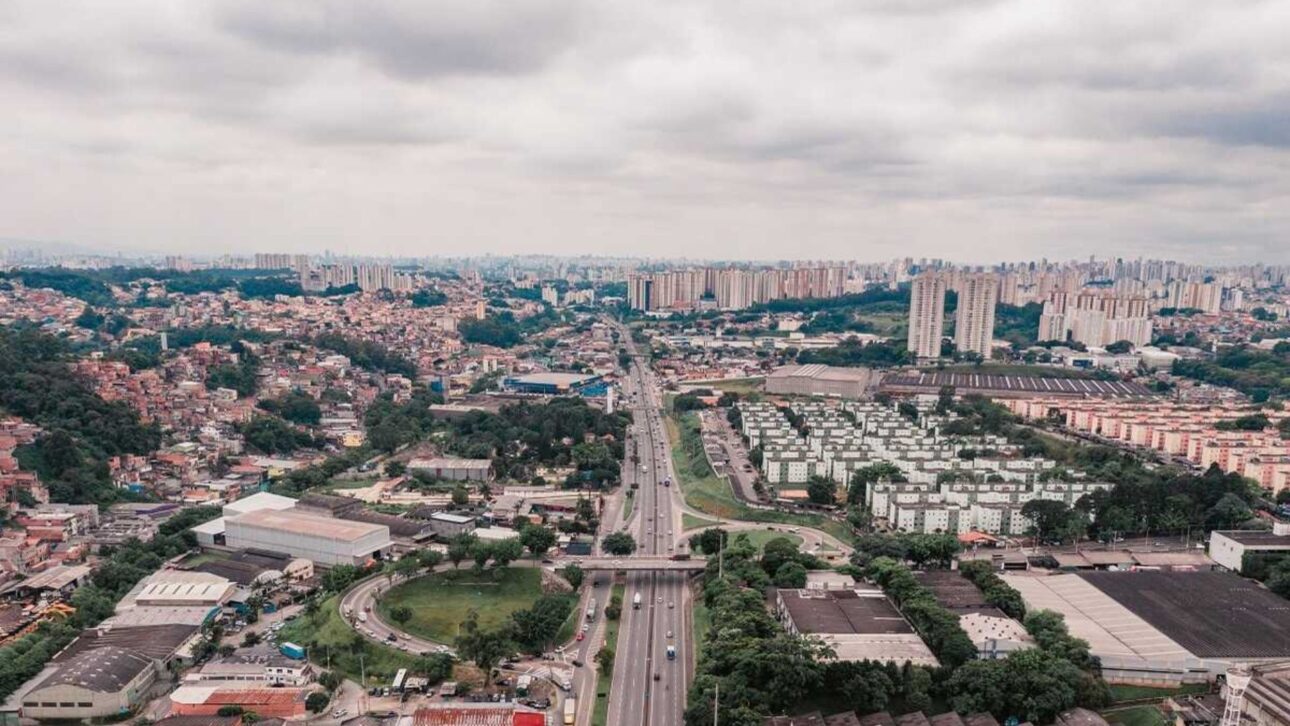
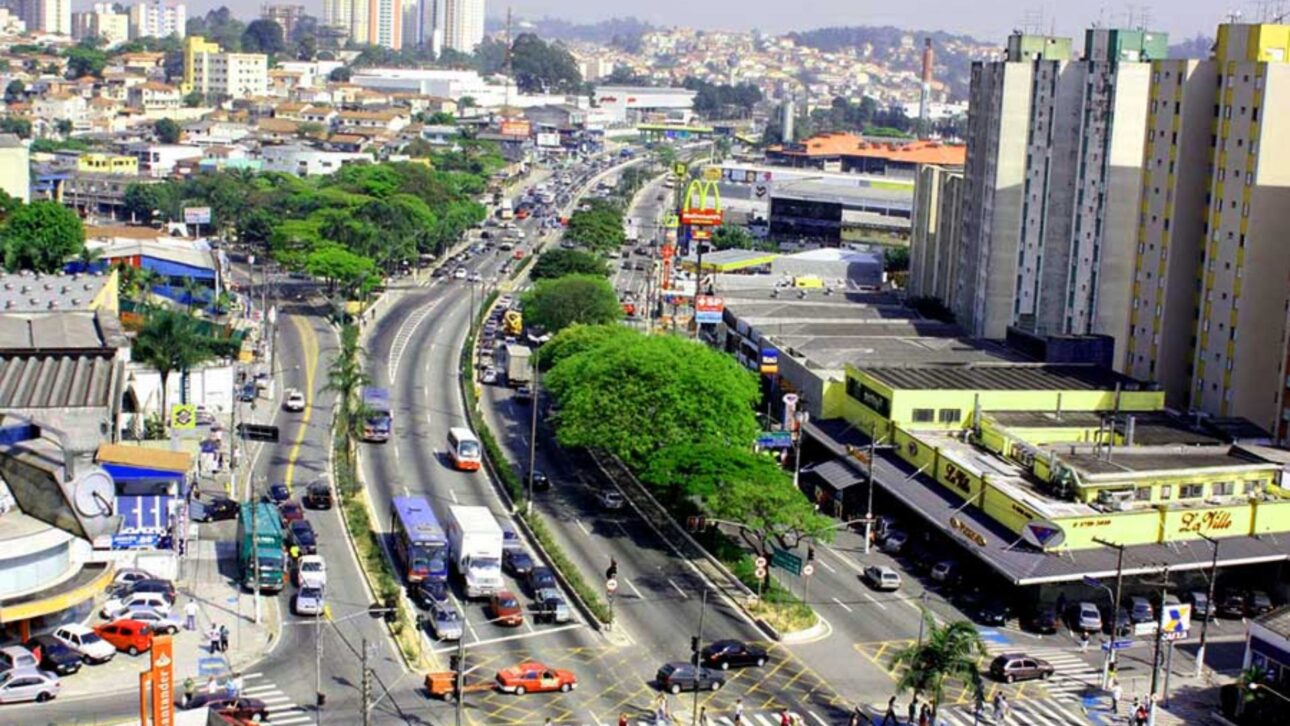
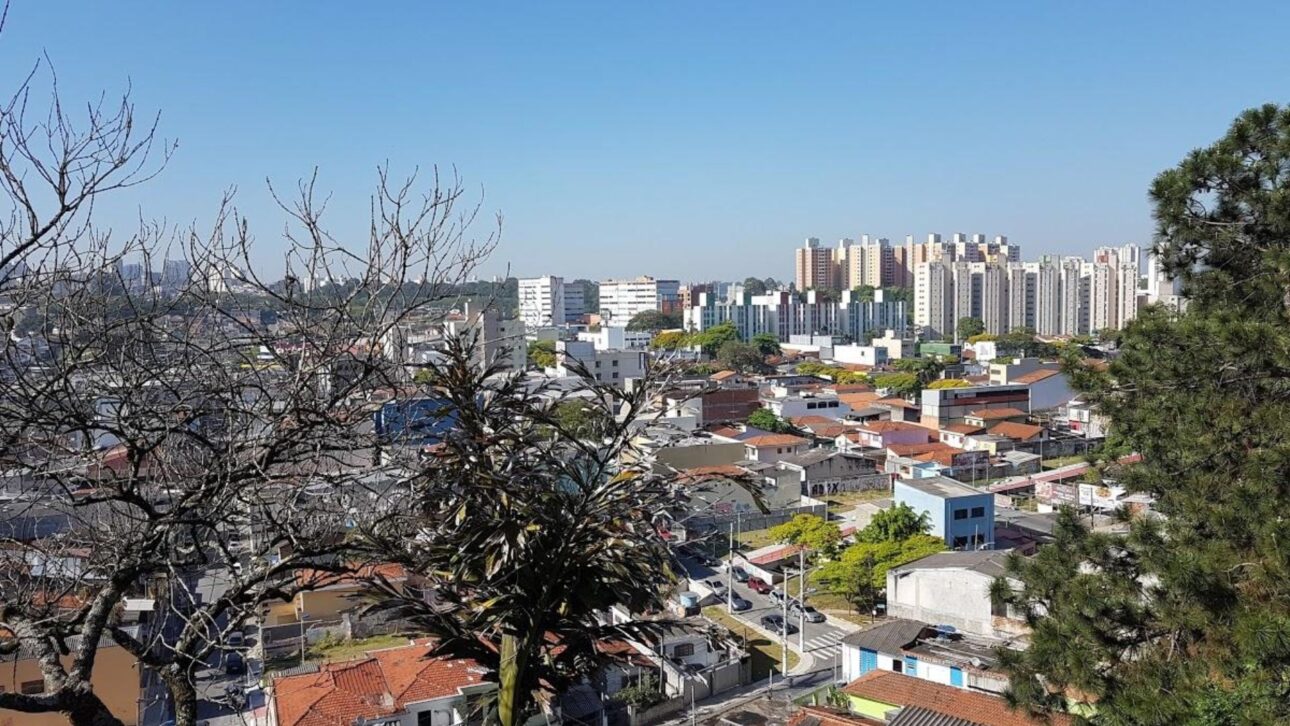
The municipality is part of the São Paulo Metropolitan Region and borders neighborhoods in the capital, in a scenario of conurbation that minimizes practical boundaries and encourages verticalization near transport routes and services.
Public descriptions of the territory record this continuous urban fitting with São Paulo.
How IBGE Calculates Municipal Density
Population density is the ratio between resident population and territorial area.
At the municipal level, IBGE uses the count from the 2022 Census and the official cartographic bases, updated periodically.
The institute itself maintains a scheduled review policy to correct inconsistencies when new information arises, which can lead to localized adjustments in series and panels.
Thus, small variations are expected over time but do not alter Taboão’s leadership in the Census data.
What the Official Panels of Taboão Show
In the municipal profile of Cidades@, Taboão da Serra concentrates indicators that help contextualize the density.
The page records a schooling rate of 98.55% among children aged 6 to 14 (reference 2022) and an IDHM of 0.769 (reference 2010).
These metrics do not measure density but provide clues about social conditions and historical human development.
This data coexists with core information on population, area, and density that consolidates the diagnosis of an extremely compact city.
Comparisons That Illuminate the Debate
Alongside Taboão da Serra, Diadema reflects a similar pattern: small territory, continuous urban fabric, and pressure for intensive land use.
São João de Meriti, in the Baixada Fluminense, also illustrates a highly populated municipality, although in an area of 35.216 km², larger than that of Taboão.
This helps understand differences in the internal distribution of residents and the availability of services.
In common, all three present high density with immediate effects on mobility, housing, sanitation, and planning.
Growth in Limited Area
The post-Census estimates indicate population growth in Taboão even without territorial expansion.
The projection of 285,307 inhabitants in 2025 reinforces that the pressure on infrastructure and transport is likely to persist.
This requires land use and housing policies compatible with the metropolitan reality.
Although estimates do not alter the results of the 2022 Census, they serve as a gauge of recent trends.
Main Fact: National Leadership
The verified and objective data remains the same: Taboão da Serra leads in population density among Brazilian municipalities in the 2022 Census, with 13,416.81 inhabitants/km².
Around the capital, only a few kilometers separate very distinct demographic realities, and Taboão is the most extreme case of intensive land occupation in the most recent survey.





Não acredito nesses dados. Deve haver algum erro! Acredito que possa ter algum benefício em declarar residência nessa cidade. Mesmo com as construções cada vez mais verticais, esses números não batem. As pessoas declaradas, na sua maioria, não moram na cidade de fato.
Falou merd@ pra c@ralh# agora
E a sua L1ngu4g3m é extr3m4m3nt3 m3d1ocr3.
Se dividir o número de habitantes pela área total do município verá que a conta bate. Além disso, Taboão da Serra praticamente não possui áreas desocupadas, e está ficando extremamente verticalizado. Moro num condomínio com cerca de 20000 metros quadrados e com 5000 habitantes, só para ter uma ideia.