





 Portuguese
  English
  Spanish
 4 min of reading
  0 comments



National Recognition Puts A City In The Greater São Paulo Area In The Spotlight For Its Performance In Public Management, Socioeconomic Development, And Public Order Policies Evaluated In A National Award Focused On Municipalities With More Than 100 Thousand Inhabitants.
Santana de Parnaíba, in the São Paulo Metropolitan Area, was nationally recognized by winning the Band Excellent Cities Award 2025 in one of the pillars that evaluate socioeconomic development and public order, in the category of municipalities with more than 100 thousand inhabitants.
The announcement was part of the national stage of the award, which brings together cities previously highlighted in the state phases.
The result projects the municipality on the national stage based on indicators related to public management, the economic environment, and public order policies.
-
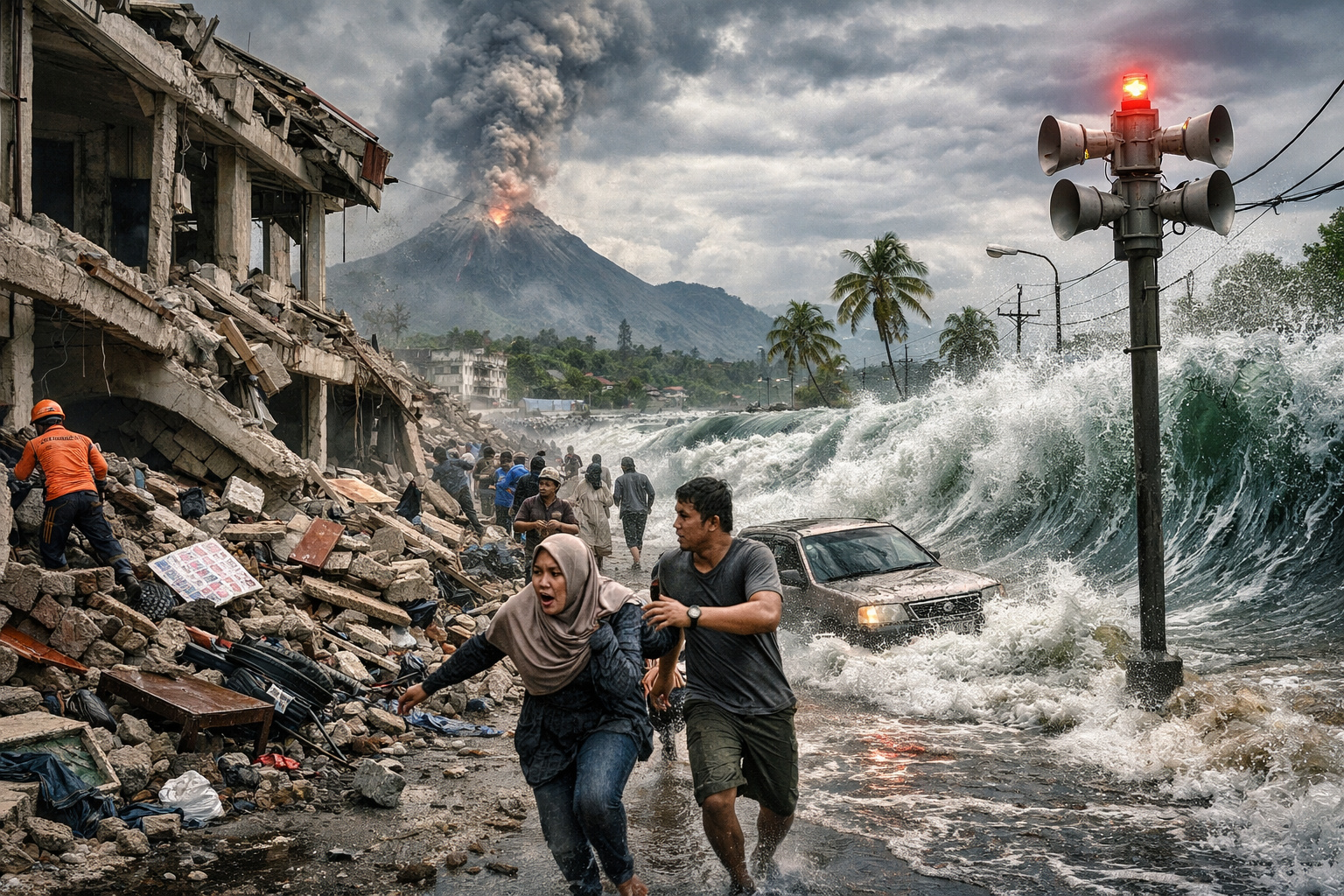
A strong earthquake in Indonesia affects houses and schools, causes panic, triggers a tsunami alert, and records a rise in sea level of up to 30 centimeters in some areas.
-
The Argentine government celebrates the lowest poverty rate in 7 years, but experts warn that the methodology has changed, real wages have fallen, unemployment has risen, and the number of people on the streets of Buenos Aires has increased by 57% since Milei took office.

-
7.8 magnitude earthquake in Indonesia frightens the population, triggers tsunami alert, and hits an island with over 200,000 inhabitants this Thursday.

-
Google will finally let you change that embarrassing Gmail address you created in your teenage years without losing any accounts, logins, or old emails: the feature is already available in the United States.


The award is organized by the Bandeirantes Group in partnership with the Aquila Institute and uses the Aquila Municipal Management Index, IGMA, as a methodological basis.
In an institutional statement, the city hall reported that the recognition is linked to administrative planning, fiscal responsibility, and policies aimed at maintaining public services.

According to the municipal administration, the performance reflects ongoing actions taken over the past few years.
“This achievement reflects the daily effort of the public servants who work diligently to keep essential services running. We remain focused on making the city increasingly safe, structured, and welcoming,” stated the city hall in an official note.
Criteria of The Band Excellent Cities Award And Evaluation Methodology
Created to encourage good practices in municipal public administration, the Band Excellent Cities Award compares cities from different regions of the country based on standardized criteria.
The evaluation considers population ranges and thematic pillars, such as governance, education, health, sustainability, and socioeconomic development with public order.
According to the organizers, IGMA consolidates dozens of indicators extracted from official public databases, allowing for a standardized comparison of municipalities.

The methodology crosses socioeconomic, fiscal, and administrative data to compose the final score of each city in each pillar.
In the national stage, municipalities that performed best in the state phases compete.
The declared goal of the initiative is to encourage administrative efficiency and enhance transparency regarding local public policies.
Safety And Efficiency In The Context Of The National Award
In the case of Santana de Parnaíba, the highlight occurred in a pillar that encompasses variables linked to the local economy and public order.
Public management experts often point out that this type of indicator is not limited to criminal statistics but also involves urban organization, service functionality, and institutional environment.
For this reason, the title of “safest and most efficient” should be interpreted within the scope of the award and its methodology.

The classification refers to performance in the evaluated pillar and in the corresponding population range, and not to an absolute and isolated ranking of public safety among all Brazilian cities.
Nonetheless, the recognition signals that, according to IGMA criteria, the municipality displayed superior results compared to other cities of the same size in the set of analyzed indicators.
Institutional Effects And Visibility Of Municipal Management
The award does not foresee a direct transfer of financial resources.
The primary effect is usually institutional and symbolic, functioning as a seal of recognition for public management.
Awarded city halls tend to use the result to showcase their administrative performance in relationship agendas with investors, state governments, and federal agencies.

At the same time, this type of visibility increases the demand for detailing the data that underpinned the classification.
In evaluations based on indicators, the disclosure of results usually generates interest in historical series, regional comparisons, and the evolution of public policies over time.
Another recurring effect is the increase in comparisons between municipalities from different states.
The national stage brings together cities with distinct economic and social profiles, which enhances the debate about administrative practices that can be adapted to diverse realities.
Monitoring Indicators And Continuity Of Public Policies


For Santana de Parnaíba, the recognition amplifies the responsibility of maintaining consistent performance in the following evaluation cycles.
Indicators used in municipal management indices are dynamic and may vary with economic, fiscal, and social changes.
The municipal administration itself has emphasized that the focus remains on the continuity of public policies and the maintenance of services.
Future evaluations must indicate whether the results are sustained and how the municipality responds to new challenges.
With the city now in national evidence in this context of development and public order, which indicators do you consider most relevant to objectively assess whether this performance is reflected in the daily lives of the population?








-

Uma pessoa reagiu a isso.