





 Portuguese
  English
  Spanish
 5 min of reading
  0 comments


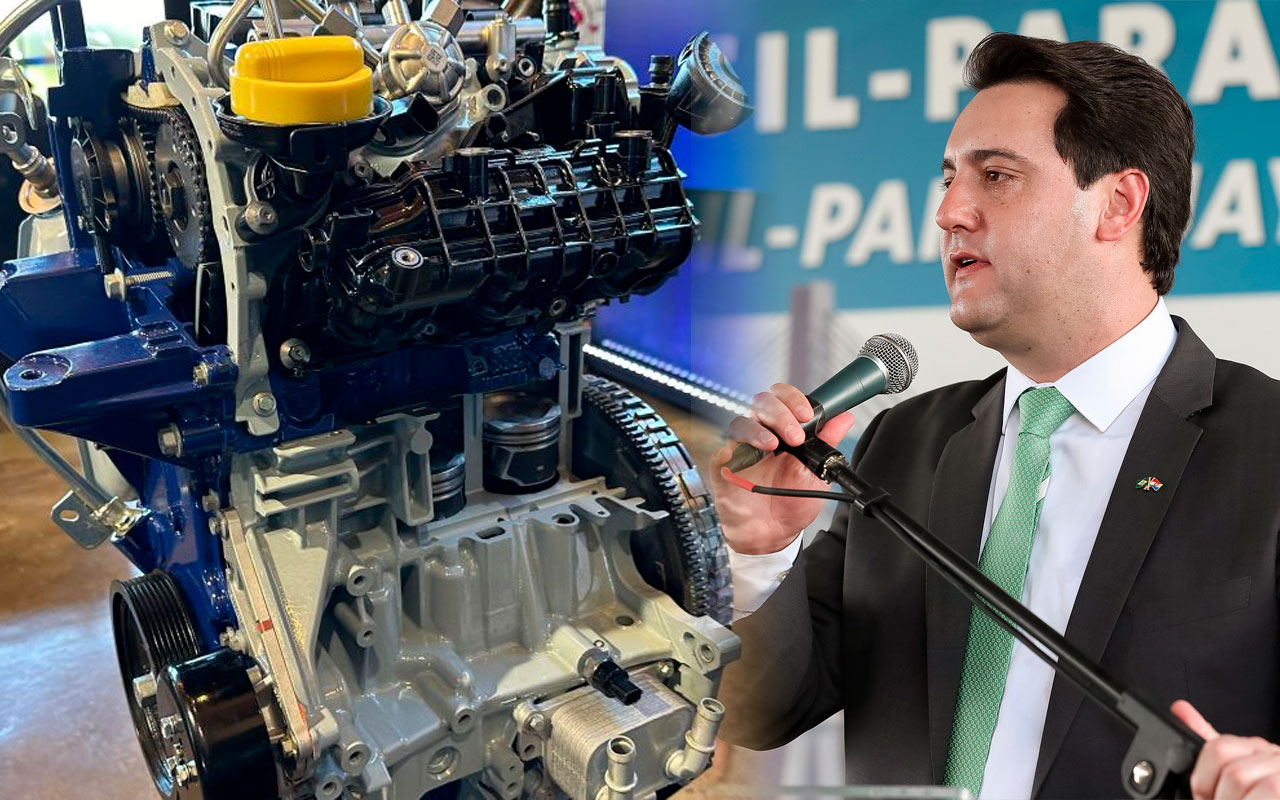
Horse Brasil Formalized an Investment of R$ 546.4 Million to Expand the Factory in São José dos Pinhais Under the Paraná Competitivo Program. The Plan Raises the Investment Cycle in the State to R$ 865.7 Million by 2028.
The engine manufacturer Horse Brasil signed at the Palácio Iguaçu the protocol for a new investment of R$ 546.4 million to expand production lines and accelerate the nationalization of components in São José dos Pinhais, the Metropolitan Region of Curitiba. The announcement was made alongside Governor Ratinho Junior and is part of the Paraná Competitivo program, which provides tax incentives to attract industrial projects and jobs.
According to the Paraná government, this new investment adds to the R$ 100 million allocated in 2023 and R$ 200 million for 2024 intended for the structure of aluminum cylinder heads, raising the total cycle from 2023 to 2028 to R$ 865.7 million. The focus is on modernization, new lines, and nationalization of items previously imported from Europe.
The Paraná unit, located in the Ayrton Senna Industrial Complex, already produces HR10 and HR13 Turbo Flex engines and employs about 700 direct workers. The expansion reinforces Paraná’s position as a hub for flex engines with ethanol and low-emission technologies.
-
The largest food company on the planet, JBS, has just opened a 4,000 square meter laboratory in Florianópolis to develop customized proteins that modulate muscle mass gain, immune response, and metabolic performance.

-
After nearly 30 bids and competition among industry giants, a Spanish company purchases one of the largest airports in Brazil for almost R$ 3 billion and takes over the management of Galeão in a concession that will last until 2039.

-
The Federal Revenue Service now automatically cross-references everything you declare with data from banks, credit cards, brokerage firms, and insurance companies, and any discrepancy between your income and your expenses triggers an alert in seconds.

-
Amid global tensions, Brazil blocks the United States’ proposal at the WTO and paves the way for a trade crisis and possible retaliations.


In addition to the immediate expansion, the next step planned by the company is a new casting line for cylinder heads, with an investment exceeding R$ 400 million, to reduce dependence on imports and provide more autonomy to local operations.
What Was Announced by Horse Brasil for Paraná, Values, Dates, and Incentive Program
The protocol formalized on August 11, 2025 ensures R$ 546.4 million for operating new production lines for engines and accelerating the nationalization of components. The announcement took place at the Palácio Iguaçu, the seat of the state government, and included representatives of the multinational.
The investment falls under the umbrella of Paraná Competitivo, a program coordinated by the Secretariat of Finance and Invest Paraná. The initiative allows for eligibility for tax incentives provided by law, without fiscal renouncement, with the goal of attracting capital, technology, and jobs to the state.
The local and sectoral press also reported on the investment, highlighting the allocation of resources for new lines, modernization of the plant, and nationalization of parts, as well as the prospect of increasing the competitiveness of the Paraná unit in domestic supply and exports.
What Changes in the Factory, Nationalization, Casting, and Capacity
The main goal is to increase the self-sufficiency of the plant by producing in Brazil components that were previously imported, such as aluminum cylinder heads for HR10 and HR13 Turbo Flex engines. With this, Horse reduces logistical costs, mitigates risks from global supply chains, and shortens supply times for automakers.
The plan includes the implementation of a new casting line at the São José dos Pinhais site. The company states that the investment in this phase exceeds R$ 400 million, preparing the factory to cast and machine cylinder heads locally and thus stop importing from Europe. This is considered a strategic step for productive autonomy.
In 2024, the company had already confirmed R$ 200 million to nationalize cylinder heads, with nominal capacity reportedly around up to 210 thousand units per year when fully operational, reinforcing the industrial scale of the project.
Jobs, Engines, and Regional Impact
The Paraná unit maintains about 700 direct jobs and is part of the automotive ecosystem of the Ayrton Senna Industrial Complex, which also houses operations from the Renault Group. The advancement of nationalization tends to stabilize the demand for skilled labor in metallurgy and machining, with potential for new vacancies as production increases.
The local portfolio includes the HR10 and HR13 Turbo Flex engines. In February 2025, Horse announced the start of production of the HR13 in Paraná, consolidating a pipeline of flex-fuel engines calibrated for ethanol, a technological priority of the company in Brazil.
For the state government, projects with high local content, technical training, and R&D anchored in the state contribute to linking suppliers, fostering exports, and diversifying the industrial base. The Paraná Competitivo program is seen as a key tool to unlock these investments.
Who is Horse: Global Presence and Production Capacity
Horse is based in Madrid, with 9 thousand employees, eight powertrain plants, and three R&D centers in seven countries, and an annual installed capacity of 3.2 million units, according to the corporate website and official releases.
Since 2024, the brand has been part of the Horse Powertrain holding, a joint venture of Renault and Geely with participation from Aramco, which brings together 17 plants and 5 R&D centers globally. The Brazilian operation remains a pillar for flex engines and low-emission solutions in the region.
In Brazil, the São José dos Pinhais plant was inaugurated in 2001, has produced more than 5 million engines, and maintains a R&D center dedicated to flex-fuel, with tests for emissions, durability, and consumption.
Timeline and Next Steps Until 2028
The investment cycle in Paraná totals R$ 865.7 million between 2023 and 2028. Recent progress included R$ 100 million in 2023 for high-efficiency engines, R$ 200 million in 2024 for the production of cylinder heads, the start of HR13 in 2025, and now the expansion with R$ 546.4 million. The focus is on scale, local content, and supply stability for the automotive chain.
The projected casting line is expected to close the nationalization cycle of the cylinder heads and reduce imports. The company and the government highlight autonomy, competitiveness, and logistical gains as expected results in the medium term.
For Paraná, the combination of incentives and a business environment is cited as a factor in attracting new industrial investments, keeping the state on a growth path in the automotive and flex engine sector.
Heavy investment in flex engines with ethanol and more nationalization is the best strategy for Brazil at this moment or should the focus shift more quickly to pure electrics? Share your opinion. The debate qualifies public discussion and helps guide industrial policies and investment decisions in the country.






-

-

3 pessoas reagiram a isso.