





 Portuguese
  English
  Spanish
  3 min of reading
  0 comments


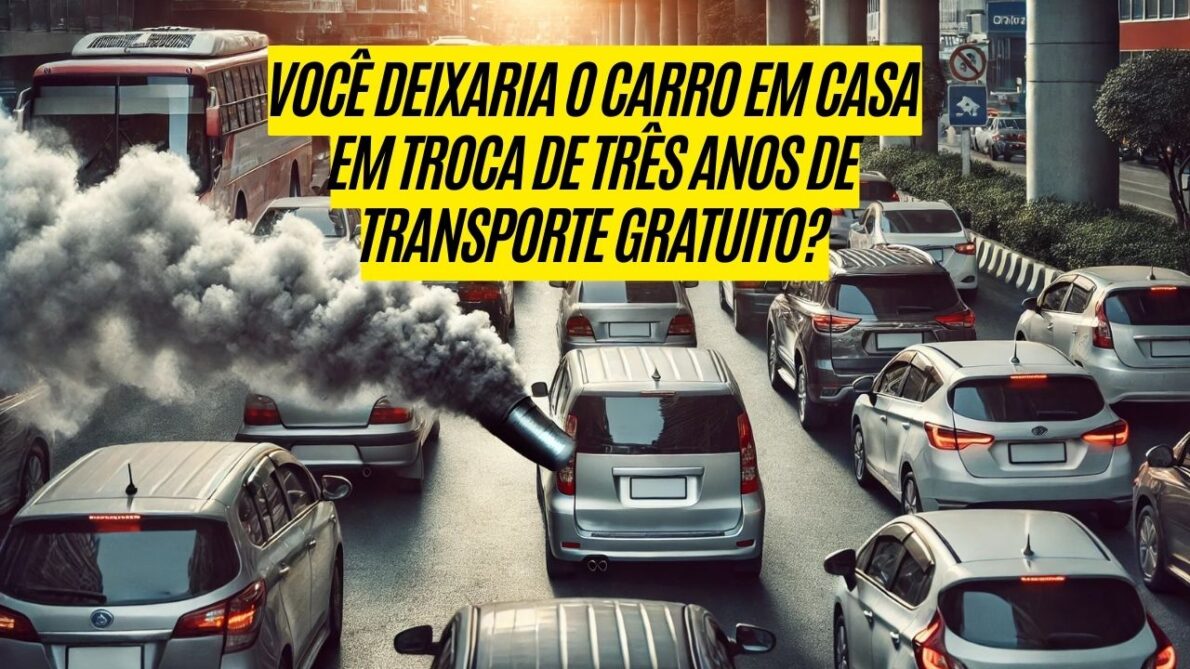
Would You Leave Your Car At Home In Exchange For Three Years Of Free Transport? In Barcelona, Spain, This Question Has Stopped Being Theoretical. The City Launched An Innovative Program That Promises To Revolutionize Urban Mobility: Any Resident Who Gives Up Their Car Earns A Free Transport Card, Valid For Three Years, And The Chance To Participate In A True Environmental Transformation. Does It Seem Like A Dream? Well, It Is A Reality, And The Numbers Show That It Is Working.
With The New Free Transport Program, Barcelona Aims To Reduce The Presence Of Cars, Especially Old Ones Without Environmental Certification, Which Are Major Contributors To Polluting Gas Emissions. To Qualify, The Resident Must Sell Their Vehicle Or Prove That They Have Given It Up And In Return, They Receive An Unlimited Pass To Use Buses, Subways, And Trains In The Metropolitan Area.
This “Green Card” Is Personal And Non-Transferable, Ensuring That The Beneficiary Actually Adopts Public Transport During The Period. There Is One More Requirement: Those Who Opt For The Benefit Cannot Acquire A New Vehicle While The Free Pass Is Active. Thus, The City Benefits From Less Pollution And Congestion, And Citizens Enjoy A Higher Quality Of Life.
Immediate Effects With Free Transport: Less Cars And More Mobility
Since Its Launch, The Measure Has Generated An Impressive Response. So Far, The City Hall Has Issued Approximately 12,000 Free Metropolitan Transport Tickets. This Number Is Equivalent To More Than Ten Thousand Cars And About Two Thousand Motorcycles Fewer On The Streets Of Barcelona. Among The Retired Vehicles, 66% Were Gasoline-Powered And 34% Diesel, Indicating A Significant Decrease In Pollutant Emissions.
-
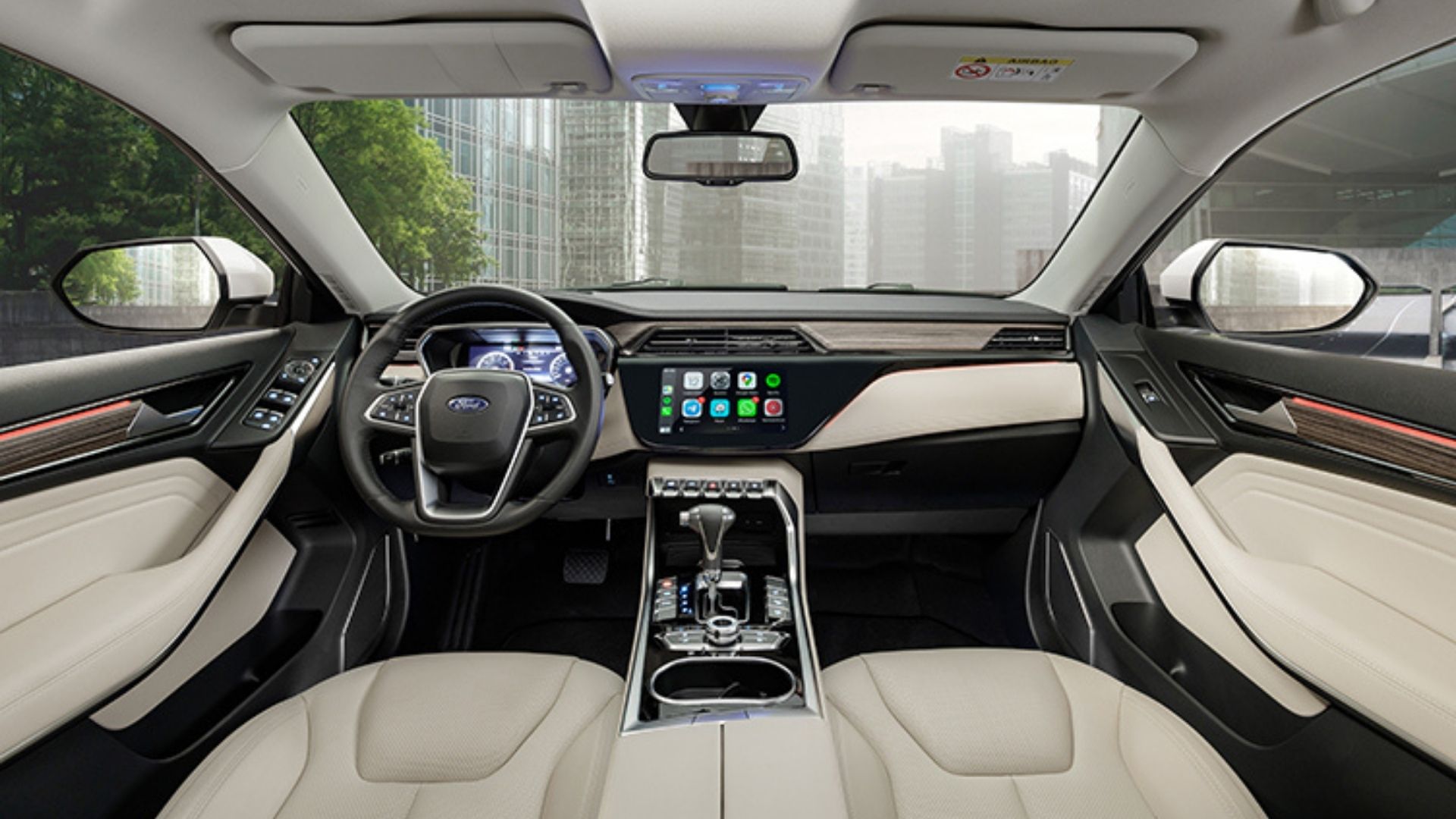
Around R$ 24,000: 4 used Ford SUVs with up to 253 hp, V6 engine, all-wheel drive, 7 airbags, panoramic sunroof, and a complete package that surprises with its price and performance in Brazil.
-
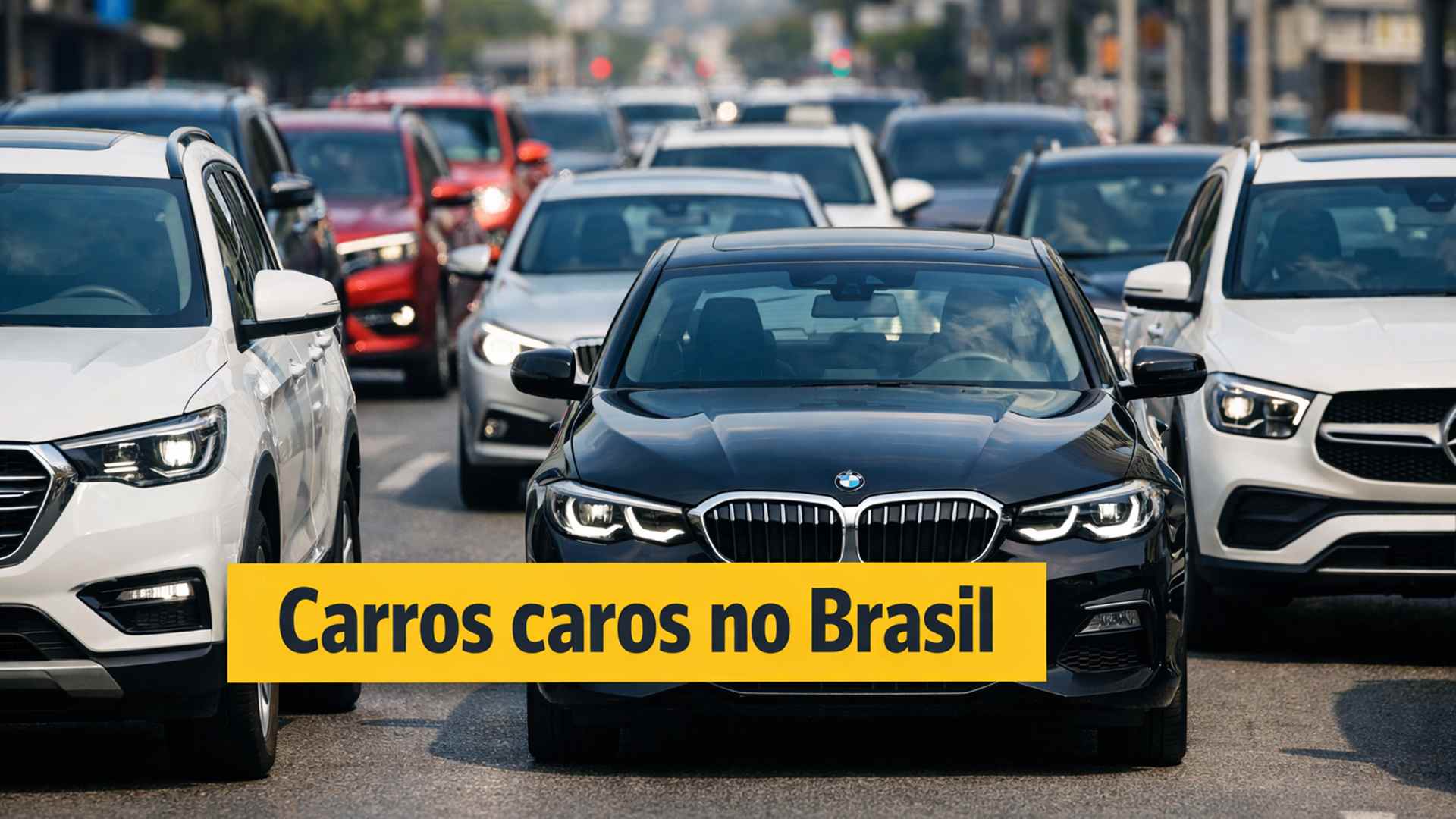
A brand new car starts at around R$ 75,000 in Brazil, but what stands out the most is seeing streets filled with SUVs and expensive sedans in a country where millions remain in debt.
-
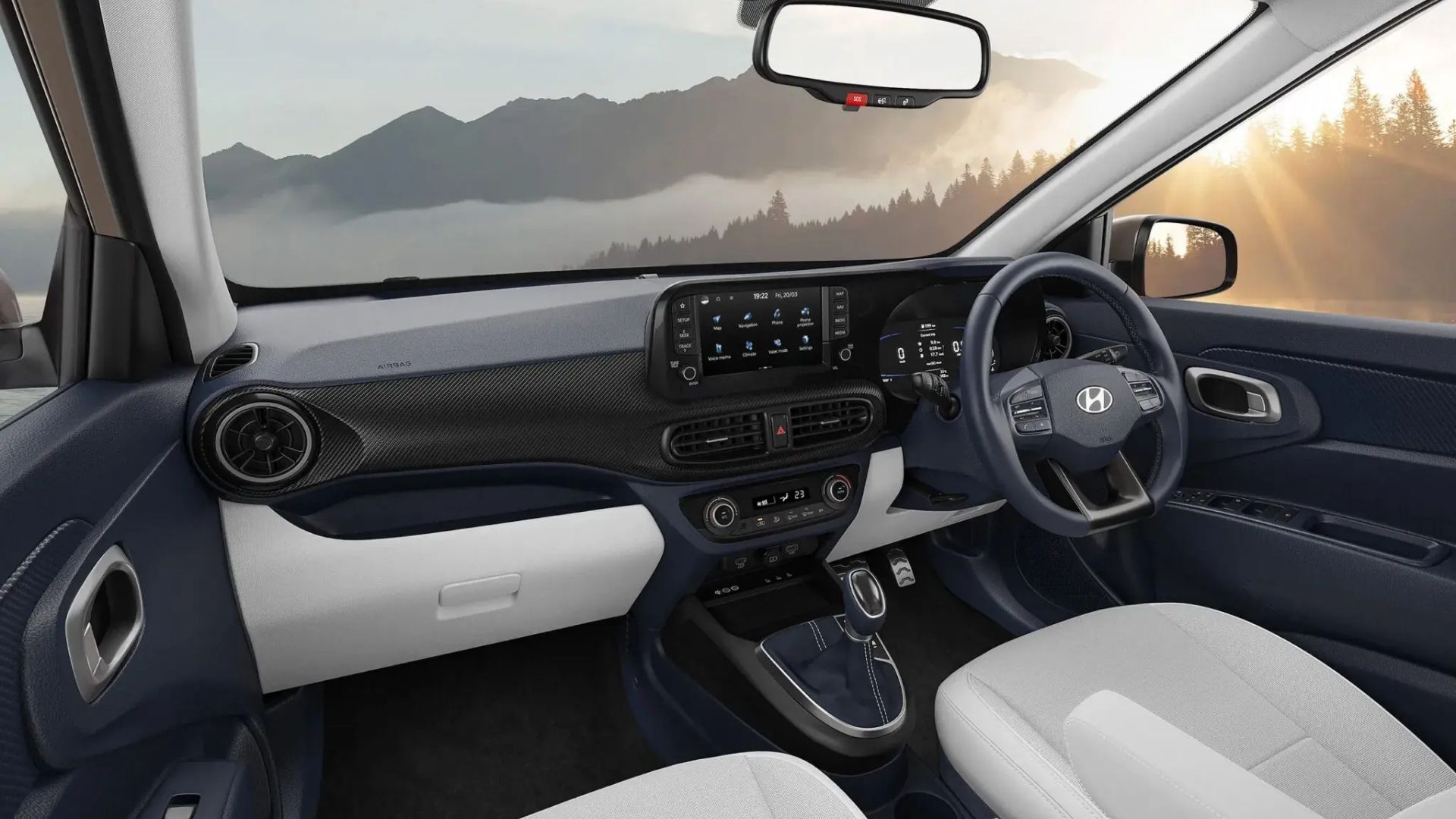
For R$ 32,000, a brand new Hyundai car is a rival to the Kwid with a 1.2 engine producing 82 hp, 6 airbags as standard, multimedia with wireless Android Auto, up to 391 liters in the trunk, and a refreshed look for 2026 in India.
-
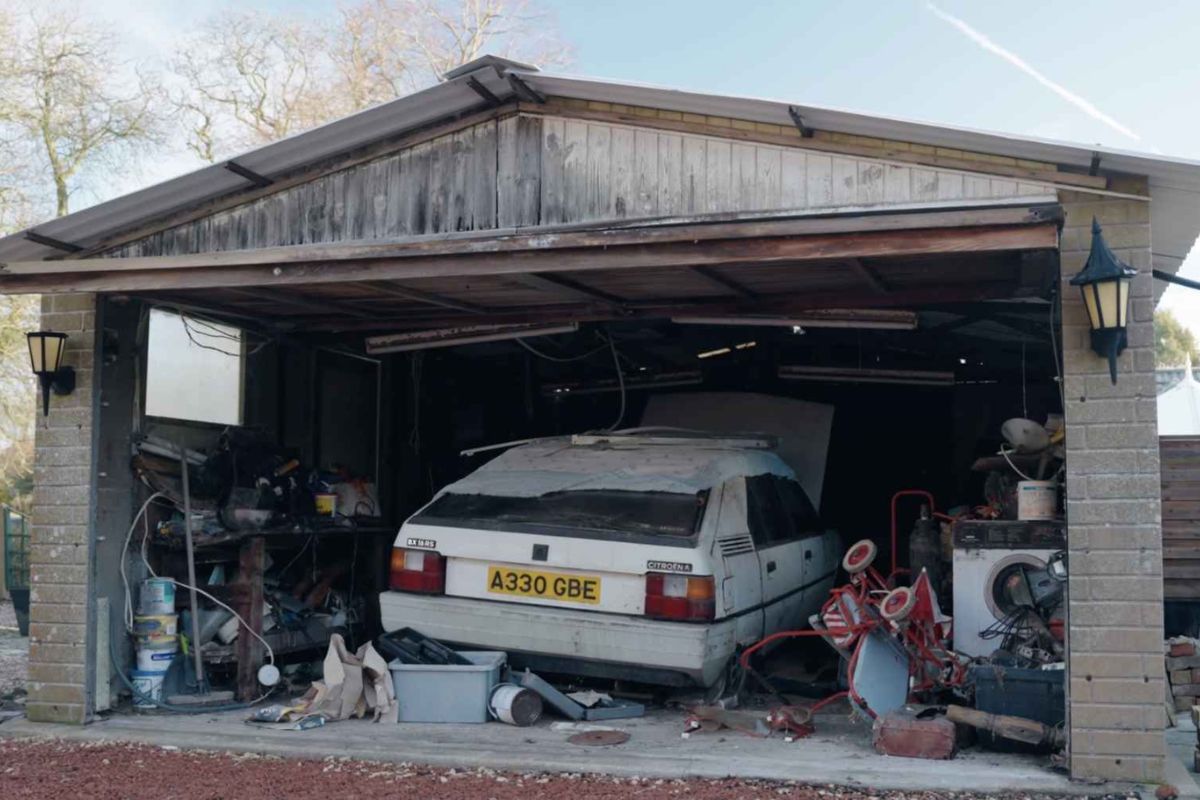
He bought a new car in 1983, locked it in the barn in 1988, and no one opened the door for 38 years until the family discovered what was stored inside and realized it looked like something out of a movie.

The Improvements Don’t Stop There: The Reduction In The Number Of Cars Has Brought Visible Benefits Such As Less Congestion, Reduced Levels Of Pollution, And Cleaner Air. This Directly Impacts Public Health, As Residents Now Breathe Less Polluted Air And Are Less Exposed To Respiratory And Cardiovascular Risks Caused By Vehicle Pollution.
Reflections For The Future: How Brazil Can Learn From Barcelona
While Barcelona Reaps The Benefits Of A Cleaner And More Sustainable City, Other Cities Around The World Are Keeping An Eye On Its Innovative Actions. In Brazil, Locations Like Recife And Fortaleza Are Beginning To Evaluate Similar Policies. Inspired By Barcelona’s Free Transport, These Cities Are Studying To Adopt Urban Planning That Prioritizes Pedestrians And Public Transport, Confronting The Challenges Of Urban Mobility Head-On.
For Brazil, However, The Path Requires Considerable Effort: Improvements In Sidewalks, Increased Public Lighting, And Safety For Pedestrians Are Crucial Points To Make The Urban Environment More Inviting. City Halls Will Need To Invest In Quality Infrastructure And Provide A Viable And Attractive Alternative To The Use Of Cars.
New Era Of Mobility
The Free Transport Program In Barcelona Not Only Reduces The Number Of Cars In The City; It Points To A New Era Of Sustainable Mobility. As The Air Improvements And Congestion Decreases, The City Consolidates A Green Mentality That Prioritizes Collective Well-Being And Encourages Residents To Think Twice Before Getting Into Their Cars.






Seja o primeiro a reagir!