





 Portuguese
  English
  Spanish
  4 min of reading
  0 comments


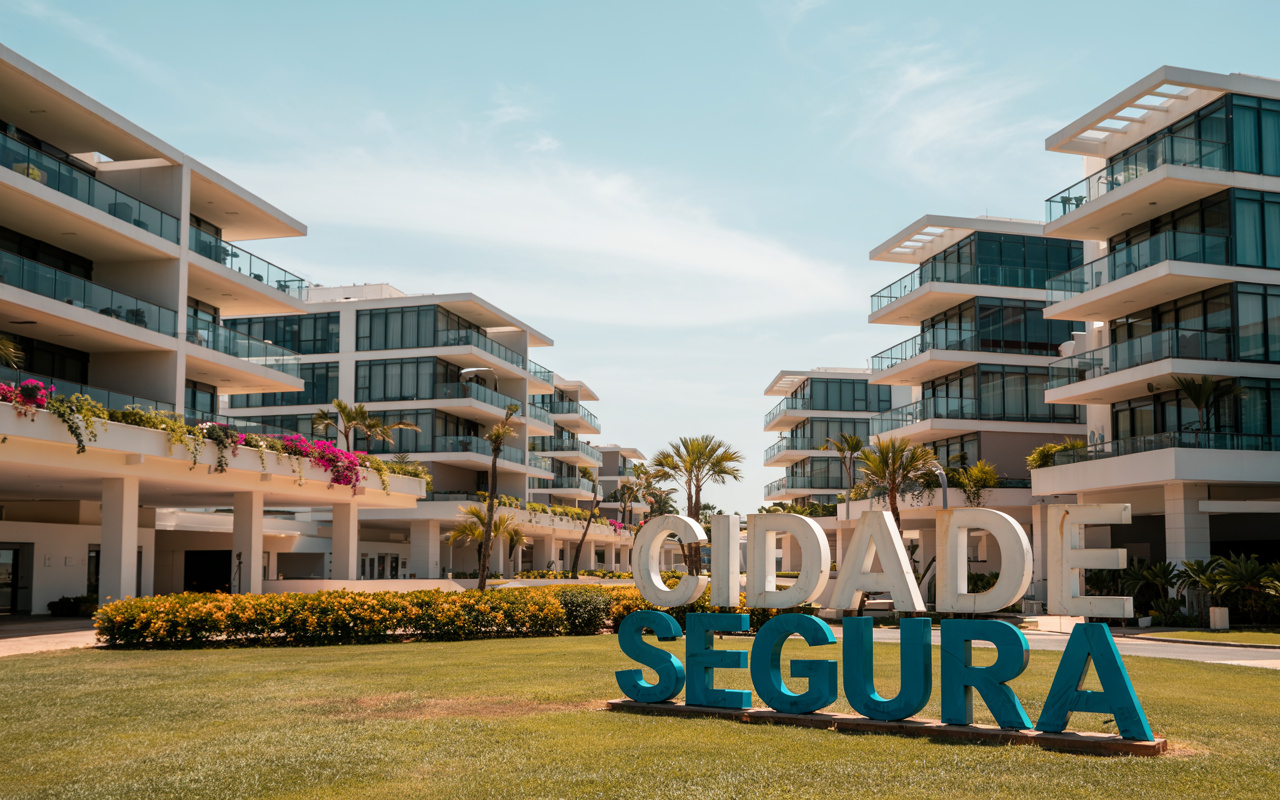
Brazilians Migrate en Mass to Planned Cities Like Alphaville and Águas Claras, with Luxury Condominiums, Bilingual Schools, and European Standard Safety Indices.
Brazil is experiencing an unprecedented population movement: the urban elite is leaving overcrowded and violent capitals and migrating en masse to planned and high-standard cities that offer modern infrastructure, quality of life, and safety comparable to that of European nations.
These cities — like Alphaville (Barueri and Santana de Parnaíba, SP), Águas Claras (DF), and the new planned condominiums around Goiânia and Curitiba — are consolidating as urban oases, with luxury condominiums, bilingual schools, and reference hospitals. By 2025, they have not only grown in population but have also become symbols of a new lifestyle for high-income families.
The Differential of Planned Cities
Unlike the chaotic growth of major capitals, these cities were born or structured with strategic urban planning. Wide streets, underground infrastructure, green areas, and smart zoning ensure mobility and environmental quality.
-
The Federal Revenue Service now automatically cross-references everything you declare with data from banks, credit cards, brokerage firms, and insurance companies, and any discrepancy between your income and your expenses triggers an alert in seconds.

-
Amid global tensions, Brazil blocks the United States’ proposal at the WTO and paves the way for a trade crisis and possible retaliations.

-
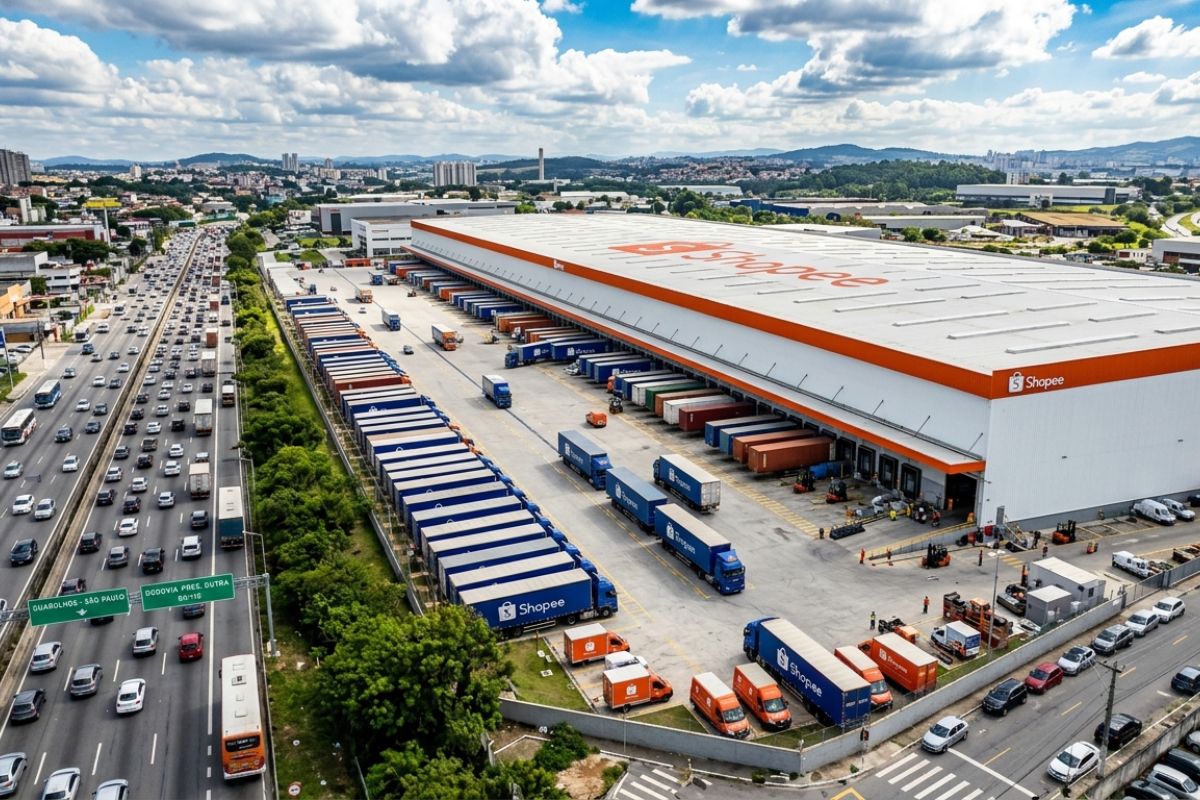
Shopee opens the largest logistics warehouse in Brazil in Guarulhos: 220,000 m² on Dutra, contract signed before construction, pays R$ 45/m² and accelerates deliveries at scale, putting pressure on Mercado Livre and Amazon.
-
After mistakenly transferring R$ 50,000 via Pix, a man will receive the amount back along with R$ 10,000 for moral damages from the recipient.


In Alphaville, for example, the network of high-end gated communities integrates with modern shopping centers, renowned universities, and tree-lined parks. In Águas Claras (DF), the presence of planned buildings, bike lanes, and subway transport has made the city a national reference in high-standard urbanism.
The result is visible: safe, clean neighborhoods with a quality of life that surpasses indices of international capitals.
European Standard Safety
One of the major attractions of these cities is safety. With visible policing, electronic monitoring, and access barriers in condominiums, crime rates in areas like Alphaville and Águas Claras are among the lowest in Brazil — in some cases comparable to those of medium-sized cities in Europe.
While capitals record homicide rates above 20 per 100,000 inhabitants, in planned regions this number can be up to four times lower, according to data from state security departments.
This difference is crucial for families seeking tranquility, especially for raising children in more protected environments.
Bilingual Schools and High-Standard Infrastructure
The presence of bilingual and international schools is also a draw for middle and upper-middle-class families. In Alphaville, for example, there are campuses of schools like Mackenzie, Morumbi, and international schools that offer instruction in English, French, and German.
The same is true in Águas Claras, which concentrates top educational institutions, in addition to nearby universities. This structure ensures a differentiated education for young people, many of whom are already integrated into exchange programs and global careers.
Besides education, health is another differential: private hospitals, specialized clinics, and high-complexity urgent care reinforce the idea that these cities offer complete quality of life without the need for travel to capitals.
The Real Estate Boom of Luxury Condominiums
The rapid growth in demand has transformed the real estate market of these cities into one of the hottest in the country. High-end horizontal condominiums, with lots ranging from 500 to 2,000 m², have registered appreciation exceeding 40% in just two years.
Developments with golf courses, artificial lakes, complete leisure areas, and even helipads are multiplying. In Barueri and Santana de Parnaíba, where Alphaville is located, there is already talk of scarcity of available lots, such is the rush for this lifestyle model.
Appreciation is not limited to São Paulo: metropolitan regions of Curitiba, Goiânia, and even Fortaleza are creating their own “Alphavilles”, consolidating a national standard of planned luxury urbanism.
The Impact of the Pandemic and Home Office
This movement gained momentum with the Covid-19 pandemic, when many families realized they could work from home without being physically present in the capitals. By 2025, this trend solidified: large companies maintain smaller offices in urban centers but allow executives to live in planned cities, close to logistics and highway hubs.
The result was the explosion of high-end corporate nomads, who seek quality of life, safety, and access to cutting-edge technological infrastructure. In Alphaville, for example, high-speed internet and exclusive coworking spaces have become routine.
Criticisms and Challenges
Despite the benefits, specialists point out that the rapid growth of these hubs may reinforce social segregation. While planned cities concentrate wealth, security, and first-rate infrastructure, neighboring municipalities still struggle with basic sanitation and violence issues.
There are also mobility challenges: although planned, these cities still rely on individual transport. Traffic on the highways linking Alphaville to São Paulo is a daily bottleneck, and something similar occurs in Águas Claras, in the Federal District.
The Future of Brazilian Cities?
The success of planned cities such as Alphaville and Águas Claras shows that there is real demand for organized urbanism, safety, and quality of life. The mass flow of Brazilians to these locations in 2025 proves that the model increasingly attracts families and businesses.
If Brazil can expand this concept to other regions, with public policies that combine planning, social inclusion, and sustainability, the country may experience a true urban revolution. Otherwise, it risks seeing islands of prosperity surrounded by inequality and exclusion.
In any case, the movement is already clear: the future of living in Brazil increasingly involves planned, safe cities connected to the world.









-

Uma pessoa reagiu a isso.