





 Portuguese
  English
  Spanish
 4 min of reading
  1 comment


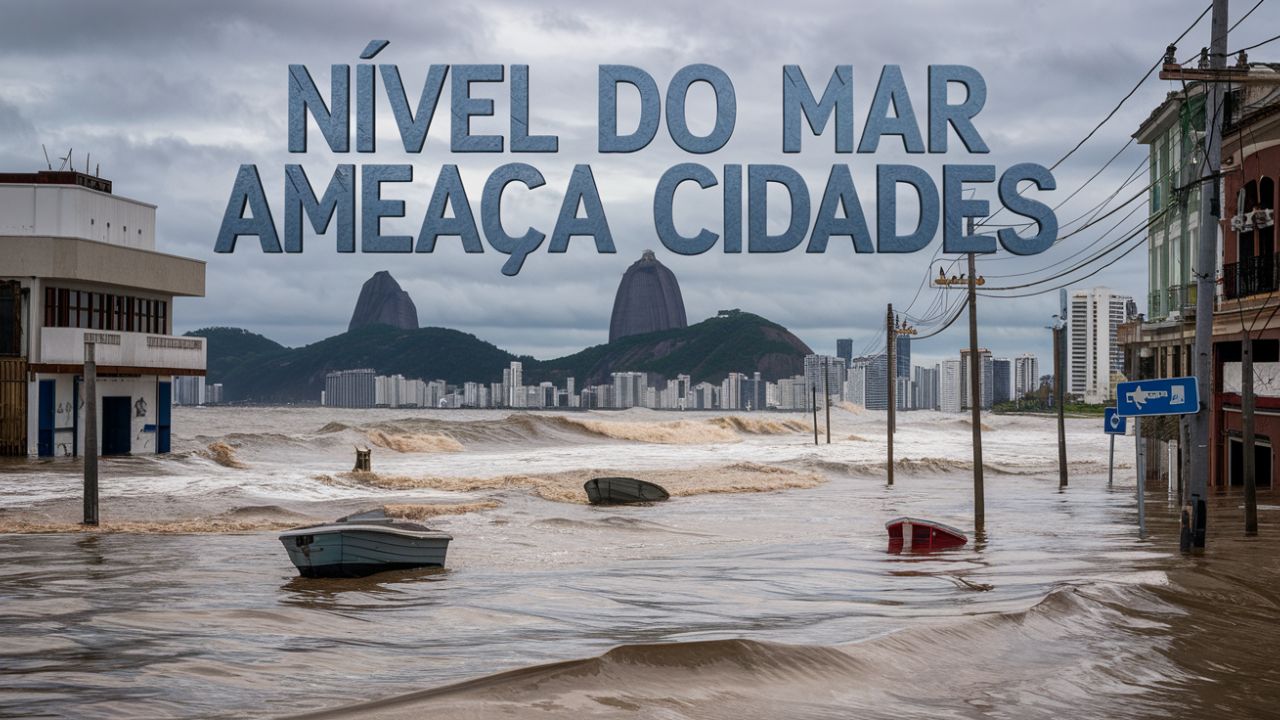


Scientists Warn: Brazilian Cities May Disappear from the Map with Rising Sea Levels!
The advance of the ocean directly threatens seven Brazilian cities, according to a study by the organization Climate Central. Fortaleza, Salvador, Recife, Rio de Janeiro, São Luís, Santos, and Porto Alegre are on the front lines of the climate crisis, potentially being partially or completely submerged by the end of the century. Sea level has already risen 9 cm in the last 30 years, and projections indicate it could increase by up to 80 cm. The global impact will be devastating, with 39 countries facing the same risk and up to 800 million people affected. What is being done to prevent this imminent catastrophe?
The Advance of the Sea and the Risk for Brazil
The rise in sea level is one of the most alarming consequences of climate change. For some Brazilian cities, this is not a distant future problem, but an increasingly close reality. According to a study by the organization Climate Central, seven cities in Brazil are at imminent risk of flooding: Fortaleza, Salvador, Recife, Rio de Janeiro, São Luís, Santos, and Porto Alegre.
The survey indicates that, globally, 39 countries have cities under threat, with a potential impact on 800 million people. In Brazil, data shows that the sea level has already risen 9 centimeters in the last 30 years and could increase by up to 80 centimeters by the end of the century. But which cities are the most vulnerable, and how are they preparing for this reality?
-
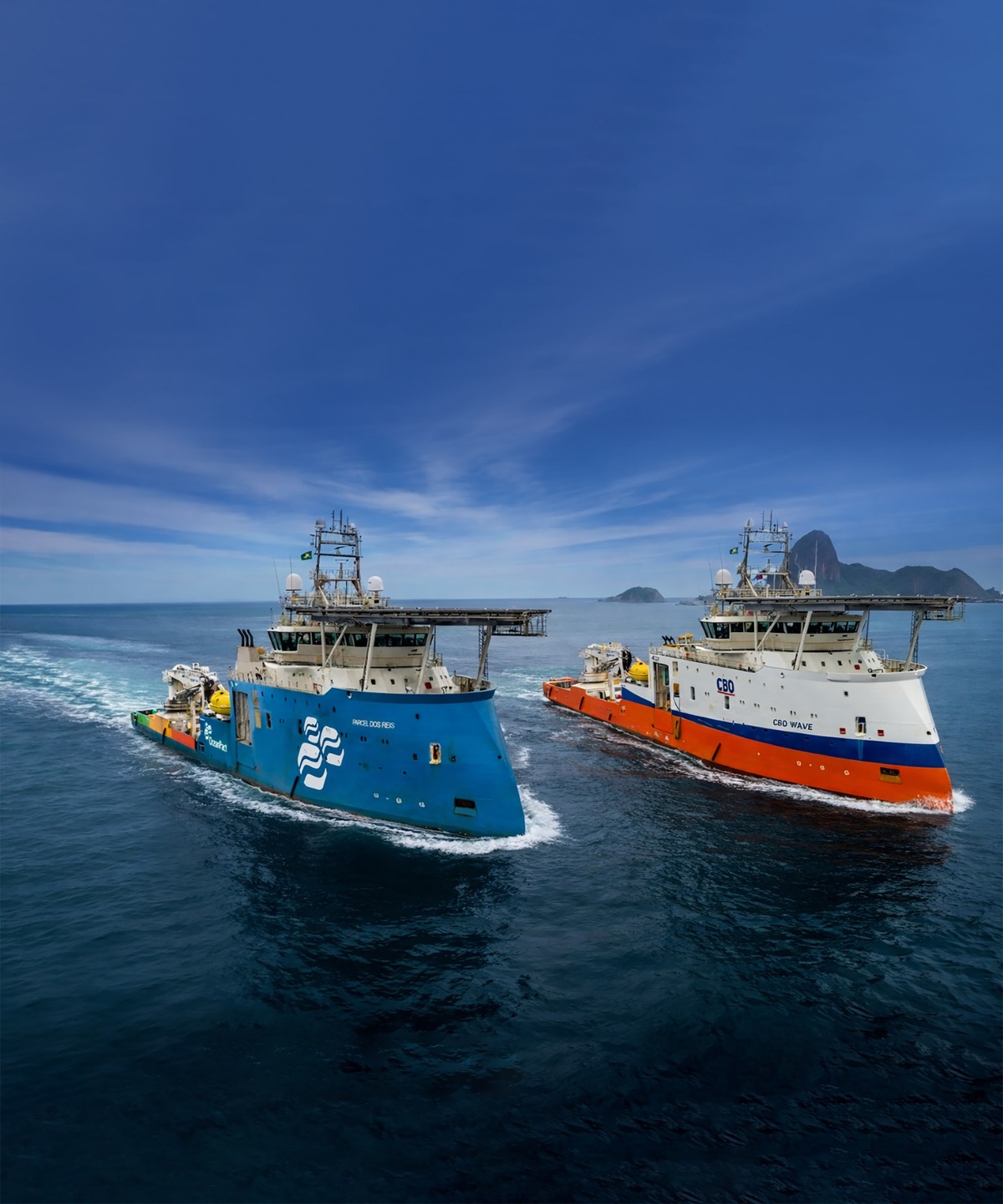
OceanPact Announces Acquisition of CBO and Creates One of Brazil’s Largest Maritime Support Structures with 73 Vessels, Annual Revenue Above R$ 4 Billion and R$ 14 Billion Backlog
-
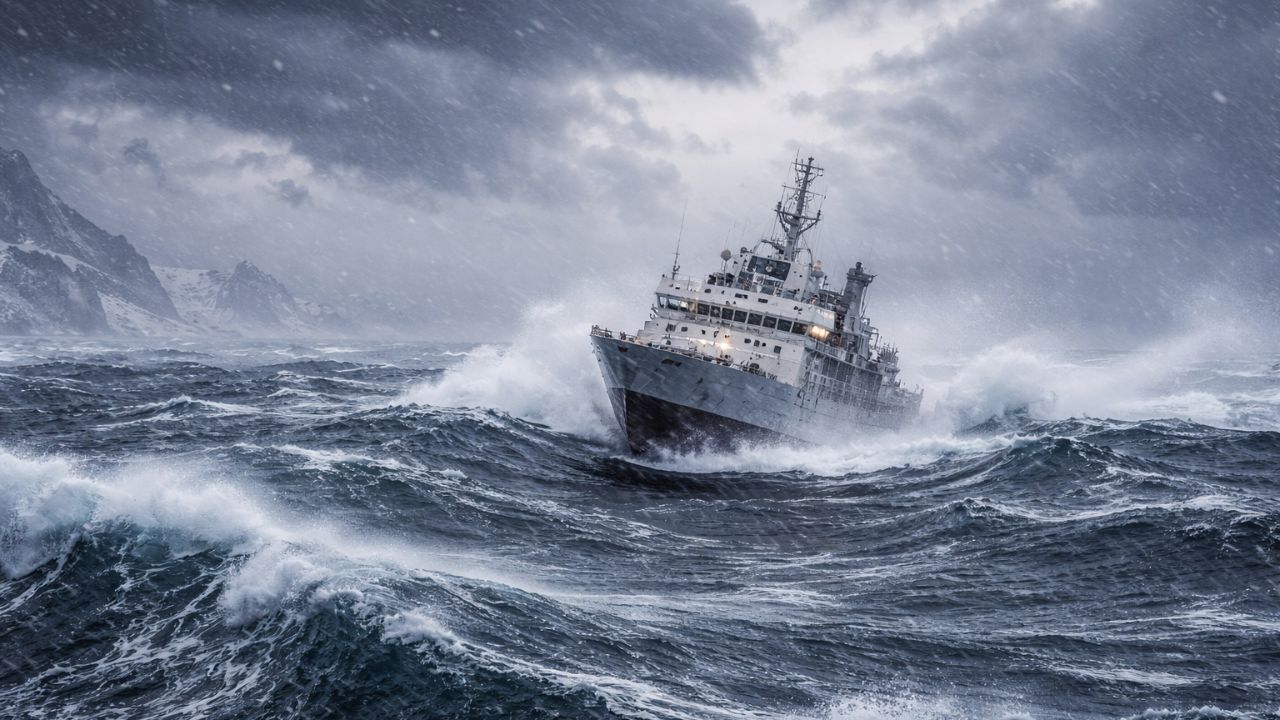
With Extreme Winds, Giant Waves, and Unrestricted Currents, Drake Passage Is Considered the Most Violent Stretch of the Oceans
-
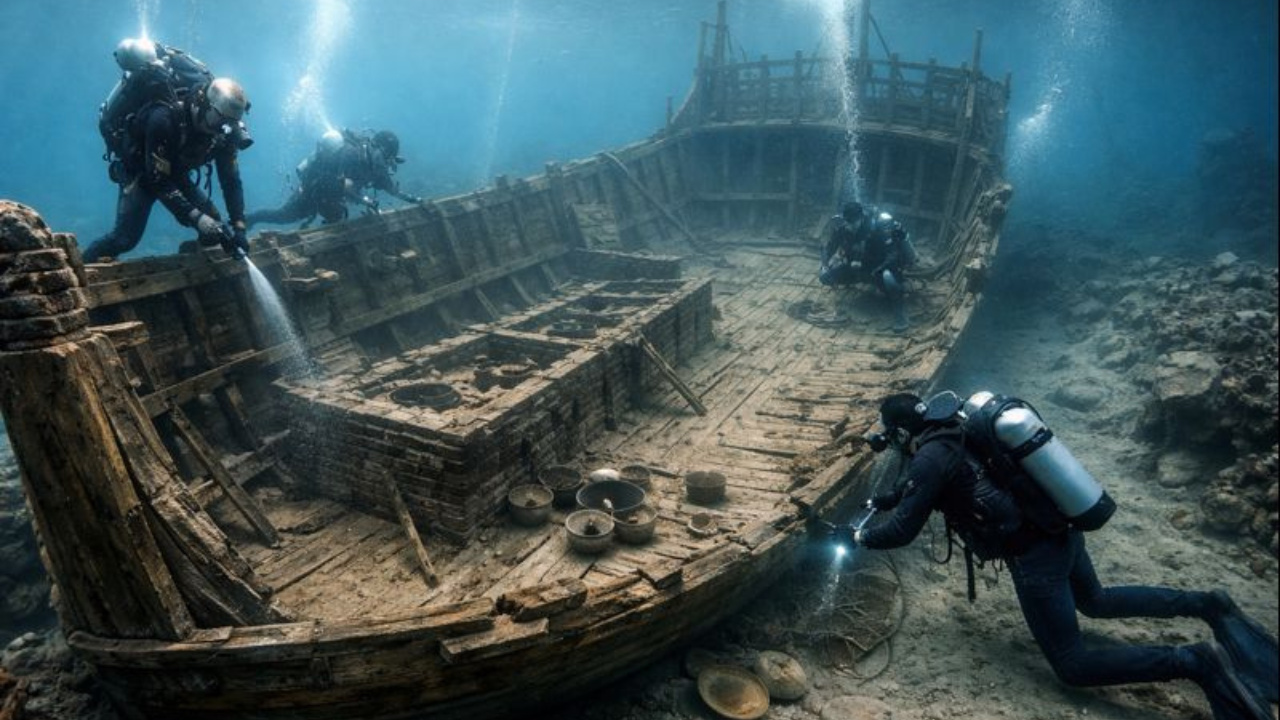
15th Century Merchant Ship Surprises Archaeologists
-
Odfjell Inaugurates First Operational Green Corridor Between Brazil and Europe Using Sustainable B24 on Maritime Routes and Reinforces Decarbonization Strategy

Which Brazilian Cities Are the Most Vulnerable?

The coastal cities of Brazil face enormous challenges to contain the advance of the sea. Some have already begun implementing adaptation measures, while others are still seeking viable solutions. Here are the most threatened:
Fortaleza: An Underground Lake Against Flooding
The capital of Ceará is already feeling the effects of rising sea levels. To minimize the impacts, an underground lake is being planned to contain the advance of the waters. This measure aims to reduce coastal erosion and protect at-risk areas.
Salvador: Protecting Coastal Infrastructure
The historic city of Bahia is also under threat. Salvador has been studying various alternatives to protect its coastal infrastructure and minimize damage to residents in at-risk areas. Protective barriers and more resilient urban planning are among the solutions being discussed.
Recife: Vacating At-Risk Areas
Recife is already suffering from floods and increasing coastal erosion. To avoid tragedies, the city has initiated a process of vacating vulnerable areas, relocating the population to safer locations.
Rio de Janeiro: Partnership with NASA for Monitoring
Rio de Janeiro, famous for its beaches and lush landscapes, is also on the path of rising sea levels. To monitor the situation, the city has partnered with NASA to obtain more accurate data and develop effective adaptation strategies.
Other Cities at Risk
São Luís, Santos, and Porto Alegre are also among the cities that may be severely impacted by rising sea levels. Adaptation measures are being debated, but the urgency for effective solutions is growing.
How Rising Sea Levels Affect Brazil?
According to Isto E, not all regions of Brazil suffer equally from rising sea levels. Studies from the University of São Paulo (USP) show that, in the state of São Paulo, the sea level has risen 20 centimeters in the last 73 years. Depending on greenhouse gas emissions, this rise could reach 36 centimeters by 2050. This scenario puts beaches, infrastructure, and coastal communities at risk.
Adaptation Measures Underway
To face this challenge, various Brazilian cities are adopting solutions to contain the damage:
Fortaleza: Planning for an underground lake to contain the advance of the waters.
Rio de Janeiro: Partnership with NASA for sea level monitoring.
Recife: Vacating at-risk areas.
Construction of dikes and protective barriers to prevent flooding.
Urban planning policies that consider the impacts of climate change.
The Future of Brazilian Coastal Cities
The question remains: what does the future hold for these cities? The answer directly depends on the actions taken now. Without effective measures, the scenario is alarming: disappearing beaches, entire neighborhoods submerged, and mass displacement of populations.
On the other hand, with investments in resilient infrastructure, adaptation policies, and public awareness, it is possible to mitigate impacts and ensure a safer future for Brazilian coastal cities. Collaboration between governments, international organizations, and civil society will be essential to protect millions of people and keep the Brazilian coastline alive.




A cerca de 30 anos vejo falar nisso,começou com 30 metros depois viram o exagero e baixaram para 3 metros e até agora nada,os ambientalistas falando que os polos já perderam 70% das geleiras e o mar está no mesmo lugar!