





 Portuguese
  English
  Spanish
  5 min of reading
  0 comments


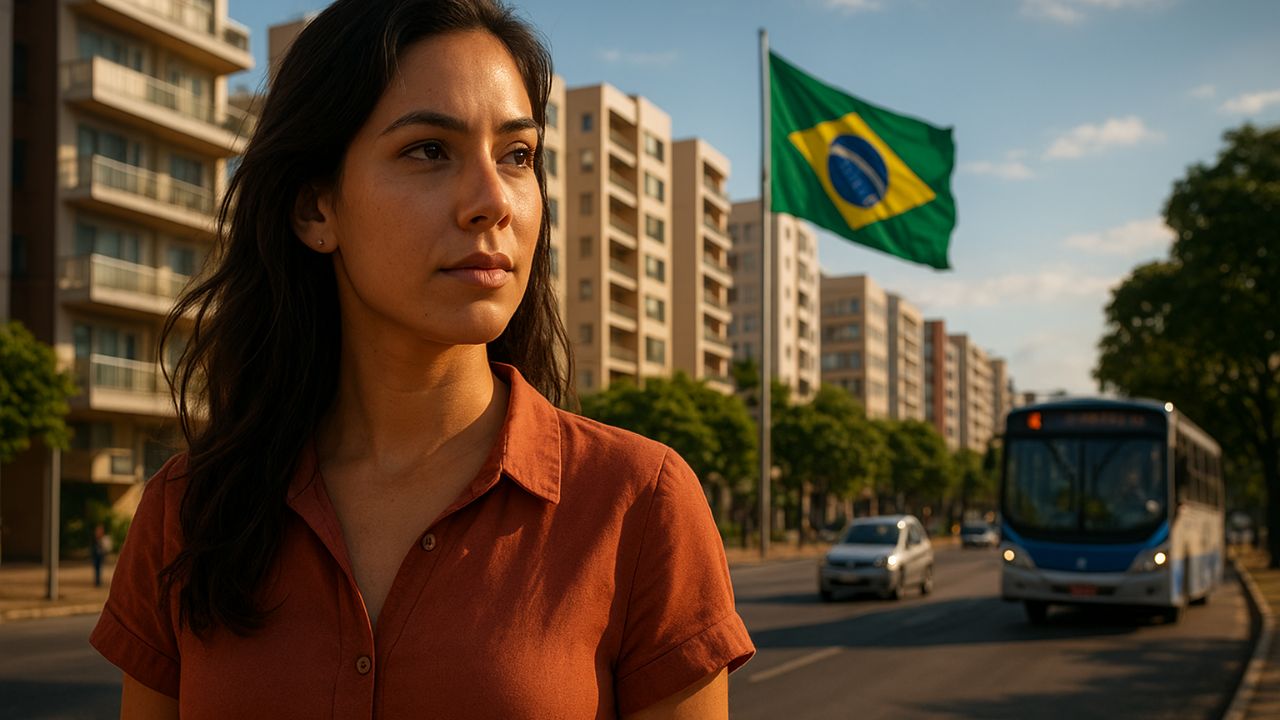
Understand How The Search For Convenience And Quality Of Life Drives Real Estate Appreciation In Neighborhoods That Offer Everything Within A Short Walk, And The Economic Challenges Of This Transformation.
The concept of the “15-Minute City,” which proposes access to all essential needs within a short walk or bike ride, is consolidating itself as one of the main vectors of urban and economic transformation in Brazil. More than just a trend in urban planning, this vision is redefining what a “good location” means, directly impacting real estate appreciation and creating a new paradigm for the market. The promise of having work, leisure, health, and commerce at your fingertips has ceased to be a luxury and has become a tangible financial asset, sought after by buyers and exploited by developers.
This change, accelerated by the pandemic, reveals a market in full reconfiguration, where the time saved in commuting converts into property value. However, the implementation of this model in metropolises marked by inequality raises critical challenges, such as the risk of gentrification and social exclusion. The central question is whether the “15-minute life” will be an inclusive public policy or a luxury product restricted to a few, a debate that will define the future of Brazilian cities.
What Is The 15-Minute City?
Conceived by Franco-Colombian scientist Carlos Moreno, the 15-Minute City model proposes that residents can access six essential social functions—living, working, shopping, caring for oneself, learning, and resting—within a 15-minute walk or bike ride. This is a direct response to modernist urbanism, which promoted the separation of urban functions and generated metropolises dependent on long and stressful car commutes. The proposal advocates for a polycentric city made up of self-sufficient and vibrant neighborhoods.
-
End of the 6×1 schedule: how the reduction of hours can affect service companies, industry, and agribusiness.

-
Brazil Ignores Trump’s threats to BRICS, Buys 42 tons of gold and reduces the Dollar’s share by 6.45% in international reserves.

-
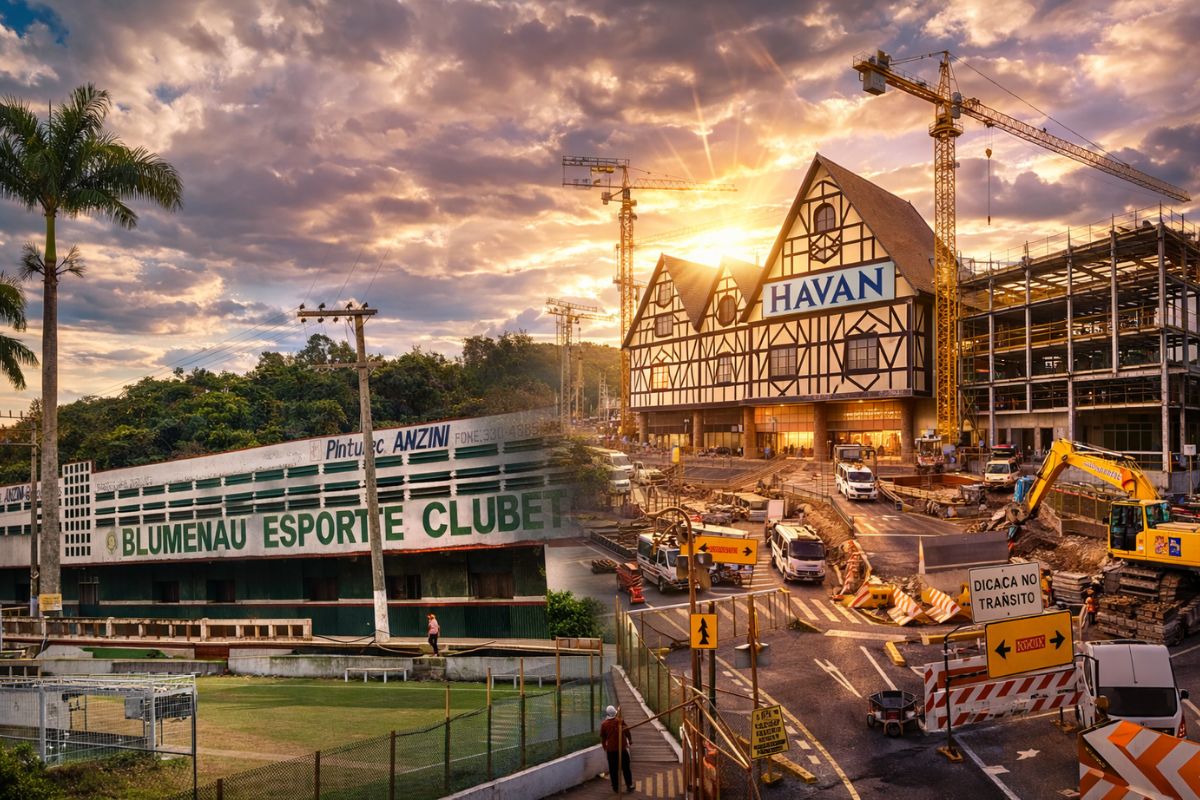
Havan buys historic football land in Blumenau for a million-dollar amount protected by a confidentiality clause and is already planning to change even the layout of streets to build a megastore in half-timbered style costing 80 million reais.
-
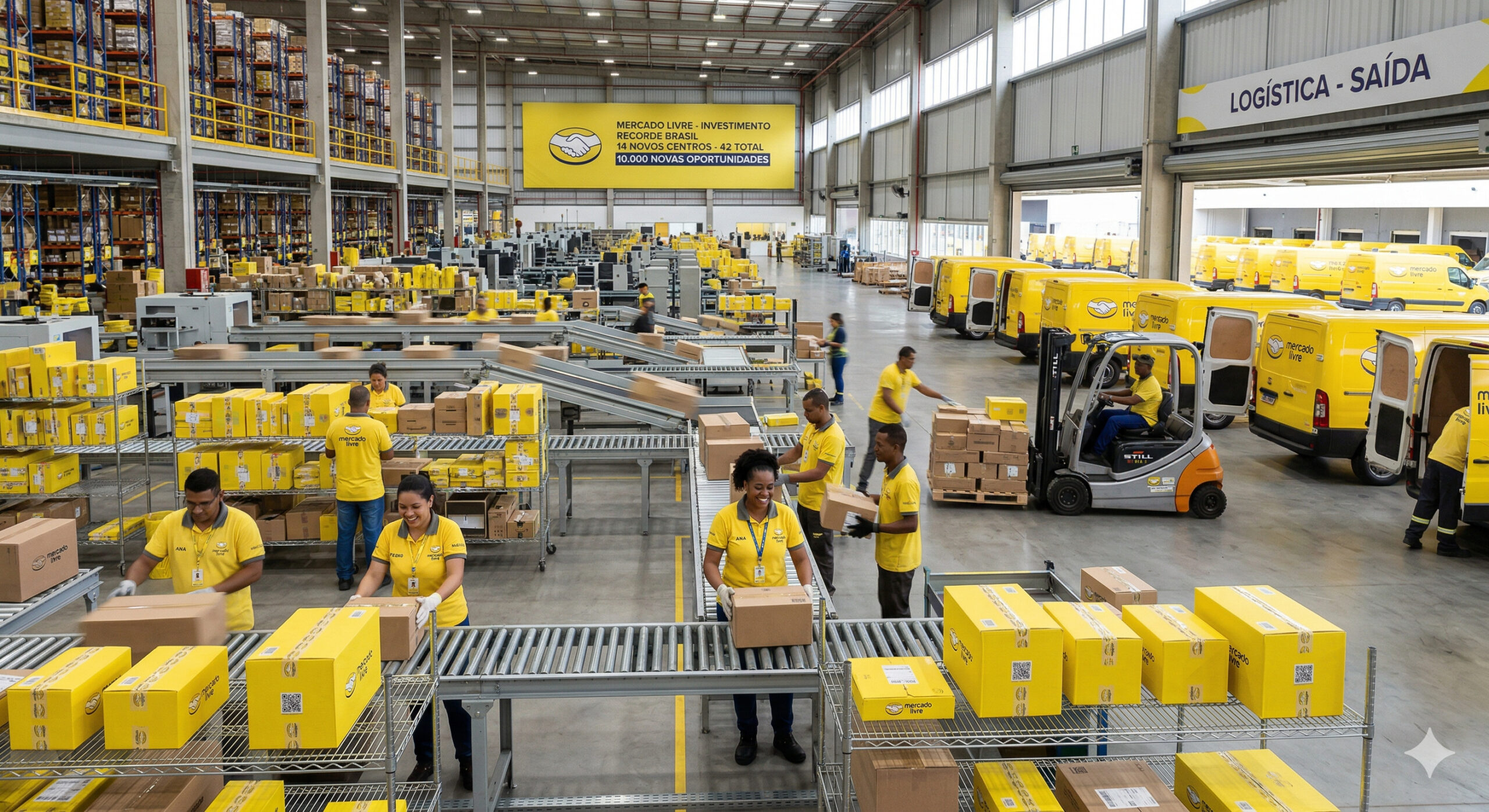
Mercado Livre “opens the vault” and announces a record investment of R$ 57 billion in Brazil in 2026, a value 50% higher than the previous year, with an expansion plan that includes 14 new logistics centers, totaling 42 units in the country and hiring an additional 10,000 employees.

The focus shifts from mobility (the speed at which one crosses the city) to accessibility (the number of available services in the surrounding area). To achieve this, concepts like “walkability” and “complete streets,” designed for all users, are fundamental. The goal is hyper-proximity, returning lost time in traffic to citizens and encouraging a more communal and healthy lifestyle. Although the idea has gained global fame recently, especially with its adoption in Paris, it revives old principles of urban planning, such as “neighborhood units” and Jane Jacobs’s critiques of single-use zoning.
The Economic Impact: Real Estate Appreciation In Practice
The growing demand for quality of life comes at a price, and the market has already begun to quantify it. The convenience of having complete infrastructure nearby has become one of the main drivers of real estate appreciation in Brazil. The ability to manage daily life without relying on a car is a “value premium” that buyers are willing to pay for, and the numbers confirm this trend emphatically.
According to data from ABECIP, analyzed by Revista Kaza 360°, properties located in planned neighborhoods, which already feature this integrated service infrastructure, can register a valuation of up to 30% over a five-year period. In São Paulo, the average price per square meter in areas with high service density has consistently risen above inflation, demonstrating that proximity is a real economic asset. This dynamic is redefining the concept of luxury, which today is less associated with isolation and more with optimizing routine and easy access to services.
Who Is Leading The Trend In Brazil?
Alert to this change in behavior, construction companies and developers across the country have adapted their products and narratives. Planned neighborhoods and mixed-use developments are marketed as “mini-cities” or “ecosystems” that promise to integrate housing, work, and leisure. This trend is strong in the interior of São Paulo, in cities like Campinas, where projects are designed with wide sidewalks and ground-floor commerce (active facades) to reduce reliance on cars and attract residents from the capital in search of quality of life.
One of the most notable examples is the Cidade Pedra Branca neighborhood in Greater Florianópolis. Conceived from the outset based on New Urbanism principles, the project has become a national reference. With a university campus, schools, offices, and an “open-air shopping center,” the neighborhood allows thousands of people to live, work, and study in the same location, performing most of their activities on foot. The success of Pedra Branca shows that it is feasible to create, in Brazil, open and integrated planned neighborhoods that serve as an alternative to gated and isolated communities.
Challenges And Controversies: Gentrification And Exclusion
Despite the benefits, the implementation of the 15-minute model raises an important alert: the risk of gentrification. When a neighborhood receives investments and becomes more desirable, the cost of living rises, potentially expelling original lower-income residents. This “improvement paradox” is visible in neighborhoods of São Paulo like Pinheiros and Vila Madalena, where intense real estate appreciation has accompanied a shift in the socioeconomic profile of the population and local commerce.
A pointed critique, highlighted in an interview with Carlos Moreno on the Metro Quadrado portal, points out that in Latin America, the concept has often been appropriated by the market to sell luxury condominiums. Instead of being an inclusive public policy, the “15-minute life” becomes an exclusive product, creating “islands of privilege” and deepening urban segregation. Without strong regulation from the public power, market logic prevails, privatizing the benefits of proximity and socializing the costs of exclusion.
Is São Paulo A 15-Minute City? The Case Study Of The Metropolis
São Paulo exemplifies the complexity of applying the concept in Brazil. According to a detailed data study from the Caos Planejado portal, the city is marked by profound inequality in access to services. The analysis reveals that while the majority of the population (81%) is within a 15-minute bike ride of a Basic Health Unit (UBS), only 15% of residents have access to a park within a 15-minute walk.
These numbers show that the city of São Paulo is a patchwork, with “pockets” well served for a minority and vast areas where the “complete city” is a distant reality. Although the city’s Master Plan encourages the proximity between housing and employment, the transformation is slow and stumbles upon a culture of car dependence and strong real estate speculation. São Paulo’s challenge is to translate political intent into an urban transformation that is both broad and equitable.
A Guide For More Human Cities
The 15-Minute City offers an inspiring roadmap for the future of Brazilian metropolises, and the real estate appreciation associated with it is a clear signal that people want to live in more convenient and humane places. However, the success of this model will depend on its implementation as a comprehensive public policy capable of democratizing access to quality of life and actively combating social exclusion. The path to better cities may be just a short walk away, but it is crucial to ensure that everyone can take it.





-

Uma pessoa reagiu a isso.