Portuguese
  Spanish




Discover How Procrastination Affects Career and Health Over the Years. See What Science Says About Reducing This Habit With Age and How to Change.
Many of us carry stories of regret that start with a simple “I’ll do it later.” For a young person in their early twenties, ignoring a trip to the dentist for a decade seemed like just a time and effort saver, until the bill arrived in the form of a mountain of dental debt and permanent damage.
This behavior, procrastination, is defined by science as the voluntary delay of a planned action, even knowing that this delay will bring negative consequences. However, recent studies bring an optimistic perspective: this tendency is not a perpetual sentence.
Science May Have the Answer to End Procrastination “Putting It Off”
A long-term longitudinal study, published in January 2026 in the Journal of Personality and Social Psychology, followed over 3,000 students in Germany since 2002. The research, led by psychologist Lisa Bäulke from the University of Tübingen, revealed valuable insights about procrastination over two decades. The data show that self-sabotage levels tend to decrease as we age, but the scars left in youth can be lasting.
-
Australian Megafactory Austal Constructs 380-Foot, $74 Million High-Speed Ferry for Canary Islands Capable of Carrying 1,100 Passengers and 278 Cars at 38 Knots

-
Scientists Develop Battery Using Mineral Found in Bones and Chalk, Surviving 1,000 Charges While Retaining 75% Capacity, Paving the Way for a Lithium-Free Future

-
Super-Earth Twice the Size of Our Planet Discovered Nearby, Offering Clues About Life Beyond the Solar System
-
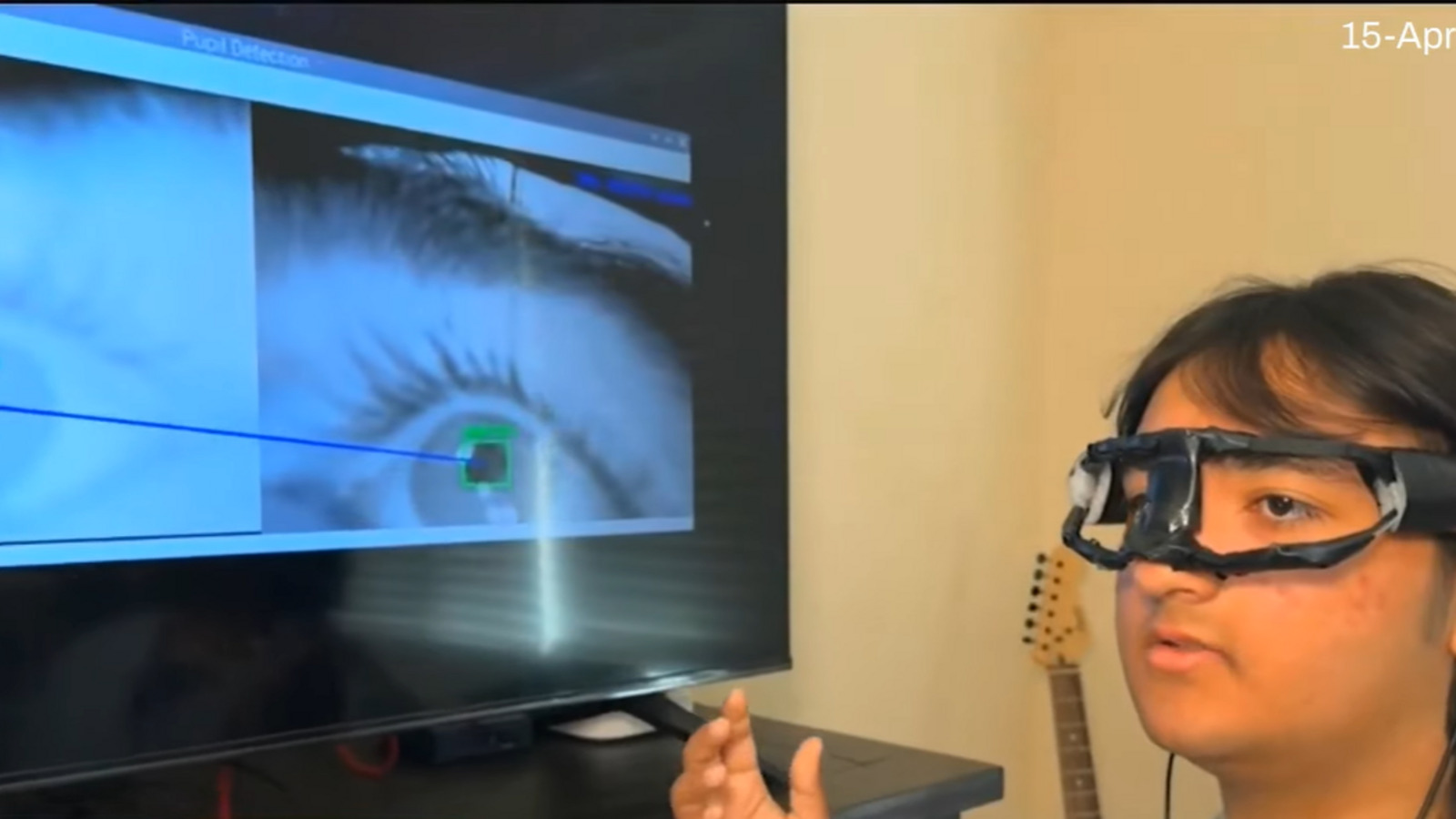
Teen Invents Promising AI Device to Detect Eye Misalignment Using 3D-Printed Visor and Small Cameras for $300





According to the study, young adults with high rates of this behavior face real obstacles in their journey:
- Career: They enter the job market later and receive fewer promotions.
- Personal Life: They are less likely to be in stable relationships or have children at the desired time.
- Well-being: They report significantly lower overall life satisfaction than their peers who act promptly.
Why Do We Improve Over Time?
The research suggests that procrastination is closely linked to personality traits such as neuroticism (tendency toward negative emotions) and conscientiousness (ability to organize and duty). With maturation, we naturally become more conscientious and less neurotic.
However, environmental factors play a crucial role. Bäulke notes that entering the professional job market acts as a “reality shock.” The real possibility of unemployment or the pressure for financial results creates motivation that the often more flexible academic environment cannot impose.
Strategies to Beat the Clock
Although it is a variable and mutable trait, eradicating this habit requires active effort. Experts like Frode Svartdal from the Arctic University of Norway point out that interventions focused on time management and distraction control are effective, but long-term maintenance depends on personal discipline. Some recommended techniques include:
- Setting Micro-Goals: Breaking larger tasks into tiny steps.
- Stimulus Control: Removing cell phone notifications during focus periods.
- Visualizing the Future: Emotionally connecting with the “future you” who will suffer the consequences of delay.
Pain—whether physical, like that of a deep cavity, or financial—often serves as the final trigger for change. In the end, science confirms that there is light at the end of the tunnel for those who struggle with procrastination, as long as you are willing to flip the switch and tackle tasks today.