





 Portuguese
  English
  Spanish
  5 min of reading
  1 comment


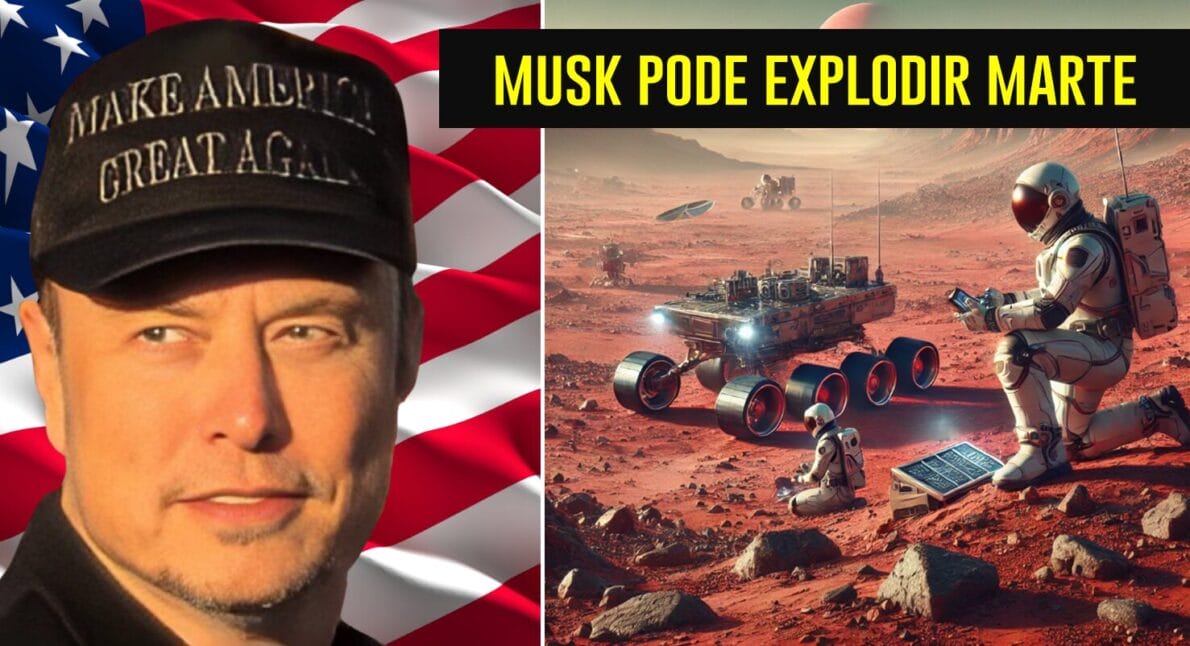

Scientists Fear That Elon Musk’s Mission to Mars Could Harm the Planet, While the CEO of SpaceX Presses Ahead with Ambitious Plans to Build a City on the Red Planet by 2054. Here Are the Experts’ Concerns!
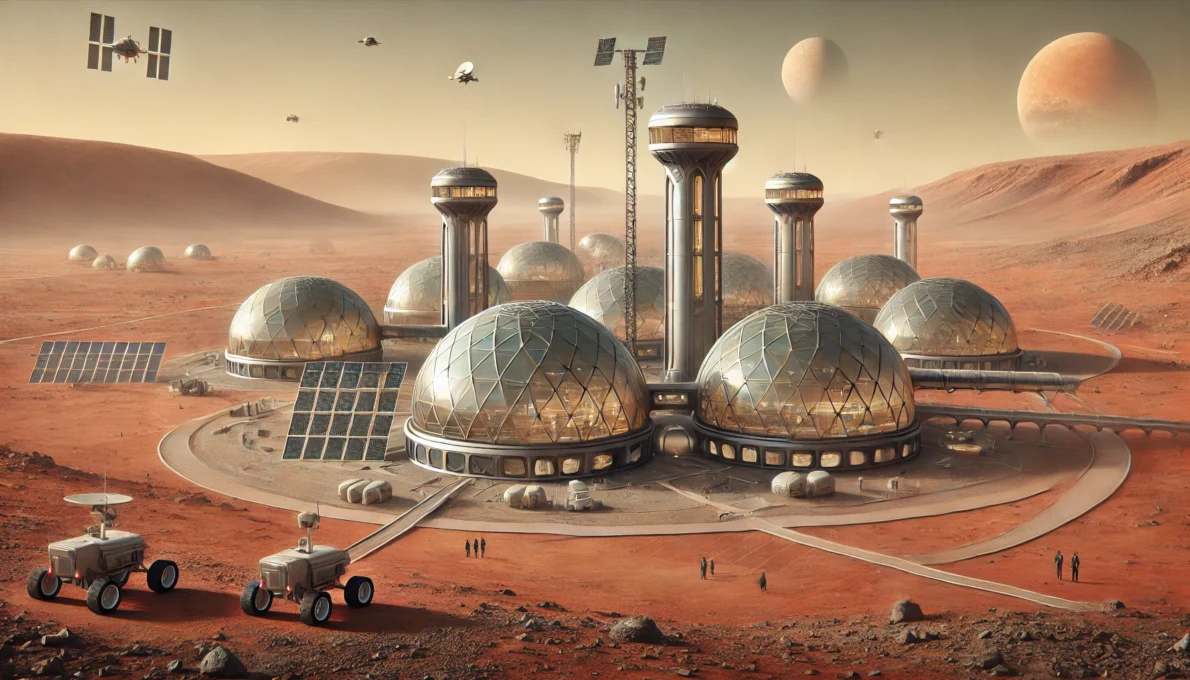
At the beginning of the month, Elon Musk, CEO of SpaceX, surprised the world by stating that a city of one million people will thrive on Mars within 30 years. According to Musk, his ambitious project aims to establish a self-sustaining colony on the red planet, a bold step that could redefine the future of space exploration.
However, renowned scientists have expressed concerns about this idea, including Professor Andrew Coates, a physicist and Mars expert at the University College London (UCL), who warns of the potential damage that human colonization could cause to the Martian environment.
Biological Contamination and the Threat to the Search for Extraterrestrial Life Through Elon Musk’s SpaceX
Professor Coates warns that the presence of human colonists on Mars could lead to biological contamination of the planet, which would complicate the search for signs of alien life. In his statements, he emphasizes the importance of robotic exploration as a less invasive alternative.
-
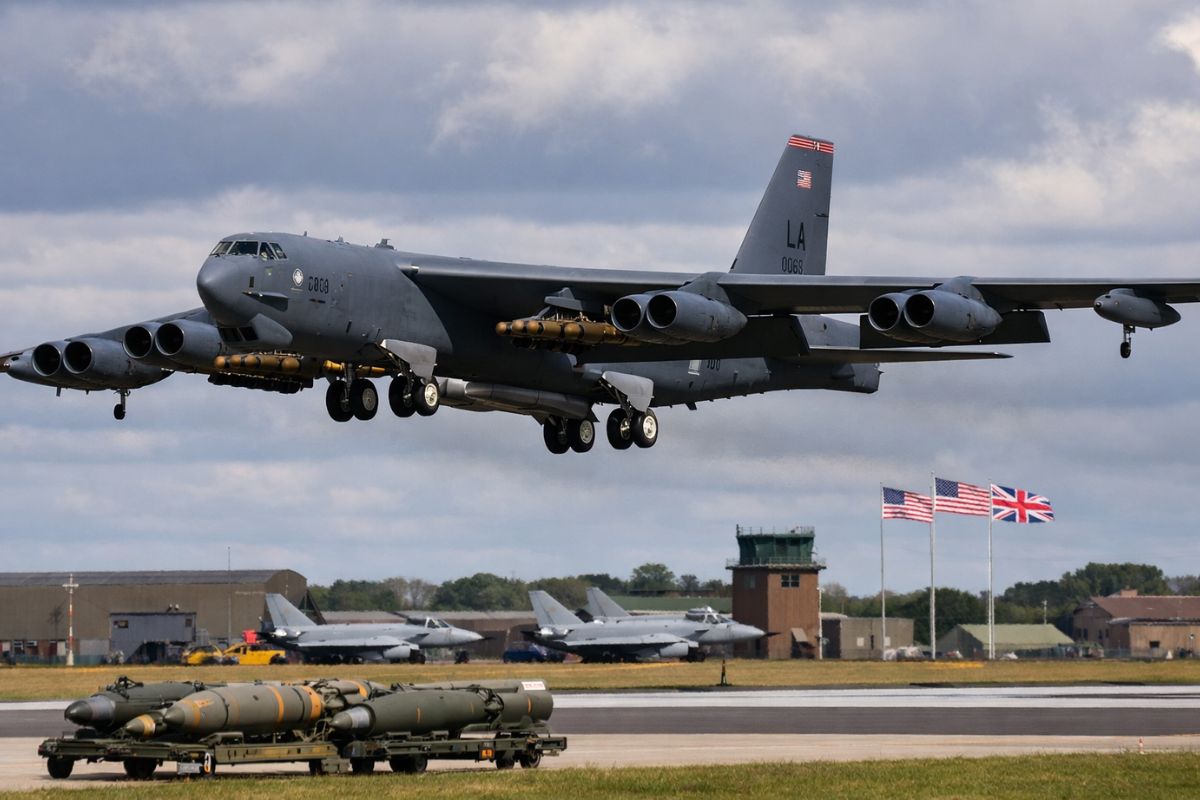
The most feared warplane of the United States is over 70 years old, carries 32 tons of explosives, flies 14,000 kilometers nonstop, and has just been sent to the United Kingdom amid escalating tensions with Iran.
-
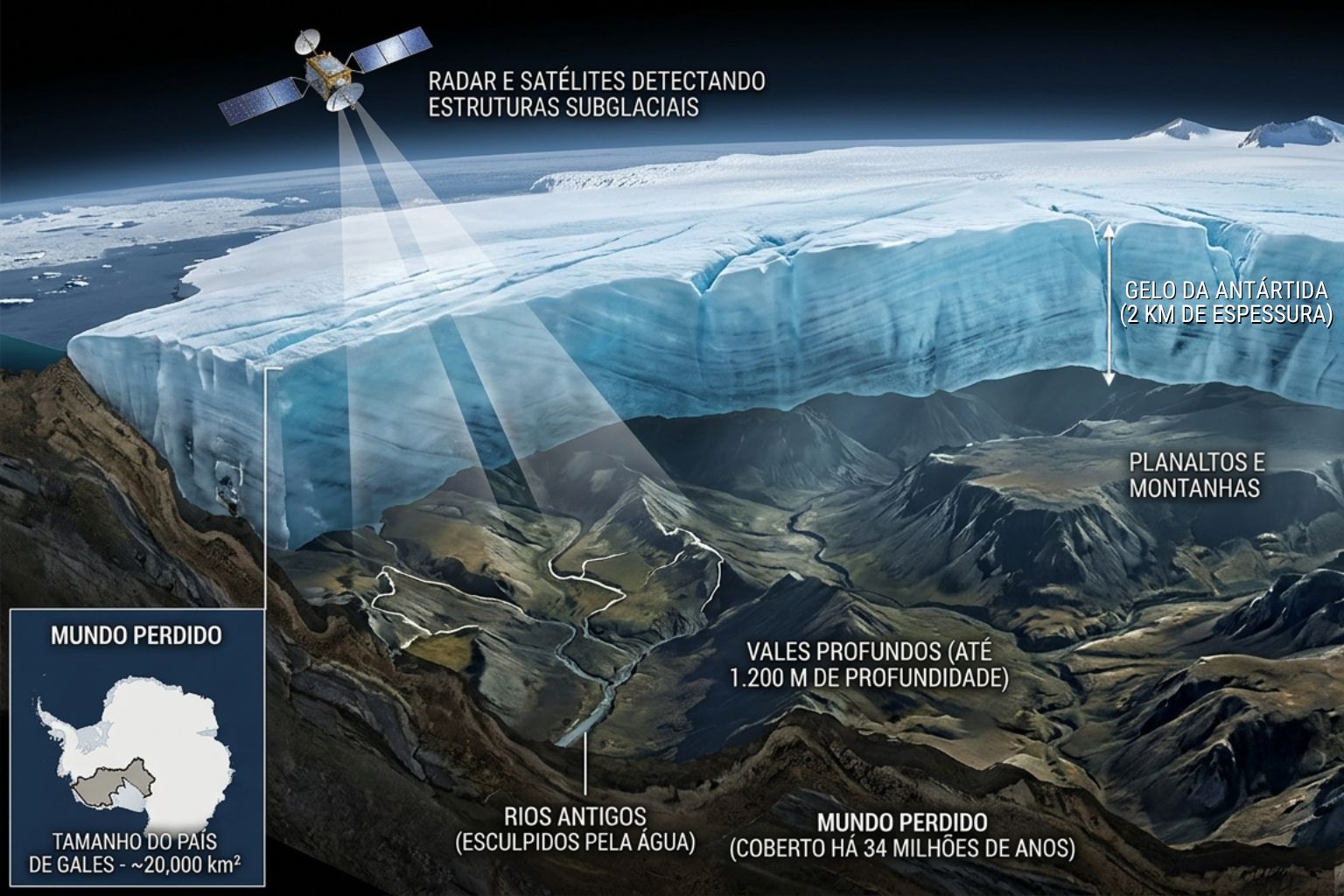
Satellites and radars revealed, beneath 2 kilometers of ice in Antarctica, a lost world the size of Wales, with rivers, valleys 1,200 meters deep, and plateaus sculpted by water, frozen for 34 million years, when the continent had temperate forests and was part of a supercontinent that included South America.
-
A 2 kg exoskeleton with an 800-watt motor and artificial intelligence that predicts movements in 2 milliseconds reduces the load on the legs by up to 30 kg, increases strength by 40%, and allowed an 84-year-old woman to climb mountains without falling behind.

-
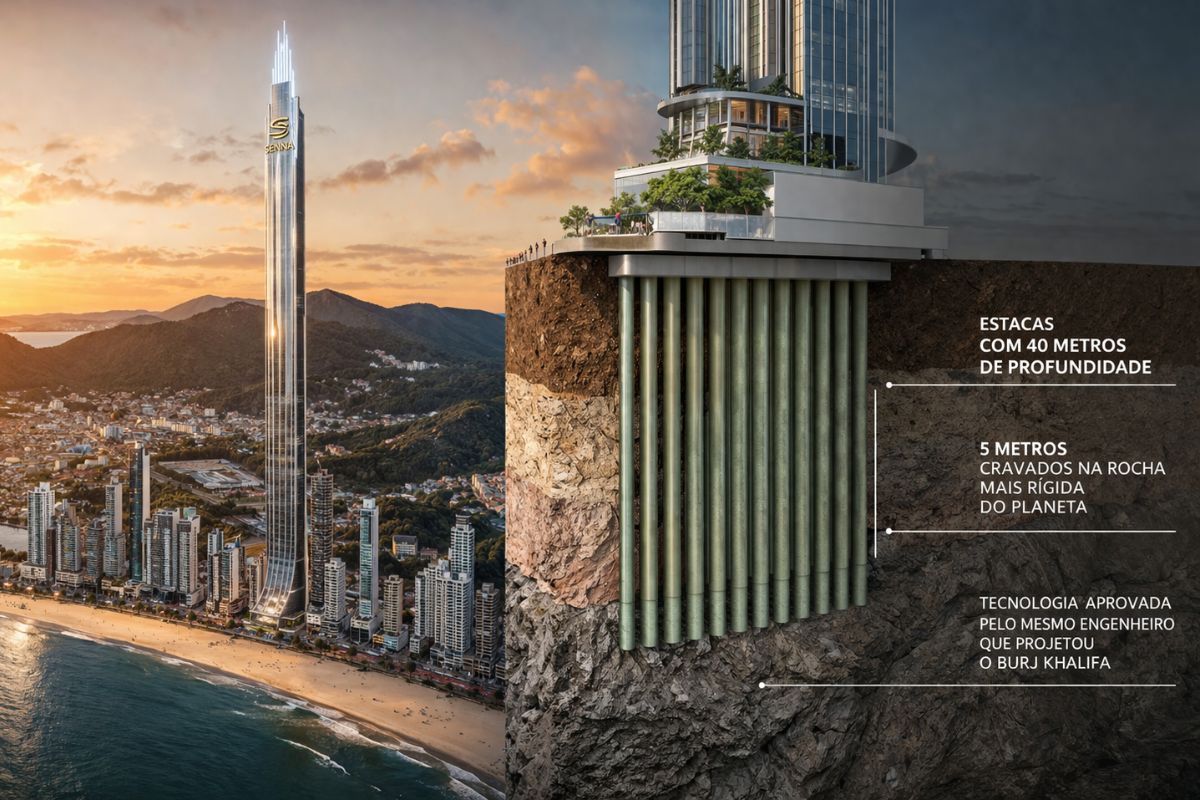
The Senna Tower in Balneário Camboriú is using stakes considered unique in the world that go down 40 meters and are driven 5 meters into the hardest rock on the planet, with technology approved by the same engineer who designed the Burj Khalifa.

According to Coates, sending robots instead of humans is the safest and most efficient method to investigate the Martian environment, allowing for accurate data collection without the risk of introducing terrestrial organisms.
He mentions that any trace of biological material brought by astronauts could interfere with research and contaminate samples, complicating the detection of possible signs of past or present life on Mars.
“The last thing we need to do is bring life from Earth to Mars“, the professor argued in an interview on the Today program. For him, the presence of robots would be the ideal way to investigate Martian soil without compromising the integrity of the environment.
The Success of SpaceX and the Expansion of Space Exploration
SpaceX, Elon Musk’s company, has achieved impressive advances, especially with the recent landing of the Super Heavy booster, a key piece in enabling the transport of people and heavy cargo to Mars.
On October 13, SpaceX’s Super Heavy, standing 71 meters tall, successfully completed a test, transporting a payload of 3,000 tons to 65 km in the air before returning to the ground, where it was captured by the “arms” of Mechazilla, a device designed to hold the rocket.
With the success of the booster, Elon Musk believes that SpaceX is closer to making Mars travel a viable and financially accessible reality. He stated on his social media: “If civilization is reasonably stable for the next 30 years, a self-sustaining city with over a million people will be built on Mars.”
For Elon Musk, the development of the Starship and Super Heavy is essential to ensure the necessary reusability and payload capacity to sustain a large colony on Mars.
The Scientists’ Concern: Mars Versus the Moon
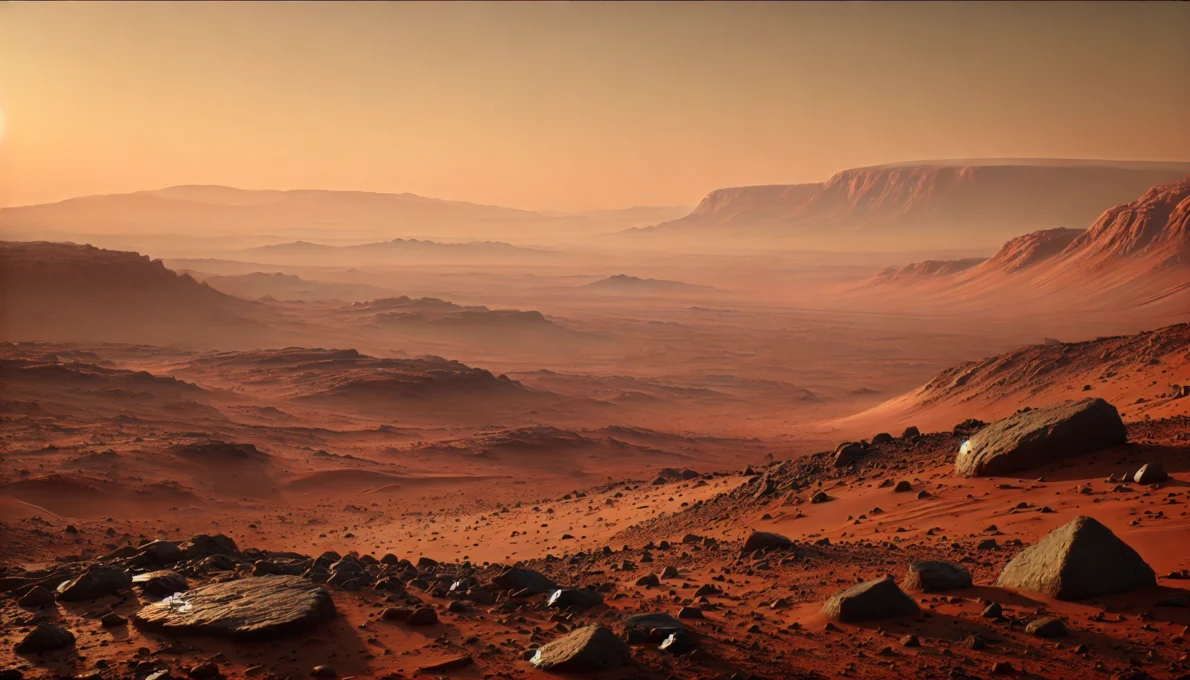
Professor Coates is not the only one to express concern about Elon Musk’s plan. Many scientists warn that human presence on Mars could irreversibly compromise the local environment.
Unlike the Moon, Mars has the ingredients that can support microbial life, which makes the risk of biological contamination even greater. The Moon, on the other hand, does not offer conditions suitable for life, making it a safe location for human exploration without concerns about biological impacts.
The NASA Artemis mission, which aims to take the first Americans to the Moon since the Apollo era, will use a modified version of the Starship for transport. According to the agency, the absence of life on the Moon makes large-scale human exploration feasible without contamination risks.
“We can explore the Moon without concern“, Coates said, adding that the characteristics of the lunar soil ensure that human presence won’t bring negative ecological impacts.
The Interplanetary Launch Challenge
Establishing a colony on Mars presents monumental logistical challenges. Mars only comes close enough to Earth for interplanetary travel once every 26 months, meaning launch windows are limited and occur in short intervals.
For Elon Musk, the solution lies in the high payload capacity and reusability of Starship and Super Heavy, allowing for the transport of millions of tons of supplies and passengers to Mars during these launch windows.
Musk’s proposal to build a self-sustaining city requires constant and precise launches, something he believes is possible with SpaceX’s current technology. However, experts emphasize that preparing for a project of this magnitude would require additional technological advancements and a more robust space infrastructure.
The Risks of Contamination for Future Scientific Missions
Professor Coates’s team is working on the development of the Rosalind Franklin rover, a NASA mission aimed at exploring the Martian subsurface for signs of microbial alien life.
The arrival of humans on Mars, according to him, could hinder these efforts by introducing biological contaminants to the planet. “Contamination by terrestrial organisms would complicate the accurate analysis of signs of life on Mars”, Coates argues.
The scientist suggests that if sending humans to Mars is necessary, the number of explorers should be strictly controlled to minimize contamination. He proposes sending only one or two people as a safer approach to studying Mars without compromising the environment, stating that “one person might be okay eventually, but there are contamination risks.”
Robotic Exploration as an Alternative
Many scientists argue that robotic exploration is the best way to unravel the mysteries of Mars without risking the integrity of the environment. Besides being more economical, robots can perform data collection tasks efficiently, without the biological risks associated with human presence.
Coates believes that robotic exploration is essential to ensure we do not compromise possible discoveries regarding alien life on Mars, an area of research that is extremely important for understanding our solar system.
A Dilemma Between Ambition and Scientific Preservation
Elon Musk’s ambitious vision of a Martian city is admirable, but scientists like Professor Coates warn of the consequences of mass colonization on the red planet.
Biological contamination is a real concern, and human presence could jeopardize decades of scientific research focused on identifying signs of alien life.
The technological advancements of SpaceX certainly represent a significant milestone in space exploration, offering unprecedented possibilities for humanity. However, the dilemma between expanding frontiers and preserving the cosmic environment persists.
While Musk’s project envisions Mars as a new home for humanity, scientists believe that the safest path to exploring the red planet is through robotics.




😑…Ele está querendo construir uma nova “Elysium”, onde ele mesmo quer ser o administrador e o detentor dominante dos direitos de colonização de um planeta não explorado.