





 Portuguese
  English
  Spanish
  2 min of reading
  0 comments


Chinese Technology Uses Solar Light And Plastic Lid To Transform Seawater Into Potable Water Without Electricity Or Expensive Equipment
A new material developed by Chinese scientists may facilitate the production of potable water from seawater. The technology uses only sunlight and a common plastic lid to function. The study was published in the scientific journal ACS Energy Letters.
Magic Sponge: Porous Material With Nanotechnology
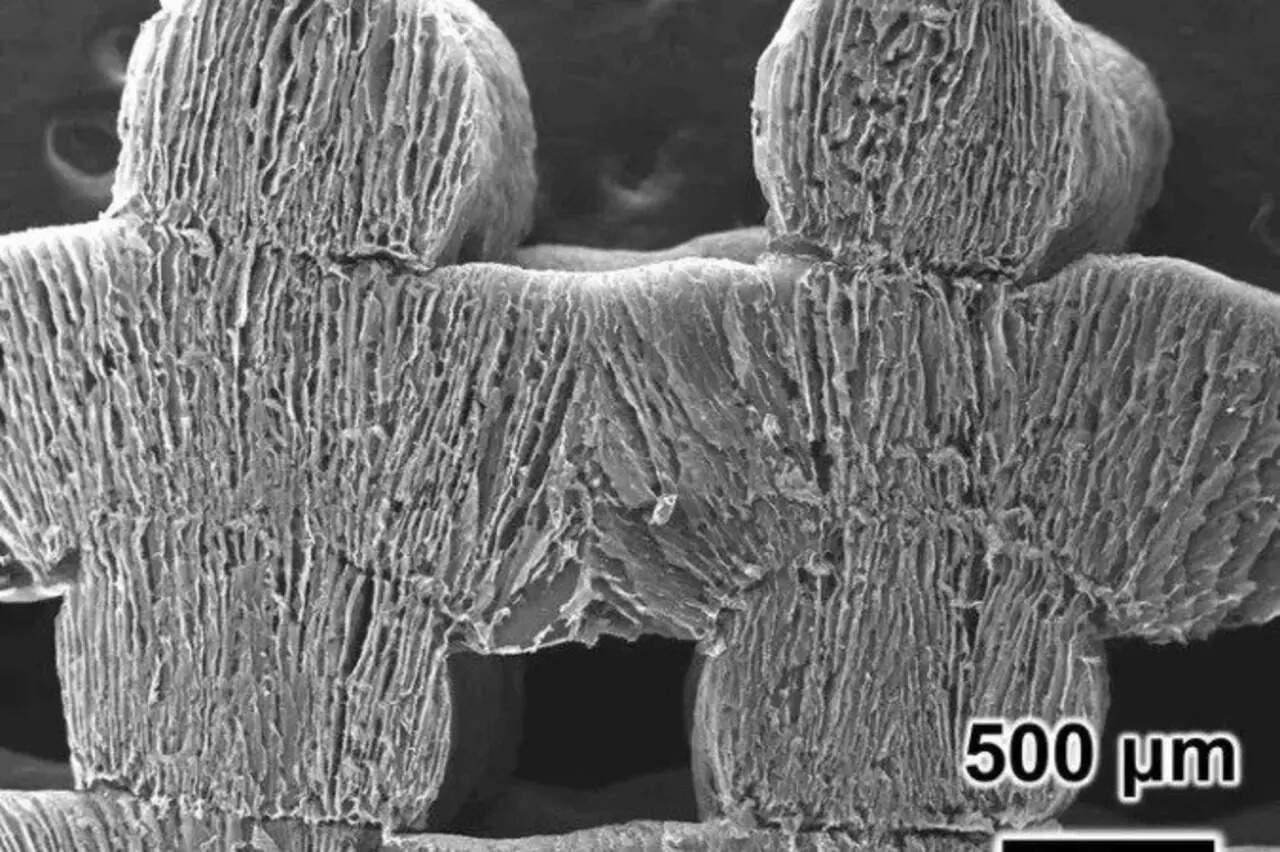
The material created is a type of aerogel, a lightweight and porous substance made with carbon nanotubes and cellulose nanofibers.
It was shaped with precise micro-holes using a 3D printer. These uniform holes allow the material to function efficiently, even in larger sizes.
-
After decades of failed attempts, Brazil is once again looking to space with an orbital rocket measuring 12 meters, weighing 12 tons, costing R$ 189 million, and scheduled for launch in 2026, in a new race to finally achieve autonomous access to orbit.

-
The Earth will plunge into a few minutes of darkness in broad daylight in August 2026, when a total solar eclipse transforms the sky into one of the most impressive astronomical phenomena in recent years.

-
How the terraforming of Mars can transform the planet: artificial aerosols can increase the temperature by up to 35°C in 15 years, creating conditions for liquid water.

-
Scientists drilled nearly 8,000 meters into the ocean floor above the fault that caused the 2011 tsunami in Japan and discovered that a layer of clay 130 million years old was responsible for making the wave much worse than any model had predicted.


The performance was tested with pieces of different sizes, ranging from one to eight centimeters. All maintained the same efficiency in water evaporation.
In previous versions of similar materials, the yield decreased as the size increased. Now, that is no longer the case.
Simple Test, Effective Result
For the practical test, the scientists placed the material inside a glass with seawater. They then covered it with a curved and transparent lid.
The sunlight heated the material, causing the water to evaporate. The salt remained in the glass. The vapor rose, condensed on the lid, and flowed into a separate container.
After six hours under the sun, the system generated the equivalent of three tablespoons of potable water. All without the use of electricity or complex equipment.
Promise Of Accessible Desalination
According to Xi Shen, one of the researchers involved, the new aerogel allows desalination at any scale. “Our aerogel allows for full capacity desalination at any size. It is a simple and scalable solution to produce clean water without relying on electricity,” he stated.
The study was supported by the National Natural Science Foundation of China and institutions in Hong Kong. The technology is still in the experimental phase but represents a promising advancement in solutions for access to potable water, especially in regions with little infrastructure.
With information from Correio Braziliense.








Seja o primeiro a reagir!