





 Portuguese
  English
  Spanish
  2 min of reading
  0 comments


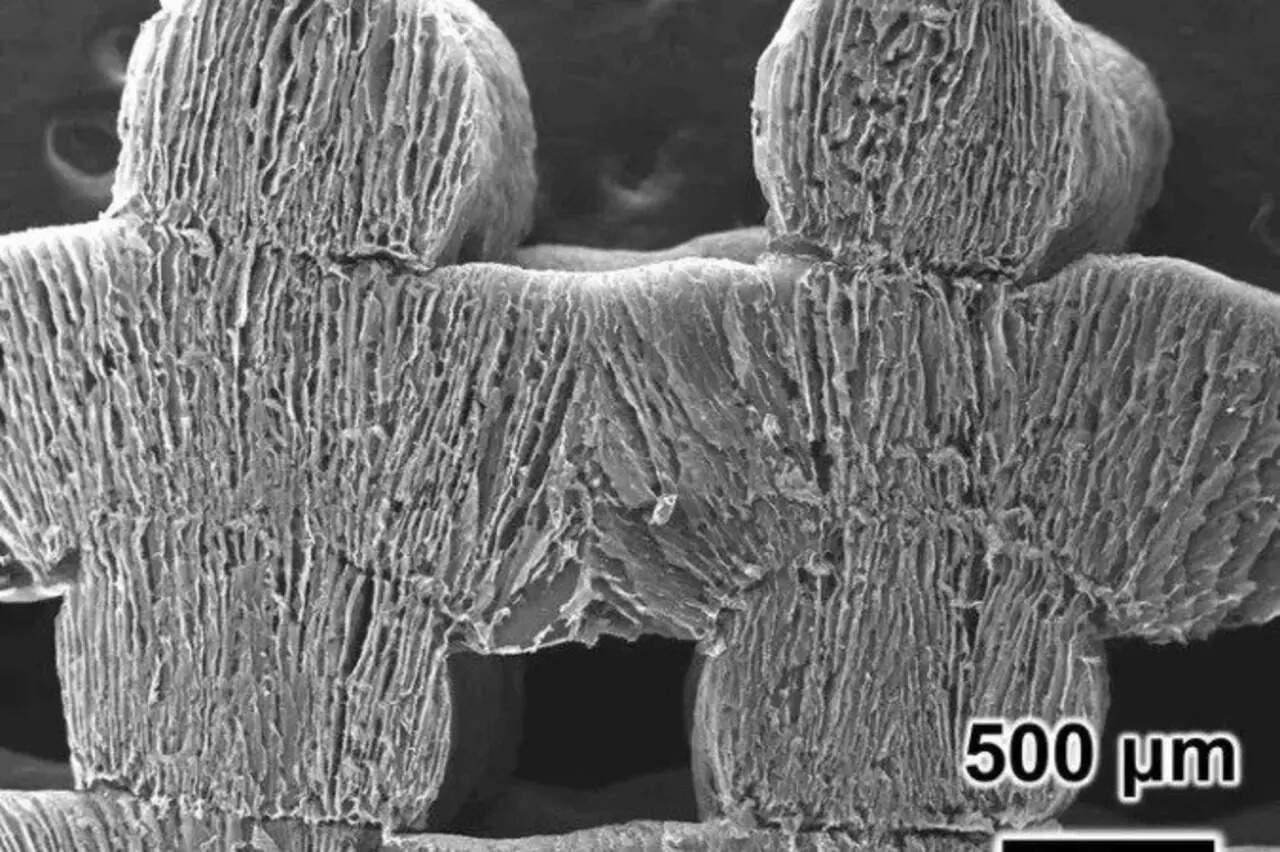
Chinese Technology Uses Solar Light And Plastic Lid To Transform Seawater Into Potable Water Without Electricity Or Expensive Equipment
A new material developed by Chinese scientists may facilitate the production of potable water from seawater. The technology uses only sunlight and a common plastic lid to function. The study was published in the scientific journal ACS Energy Letters.
Magic Sponge: Porous Material With Nanotechnology
The material created is a type of aerogel, a lightweight and porous substance made with carbon nanotubes and cellulose nanofibers.
It was shaped with precise micro-holes using a 3D printer. These uniform holes allow the material to function efficiently, even in larger sizes.
-
China has reached 167 desalination projects in ten coastal regions and already converts 3.1 million tons of seawater per day into fresh water to supply steel plants, waterless islands, and local tourism.

-
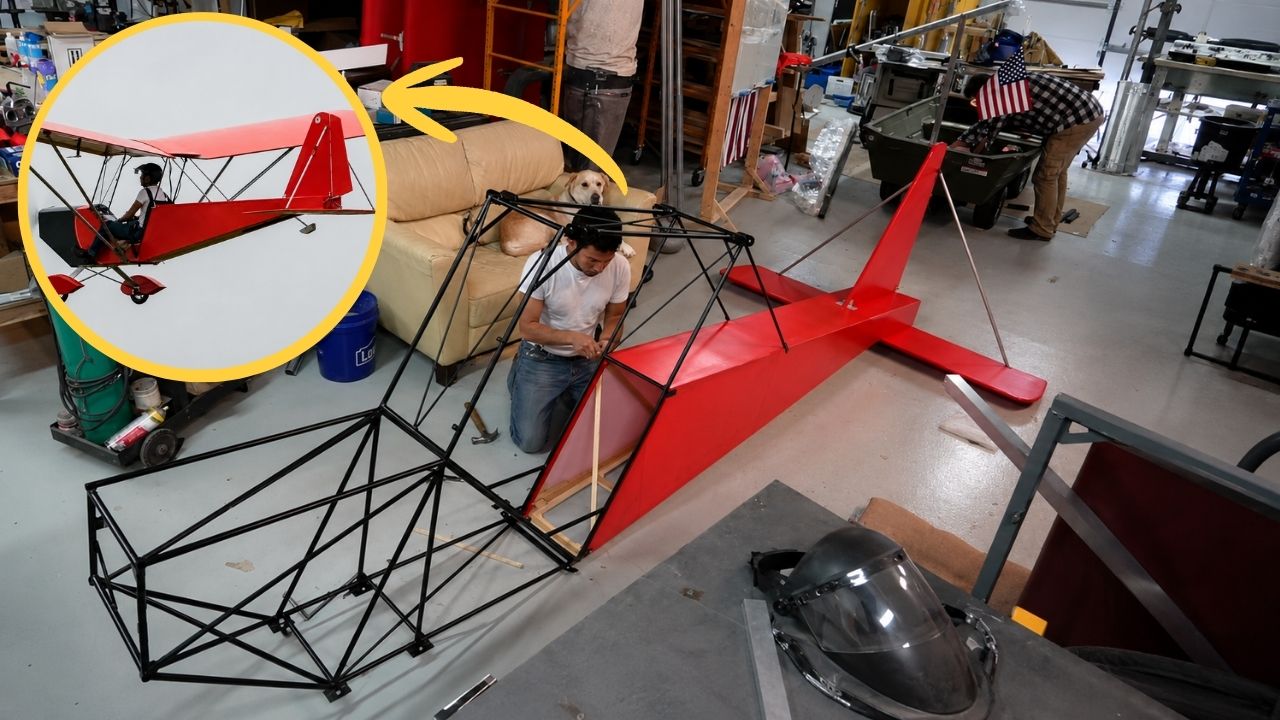
An American built a plane at home using styrofoam, plywood, and drone motors for less than $5,000, and the electric aircraft assembled in the garage can actually take off and fly like a conventional plane.

-
The Soviet rocket N1 had 30 engines, was created to beat the USA to the Moon, and exploded four times in a row: the second detonation destroyed the platform, scattered debris over 10 km, and exposed the secret failure that the USSR denied.
-
Material created at MIT absorbs 99.995% of light and has become ten times darker than Vantablack by engulfing a 16.78-carat diamond valued at 2 million dollars, turning it into pure shadow.



The performance was tested with pieces of different sizes, ranging from one to eight centimeters. All maintained the same efficiency in water evaporation.
In previous versions of similar materials, the yield decreased as the size increased. Now, that is no longer the case.
Simple Test, Effective Result
For the practical test, the scientists placed the material inside a glass with seawater. They then covered it with a curved and transparent lid.
The sunlight heated the material, causing the water to evaporate. The salt remained in the glass. The vapor rose, condensed on the lid, and flowed into a separate container.
After six hours under the sun, the system generated the equivalent of three tablespoons of potable water. All without the use of electricity or complex equipment.
Promise Of Accessible Desalination
According to Xi Shen, one of the researchers involved, the new aerogel allows desalination at any scale. “Our aerogel allows for full capacity desalination at any size. It is a simple and scalable solution to produce clean water without relying on electricity,” he stated.
The study was supported by the National Natural Science Foundation of China and institutions in Hong Kong. The technology is still in the experimental phase but represents a promising advancement in solutions for access to potable water, especially in regions with little infrastructure.
With information from Correio Braziliense.




Be the first to react!