





 Portuguese
  English
  Spanish
  3 min of reading
  0 comments


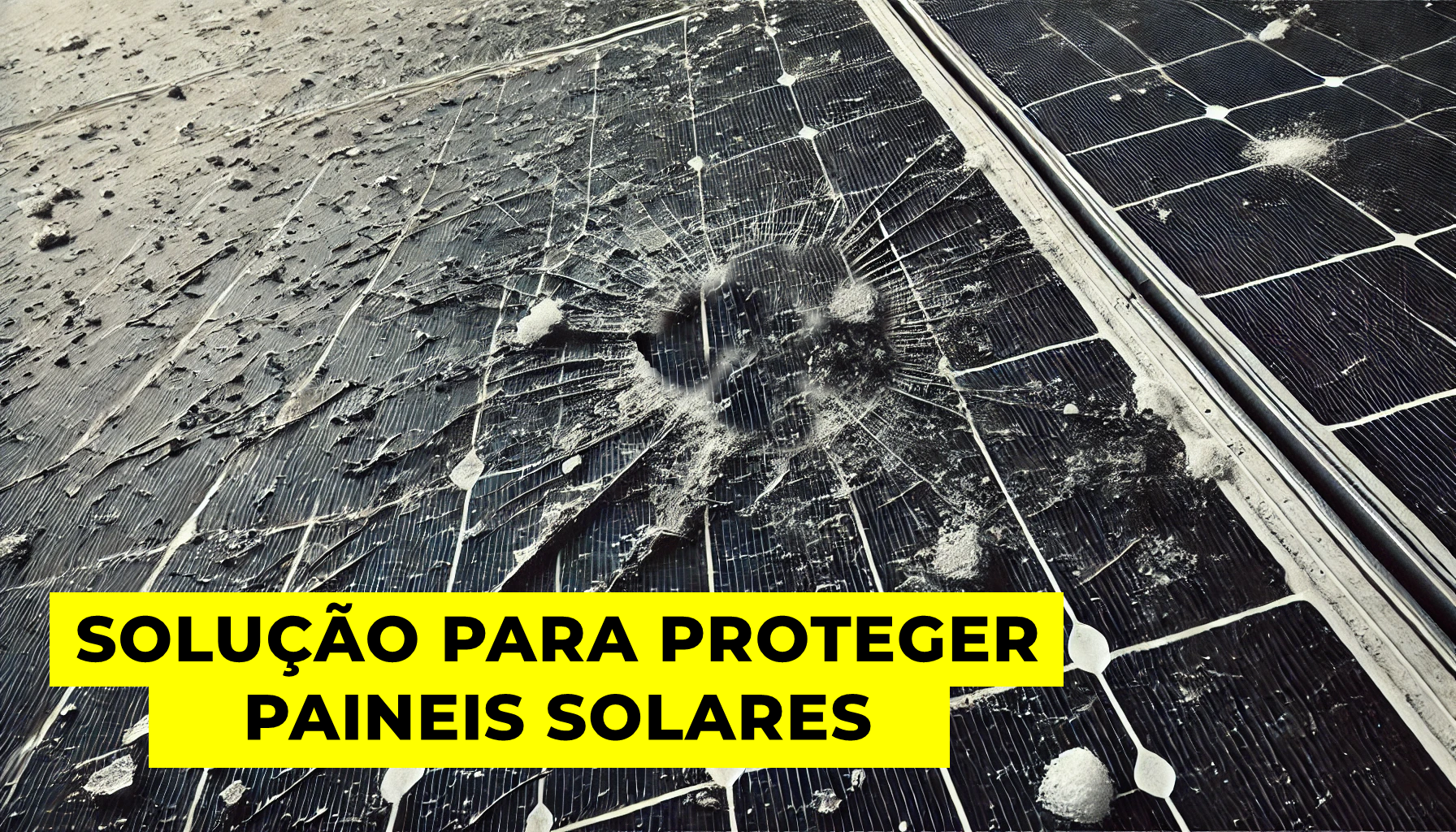
Solar energy has gained ground as a sustainable alternative, but natural phenomena such as hail can compromise the durability of the panels. To solve this problem, scientists have developed a simple and efficient method that protects photovoltaic plates from severe impacts.
In recent years, hail has become an increasing problem for various industries. Climate change has increased the frequency and intensity of these storms, causing significant damage. Among the most affected are solar panels, which can suffer irreparable damage.
Scientists have identified a practical solution to reduce this impact: using thicker glass.
The Impact of Hail on Solar Panels
Hail can severely damage photovoltaic modules. The ice stones, when hitting the panels, can cause micro-cracks invisible to the naked eye.
-
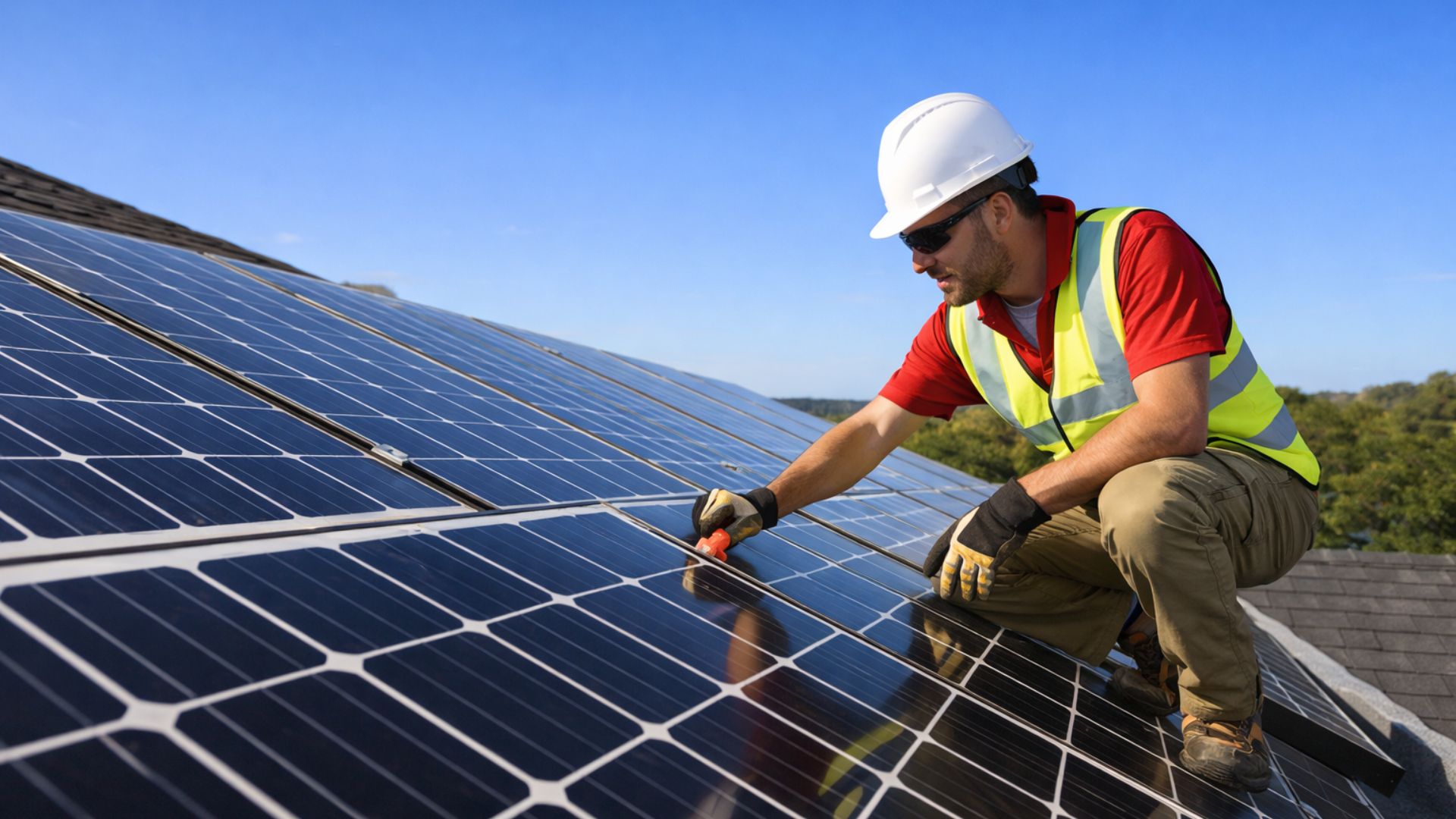
Seagri’s headquarters invests in solar energy with Neoenergia Coelba and promises to cut electricity costs, highlighting a strategic advance in sustainability and energy efficiency within state public administration.
-
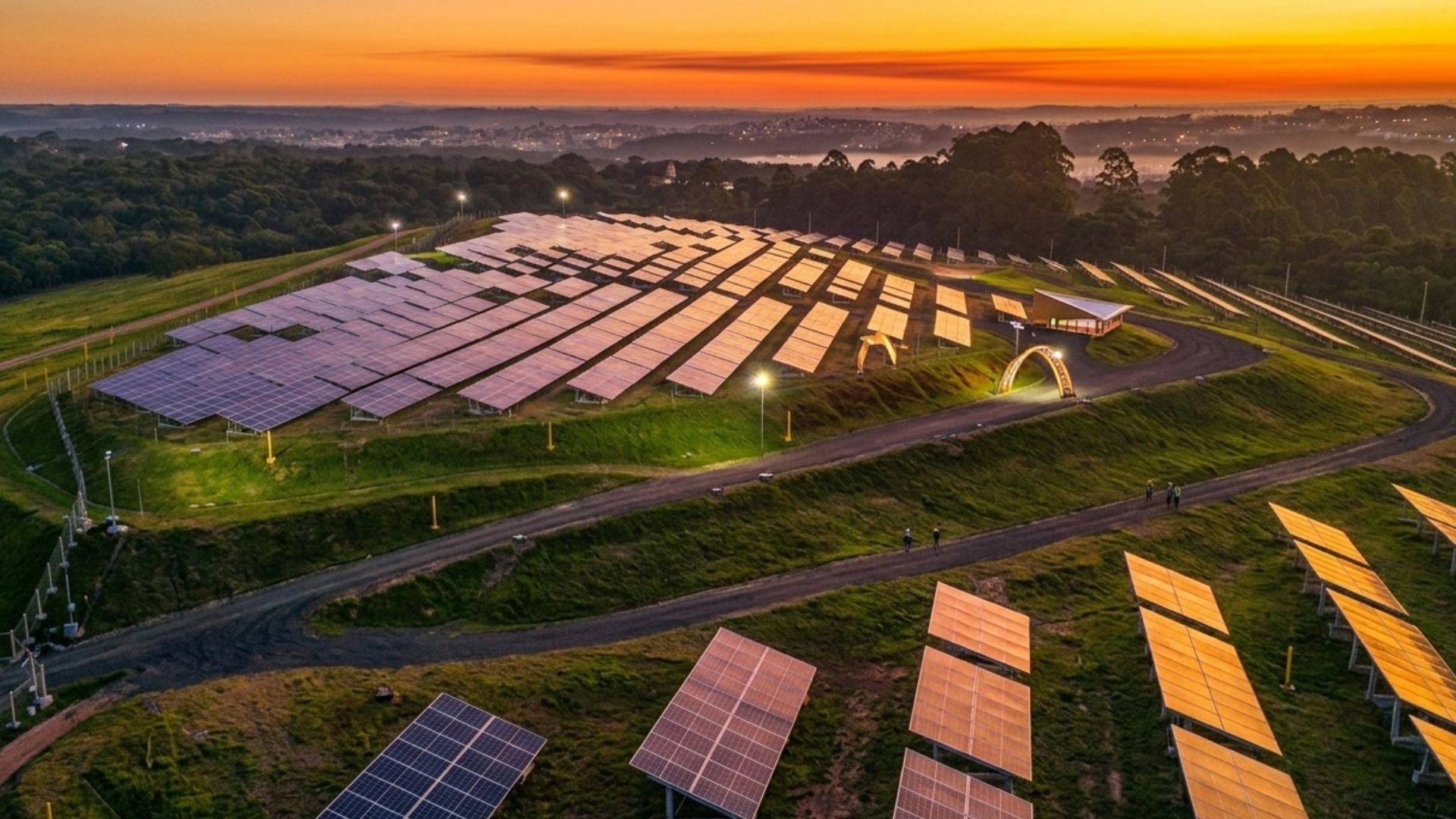
Solar Pyramid draws attention by converting solar energy into million-dollar savings and repositioning the City Hall of Curitiba as an example of innovation, sustainability, and intelligent use of public resources.
-
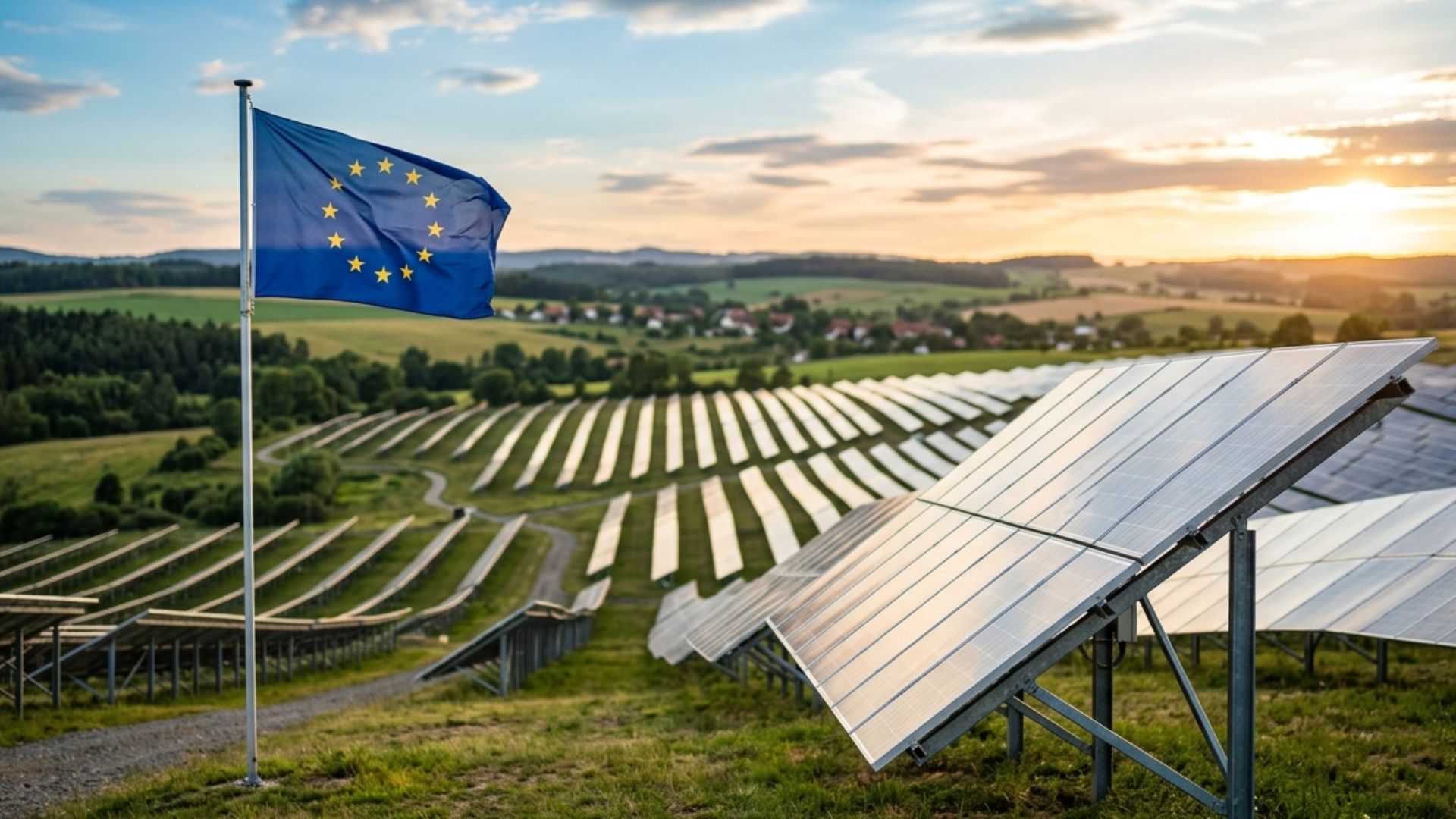
Europe records strong euro economy with solar energy in March and sparks curiosity about which country leads growth that redefines the energy market and reduces costs.
-
Piauí reaches a historic milestone in energy transition: State records nearly 160,000 households powered by solar energy and leads growth in the Northeast.
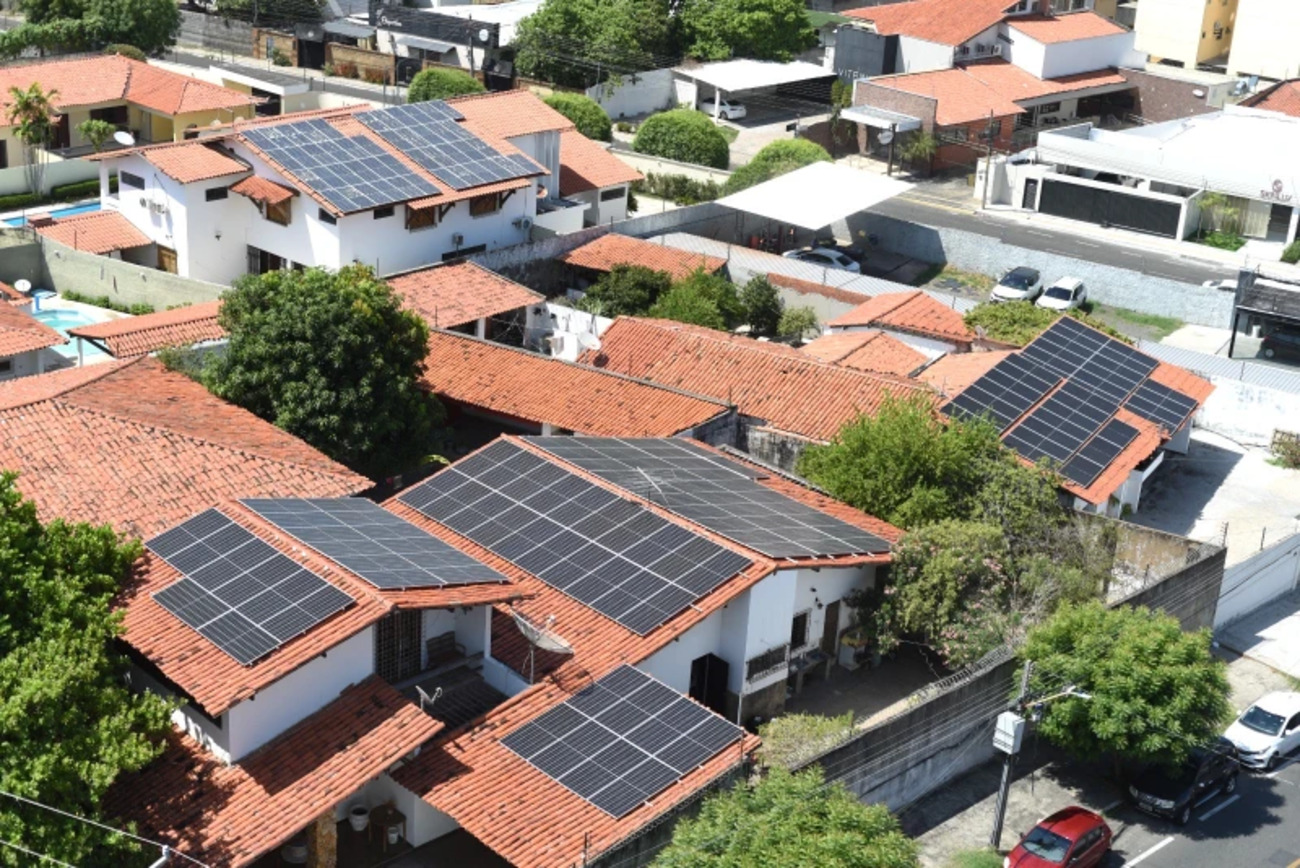

Over time, these cracks reduce the efficiency of the system and can lead to complete failure. In more extreme cases, the impact can completely break the glass of the panel.
Tests Show the Resistance of Different Thicknesses
Researchers from the Vellore Institute of Technology, in partnership with Waaree Energies Ltd. and City University, tested the resistance of solar panels to hail. In the study, three models with different glass thicknesses were evaluated: 2.8 mm, 3.2 mm, and 4 mm.
The tests subjected the panels to the impact of hailstones ranging from 7.5 g to 80 g, with diameters from 25 mm to 55 mm, launched at speeds of up to 34 m/s. The results were clear: panels with thicker glass suffered less damage.
- The 4 mm glass lost only 1.1% of power after the impact of 55 mm hail.
- The 3.2 mm and 2.8 mm models lost 11.74% and 21.8% of power, respectively.
- The thinner panels suffered significant cracking and did not withstand the impact of 45 mm hail.
These data indicate that the thickness of the glass is a decisive factor in increasing the durability of panels in risk areas.
The Importance of Choosing Thicker Glass
Based on the study’s results, scientists recommend that regions prone to hailstorms adopt solar panels with a front glass thickness of at least 4 mm. This small adjustment can prevent significant damage in the long run.
Currently, the standard glass thickness for panels on the market is 3.2 mm. While sufficient for areas with lower hail incidence, it does not provide adequate protection in vulnerable areas.
Opting for thicker glass may represent a higher initial cost, but it reduces future expenses on maintenance and replacement of damaged modules.
Another alternative to protect solar panels is the use of reinforced covers or investing in insurance against extreme weather events.
However, these options can incur considerable additional costs. The adoption of thicker glass presents itself as an effective and economically viable solution to minimize damage.
Protection Against Hail is Essential for the Future of Solar Energy
With the growing demand for renewable energy, ensuring the durability of photovoltaic systems is essential.
The impact of hail can compromise electricity production and generate high costs for repairs and replacements. The solution presented by scientists is practical and can be widely applied in the sector.
The study reinforces the importance of investing in technology to make solar energy more resilient to adverse weather conditions.
For those living in regions with high hail incidence, considering the choice of panels with thicker glass can be a smart and economical decision.
More information about the study can be found on the website sciencedirect.com. Advancing research in the area continues to be fundamental to ensure the efficiency of photovoltaic systems in the future.
More information about the study on ScienceDirect.






Seja o primeiro a reagir!