





 Portuguese
  English
  Spanish
  3 min of reading
  7 comments


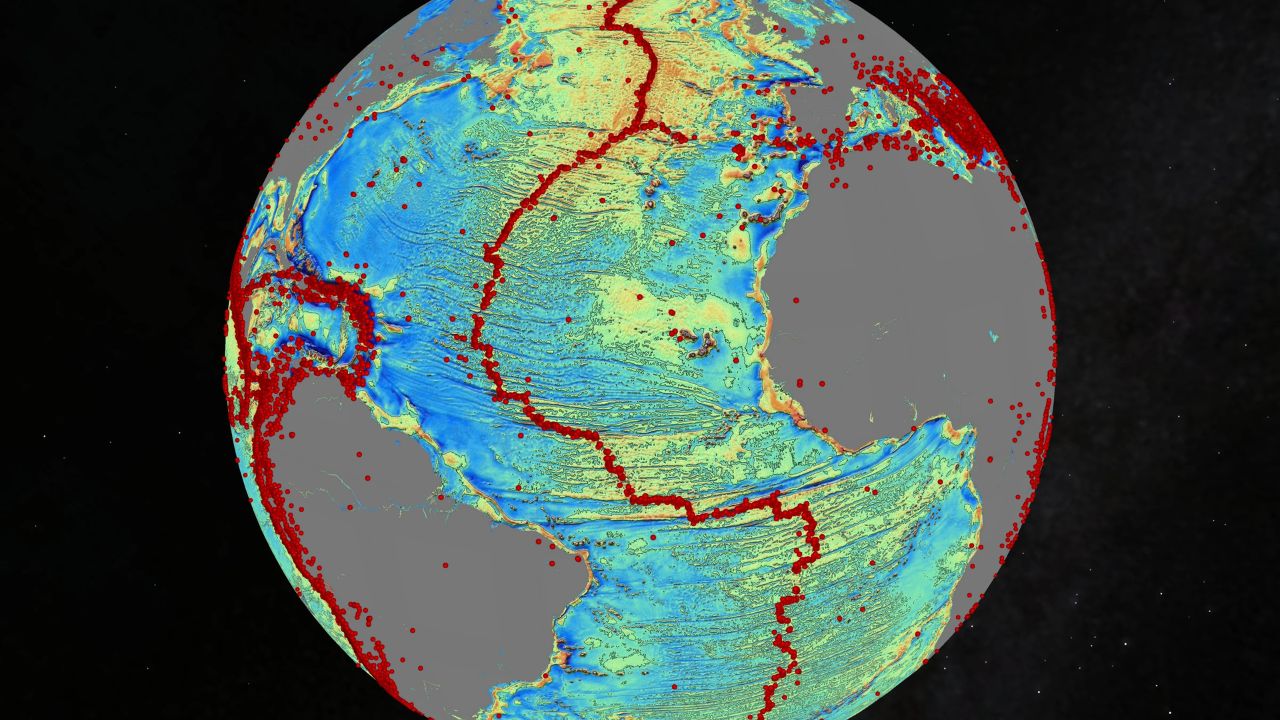


Researchers From Turkey and Canada Identified Cracks and Structural Failures in the Tectonic Plates of the Pacific Ocean Even Before Reaching the Subduction Zones, Shattering Everything Science Believed About Geological Stability at the Bottom of the Sea!
When we think about the bottom of the Pacific Ocean, we immediately think of a calm environment, without major surprises. But what if I told you that the Earth is literally cracking down there? That’s right, scientists from Turkey and Canada made a discovery that could change everything we knew about tectonic plates.
Until now, the idea was that these plates remained solid and only began to deform when they reached the subduction zones, those regions where one dives under another. However, it seems that the plates in the Pacific Ocean are already cracking even before getting close to these zones!
The Discovery That Disrupted Submarine Geology in the Pacific Ocean
The scientists analyzed four large underwater plateaus in the Pacific Ocean—Ontong Java, Shatsky, Hess, and Manihiki. And the surprise comes here: these formations already show cracks, faults, and signs of stretching long before coming into contact with other plates. In other words, it’s not quite the story of “everything is solid until the collision.”
-
Brazil has quietly developed an electric tactical drone that takes off and lands vertically without needing a runway, flies at 140 km/h in a fully autonomous manner, and can operate in forests, conflict zones, and remote areas.

-
Novo drone Guardian debuts in the United States with an 8-mile range, robotic battery swapping, and Starlink connectivity for continuous response.

-
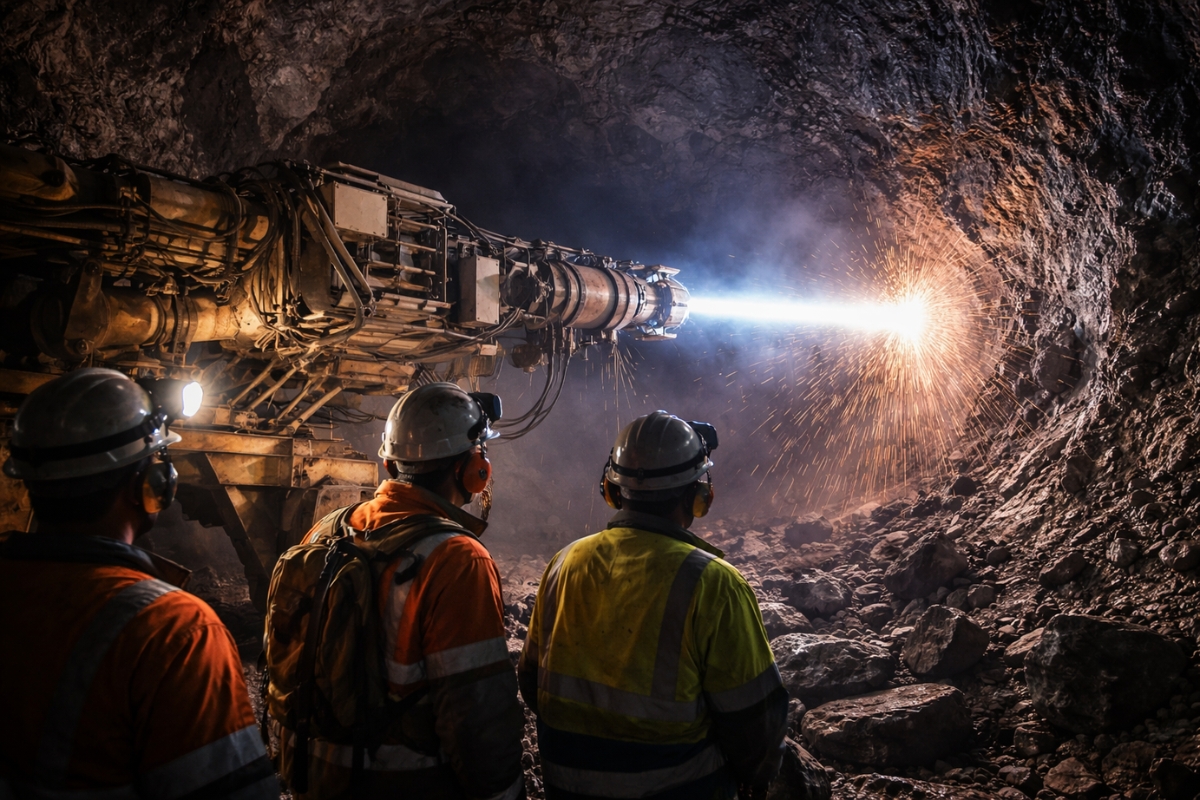
100 kW megalasers are already pointing to a new industrial phase, with enough power to cut thick steel, drill through rocks, accelerate mining, and increase productivity in operations previously considered too difficult.
-
Thousands of people in poor countries are paid cents to film household tasks, label images, and operate systems remotely all day long, and this invisible work fuels a $17 billion market that trains the artificial intelligences of Google, Tesla, and Meta.


Because it was believed that the plates were rigid and stable until the moment of impact with another formation. Now, this new study shows that they are already weakened along the way, especially in areas where the oceanic crust is thicker.
What Is Causing the Pacific Ocean to Crack?
Yes, and it’s not a small matter. The big question here is that these plates are being pulled, pressed, and twisted long before any direct impact in the Pacific Ocean.
The scientists believe that this fragility comes from the very interaction between the plates and the gigantic forces exerted by the subduction zones, even thousands of kilometers away. It’s as if a car were already dented even before crashing into another one.
What is happening is a game of forces that we don’t see, but which is there, working all the time. As the plates slide along the bottom of the Pacific Ocean, they undergo constant stretching and compression. The result? Cracks, faults, and displacements even before reaching the “collision point.”
Earthquake and Tsunami Risk? What to Expect
If the plates in the Pacific Ocean are already weakened before subduction, it makes sense to think that this could generate tremors in the middle of the ocean, right? And it’s precisely this possibility that scientists are studying now.
The good news is that, for now, these tremors seem to be of low intensity, very different from the gigantic earthquakes that occur in places like Japan.
Calm down, no need to run! Despite this somewhat scary news, experts believe that the risk of tsunamis remains low. Since these cracks are occurring in the middle of the Pacific Ocean, far from the coasts, it’s unlikely they will generate giant waves that could hit cities.






E, quem sabe, se isso não se encontra na mesma esteira das pesquisas científicas do efeito “El Nino” no oceano Pacífico? Porém, é muito mais fácil atribuir-se a culpa desses eventos à humanidade que aos fenômenos. Qual é o estudante de geografia ou de geologia primária que não sabe que o núcleo terrestre é um elemento super quente e abrasivo, certamente, com milhões de toneladas de metais em estado de fusão, líquido. Quem diria que os cientistas da geologia ignoram isso?
Se realmente isso está acontecendo, só Deus o Criador poderá dar um jeitinho nisso! Ninguém mais pode fazê-lo.
O mar mantém o magma como uma casca por cima com seu resfriamento é o que evita de tudo pegar fogo e consumir com tudo imagina se o mar secar o magma cria gazes de expansão e o magma sobe como o mar sobe e invade a terra seca e vai cobrindo tudo acabando com a vida na terra