





 Portuguese
  English
  Spanish
  3 min of reading
  0 comments


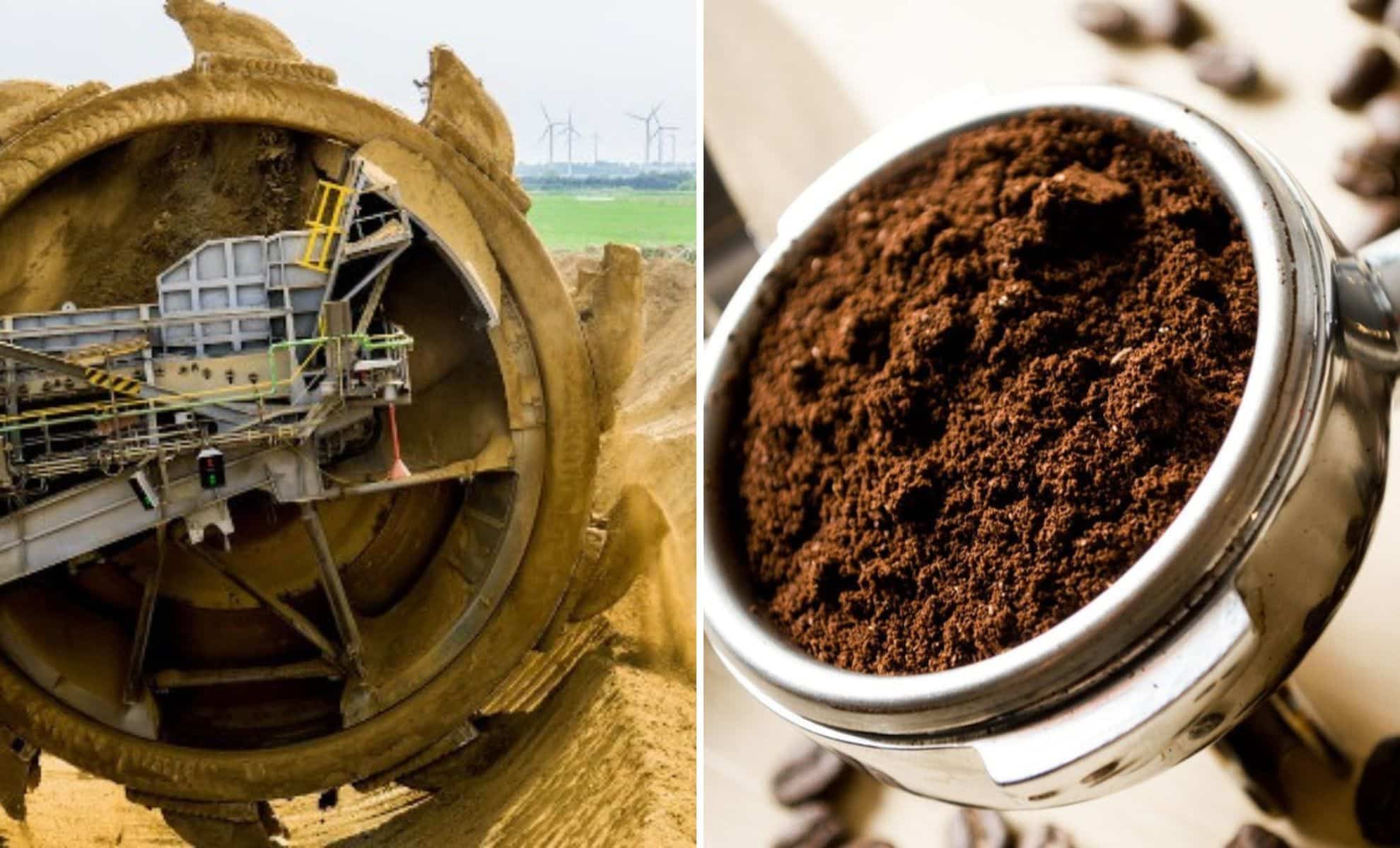
Researchers Have Found An Innovative Application For Coffee Grounds, Turning A Common Waste Into A Promising Material For Civil Construction.
Scientists have just revealed a surprising destination for coffee grounds that promises to revolutionize civil construction: the possibility of erecting skyscrapers with more sustainable and resilient materials.
This innovative discovery goes far beyond reducing waste, harnessing the potential of residues to build increasingly greener and more effective structures.
-
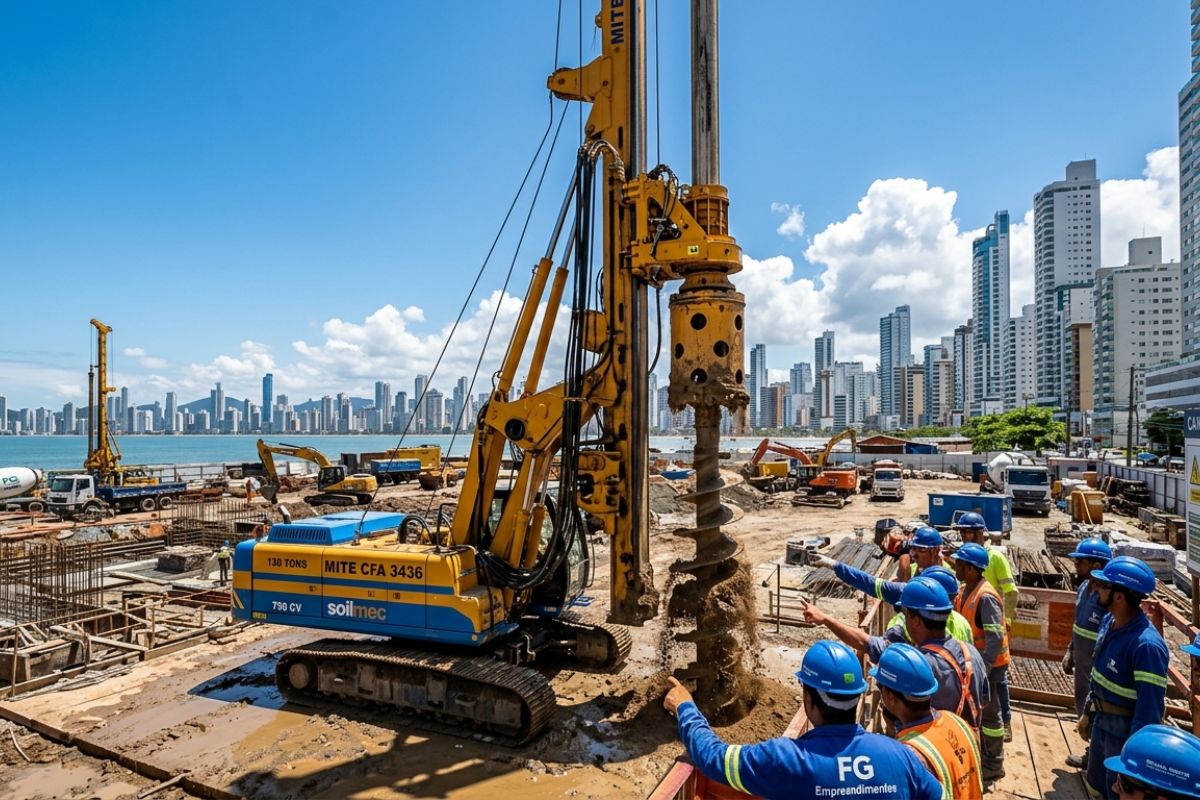
Italian giant of 130 tons arrives at the Senna Tower construction site and accelerates foundations: Mite CFA 3436 drills up to 50 m, 750 hp engine, investment of R$ 20 million, unique in Latin America.
-
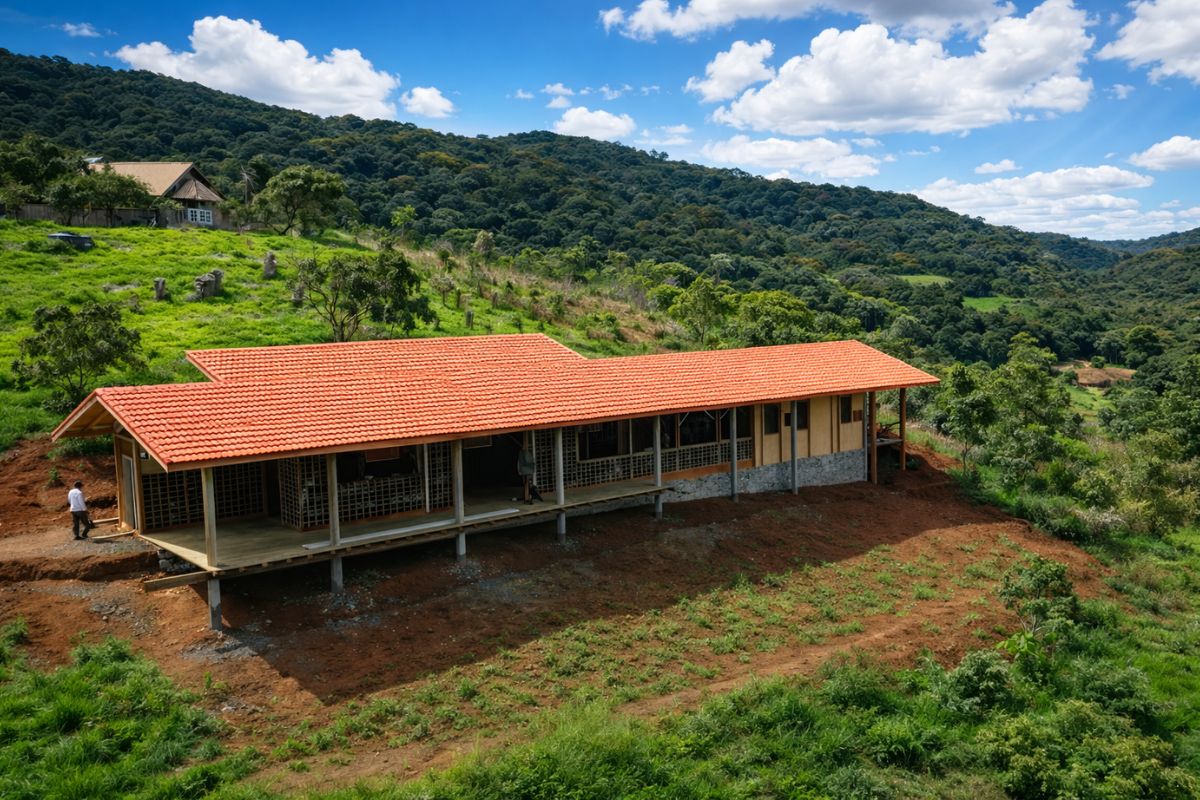
The adobe house in Monteiro Lobato takes shape with bamboo and clay from the land, a stone foundation, and a roof for the wind; cracks are normal, and finishing with lime turns it into a “common house.”
-
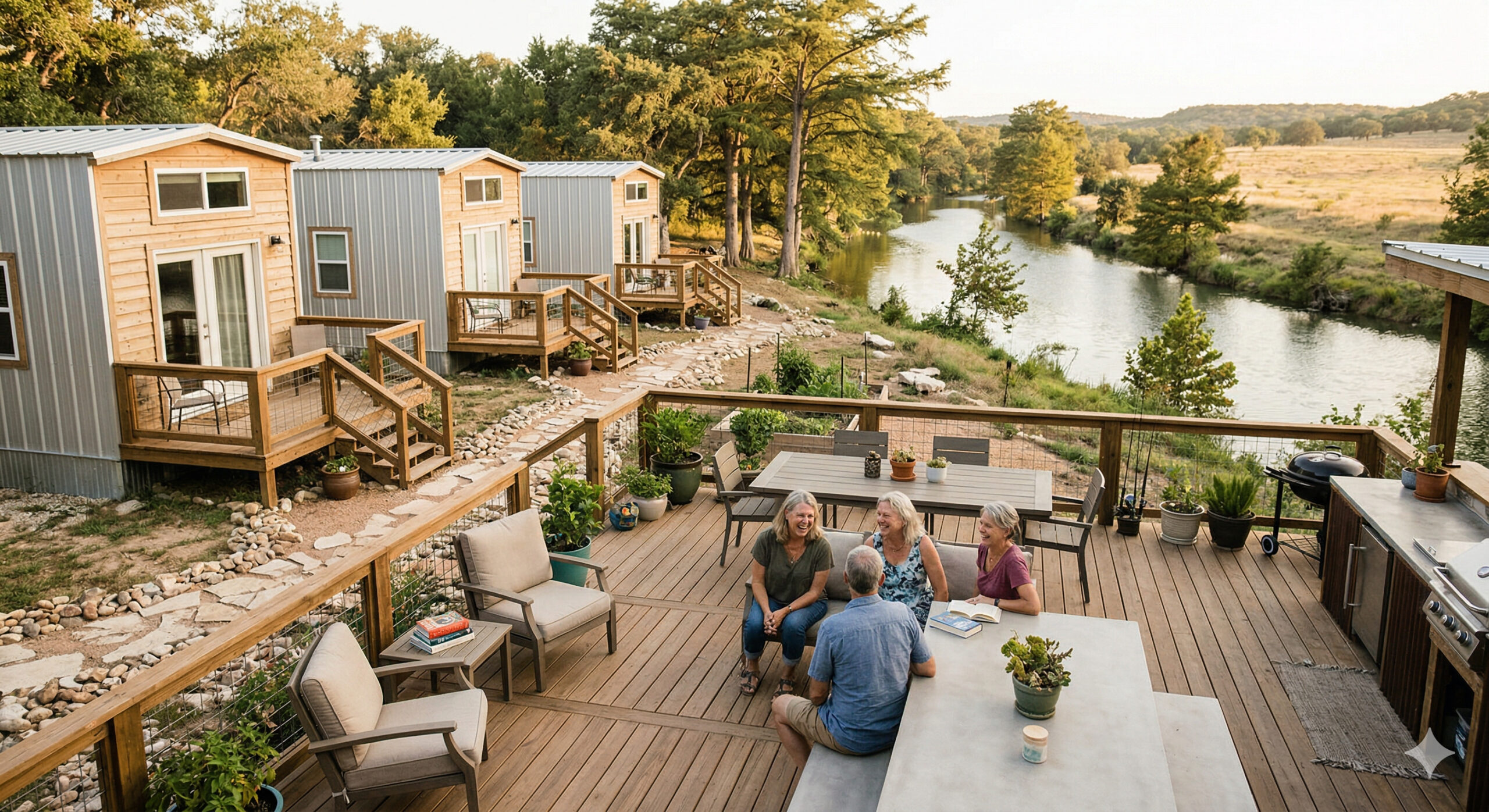
Four friends with over 30 years of friendship built a “mini village” by the banks of a river in Texas to grow old together, with houses of just 32 m² and a shared common space. The Bestie Row project has become a model of alternative living that is starting to spread around the world.
-
The ancient Japanese capital, planned over 1,200 years ago, still withstands earthquakes with colossal wooden temples and palaces, built without concrete or modern steel, by masters who created engineering capable of enduring centuries.
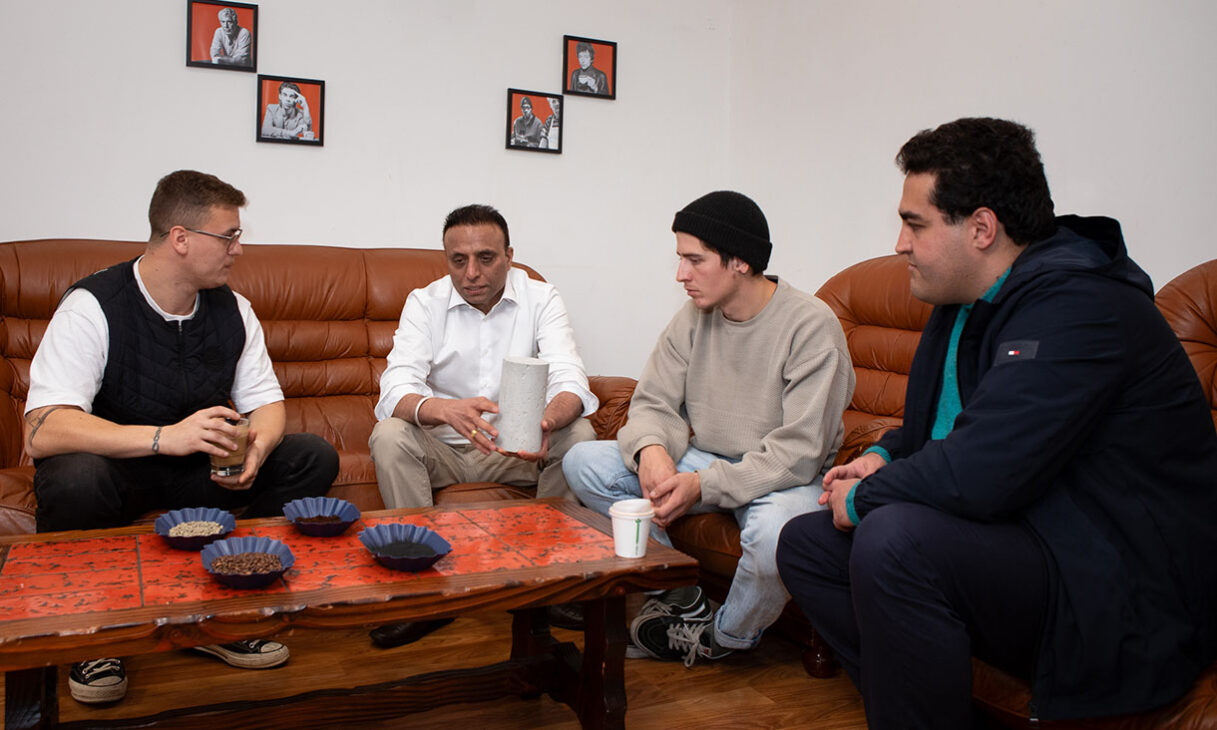
Researchers in Australia have discovered an innovative way to produce concrete that is 30% stronger using carbonized coffee grounds in the mix.

The technique, besides being promising for civil construction, can address two major environmental problems: the improper disposal of organic waste and the intensive extraction of natural sand.
The Coffee Waste Problem
Annually, the world generates 10 million tons of coffee waste. Much of this material is discarded in landfills, where it releases greenhouse gases, such as methane and carbon dioxide. These gases significantly contribute to global warming.
According to Rajeev Roychand, an engineer at RMIT, the improper disposal of organic waste is one of today’s major environmental challenges.
“The disposal of organic waste poses an environmental challenge, as it emits large amounts of greenhouse gases, including methane and carbon dioxide, which contribute to climate change,” explains Roychand.
The Growing Demand For Sustainable Concrete
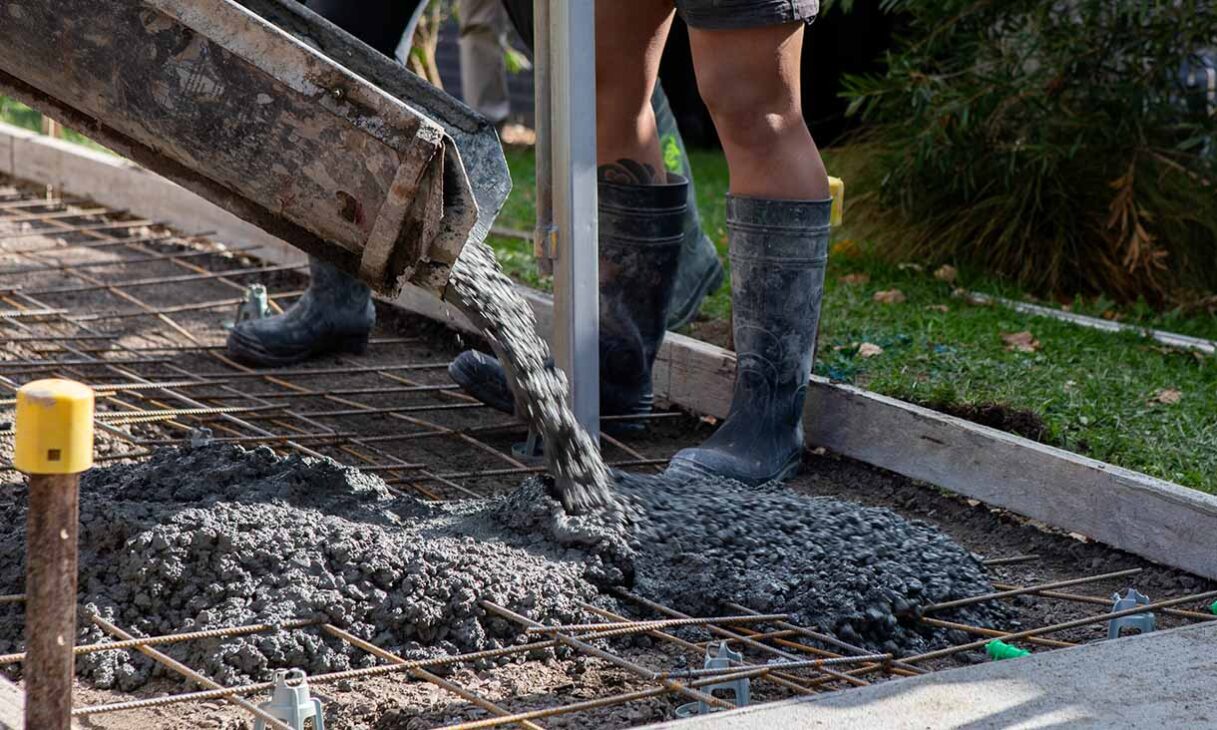
The civil construction sector, constantly expanding globally, requires increasing amounts of concrete. This generates intense demand for natural sand, often extracted from rivers. This process, besides being unsustainable, causes significant environmental damage.
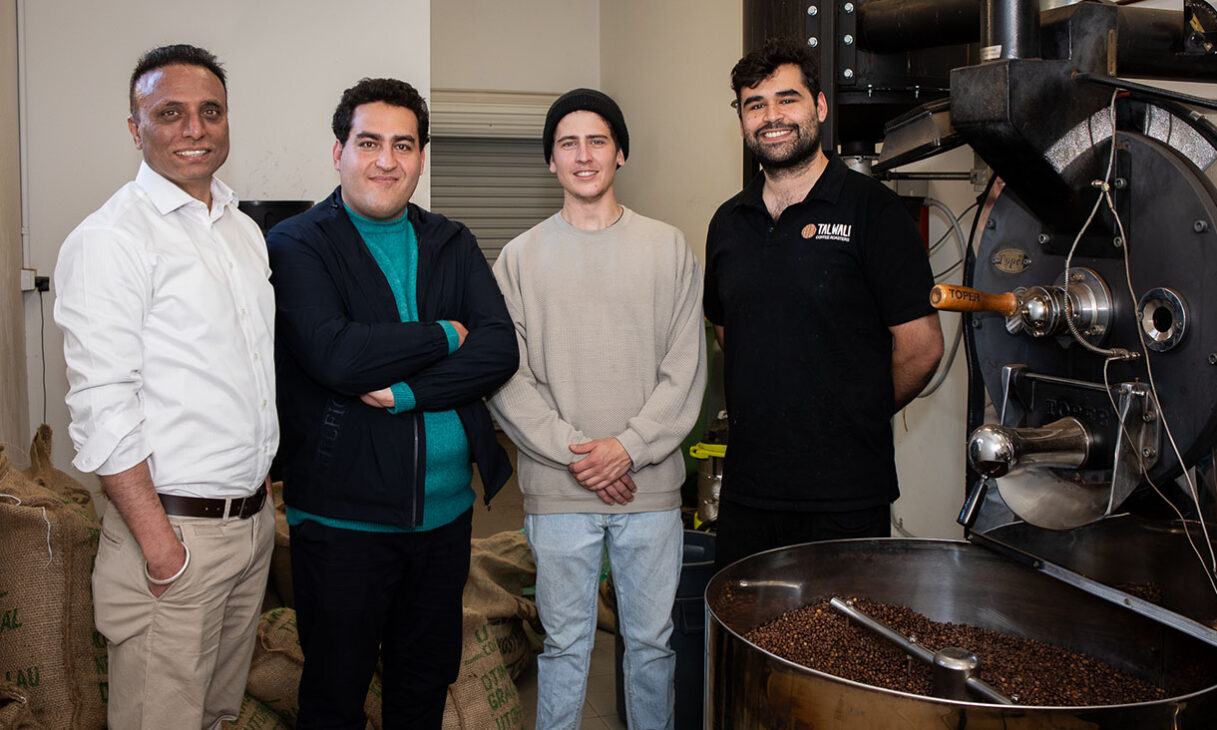
Jie Li, also an engineer at RMIT, highlights the challenges of this scenario: “There are critical and long-lasting challenges in maintaining a sustainable supply of sand due to the finite nature of resources and the environmental impacts of sand mining. With a circular economy approach, we could keep organic waste out of landfills and also better preserve our natural resources, like sand.”
The Innovative Technique: Pyrolysis Of Coffee Grounds
To make coffee waste viable for concrete manufacturing, researchers turned to pyrolysis, a heating process at high temperatures in an oxygen-free environment.
This method transforms the waste into biochar, a porous and carbon-rich material that can be incorporated into the cement matrix without compromising its strength.
During the tests, engineers heated the coffee waste to 350 °C. At higher temperatures, such as 500 °C, the resulting biochar particles exhibited lower efficacy.
Biochar is capable of forming chemical bonds with cement, resulting in stronger and more sustainable concrete.
Despite the encouraging initial results, researchers emphasize that it is still necessary to evaluate the long-term durability of the material.
Tests such as freeze-thaw cycles, water resistance, and abrasion are underway.
Future Prospects
In addition to coffee, the RMIT team is working on producing biochar from other organic wastes, such as wood, food scraps, and agricultural waste.
Engineer Shannon Kilmartin-Lynch, part of the research, reinforces the commitment to sustainability:
“Our research is in the early stages, but these interesting findings offer an innovative way to significantly reduce the amount of organic waste going to landfills.”
Inspired by indigenous perspectives, Kilmartin-Lynch believes in the need to create sustainable life cycles for all materials. “Ensuring that there is a sustainable life cycle for all materials and preventing things from being sent to landfills minimizes the impact on the environment.”
Environmental And Social Impact
The idea of reusing organic waste as an alternative in civil construction represents an important step towards a circular economy. Besides helping to reduce the amount of waste in landfills, the solution promises to alleviate pressure on finite natural resources, such as sand.
With the global construction market growing rapidly, alternatives like biochar could set new sustainability standards.
While awaiting complete validation of the durability of coffee-enriched concrete, researchers already envision a future where technical innovation and environmental responsibility go hand in hand.






-

-

-

-

-

-

97 pessoas reagiram a isso.