





 English
  Francês
  Alemão
  Italiano
  Japonês
  Norueguês
  Portuguese
  Spanish
  3 min of reading


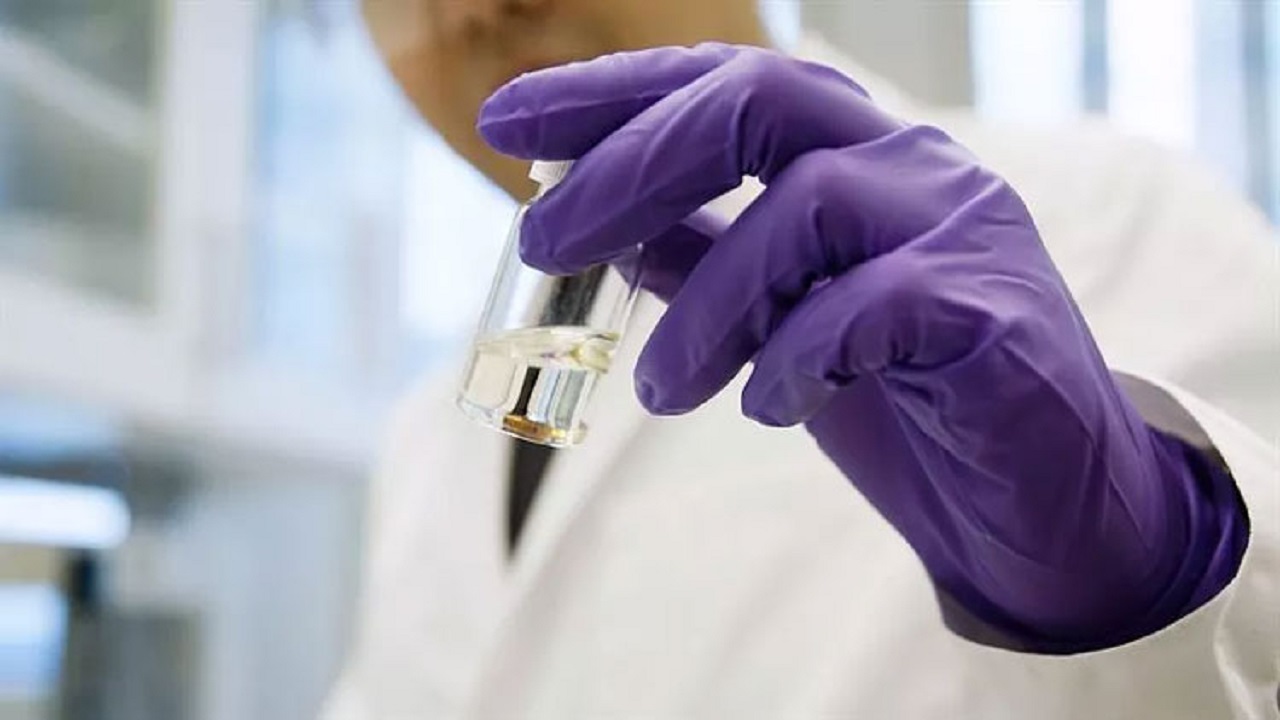
Scientists at the Swedish Chalmers University of Technology Developed a Solar Energy Storage System That Can Store Electricity for Years Using a Liquid Containing Hydrogen, Carbon, and Nitrogen.
A group of scientists at the Swedish Chalmers University of Technology has been developing solutions for the solar energy storage problem for about 10 years. The scientists developed a liquid that, when exposed to light, can change its molecular structure, remaining in that state for years. Thus, it is possible to store electrical energy at any time through simple reactions, making the development promising to power a wide range of devices.
Learn How the Scientists’ Energy Storage System Works
The Molecular Solar Thermal (MOST) energy storage fluid is based on a combination of carbon, nitrogen, and hydrogen. When the liquid is illuminated, its molecular composition is altered, causing it to transform into an isomer. Thus, the liquid is capable of storing solar energy without changing its composition; the molecular structure can be stored for up to 18 years.
To retrieve the energy from the liquid, it must pass through a type of catalyst. The stored solar energy is released in the form of heat, which powers a thermoelectric generator to produce electrical energy. The scientists’ pilot plant can obtain about 1.3 W of energy from one cubic meter of liquid.
-
With 160,000 m² of collectors, an area larger than 20 football fields, Silkeborg, in Denmark, hosts a solar thermal plant that heats 19,500 homes and could become the largest solar heating plant in the world.

-
A study reveals the expansion of renewable energy procurement in Brazil and shows how companies are taking advantage of opportunities to reduce expenses, ensure energy efficiency, and strengthen strategic environmental commitments.

-
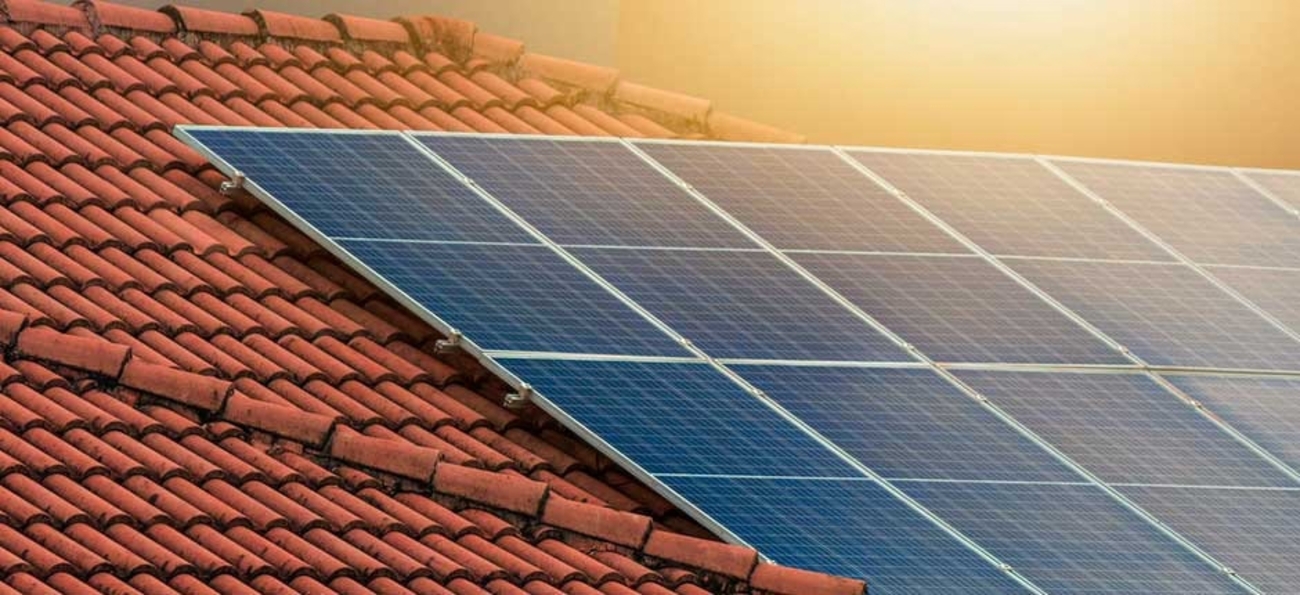
Roraima bets on the sun to escape high tariffs: Amid the energy crisis and price hikes, solar energy is growing in Roraima and transforming consumption in the North region.
-
Mato Grosso do Sul excels in the sugar-energy sector: the state reaches a milestone of 22 operating mills and accelerates the production of clean energy in MS with a focus on sustainability.


For commercial use, this solar energy storage is not sufficient; however, future work will be developed to improve the efficiency of the accumulation and transformation processes. In the future, the scientists promise to focus on ensuring that a liquid system for long-term energy storage can come to market.
MIT Scientists Are Also Advancing Energy Storage Technologies
MIT scientists developed a new type of battery last year that promises to be innovative for the energy storage system for clean sources such as solar and wind energy.
The semi-solid flow cell uses a mixture that contains dispersed particles of manganese dioxide with an additive that conducts electricity. This additive, known as carbon black, allows the conversion of electrochemical electricity by reacting with other elements in aqueous suspension or zinc plates, generating flow batteries with more reliable, durable, and efficient electricity retention systems than those currently produced.
How Does the New MIT Battery Work?
According to the study’s author, Emre Gencer, sustainable energy transition such as solar and wind energy needs batteries that have different durations, that work even when there is no sun or wind. The zinc manganese battery is a great, affordable, and high-quality option for these sources, capable of storing energy for a day or more.
In the flow system, two electrolytes with negative and positive ions are pumped into separate tanks until they meet while passing through a membrane called a cell.
To prove that their research is indeed viable, the researchers compared other cells with zinc manganese batteries. The analyses were conducted over periods of 8 hours, 1 day, and 3 days.
In intervals exceeding 1 day, the battery surpassed the energy retention capacity compared to common lithium-ion or vanadium redox flow cells. The battery managed to maintain its efficiency and low cost, even when considering all costs incurred in pumping the manganese paste from the energy storage tank.







Seja o primeiro a reagir!