





 Portuguese
  English
  Spanish
  3 min of reading
  2 comments


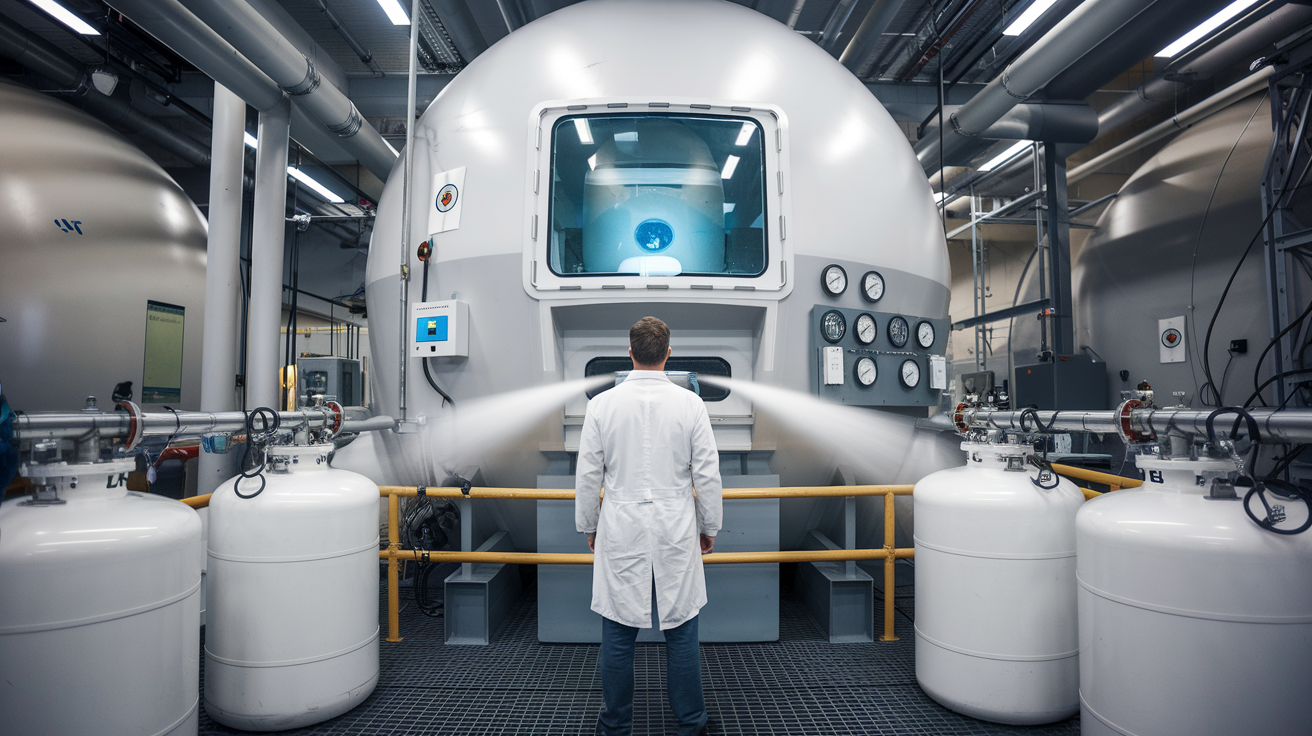


Japan Leads In Renewable Energy Generation: Scientists Develop Unique Reactor Technology That Uses Water And Sunlight To Produce Green Hydrogen, Considered The Fuel Of The Future.
Japanese scientists have developed a unique method that uses solar energy to transform water into green hydrogen – fuel of the future. It is a reactor that uses water and sunlight for renewable energy generation. The new technology promises to revolutionize the energy sector due to the importance of producing hydrogen at a time of energy transition.
Importance Of The Reactor That Uses Water And Sunlight To Produce Hydrogen
In a study published in early December, scientists reported that the renewable energy generation reactor operated perfectly outside of laboratory conditions for three years. However, the authors mention that there are still some barriers before the technology becomes viable for transition and renewable energy generation.
It is worth mentioning that today, 99% of industrial fuel production relies on fossil fuels, resulting in large amounts of carbon being emitted into the atmosphere, consequently increasing the effects of climate change. In contrast, green hydrogen is generated from clean energy sources, such as wind and solar, for example.
-
With a cost per shot close to zero, the DragonFire laser could change naval warfare in 2027 and provide British ships with nearly unlimited defense against drones.

-
A British startup creates tires that generate electricity in electric vehicles when passing over potholes, speed bumps, and cracks.

-
Scientists have created robots made with living cells that have their own nervous system, swim on their own, explore the environment, and self-organize without any genetic engineering, and now they want to do the same with human cells.

-
Students create a solar-powered ambulance that operates without a plug, without fuel, and still keeps medical equipment running in remote areas.


According to Takashi Hisatomi, the lead author of the study, it is necessary to store the produced fuel, as solar energy transformation is unfeasible during the night or in cloudy conditions.
Hisatomi, a chemical engineer and professor at Shinshu University in Japan, along with other scientists, utilized the concept of a patent by Shane Ardo, an American physicist who developed a solar energy reactor using photocatalytic suspension, for the reactor that uses water and sunlight to produce hydrogen.
Understand How Renewable Energy Generation Works With Photocatalytic Suspension
Photocatalytic suspension is a liquid electrolyte with a semiconductor containing catalytically active particles that absorb sunlight. Thus, the scientists used this concept to create the reactor that uses water and sunlight to produce hydrogen.
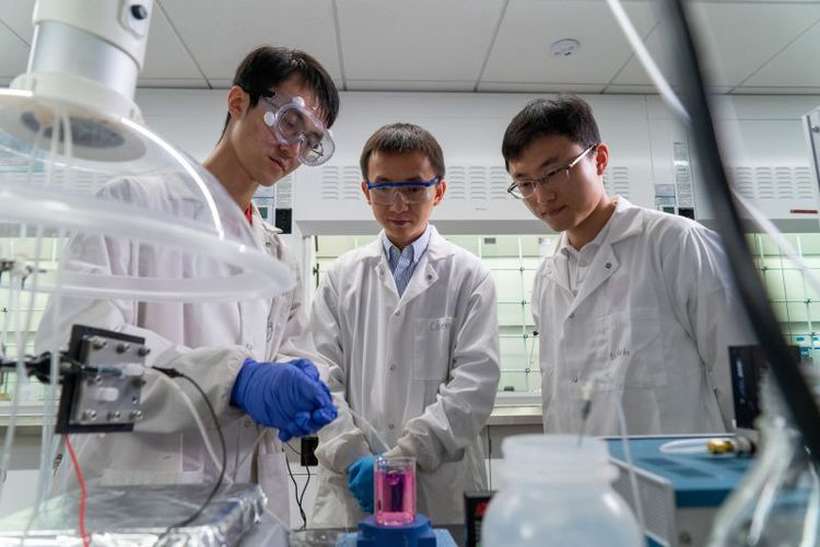
Through this concept, researchers in Japan were able to absorb sunlight to carry out electrolysis, a chemical reaction that separates the elements that form water, namely, two hydrogen atoms and one oxygen atom. Soon after, a printing technique using ink with photocatalytic powder was developed to generate full-size photocatalytic sheets.
These sheets were the key to operating and controlling the reactor that uses water and sunlight to produce hydrogen, generating renewable energy while simultaneously absorbing sunlight to split water.
According to the study, even the prototype of the considerably large reactor showed that the technology is safe, and moreover, it can be even more efficient under natural light conditions. However, not everything is perfect, as most photocatalytics only achieve 1% of the green hydrogen conversion rate from solar energy. Scientists estimate this percentage needs to rise to at least 5% for the reactor that uses water and sunlight to produce green hydrogen to be market viable.
Importance Of Green Hydrogen
Hydrogen, the lightest, simplest, and most abundant element in the universe, present in water and air, has been called the fuel of the future due to its crucial role in energy transition, aligning with the goals of the Paris Agreement to achieve carbon neutrality by 2050.
Green hydrogen has the capacity to replace the use of fossil fuels and petroleum derivatives. In industry, it can easily replace natural gas in various activities, in addition to being used as a raw material for the production of chemical products, such as methanol synthesis, for example.








Posso mandar uma localização pra testar?
Lemos pensando que já há avanços significativo aí vemos que tem muito caminho pela frente, torso que descubram algo poderoso para fornecer energia limpa infinita e barato.