





 Portuguese
  English
  Spanish
  3 min of reading


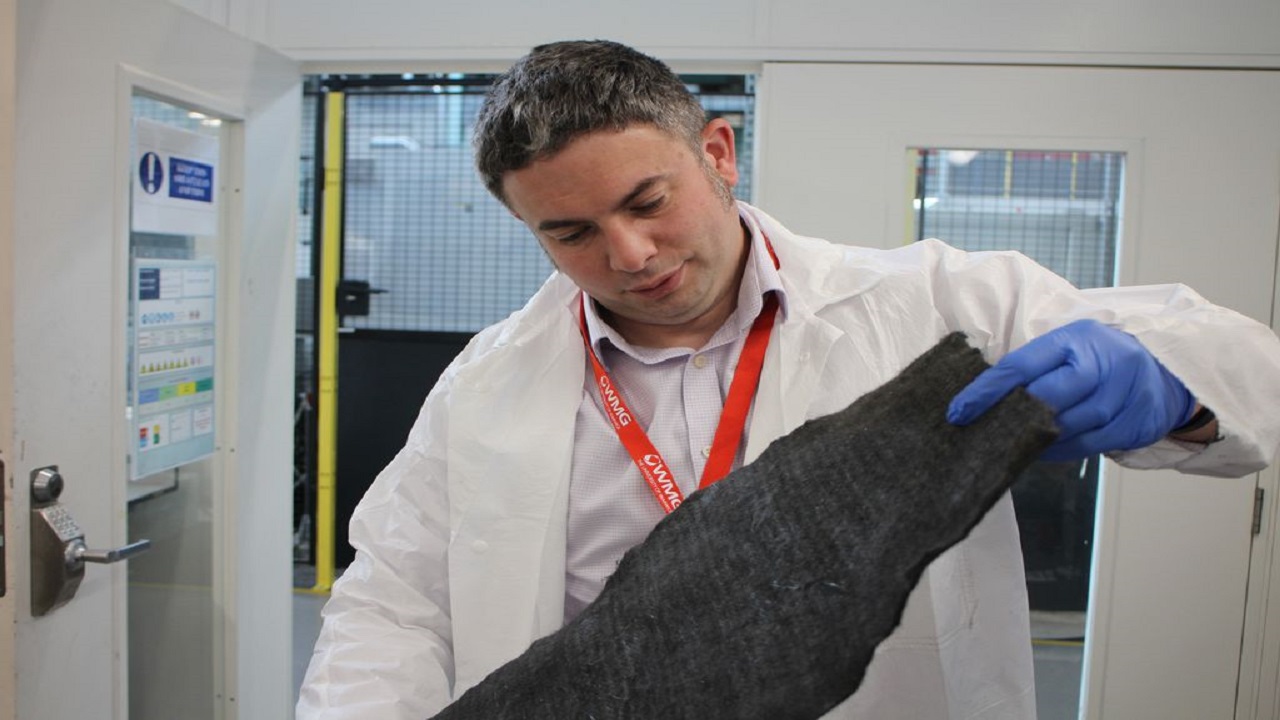
Team Project of University of Warwick Scientists Uses Carbon Fiber to Filter Sewage Water and End Up Generating Hydrogen-Based Fuel
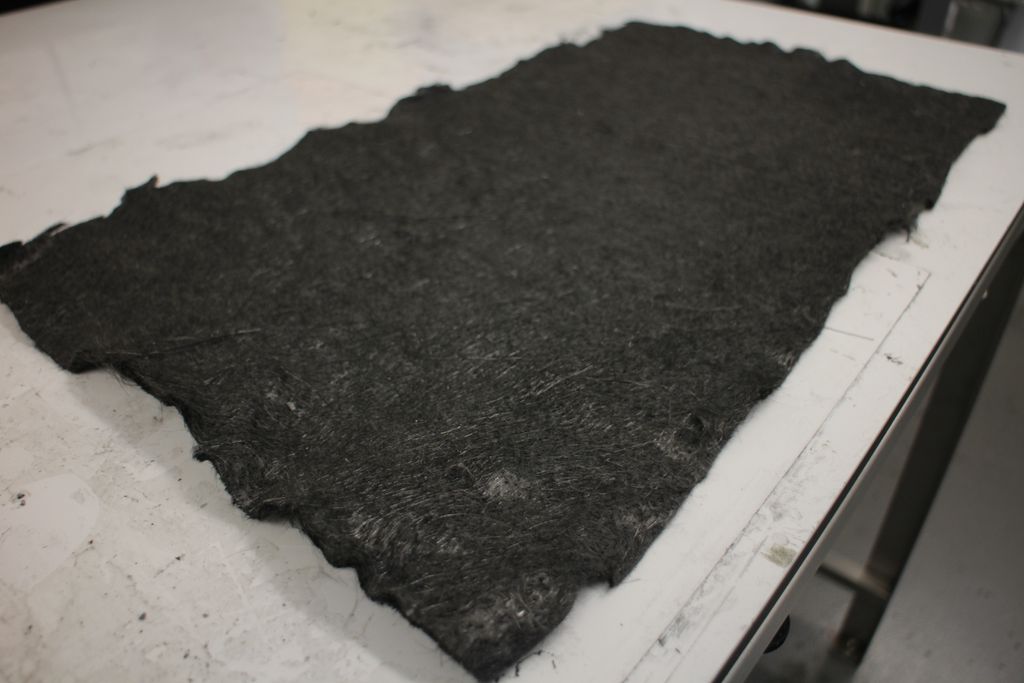
At the University of Warwick in England, scientists have successfully developed a new method capable of producing hydrogen-based fuel from sewage. The device created by the university uses carpets made from carbon fiber, which produce hydrogen upon contact with effluents, that is, wastewater that is impure and contains various pathogens harmful to health.
Read Other Related News
Discover the ‘MEC’ – The Innovative System Capable of Transforming Sewage Water into Hydrogen-Based Fuel
The innovative system created by scientists at the University of Warwick, known as Microbial Electrolisis Cells – or ‘MEC’ for short –, involves the use of electromicroscopic microorganisms that assist in the decomposition of organic pollutants present in sewage water.
During this purification process, in addition to the clean water generated, hydrogen gas is also produced along the way. Chemistry Professor Stuart Coles, the lead author of the study, explained that the ability to generate hydrogen gas is valuable in itself because it can be sold to the chemical and plastics industries in general.
-
Itaipu receives proposals in the renewable energy tender and reinforces the role of public universities in the energy transition with projects that can reduce costs, increase academic investments, and accelerate sustainable innovation in the country.
-
Claro operator reveals a silent change with hundreds of clean energy plants and shows how sustainability is impacting over 80% of its operations in Brazil.
-
Billion-dollar strategic alliance: Brazil and China join forces in infrastructure and technology projects to lead the creation of a global green corridor in the energy transition.

-
Research reveals that the vast majority of national consumers are not willing to pay more for renewable energy despite their support for sustainability.
The professor also explained that there could be use in hydrogen fuel cells that will serve both for energy storage and as batteries for electric vehicles.
Sewage Water Treatment Will Become Cheaper and More Efficient
The treatment of sewage water requires high energy consumption. In the United Kingdom, wastewater treatment units consume around 3% of all electricity produced in the region, which is equivalent to 13 billion kilowatt-hours.
Another major disadvantage is the cost of the anode used in the chemical reaction that decomposes organic material. Anodes made from graphite or carbon compounds are extremely expensive and do not yield efficiently, as they produce very low rates of hydrogen, making their use on an industrial scale unviable.
To address this situation, the scientists from Warwick utilized a material made from recycled carbon fiber, which costs only US$ 2 per square meter (around R$ 11 at current exchange rates).
Tests Conducted by Scientists Show an Enormous Success Rate
During tests carried out in a real sewage treatment unit, scientists processed around 100 liters of wastewater per day. According to Professor Coles, his team managed to remove approximately 51% of the total organic pollutants and 100% of the solid elements present in the sewage water being treated.
The preliminary results throughout the induced purification process revealed that the microbial electrolisis cell system was capable of producing 18 times more hydrogen, with 100% purity, than other conventional materials made from traditional carbon or graphite. Professor Coles and his team are very enthusiastic about this new technology.
Coles reported that by removing waste from the automotive and aerospace sectors, it was possible to develop a circular solution to an old problem. In addition to treating sewage water, scientists can now also extract certain values from it, found in the form of hydrogen at a much lower cost.









Seja o primeiro a reagir!