





 Portuguese
  English
  Spanish
  3 min of reading
  7 comments


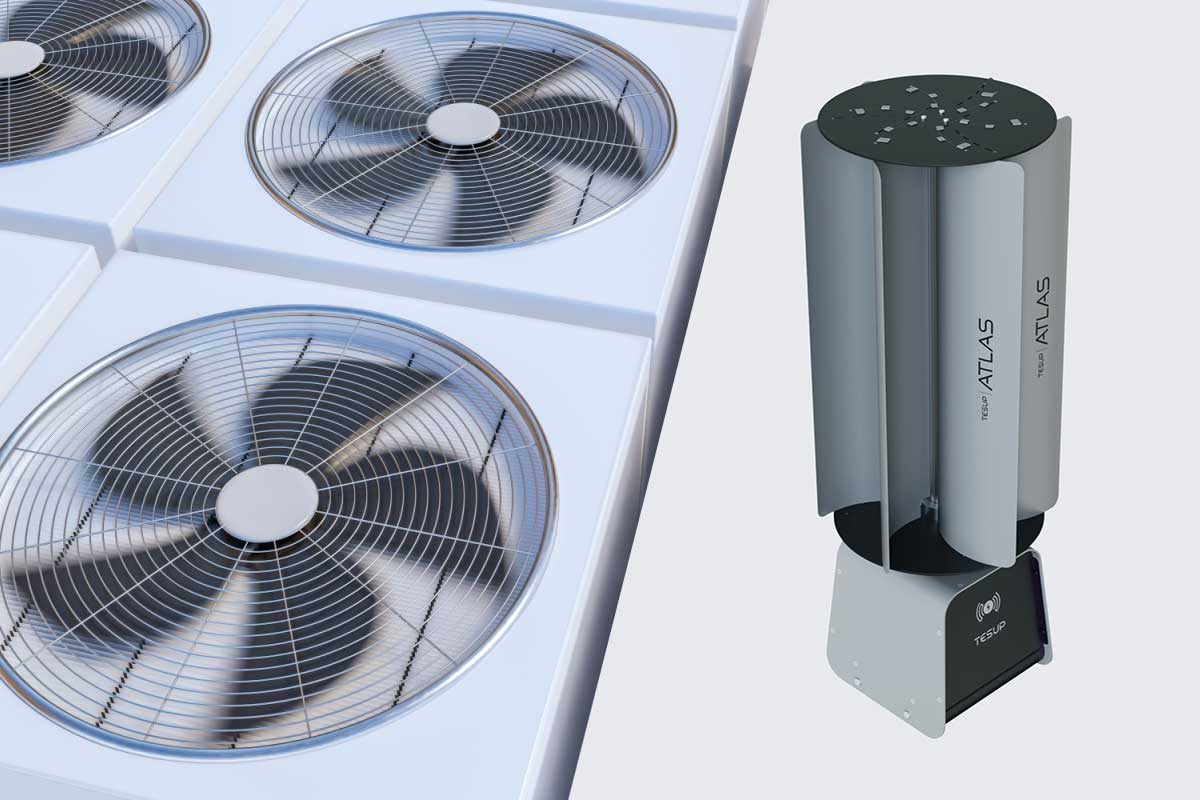


Innovative Wind Turbine Uses Wind Generated by Air Conditioning to Produce Electricity. Find Out How This Technology Can Revolutionize Energy Consumption in Urban and Residential Environments!
What if the wind generated by the air conditioning system could be harnessed to produce electrical energy? This is the proposal from a group of researchers at the National University of Distance Education in Madrid, who developed an innovative concept using artificial wind produced by heating, ventilation, and air conditioning systems to drive a wind turbine and generate electricity.
Published in the journal Nature, the study explores a sustainable solution that could reduce energy consumption and carbon footprint.
How The Air Conditioning Wind Turbine Technology Works
HVAC systems are widely used in buildings and consume large amounts of energy. Usually, these systems have an external fan that dissipates heat and moves air. It is this wind that the Spanish researchers plan to harness.
-
An engineer designs a solar plane to fly on Mars at an altitude of 1,000 meters and a speed of 300 km/h, covering 16,000 kilometers in a Martian year, 900 times the distance traveled by the Ingenuity helicopter in three years on the planet before experiencing a rotor failure, and NASA is already funding the feasibility study.
-
A new phenomenon of contactless magnetic friction intrigues scientists and questions a theory that has been valid since the 17th century.
-
An impressive phenomenon in Northern Brazil causes rivers of different colors to flow side by side, revealing secrets about sediments, currents, and biodiversity.
-
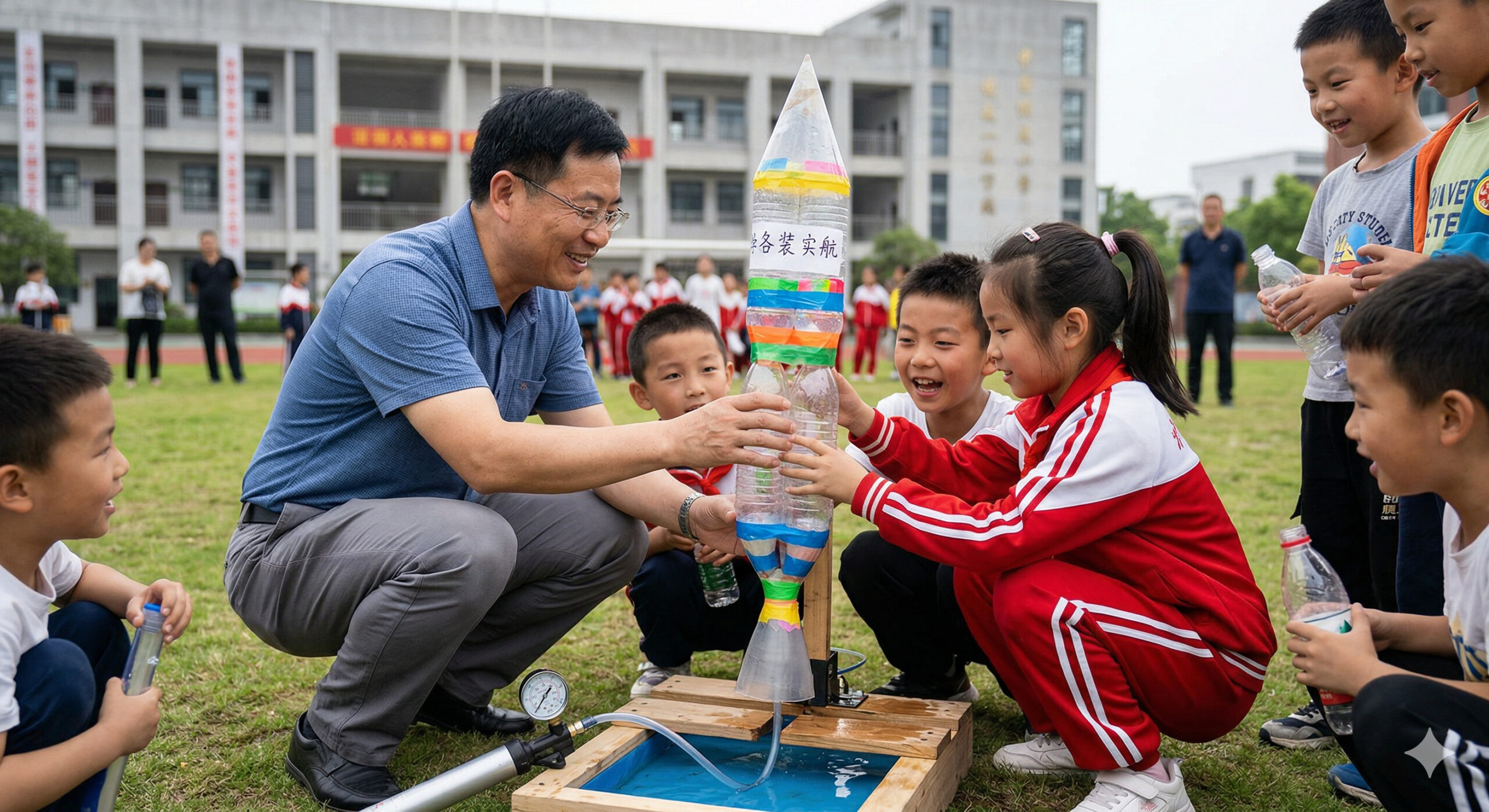
While many schools are still struggling with the basics, a teacher in China went viral for having elementary school students build a two-stage rocket using plastic bottles, water, and pressurized air in a science class that caught the attention of the entire world.

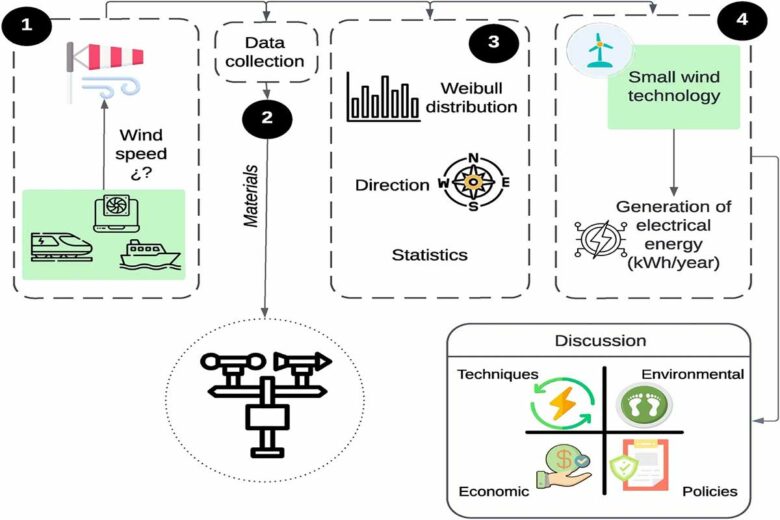
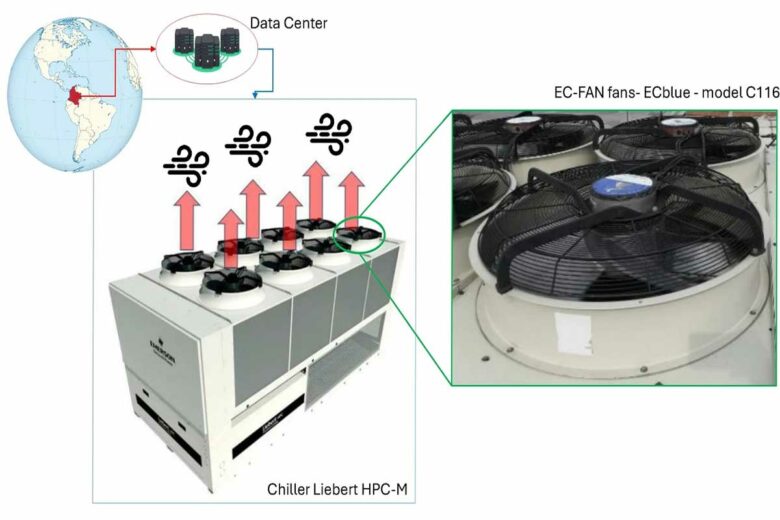
The team installed small vertical turbines on the HVAC systems of a data center in Colombia, allowing the artificial wind from the fans to move the turbines and produce energy.
These HVAC systems in the experiment contain Liebert HPC-M chillers, each with eight 480V EC-FANs operating at 900 RPM. To capture the energy potential, the researchers installed 9 kW wind turbines, model V7 from the company Tesup, on the systems.
Energy Performance: Producing More Than It Consumes
The result was surprising: the turbines generated about 467.6 megawatt-hours of energy per year, while the annual consumption of the HVAC system was 336.39 megawatt-hours.
This means that the system produced more energy than it consumed over the course of a year. This surplus can be used to power other equipment in the Data Center or even injected into the electrical grid.
Economic and Environmental Benefits
The initial cost of the project was $123,101, considering the purchase of turbines and installation costs. With a lifespan of 20 years and an annual maintenance cost of around $1,109, the investment is expected to pay off starting from the third year of operation.
Additionally, it is estimated that the technology can reduce CO₂ emissions from the data center by up to 300 tons per year, significantly contributing to sustainability.
Besides reducing energy consumption and the emission of polluting gases, employing this technology on a large scale could transform the air conditioning sector into a source of renewable energy.
Air Conditioning Energy Consumption
The use of air conditioning has a significant impact on electricity consumption, especially in hot climates or densely populated urban areas. These devices, responsible for controlling temperature and humidity in environments, are large energy consumers, accounting for about 30% of total consumption in residential and commercial buildings.
In large complexes, such as data centers and hospitals, where constant cooling is essential, air conditioning expenses become even more significant, raising costs and contributing to higher electricity demand.
This high energy demand, in addition to increasing energy bills, is directly related to increased carbon dioxide emissions, as a large portion of global electricity still comes from non-renewable sources.
Solutions such as more efficient HVAC systems and new technologies, like the use of wind turbines in conjunction with air conditioning, are promising alternatives aimed at reducing environmental impact without compromising the comfort and safety of userss.







O tal de “moto-contínuo” é físicamente impossível. Então ou a informação está errada ou incompleta.
Não, não, não, eu havia proposto isso antes deles. Está em uma das minhas contas no Facebook, publicação de 3 anos atrás
Não, não, não, eu havia proposto issi antes deles. Está em uma das minhas contas no Fac3book, publicação de 3 anos atrás